
|


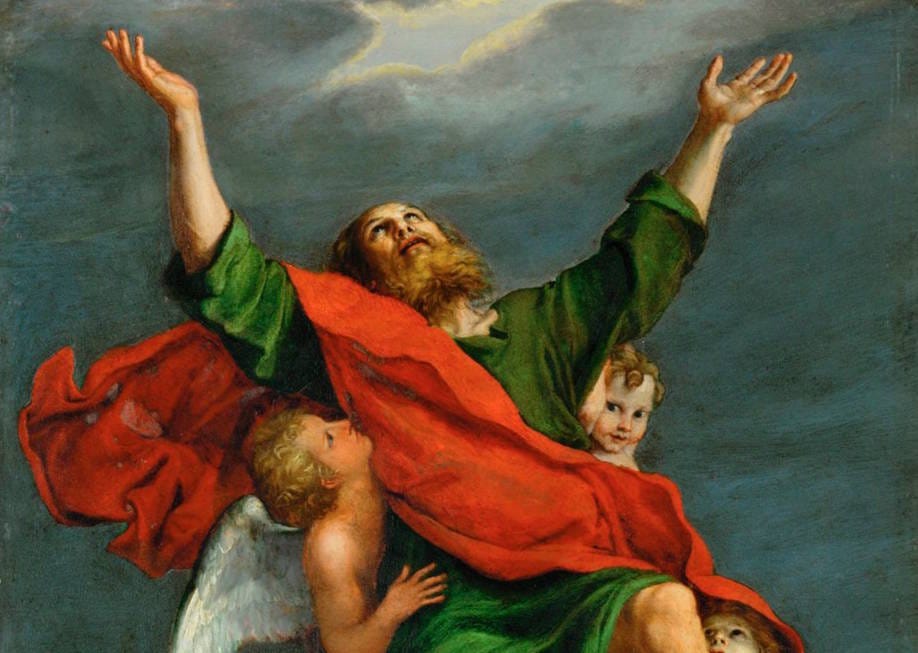 |
Back when I was a teenager, a lot of people were very into the Left Behind series. Evangelical Christianity was still very strong in those days, especially in Texas, and Left Behind blew up by putting Christian eschatology into page-turning airport-bookstore-novel form. People really believed that the stories in those novels weren’t just stories — they were glimpses of a very real future event. The Rapture — Jesus Christ’s gathering of the faithful to Heaven before the end of the world — is something that believers expect is going to happen one of these days.
Sometimes, these days, I feel as if it’s already happened. I look around at American culture and I wonder: Where did everybody go?
The mass culture of my youth is long gone. 76 million people watched the last episode of Seinfeld in 1998; fewer than 20 million watched the last episode of Game of Thrones two decades later. Right now I can’t even think of what an appropriate comparison would be. What’s the show that everyone watches?
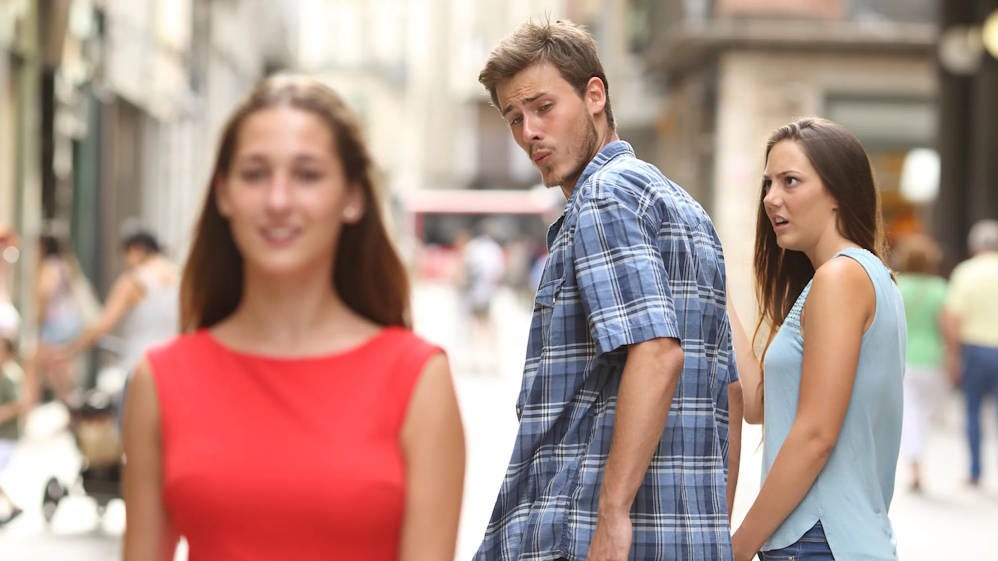
In the 2010s, mass culture was replaced by meme culture. Everyone knew this photo and what it represented:
 |
Social media feeds — Twitter and the Facebook wall — turned American society into a sort of digital hive mind. Feeling yourself being absorbed into that great unified consciousness could be an agonizing experience — mobs constantly punished any deviation from conformity, quirky unique subcultures were devoured and metabolized, everyone was forced into a cell with people they had spent their lives trying to escape. The hunt for virality was everything. Viral memes were the thoughts that drifted through the mind of the social media Borg.
There are almost no memes left. For so many years there was a steady drumbeat of images and phrases that people passed around among each other ad infinitum; now, I can’t even think of the last one that really made the rounds. Twitter — now X — has not died but is diminished in scope and relevance. At times it feels like a ghost town.
Where did everybody go? I would like to think that they’re offline, living as we lived in the Before Times, running through sunlit fields blasting each other with Super Soakers or playing Dungeons and Dragons in their living rooms. Or perhaps they’re in Signal and WhatsApp chats and Discord channels, talking with their friends in the comfort and safety of privacy. I would like to think that they rejected the digital hive mind for the ancient ways of individuality and Dunbar’s Number.
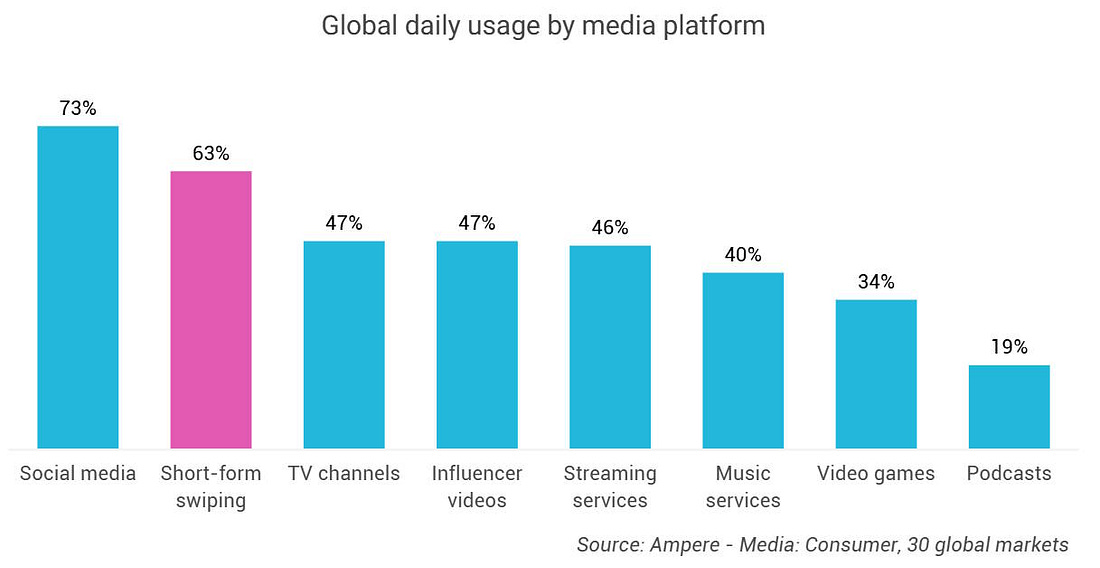
But my bet is that they’re just watching short form video. Over the last few years, the entire internet has steadily carcinized into a single type of app/website/media/entertainment — a vertically scrolling feed full of short video clips. Vine invented it, TikTok popularized it, and now every other site has copied this one dominant, all-conquering format. Already, vertical short-form video feeds are more dominant than every form of media except for social media itself:
 |
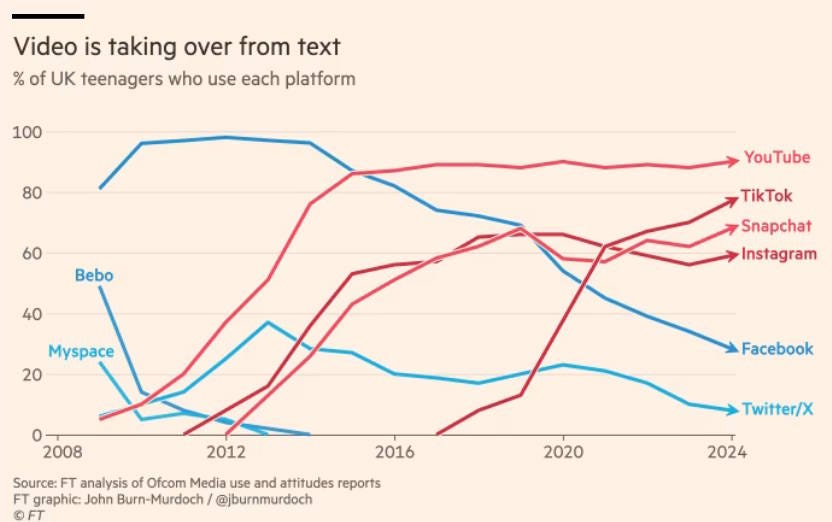
But even this significantly understates the change. The term “social media” used to mean people writing things to each other or sending images on Facebook or Twitter; now, it’s mostly used to mean people watching videos:
 |
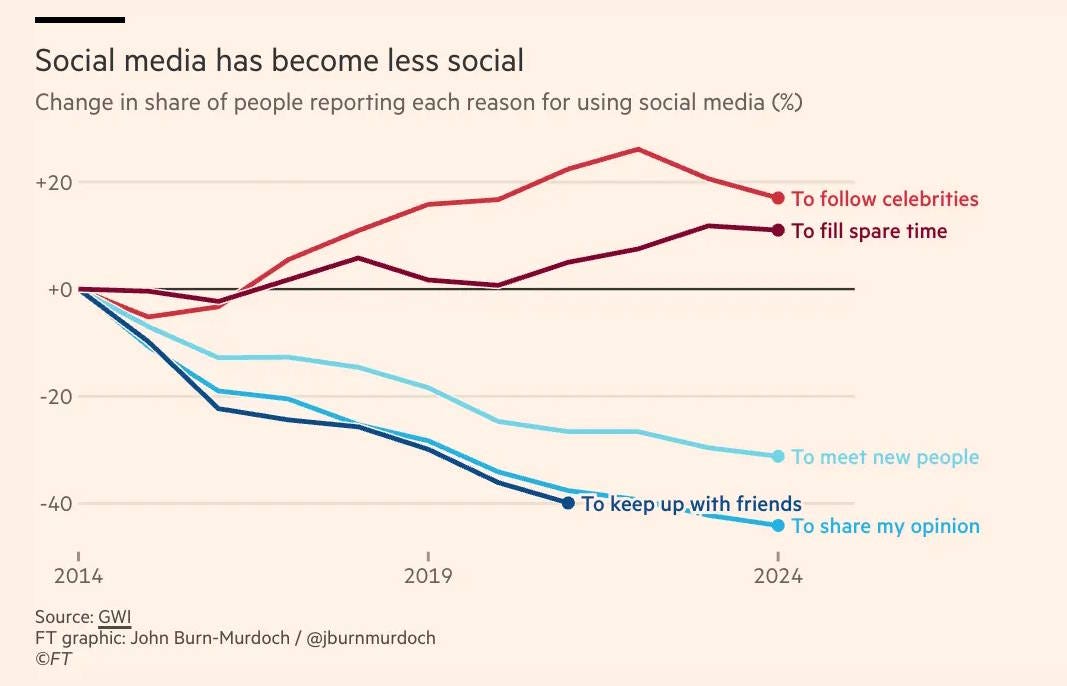
Even the long-form video sites, like YouTube, are increasingly just short-form sites showing a bunch of clips. This shift has basically killed the original use of social media, turning it from a town square or conversation room into a form of purely passive entertainment:
 |