Since early in my career, as a reporter at The National Law Journal, I’ve watched the Supreme Court closely as a peculiar institution, operating largely in secret and rendering judgments in a language foreign to most Americans.
Now, as DC bureau chief at Inside Climate News, I work with my colleagues to cover the people and communities grappling with the mounting costs of climate change. States and cities like Boulder, Colorado—buffeted by historic floods and fires—have sued fossil fuel companies, bolstered by evidence unearthed by ICN and others showing that they have long known about the dangers of climate change and their role in it. But the industry has managed to delay their day in court.
In oral arguments Monday in the Supreme Court case of Suncor Energy v. County Commissioners of Boulder County, Big Oil will argue to ensure that day never comes.
A little history is in order. In a key 2007 case, Massachusetts v. EPA, the Supreme Court ruled that greenhouse gases were pollutants as defined by the Clean Air Act, meaning the federal government could regulate them just as it had tackled soot and smog for decades. In Suncor, the oil industry argues that this federal authority over climate change preempts state and local government climate lawsuits.
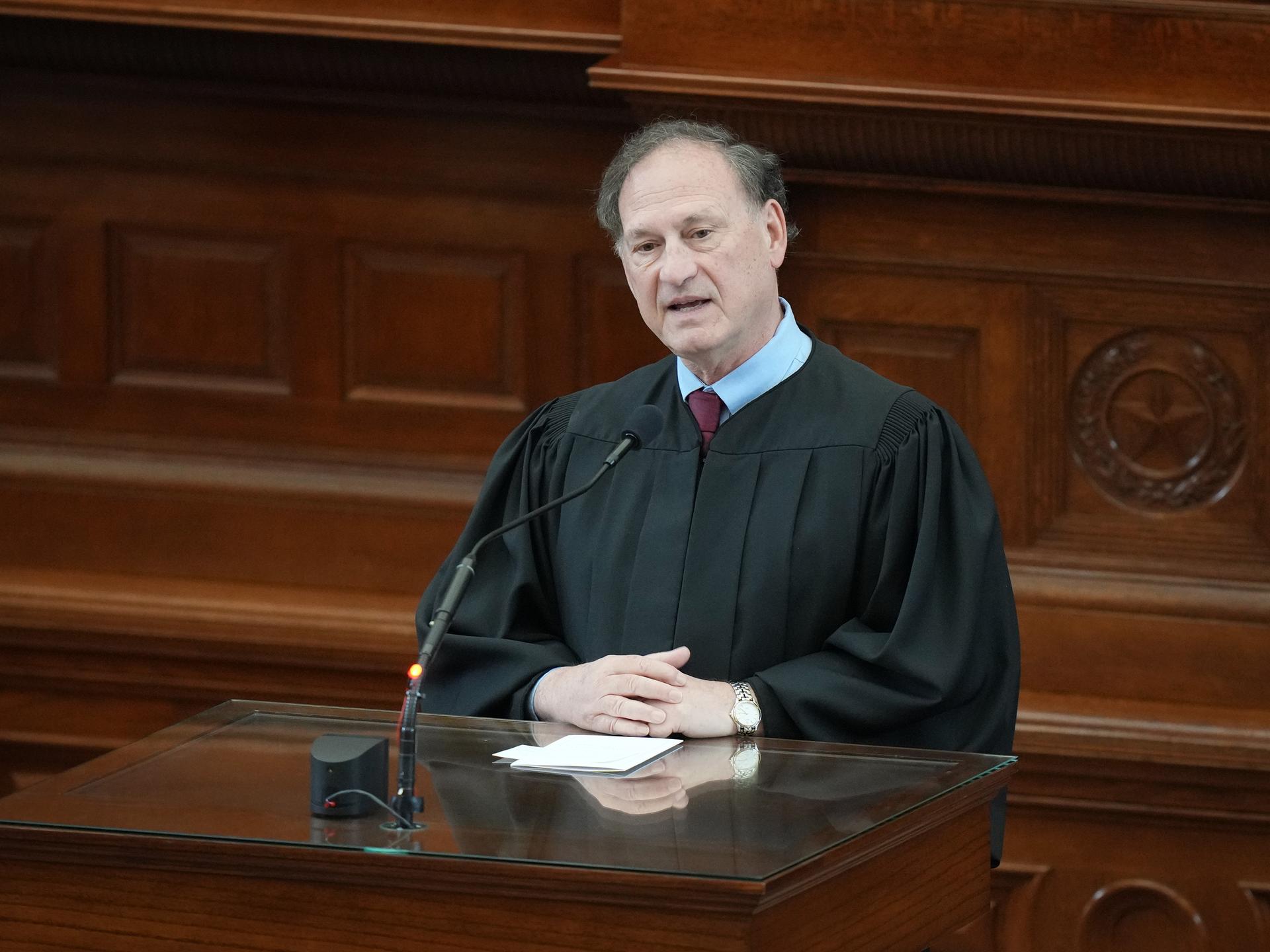
But as the Supreme Court grew more conservative over the years, it became increasingly skeptical of federal regulation of business. Justice Samuel Alito played an important role in a series of decisions that undercut the EPA’s ability to address climate change.
Alito also has stood out as the only Supreme Court justice who holds an extensive portfolio of individual corporate stocks, about one-third of them in the fossil fuel industry. His holdings repeatedly raise questions of conflicts of interest, and Alito has recused himself from cases more than any other justice. But the slew of state and local climate lawsuits raise new and complex questions. Alito originally chose not to recuse himself in the Suncor case because he has no holdings in Suncor or ExxonMobil, the two companies sued by Boulder. But the industry has made clear that it expects the court’s decision to affect the entire industry—including ConocoPhillips and Phillips 66, in which Alito does own stakes.
After months of protest by environmental and public watchdog groups, Alito finally recused himself one week before the Suncor arguments. But that’s not the end of the story. His vote may already have been decisive in getting the Suncor case on the docket.
As the media continues to cover the persistence and pervasiveness of fossil fuel influence, there is perhaps no better example than the ticker symbols in Alito’s portfolio.
You can read my story here.
—Marianne Lavelle