| | The US proposes an AI hotline with China, chipmaker AMD joins the $1 trillion market cap club, and A͏ ͏ ͏ ͏ ͏ ͏ |
| |  LOS ANGELES LOS ANGELES | BEIJING |  SEOUL SEOUL |
 | Flagship |  |
| |
|
The World Today |  - Stalemate at summit
- US-China AI hotline
- Trump’s power over AI
- Xi’s purge continues
- AMD tops $1 trillion
- Underpricing rate hikes
- ‘Dutch disease’ chip fears
- Paramount gets Warner
- Europe pivots to security
- Spain’s Ceuta problem
 A book that is ‘a model of a kind of journalism you don’t see much of.’ |
|
Summit won’t break US-China stalemate |
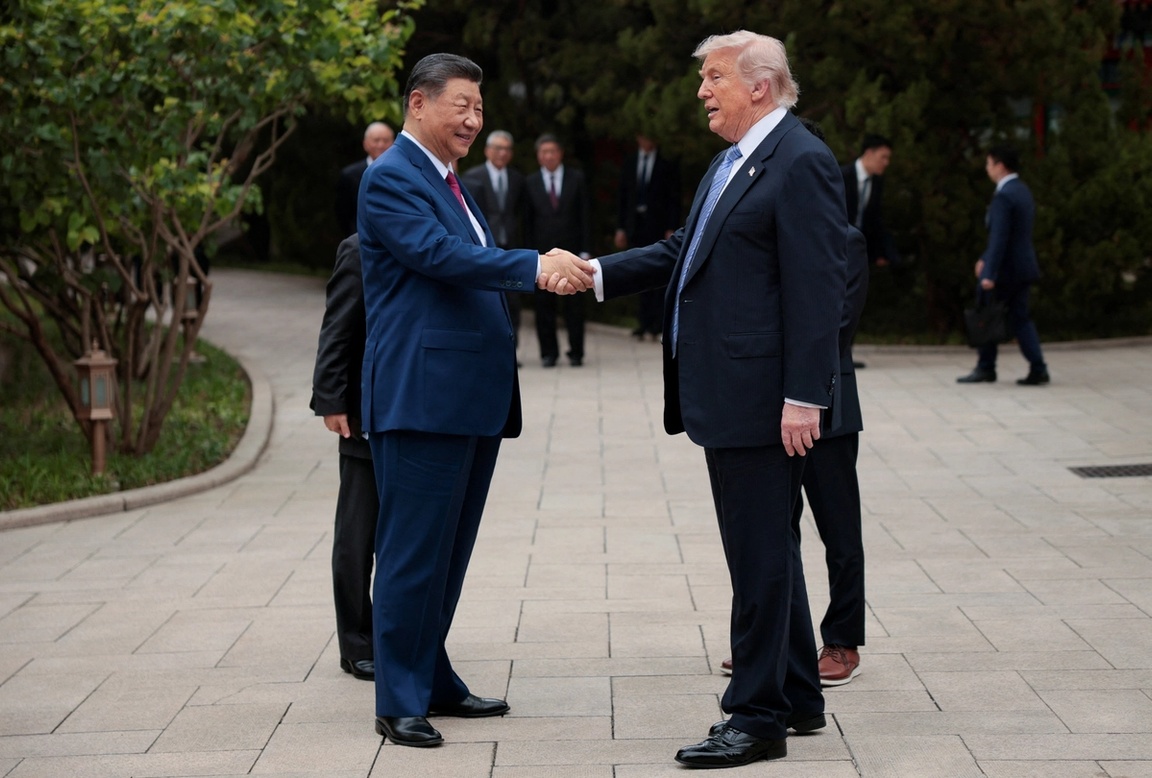 The pageantry surrounding this week’s meeting between US president Donald Trump and Chinese leader Xi Jinping belies the stalemate the two superpowers are stuck in, analysts argued. The countries are “deadlocked on everything from trade and technology to Taiwan,” Semafor’s Andy Browne wrote, “and it’s only a matter of time before hostilities ramp back up.” While the rapprochement between Beijing and Washington has largely been driven by their leaders’ rapport, the countries have continued to make moves against each other, including imposing export restrictions, and there is “still room for shin-kicking under the table,” a Brookings analyst said. Xi’s priority will be to simply prolong the superpower standoff, Browne wrote, to keep domestic support for the party — and his leadership — strong. |
|
OpenAI calls for global US-led coalition |
|
Trump has power to ‘disrupt’ AI |
 Evan Vucci/Reuters Evan Vucci/ReutersThough US President Donald Trump’s power may have peaked, he retains an outsize influence in shaping the future of AI, a prominent analyst argued. Trump is contending with a slew of setbacks, chiefly surging fuel prices and an escalating conflict with Iran that are dragging on the president’s popularity ahead of the midterm elections, along with high-profile legal defeats. Trump is losing his ability to “drive disruption” but AI “increasingly looks like an important outlier,” Eurasia Group’s Ian Bremmer wrote in a note: Trump’s dismissal of AI risk as a “hoax” and his refusal “to consider what proactive governance might be necessary to avoid a dangerous crisis… is the most meaningful risk presented by the second half of the Trump administration.” |
|
Xi purges top generals for ‘disloyalty’ |
 Zhang Youxia. Florence Lo/Reuters Zhang Youxia. Florence Lo/ReutersChina said Monday that it removed two top generals over allegations of disloyalty and corruption, the latest in a long series of expulsions under leader Xi Jinping. While Xi’s purge is centered around rooting out graft, the “unprecedented” charges of forming cliques and factions “sends a sharp message to both the elders and the military about challenging Xi,” a former CIA China analyst told Reuters; the expelled Zhang Youxia was seen as Xi’s closest military ally. In a personalist system, leadership prizes loyalty, China expert Minxin Pei told The Beijing Brief podcast, with the consequence that strong figures — potential successors — tend to get weeded out. “We’re likely to have a period of weak leadership” after Xi, Pei predicted. |
|
AMD tops $1 trillion as chips drive rally |
|
Markets underpricing rate hikes |
 Jeenah Moon/File Photo via Reuters Jeenah Moon/File Photo via ReutersMarkets risk underpricing the scale of monetary tightening, analysts argued, as central banks around the world adjust to a worsening inflation outlook. The world is entering a “globally synchronised rate hiking cycle,” Deutsche Bank analysts wrote, and “recent trends in commodity prices will push inflation higher still.” Perceived as being slow to react during the pandemic, central bankers are more hawkish this time around, suggesting hikes will come faster and more frequently. Steady economic growth and a booming AI investment cycle, paired with persistent conflict-fueled shocks to global energy supplies and stubborn inflation, point to a “structural transformation of the economy,” an economist told The Associated Press. “The regime change in inflation and interest rates is the outcome.” |
|
Asia’s AI boom sparks ‘Dutch Disease’ fears |
 Ann Wang/Reuters Ann Wang/ReutersEconomic growth powered by the AI boom is driving economists’ fears that East Asian countries risk ‘Dutch Disease.’ The Netherlands’ 1960s discovery of natural gas deposits accelerated economic growth, but also strengthened its currency, hurting other export sectors. Some economists question whether South Korea and Taiwan may now suffer the same fate as a result of their chipmakers. HSBC economists noted that such a sudden boom “can create distortions,” echoing warnings from South Korea’s central bank that the country risks “semiconductor Dutch disease.” Not everyone is as worried though: Taiwanese policymakers said in June the island’s economy bore “no resemblance” to the 20th-century Netherlands, arguing its companies were better integrated than Dutch firms of a prior era. |
|
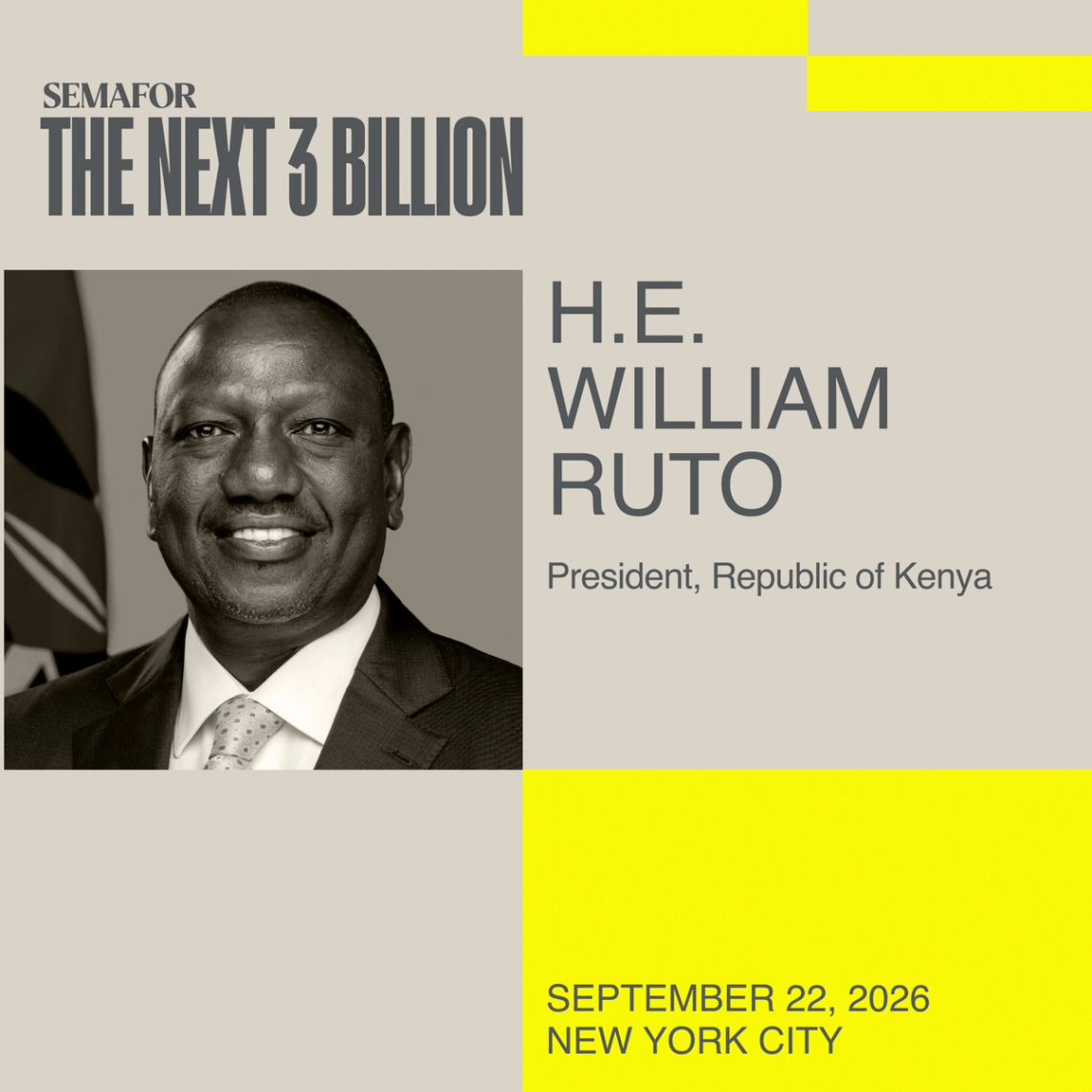 On Tuesday, September 22 in New York City, H.E. William Samoei Ruto, President of the Republic of Kenya, will join us for The Next 3 Billion. Semafor will bring together leaders including H.E. Judith Suminwa, Prime Minister, Democratic Republic of the Congo; Dr. Ngozi Okonjo-Iweala, Director-General, World Trade Organization; Sanda Ojiambo, Assistant Secretary-General, CEO and Executive Director, United Nations Global Compact; James Manyika, SVP, Research, Labs, Technology & Society, Google-Alphabet; and more to explore how AI, energy, and global development can expand access, unlock opportunity, and drive inclusive growth across the world’s fastest-growing regions. September 22 | New York City | Watch Livestream |
|
Win for Paramount’s Warner Bros’ takeover |
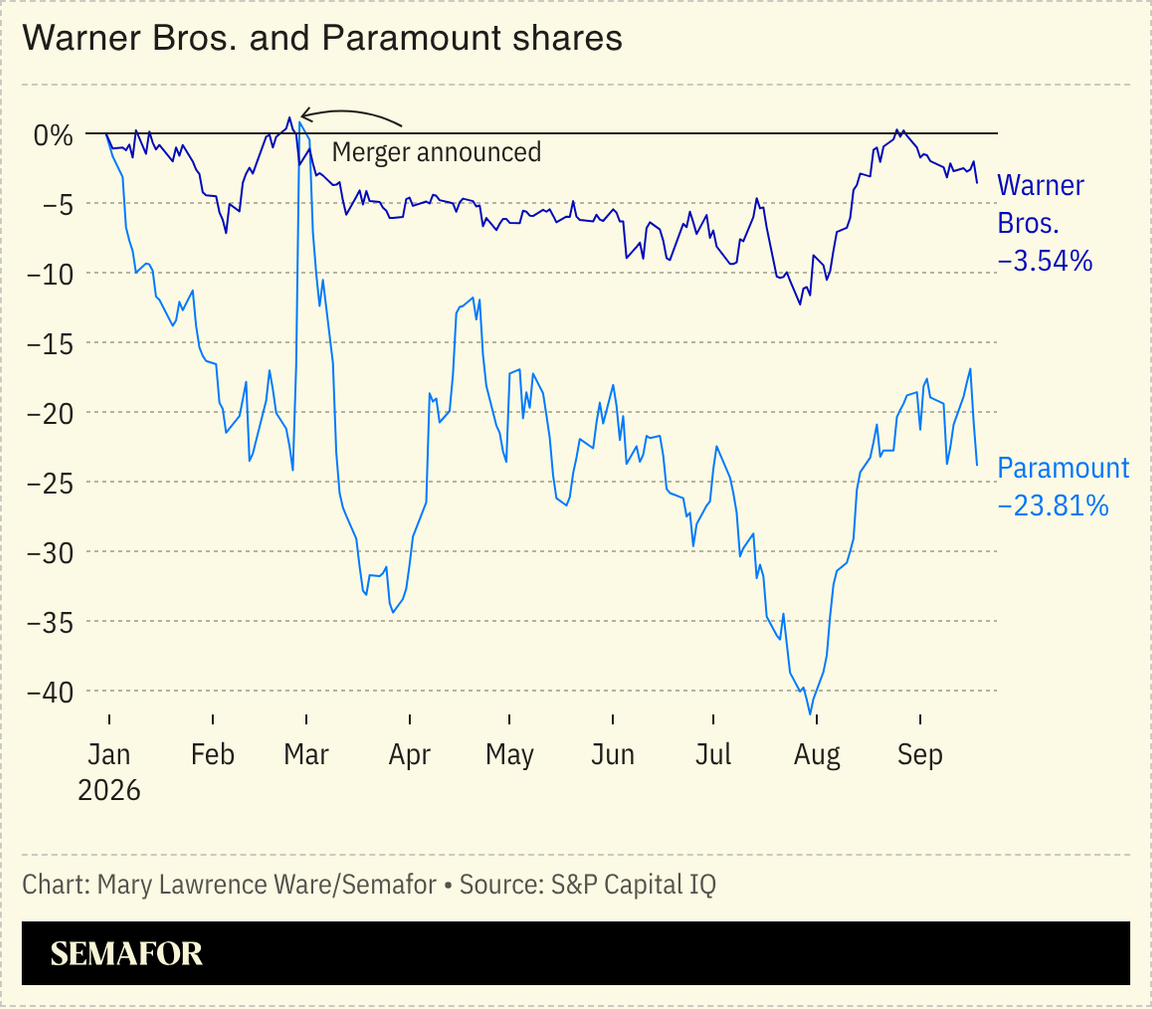 Paramount settled lawsuits brought by 12 US states Monday, paving the way for David Ellison’s $110 billion takeover of Warner Bros. Discovery. The states had argued that the acquisition would give Paramount too much control over the movie and cable TV industries. The deal provides certain editorial protections for CBS and CNN, as well a commitment to release 30 films annually. It also staves off the possibility that Paramount would have left California, easing concerns of local politicians and unions. But the deal’s opponents are still skeptical, with California’s attorney general, who led the settlement efforts, acknowledging, “I don’t think these two companies should merge.” The merger, now expected to close in October, will create one the world’s largest entertainment companies. |
|
Europe shifts to defense mindset |
|
|


