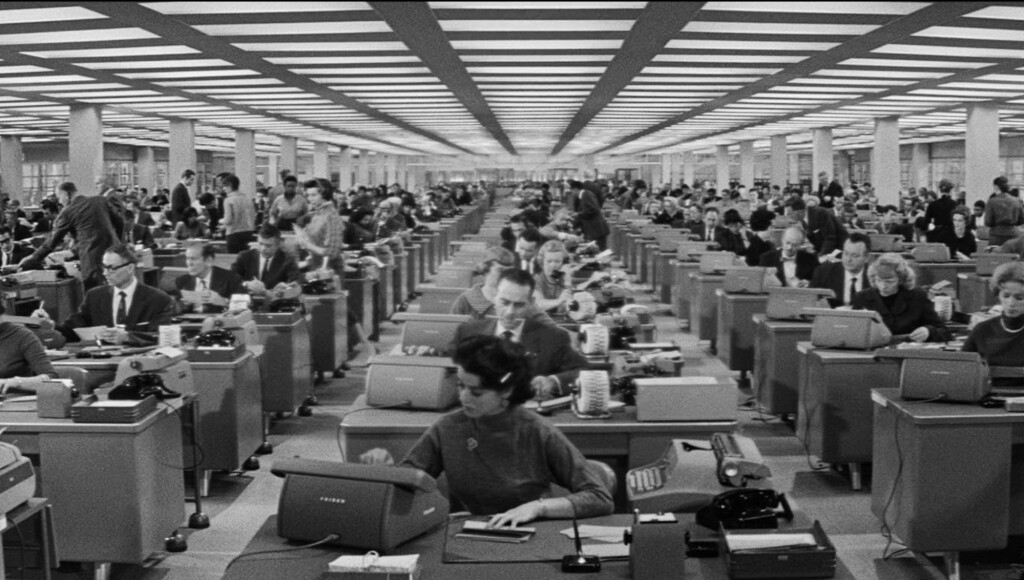
For decades, faculty members have sounded the alarm over rising administrative costs: They’ve objected to expanding bureaucracy — the proliferation of rules, processes, and layers of middle management — and the migration of authority and money from academic units to central administration. Books like Benjamin Ginsberg’s The Fall of the Faculty and essays like Paul F. Campos’s “The Real Reason College Tuition Costs So Much” in The New York Times and Derek Thompson’s “No One Knows What Universities Are For” in The Atlantic occasionally carried the argument beyond campus, but it never became a sustained public concern. One of the two of us (Nicholas Zeppos) worked in academic leadership for three decades, and encountered it most often in faculty senates, occasionally in boardrooms, and rarely — if ever — in conversations outside the academy. Administrative bloat was, for the most part, inside baseball.
That is no longer the case. Administrative costs have moved to the forefront of public debate and become a public-trust issue. Vanderbilt University’s June 2026 Unity Poll, conducted by SSRS, asked 1,030 adults from a national sample their opinions on higher education: 37 percent identified growth in administration and bureaucracy as a leading cause of high college costs — more than twice the share that blamed faculty salaries and benefits. Respondents also ranked decisions by college administrators as the largest source of problems in higher education. As this spring’s “Report of the Yale Committee on Trust in Higher Education” put it: “In public discourse, the most common critiques [of rising costs] point to administrative bloat, spending on buildings, and the ‘corporatization’ of the university.” The public wants to know if colleges are exercising discipline and sound stewardship over the resources entrusted to them, or whether they are failing in their responsibility to manage their overhead.