Leaders from government, the private sector, and civil society will gather starting Sunday in New York City for Climate Week coinciding with the UN General Assembly. Event themes will include the clean energy transition, biodiversity and water systems, and the coming super El Niño weather event that threatens to intensify drought, flooding, and heat over the next six months.
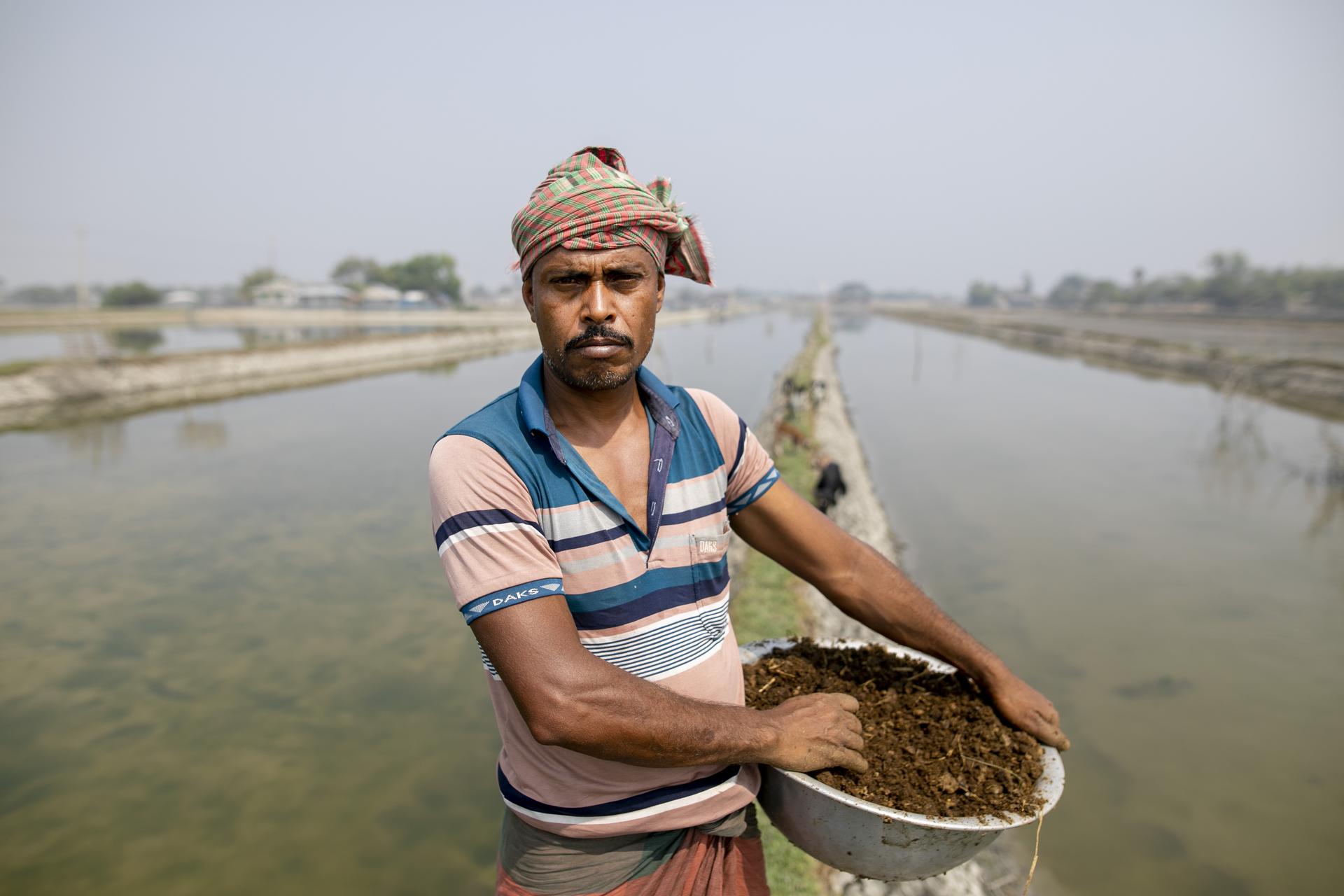
As El Niño strengthens, that weather phenomenon could worsen another trend—rising water salinity in Bangladesh, which can promote antibiotic resistance in bacteria, writes Zakir Hossain Chowdhury, a freelance visual journalist.
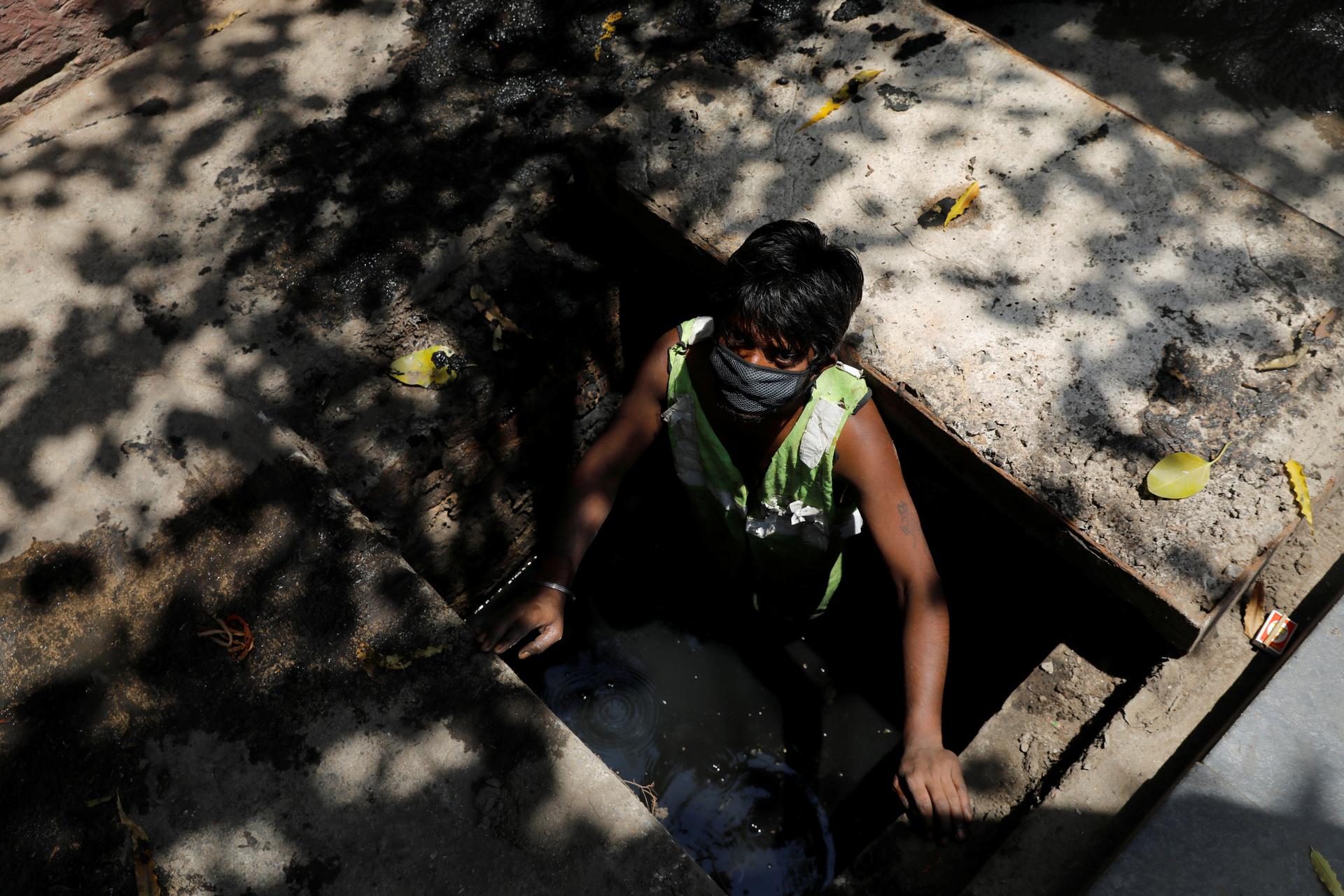
In neighboring India, the government’s climate protection plans miss those who are most at risk, such as sanitation workers who belong to the Dalit caste, according to David Sathuluri, founder of Columbia University's Laboratory on AI, Climate and Society at the Lamont-Doherty Earth Observatory. Removing human waste by hand exposes those workers to toxic gases, a risk that intensifies as temperatures rise.
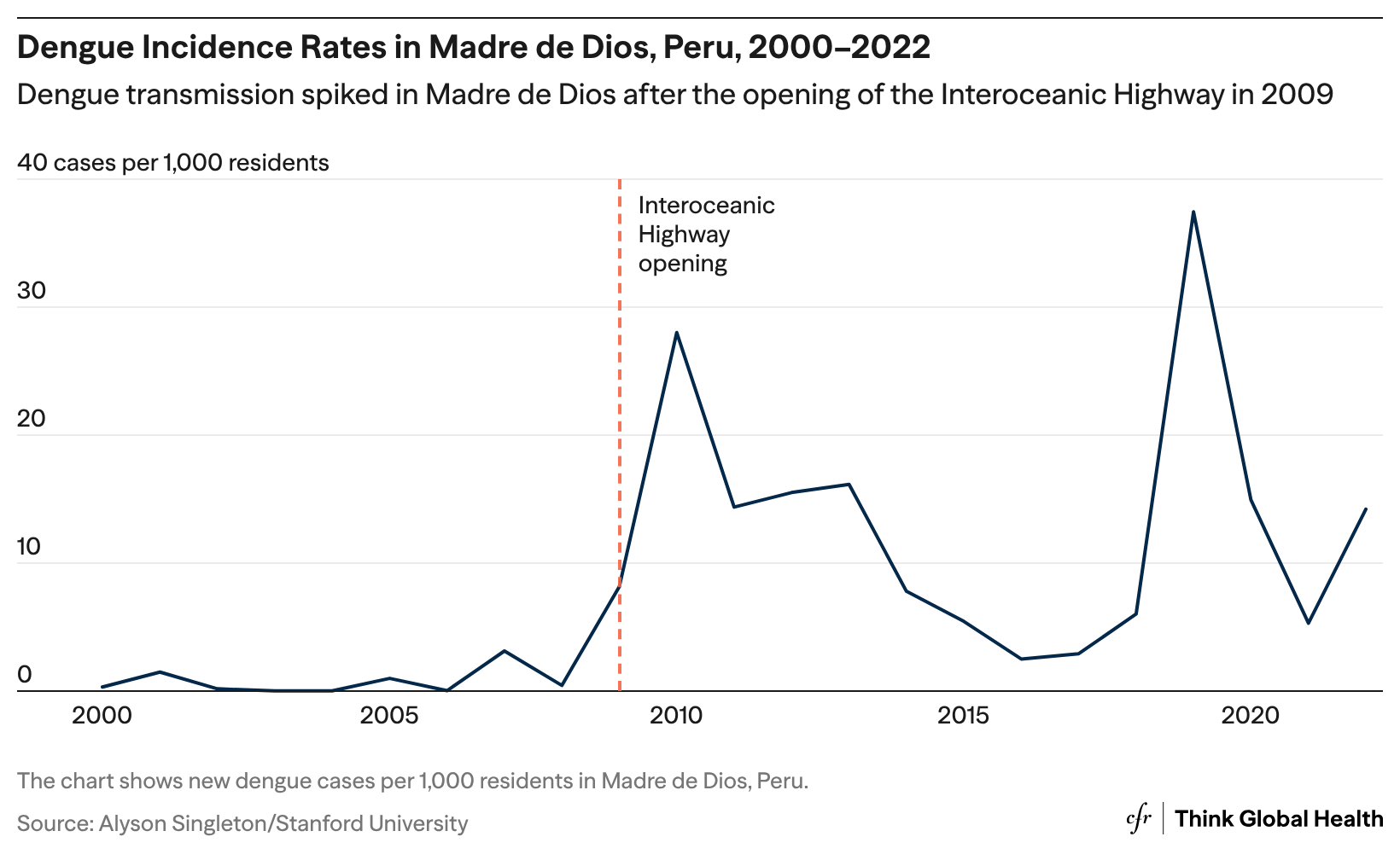
In South America, researchers from the Universidad Peruana Cayetano Heredia and Stanford University found that the construction of the first coast-to-coast highway through the Amazon rainforest caused dengue to surge in Peru, reports Stanford student Kunal Arora.
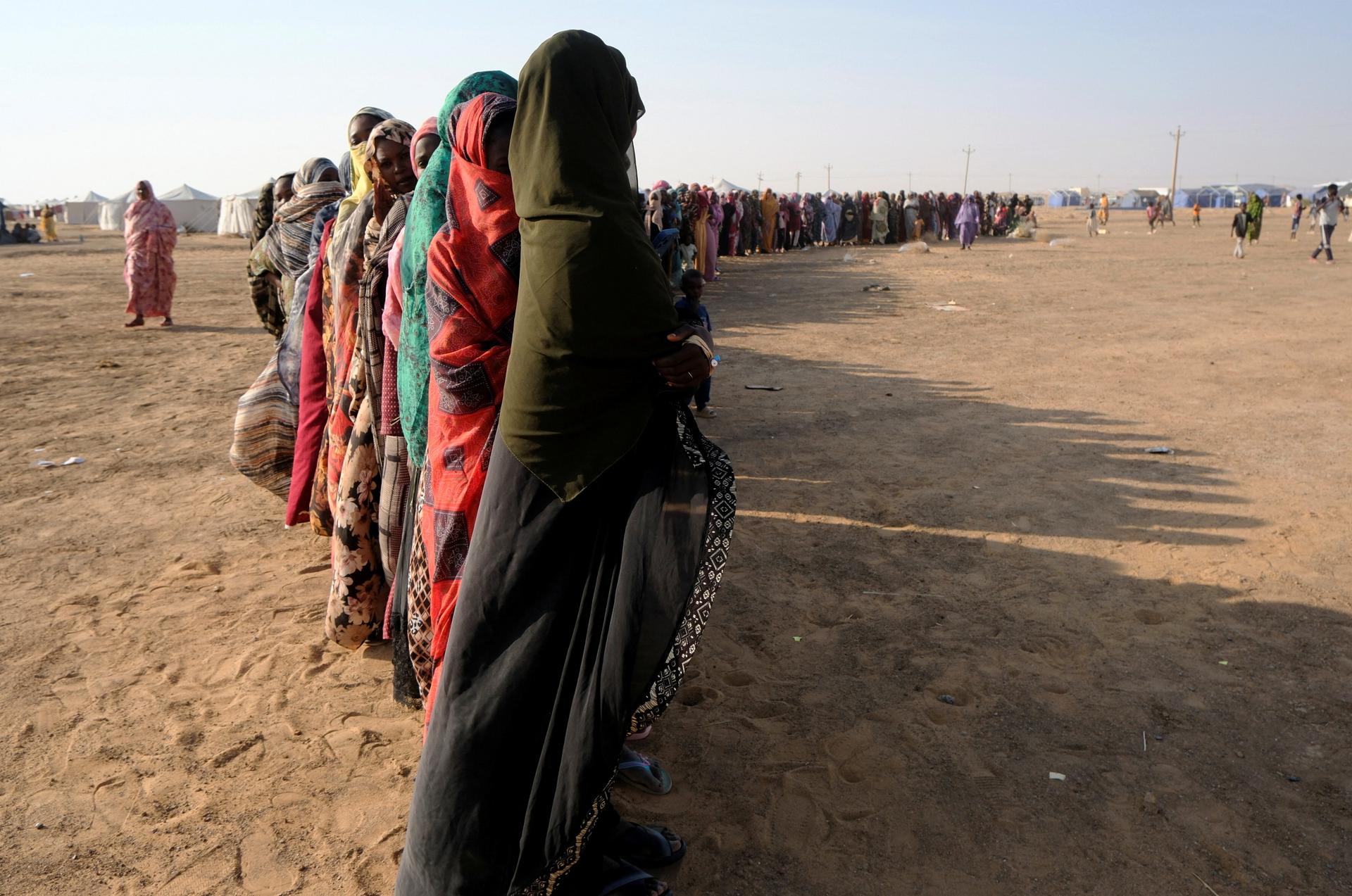
To close, Think Global Health’s Interim Managing Editor Allison Krugman interviewed Sam Vigersky, an international affairs fellow at the Council on Foreign Relations, about what El Niño could mean for food insecurity worldwide amid funding cuts to the humanitarian sector.
Until next week!—Allison Krugman, Interim Managing Editor, Katherine Leach-Kemon, Senior Contributing Editor, and Alejandra Martinez, Research Associate