The twenty-fifth anniversary of 9/11, supply chain risks, and energy efficiency.
Council on Foreign Relations | From the Think Tank

September 17, 2026

Were you forwarded this message? Subscribe to From the Think Tank to receive this newsletter in your inbox.

By Shannon K. O’Neil
Senior Vice President of Studies and Maurice R. Greenberg Chair

I hope you had a pleasant summer, and we are pleased to welcome you back to our newsletter! Each month we share updates from CFR’s think tank, the David Rockefeller Studies Program, and we are excited to kick off another busy program year.


Over the summer our fellows were busy testifying before Congress, releasing new books (see Women in Power by Linda Robinson and the European edition of Germany Rearmed by Liana Fix), producing reports (see our Crisis Response Playbooks), and appearing on major media—all in our continuing effort to contribute meaningfully to the public discourse about the most pressing foreign policy issues facing our nation.


This month, we’re sharing a new report on the sprint to rebuild the American arsenal and the results of a survey about frontier artificial intelligence (AI) capabilities. We’ve also been reflecting on the twenty-fifth anniversary of the 9/11 attacks, marking six months of war with Iran, and thinking about the costs of the trade war with Canada.


We are pleased to welcome some new fellows to CFR: Distinguished Fellow General Keith Kellogg and Senior Fellow Pierre Yared join us from the Trump administration, and Senior Fellow Peter E. Harrell will contribute to the work of our Greenberg Center for Geoeconomics, along with Yared.


And we greeted our latest class of visiting fellows, including Ishaan Tharoor of the New Yorker as our Edward R. Murrow Press Fellow, Captain Taylor Q. Lam of the Coast Guard as a military fellow, Andre Slonopas of U.S. Army Special Operations Command as a technologist in residence, and fourteen others, based in the United States and abroad, who cover a range of regions and areas of inquiry.


Finally, every September CFR hosts many international leaders and ministers during the United Nations General Assembly. Please stay tuned to our website and social media channels for those important conversations. And, as always, please be in touch with any thoughts about our content.


Sincerely,

Shannon


The United States Lacks the Weapons to Confront China. Here’s What to Do About It.

The deck of an aircraft carrier and blue sky.

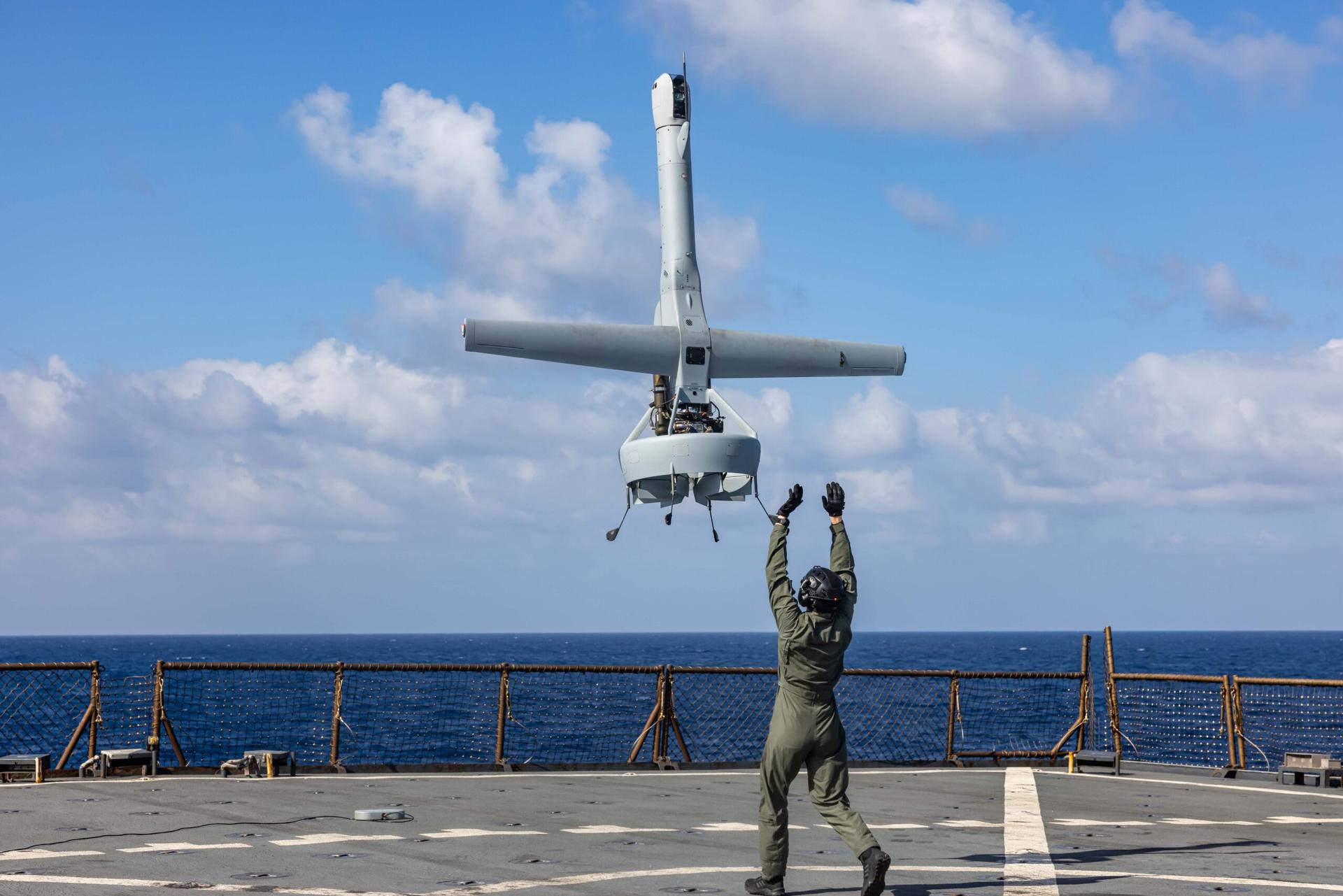
If the United States were forced to go to war with China over Taiwan tomorrow, it would be seriously hamstrung by a depleted weapons arsenal, a state of affairs made even more dire by the Iran war. In “Out of Ammo: A Two-Year Sprint to Rebuild the American Arsenal and Deter China,” Rush Doshi, Erin D. Dumbacher, William Henagan, Michael C. Horowitz, and Samuel Henry Lazarus explore avenues for the Department of Defense to jumpstart production of cheaper, more sustainable military capabilities to restore the American defense industrial base. Read the report

Listen: The Key to Energy Security Is Energy Efficiency

Energy security is quickly becoming one of the most vital aspects of both national security and climate progress. On a new episode of The Spillover, “Beyond ‘Drill, Baby, Drill’: Why Efficiency Is the Real Path to Energy Security,” host Rebecca Patterson speaks to Vijay Vaitheeswaran about the recently announced deal that gives the United States access to wide swaths of Venezuelan oil fields, how AI data centers can become more energy efficient, and what the future of renewable energy looks like in the developing world. Listen to the podcast

The United States Isn’t Ready for the Next Terrorist Attack

The United States sits in the center of a complicated nexus of violent extremism, radicalized youth populations, and increasingly lethal autonomous weaponry, and its counterterrorism infrastructure isn’t sufficient to prevent a major terrorist attack. To mark the twenty-fifth anniversary of 9/11, Bruce Hoffman and Farah Pandith convened a year-long series of discussions with national security experts to discuss where the United States is falling short and what steps it can take to prevent a deadly attack on American soil. Their analysis, “Twenty-Five Years After 9/11, the United States Is Unprepared for Terrorism’s Next Wave,” is sobering. Read more and watch CFR’s special symposium marking the anniversary

Watch: Gang Violence and Humanitarian Crisis in Haiti

In July 2026, the Trump administration ended temporary protected status for hundreds of thousands of Haitian immigrants, and is now preparing to deport them to a country Deputy Chief of Staff for Policy Stephen Miller says is “safe for Haitians.” Sam Vigersky visited Port-au-Prince and found otherwise: armed conflict, government collapse, natural disasters, mass displacement, and looming famine make Haiti a more dangerous place than ever.

Watch
Watch: Gang Violence and Humanitarian Crises in Haiti

Six Months of War and Little to Show for It in Iran

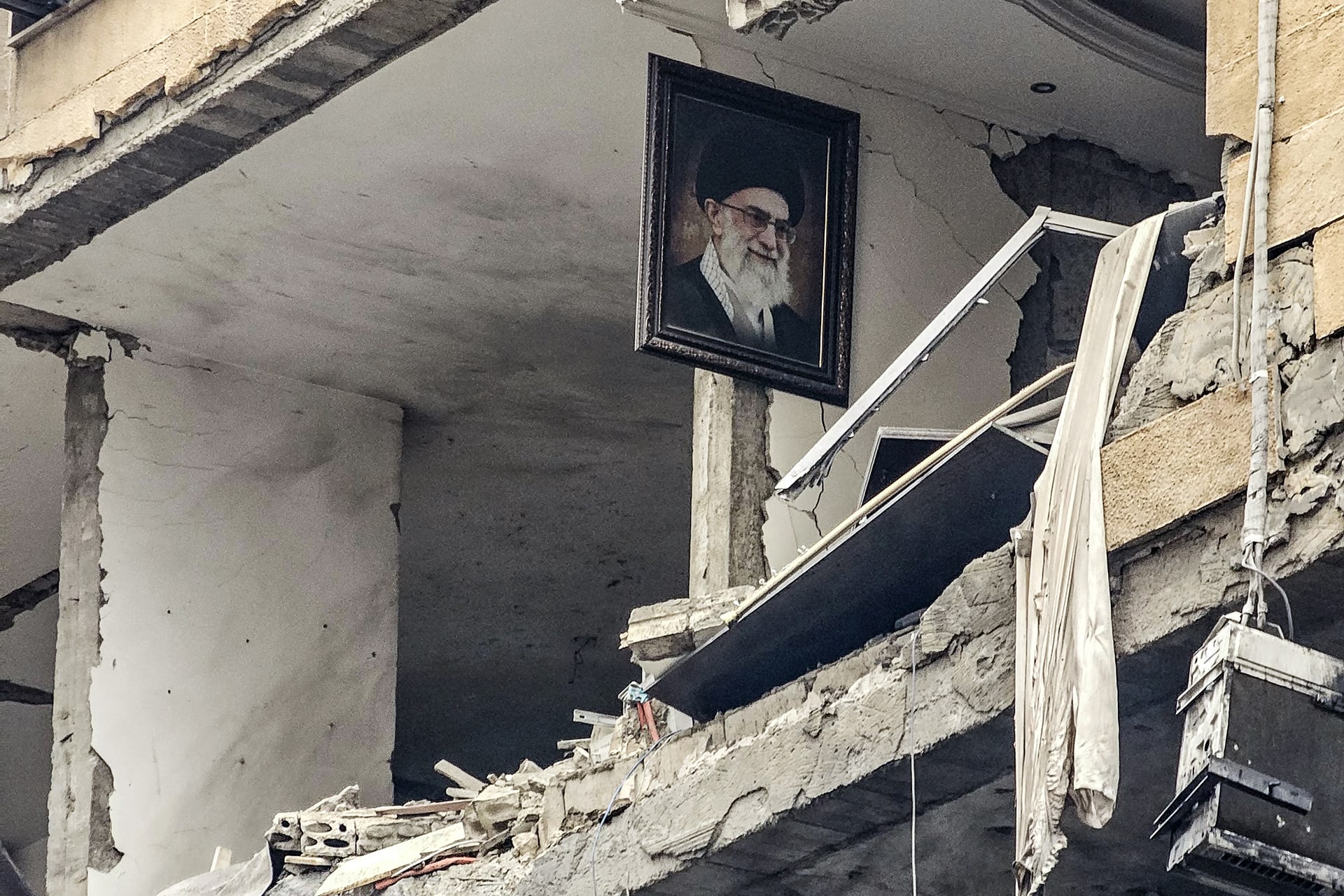
A portrait of Iran’s late Supreme Leader Ayatollah Ali Khamenei, who was killed in the opening salvo of the Iran war on February 28, is seen hanging on the wall of a destroyed building in Haret Hreik, Lebanon, on March 15, 2026. (AFP/Getty) 

In February 2026, the United States and Israel launched Operation Epic Fury against Iran, killing Supreme Leader Ali Khamenei and throwing the Middle East into disarray. In “The Iran War at Six Months: A Region—and Its Relationship With the U.S.—Transformed,” seven CFR experts mark the six-month anniversary of the start of the war by evaluating where the United States goes from here, especially now that a quick victory has failed to materialize. Read the analysis

What New MAGA Voters Think About Foreign Policy

Donald Trump owed much of his victory in 2024 to new constituencies who backed him, including Black, Latino, and Jewish voters. A CFR study group, led by Elliott Abrams, examines the makeup of the MAGA coalition—which also includes longstanding conservative stalwarts such as white evangelicals—and discusses whether it will hold in 2026 and 2028 in “The Trump Coalition: What Do the President’s Voters Think About Foreign Policy?” Read the analysis

The United States Must De-Risk Its Supply Chains Before It’s Too Late

An overhead view shows large machinery at work in a metal mine

Markets alone won’t deliver secure supply chains. In “The Shareholder State: Washington’s Improvised Bet on Critical Minerals,” Heidi E. Crebo-Rediker examines how China’s weaponization of supply chain dominance in critical minerals, rare earths, and permanent magnets is a national security issue for the United States, and lays out how using equity strategically can weaken China’s leverage while keeping markets free but not defenseless. Read more

How to Keep U.S. Infrastructure Safe From Chinese Hacks

Frontier AI models can now find software vulnerabilities in U.S. infrastructure systems faster than defenders can patch them. In “The Cyber Gap: How to Counter China’s Threat to America’s Critical Network,” Matt Ferren, Adam Segal, and Rush Doshi present a strategy to build cyber deterrence to make the United States a far costlier target for its enemies to attack. Read more

A Brave New Artificially Intelligent World

AI is here to stay—the only question is how much it will transform the global order, and whether it is possible to prepare for the upheaval. Jessica Brandt, Adam Segal, Jacob Wentz, and Zoë Moore survey foreign policy experts on how frontier AI capabilities will change governance, civil society, law, and security by 2035 and recommend steps the United States can take to mitigate technological uncertainty in “How Experts Think AI Will Change the Global Balance of Power by 2035.” Explore the responses