The real risk isn't the hike itself, but treating it as an isolated event, says a Columbia economist.
 ͏  ͏  ͏  ͏  ͏  ͏  ͏  ͏  ͏  ͏  ͏  ͏  ͏  ͏  ͏  ͏  ͏  ͏  ͏  ͏  ͏  ͏  ͏  ͏  ͏  ͏  ͏  ͏  ͏  ͏  ͏  ͏  ͏  ͏  ͏  ͏  ͏  ͏  ͏  ͏  ͏  ͏  ͏  ͏  ͏  ͏  ͏  ͏  ͏  ͏  ͏  ͏  ͏  ͏  ͏  ͏  ͏  ͏  ͏  ͏  ͏  ͏  ͏  ͏  ͏  ͏  ͏  ͏  ͏  ͏  ͏  ͏  ͏  ͏  ͏  ͏  ͏  ͏  ͏  ͏  ͏  ͏  ͏  ͏  ͏  ͏  ͏  ͏  ͏  ͏  ͏  ͏  ͏  ͏  ͏  ͏  ͏  ͏  ͏  ͏  ͏  ͏  ͏  ͏  ͏  ͏  ͏  ͏  ͏  ͏  ͏  ͏  ͏  ͏  ͏  ͏  ͏  ͏  ͏  ͏  ͏  ͏  ͏  ͏  ͏  ͏  ͏  ͏  ͏  ͏  ͏  ͏  ͏  ͏  ͏  ͏  ͏  ͏ ­ ­ ­ ­ ­ ­ ­ ­ ­ ­ ­ ­ ­ ­ ­ ­ ­ ­ ­ ­ ­ ­ ­ ­ ­ ­ ­ ­ ­ ­ ­ ­ ­ ­ ­ ­ ­ ­ ­ ­ ­ ­ ­ ­ ­ ­ ­ ­ ­ ­ ­ ­ ­ ­ ­ ­ ­ ­ ­ ­ ­ ­ ­ ­ ­ ­ ­ ­ ­ ­ ­ ­ ­ ­ ­ ­ ­ ­ ­ ­ ­ ­ ­ ­ ­ ­ ­ ­ ­ ­ ­ ­ ­ ­ ­ ­ ­ ­ ­ ­ ­ ­ ­ ­ ­ ­ ­ ­ ­ ­ ­ ­ ­ ­ ­ ­ ­ ­ ­ ­ ­ ­ ­ ­ ­ ­ ­ ­ ­ ­ ­ ­ ­ ­ ­ ­ ­ ­  
Thursday, September 17, 2026
When it comes to rate hikes, CFOs aren’t counting on a ‘one-and-done’

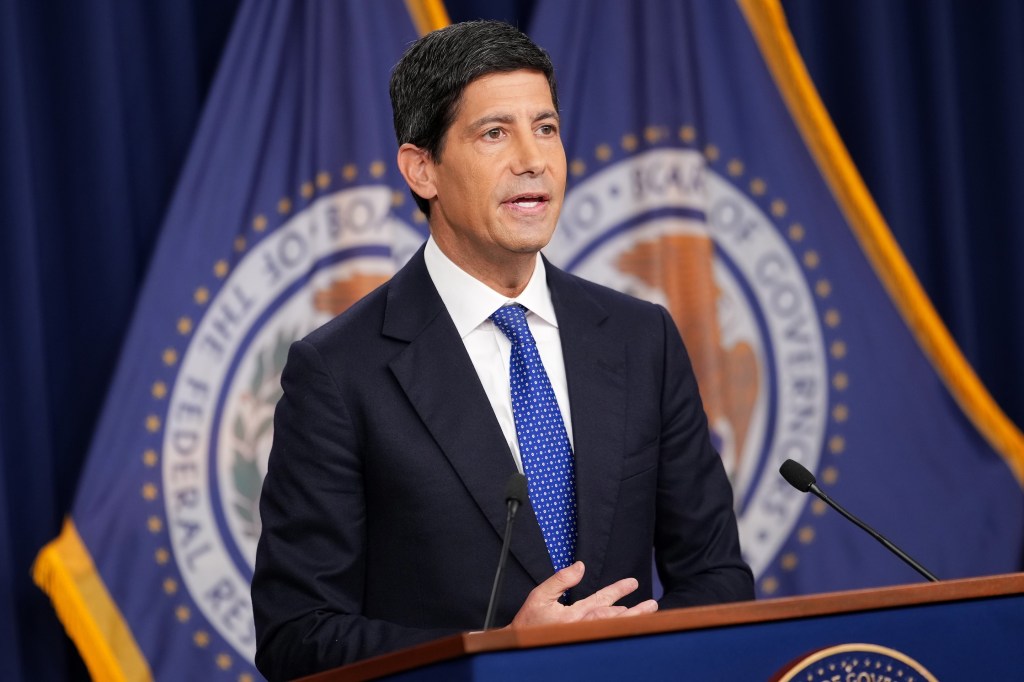
Federal Reserve Chair Kevin Warsh speaks during a news conference following Federal Open Market Committee meetings at Federal Reserve Headquarters on Sept. 16, 2026 in Washington, D.C.
Getty Images
Good morning. The Federal Open Market Committee voted unanimously on Wednesday to raise its benchmark rate a quarter point, to 3.75%-4%, the first hike since July 2023 and the first policy move of Chairman Kevin Warsh’s tenure. The decision put Warsh at odds with President Trump, who has publicly pushed for a rate cut.

The Fed’s updated projections show officials now see the median federal funds rate ending 2026 at 4.1%, up from 3.8% in June, pointing to another hike before year-end. Officials have cited tariffs, an energy shock, and surging AI-related capital spending as inflation drivers. Markets had largely priced in the Fed’s rate hike. Stocks initially reacted modestly but ended lower. Meanwhile, Treasury yields, already near multi-year highs, moved higher following the decision.

I asked Yiming Ma, associate professor of finance at Columbia Business School, what this means for corporate finance chiefs.

Her first point: any floating-rate credit lines or term loans just got more expensive, immediately. But CFOs shouldn’t treat Wednesday as an isolated event. “Usually, when the Fed starts to hike their interest rates, it’s the beginning of an entire cycle,” Ma said, and markets are already pricing in at least one more increase.

Ma’s sharpest advice is on stress testing: model funding costs and production costs together, since they share a root cause. Higher energy prices, driven by geopolitical conflict, push up both inflation and input costs for oil-reliant companies. Firms may need more liquidity just as it gets pricier to hold, while production costs climb too. “It’ll be good to test for joint scenarios,” she said.

She also flags the long end of the curve. Corporate bonds are typically benchmarked to long-term Treasury yields, and the 10-year and 30-year have both risen sharply, meaning CFOs face higher costs on new issuance or refinancing across the entire maturity spectrum.

On the market’s jittery reaction, Ma points to a second, deeper risk: concerns about U.S. debt sustainability, which were already pushing Treasury yields to multi-year highs before this week’s meeting.

That backdrop cuts two ways. The hike could reassure markets that the Fed will act aggressively against inflation. Or it could confirm inflation is genuinely entrenched, amplifying yield pressure already coming from debt worries. “It’s just a very nervous time in markets,” Ma said, describing the dollar as caught between inflation concerns and debt concerns pulling in opposite directions.

The takeaway for finance chiefs: this isn’t a single-hike story. It’s the start of a cycle, layered on an energy shock and a debt-sustainability debate that together are pushing up funding costs across every maturity a company touches.

Sheryl Estrada
Sheryl.Estrada@fortune.com
Leaderboard
Jerry Leonard was appointed CFO of Vyome Holdings (Nasdaq: HIND), effective Sept. 1, succeeding Robert Dickey, who resigned as interim CFO. Leonard will serve on a fractional basis through a consulting agreement between Vyome and ClearBridgeCFO, the fractional CFO firm he founded and leads as CEO. He previously served as CFO and secretary of VSee Health, and held a CFO role at iDoc Telehealth Solutions. Earlier in his career, Leonard held finance leadership roles at Voya Financial, IBM, and Colgate-Palmolive.

Jim Young was appointed chief financial and administrative officer of Zelis, a health care technology company, succeeding Brian Gladden, who is retiring. Young, who has more than 20 years of finance leadership experience, joins from Coalition, Inc., the cybersecurity insurer, where he served as CFO. He previously spent nearly a decade as CFO of Broadridge Financial Solutions, and earlier held senior finance roles at Visa Inc. Gladden and Young will work together through a transition period ending Dec. 31.
Big Deal
Eighty-three percent of executives say their board has made a strategic decision based on a forecast already known to be outdated, with 40% reporting significant business consequences, according to Board's 2026 Planning Intelligence Report. The findings are based on a survey of 300 CFOs, CIOs, and COOs at companies with at least $100 million in annual revenue.

While 85% report rising pressure to make faster decisions, only 27% say they can re-plan in real time, and three-quarters rely on data more than 30 days old for roughly half or more of their planning decisions. Another finding is that more than half (59%) say their AI investment exceeds the value it currently delivers, yet 92% of that group still plan to increase spending over the next year. Meanwhile, 21% admit their organizations present a rosier picture of AI performance to boards and investors than reality supports. 
Going deeper
"Can the AI spending boom pay off?" is the topic of an episode of Morgan Stanley's Thoughts on the Market podcast. Big Tech is pouring more than $1.4 trillion into AI, prompting investors to ask: Is it worth it? U.S. internet analyst Brian Nowak discusses three business models that could earn 25% to 50% returns for generative AI-enabled technologies.
Overheard
"My view is that trust and alignment are quickly becoming the most important capabilities that will differentiate agents and models. Any lab that doesn't focus on alignment will fall behind."

—Meta CEO Mark Zuckerberg wrote in an X post on Tuesday, regarding the debate about slowing progress on AI capabilities until alignment catches up.