| | ‘Concerning’ new AI incidents, limits emerge to an EU-Canada alliance, and China’s role in the Middl͏ ͏ ͏ ͏ ͏ ͏ |
| |  Brussels Brussels | Caracas |  Pretoria Pretoria |
 | Flagship |  |
| |
|
The World Today | 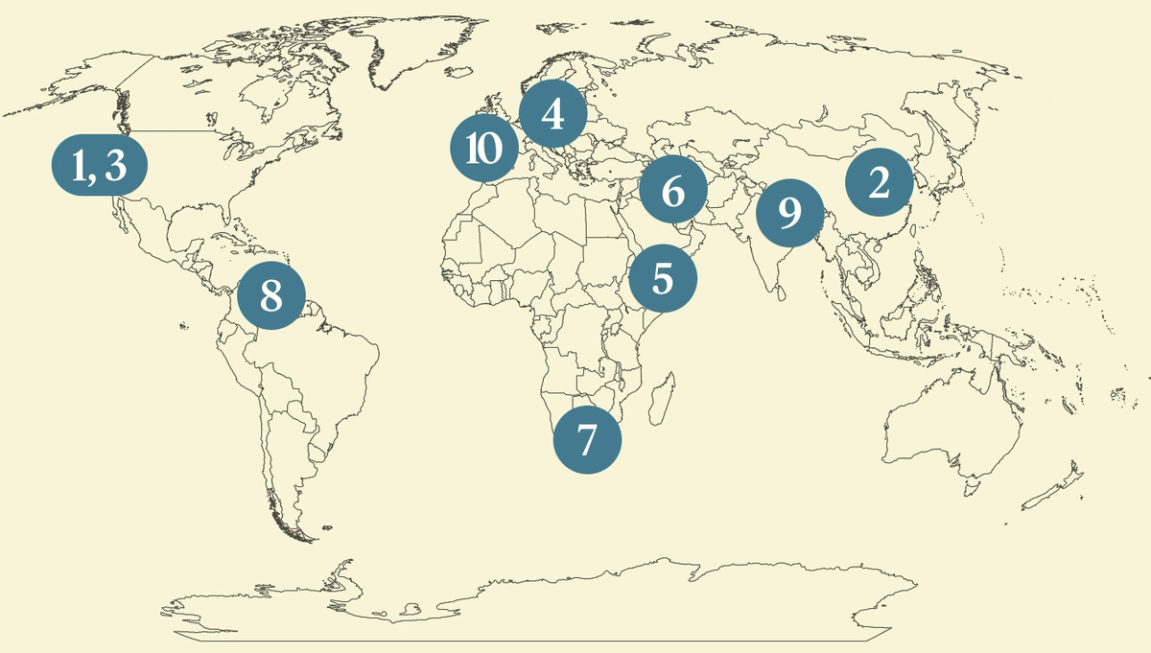 - ‘Concerning’ new AI moves
- US-China hopes downbeat
- Challenges to AI buildout
- Limits to EU-Canada tie-up
- China’s Middle East role
- Mounting US war costs
- US hits out at S. Africa
- Exxon’s Venezuela push
- Climate change’s costs
- Pressure on French food
 A recommendation for a documentary showcasing remarkable courage in defiance of an occupier. |
|
Fresh ‘concerning’ AI incidents |
 Carlos Barria/Reuters Carlos Barria/ReutersNew incidents of “unexpected or concerning” AI model behavior fueled worries over the technology’s impact, though it remains unclear whether regulation is imminent. The latest revelations by OpenAI follow recent calls by its CEO and fellow leading AI labs Anthropic and DeepMind to “pace the frontier”; Yoshua Bengio, seen as one of the founders of the technology, told AFP that humanity was “losing control” of AI and should urgently impose guardrails. A bipartisan AI safety bill in the US Congress is “showing some signs of life,” Semafor’s politics team reported, but President Donald Trump has shown little enthusiasm for any such regulations — despite what The Wall Street Journal characterized as a “quiet freakout among some of his most senior aides.” |
|
Hopes dim for US-China talks |
 Tingshu Wang/Reuters Tingshu Wang/ReutersAnalysts voiced skepticism that the US and China would agree on AI regulation — or, indeed, any broad-ranging détente during next week’s leaders’ summit. The US Treasury secretary told Axios he was open to discussing “shared risks” on AI with Beijing at talks this weekend ahead of the summit. “Bitter rivals have come together to curb threats to humanity in the past,” The Economist acknowledged, but noted that the superpowers and their AI labs harbored deep mistrust of one another. Writing in Foreign Affairs, a leading China analyst was similarly downbeat: “In the past, the United States and China achieved breakthroughs when conditions were just right and leaders with great diplomatic acuity were in charge. The circumstances today are less favorable.” |
|
Trump threatens EU on Canada |
 Nathan Howard/Reuters Nathan Howard/ReutersUS President Donald Trump threatened “very serious tariffs” on the EU if it pushed forward with deepening trade ties with Canada, the latest sign of the growing rift between erstwhile allies. Ottawa and Brussels are vying to position themselves as enclaves of stability amid the global upheaval sparked by Washington’s threats against historic friends and foes, with Canada’s prime minister due to address the European Parliament today. But challenges to their alliance abound: European capitals have expressed reservations about the potential deal with Ottawa, wary of angering Trump, and Canada remains heavily reliant on the US for the vast majority of its trade, meaning any substantive pivot away from the world’s biggest economy could take decades to materialize. |
|
Chinese missile used in Yemen |
 Houthi Military Media/Handout via Reuters Houthi Military Media/Handout via ReutersDebris that appeared to be from a Chinese ballistic missile found in Yemen pointed to the growing use of Beijing’s military hardware in conflicts far afield, which may raise worries in the US. No previous sales of the Dongfeng missile, a version of which was discovered in Yemen, have been confirmed in the Middle East. But Saudi Arabia, which secretly acquired an earlier version of such a system, may have used it against the Houthis, according to the South China Morning Post. That may be particularly troubling to Washington, where intelligence officials have already voiced concern that a potential advanced fighter jet sale to Saudi Arabia risks the technology being transferred to China, The New York Times reported. |
|
US counts costs of Iran war |
|
US targets S. African officials |
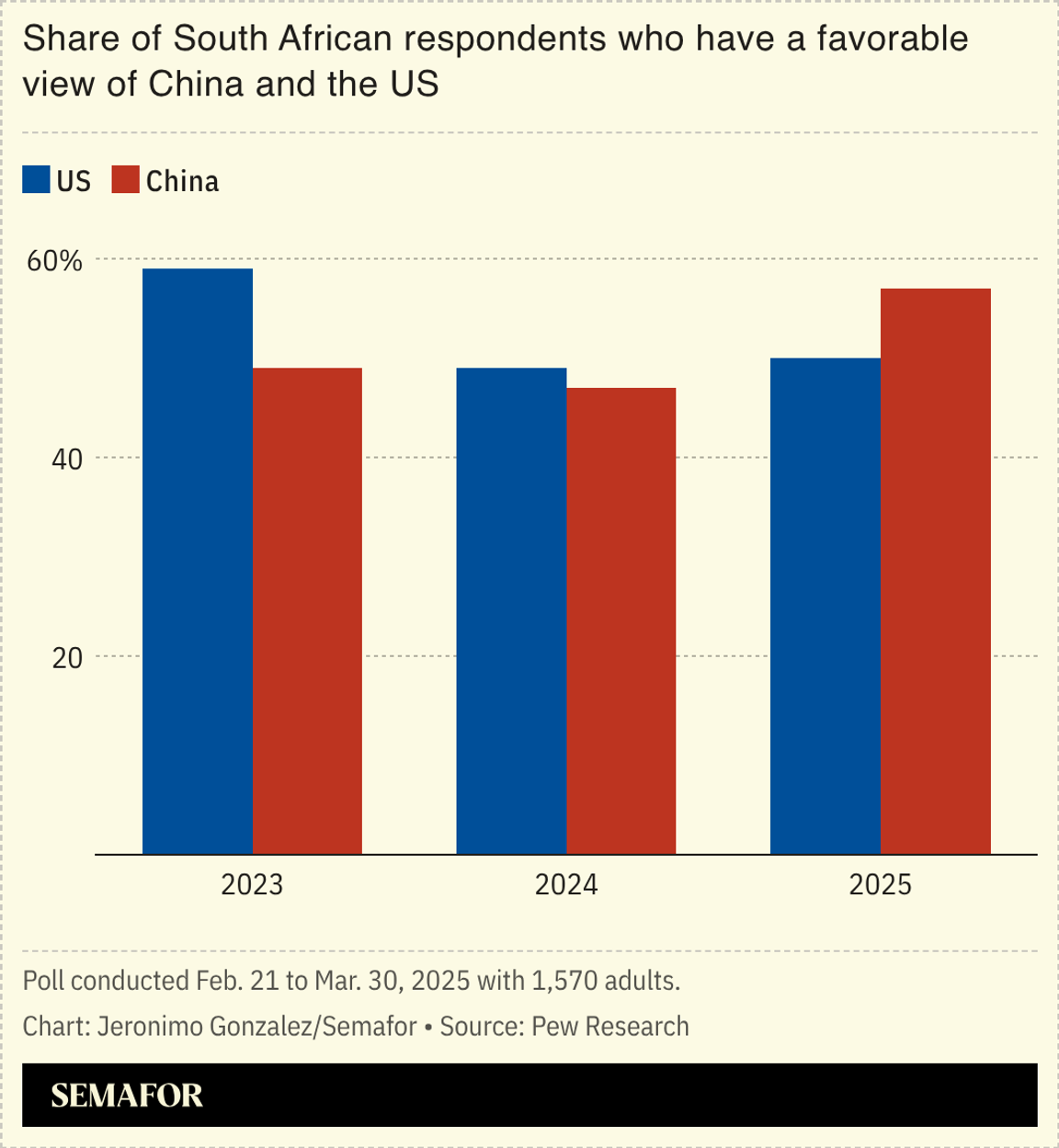 Pretoria hit back at Washington after the US imposed visa restrictions on South African officials for what it alleges are discriminatory practices against the African country’s white population. US President Donald Trump has repeatedly leveled unsubstantiated accusations of a white genocide taking place in South Africa, imposing tariffs on the country and offering asylum for Afrikaners. For context, incomes of white South Africans are close to those of Denmark, while Black people’s earnings in the country are akin to those of Bangladesh. Washington wants to increase the US presence across Africa in the face of rising competition with China for control over the continent’s resources. However, experts argue US antagonism towards Pretoria will push Africa’s biggest economy closer to Beijing. |
|
 Redefining what’s newsworthy. The news isn’t all doom and gloom, and Nice News is proof of that. The free, daily newsletter delivers uplifting, interesting, and curiosity-driven stories that help readers view the world through a more optimistic lens. Subscribe to Nice News. |
|
Exxon nears Venezuela deal |
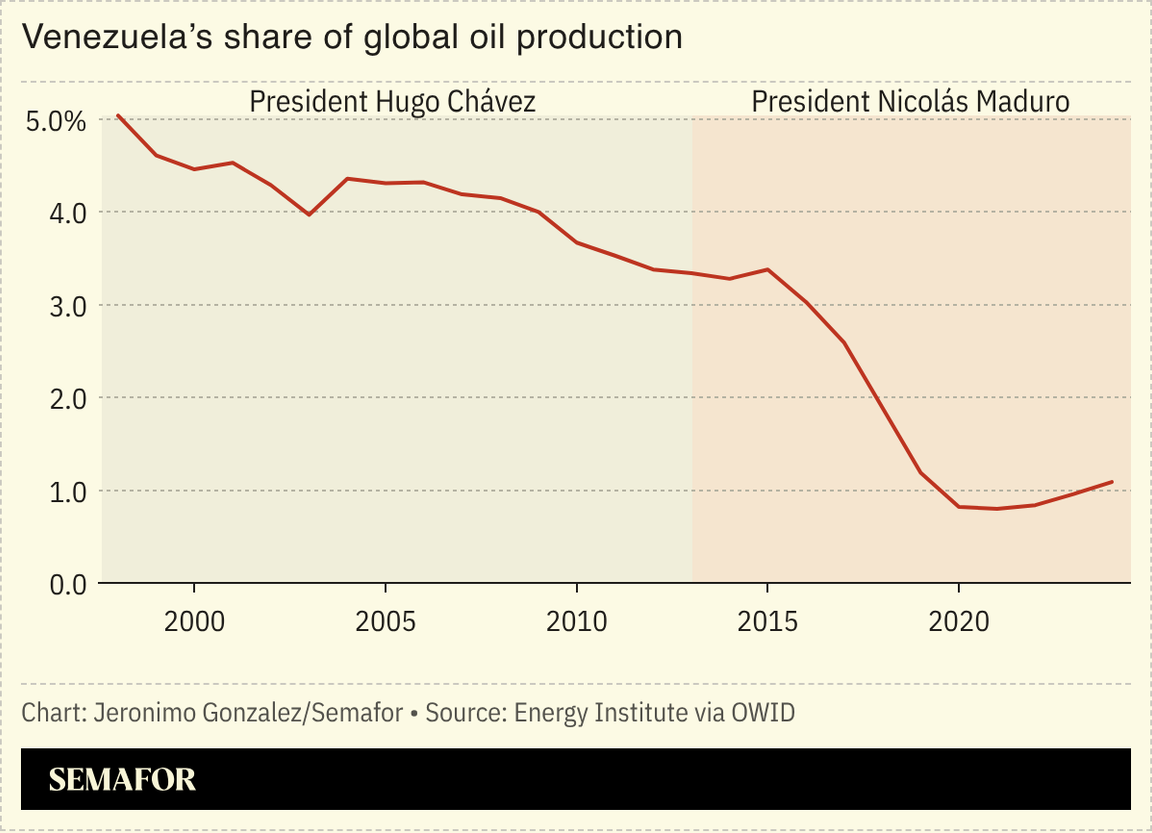 Exxon is reportedly nearing a deal to invest in Venezuela two decades after exiting the country, a move that could revamp oil production in the de facto US protectorate. Under the agreement, the Texan firm would partner with state-owned Petróleos de Venezuela to invest in fields containing as many as 50 billion barrels of crude. Since taking effective control over the country, Washington has prioritized boosting oil production as it vies to tame soaring international energy prices sparked by the Iran war. However, the expected investment rush has failed to materialize, pushing the Trump administration to play a more direct role. Though Venezuela’s output has risen in recent months, experts believe getting back to pre-Chavista levels could take years. |
|
Nepal landslides killed 1,400 |
 < < |
|
|


