A look at the day ahead in European and global markets |
|
|
|
By Stella Qiu, Australia Economics & Markets Correspondent |
|
|
|
Turns out the guy Trump hired to cut interest rates just raised them instead. Kevin Warsh delivered the Fed's first hike in more than three years, and did it in lock step with his colleagues – a united front presumably designed to show markets that the bank still has the upper hand on inflation and its independence.
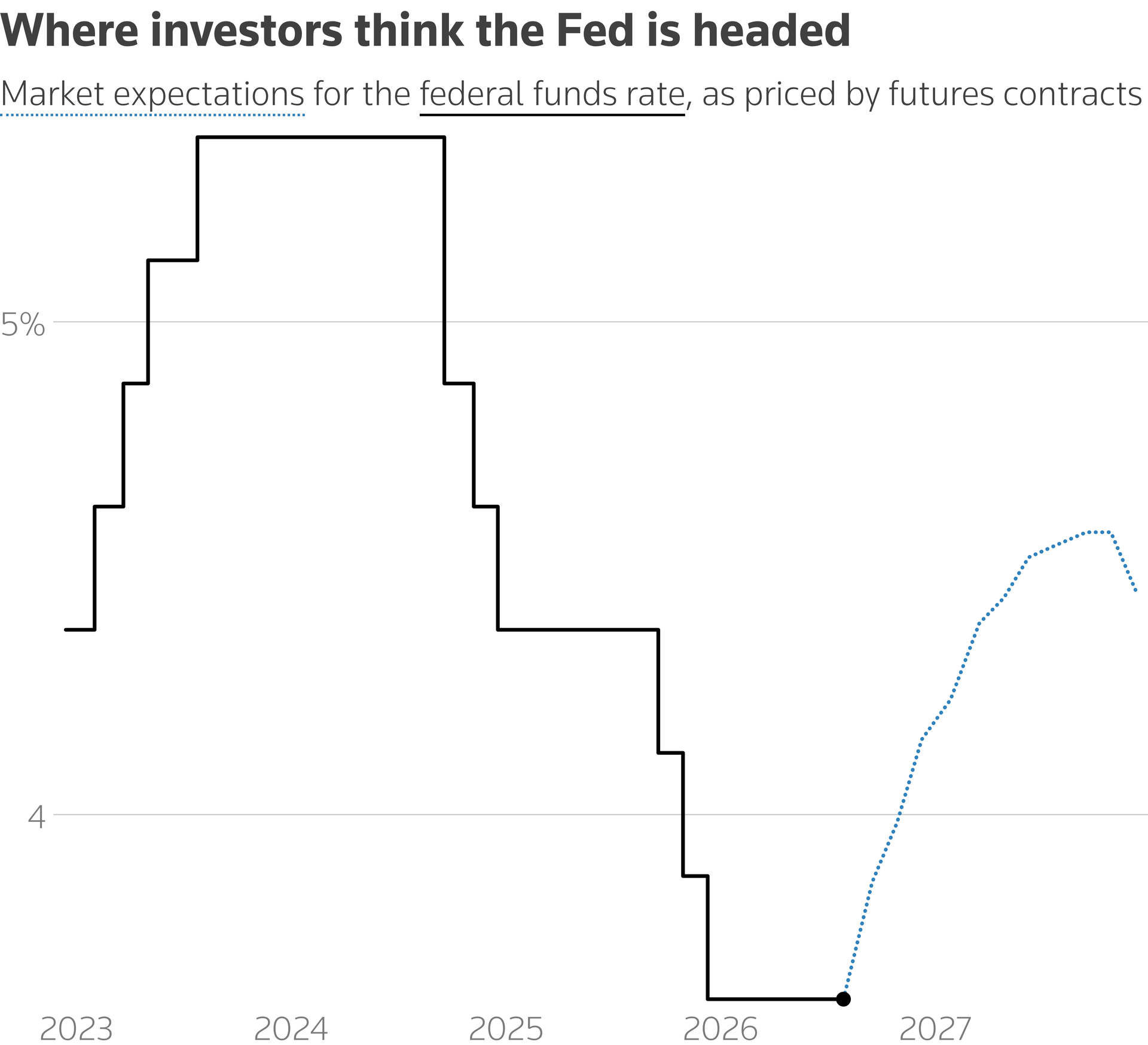
Just as after the Fed's last rate decision, Warsh didn't provide forward guidance, insisting he wouldn't fixate on any single data point. However, markets know well that hikes are like cockroaches - if you see one, there are probably more behind the wall. |
|
|
|
Federal Reserve Chairman Kevin Warsh holds a press conference following a two-day meeting of the Federal Open Market Committee (FOMC) at the Federal Reserve in Washington, D.C., U.S. September 16, 2026. REUTERS/Evan Vucci |
Futures are pricing in three more hikes even though the dot plot pencilled just one this year. Goldman Sachs wasted no time in calling for a follow up move in October, arguing it was natural to deliver consecutive hikes to support a "timelier" return to the Federal Reserve's 2% inflation target.
The Fed's hike cranks up pressure on every other central bank, starting with the Bank of England today. Market watchers expect the BoE to hold steady, but the board is likely to split again so every syllable will be parsed for any hawkish hints that sticky energy prices could force its hand into a November hike. The Bank of Japan is all but certain to lift its rate on Friday. And if you look around the world, the market assumes central banks in the U.S., Europe, Britain, Australia and New Zealand will all have to tighten policy again by the end of the year. |
Graphics are produced by Reuters |
|
|
|
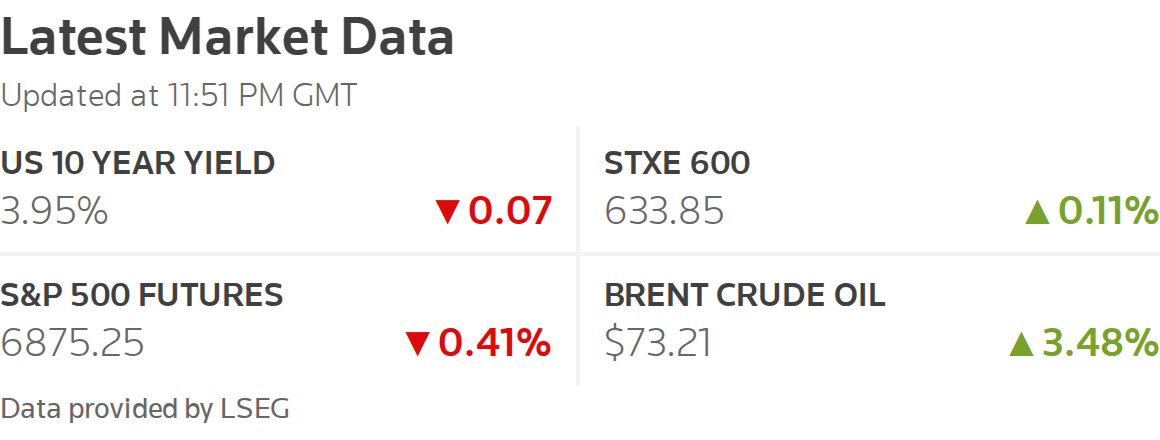
As Warsh talked, short-term Treasury yields shot up to their highest since mid-2024, lifting the dollar to seven-week highs. Longer-dated bonds actually found relief in the Fed rediscovering its inflation-fighting religion, with the benchmark 10-year yield hovering below the critical 5% level.
That offered relief to stocks in Asia, with most share markets catching a bid. European bourses are set for a 0.5% rise at open, while Nasdaq futures lifted 0.6% and S&P futures added 0.5%. How long the calm lasts is anyone's guess. The world is adjusting to an era of recurring supply shock, where inflation is running hotter than central banks would like and interest rates higher than investors had counted on. |
|
|
|
Key developments that could influence markets on Thursday: |
- The Bank of England interest rate decision
- Final Eurozone CPI figures for August
- U.S. weekly jobless claims
|
|
|
|
Opinions expressed are those of the author. They do not reflect the views of Reuters News, which, under the Trust Principles, is committed to integrity, independence, and freedom from bias.
|
|
|
|
| |
|
|
|
Morning Bid is sent every weekday morning. Think your friend or colleague should know about us? Forward this newsletter to them. They can also sign up here.
Want to stop receiving this email? Unsubscribe here. To manage which newsletters you're signed up for, click here.
This email includes limited tracking for Reuters to understand whether you’ve engaged with its contents. For more information on how we process your personal information and your rights, please see our | | | |
|
|
|