By Ross Kerber, U.S. Sustainable Business Correspondent
When I got in touch with Oxford professor Robert Eccles, I only meant to ask him about his Substack essay on the "frenemyship" between Nebraska's top leaders and the accounting firm Deloitte. But with Bob there's always more to say, which you can read about in our conversation below or hear via the audio link.
This week I'm also including links to our coverage of the likelihood of new deep-sea mining and a good rundown of the role of China's state oil companies.
Launched today: our new Reuters Misinformation Monitor — a weekly newsletter roundup of global misinformation narratives from the Reuters Fact Check team. Plus a "Real or Fake?" quiz.
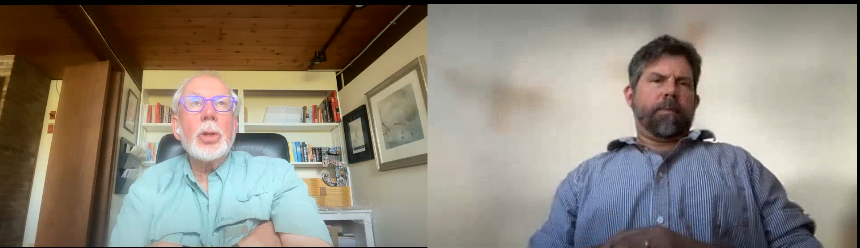
A screenshot from my video Q&A with Oxford's Robert Eccles, on Sept 10, 2026
Oxford professor Eccles says AI can help end the ESG wars
Putting sustainability data to use has long been a goal of Robert Eccles, a visiting professor of management at the University of Oxford’s Said Business School.
He's also the co-author, with Columbia's Shivaram Rajgopal, of a new book on how to map financial sustainability details to specific line items in corporate documents like income and cash flow statements and balance sheets.
The title, "Making Sustainability Financially Relevant: A Man/Machine Collaboration" nods at how the two used artificial intelligence to zero in on key report details and slash from 100 to 30 the number of hours an expert would need to estimate the financial consequences of the material risks facing a company. (AI advances have probably slashed that number down to around three hours since the book was finishedin the spring, Rajgopal told me.)
You can click on the button below to read our Q&A in my column this week - and don't miss the aside on Bob Dylan and AI. Or click here if you want the unabridged audio version where we also talk weightlifting.
Cheesy but you get the point: a miniature of robot and toy hand are pictured in this illustration taken December 14, 2023. REUTERS/Dado Ruvic/Illustration
Company news
As AI companies seek antitrust exemptions while also lobbying for new regulations, "everyone should be deeply suspicious," said the chairman of the U.S. Federal Trade Commission.
Permits to mine the deep sea could come from President Donald Trump's administration within months, said Interior Secretary Doug Burgum. Environmentalists worry the operations could cause irreversible biodiversity loss.
Online music distributor DistroKid infringed copyrights by "flooding platforms with AI-generated slop," Universal Music Group alleged in a suit.
On my radar
Nuveen said it launched the first impact-focused bond ETF under the ticker NUIB. "The strategy is designed to complement and enhance existing core bond allocations while helping shape a more sustainable future," said Steve Liberatore, Nuveen's Head of ESG/Impact for Global Fixed Income.
A new study by Sustainable Brands, a network of sustainability professionals, and by global communications agency FINN Partners found big majorities of younger "Gen Z" workers and wealthier people said they were optimistic about the impact that AI would have on their lives, compared to less than half of Baby Boomers and lower-income respondents.
Oil companies in open societies have more freedom to maneuver but our recent EXPLAINER piece shows how strategic actions by China's big state oil companies helped soften the blow of Middle East shipping closures.
Sponsors are not involved in the creation of newsletters or other Reuters news content.