|
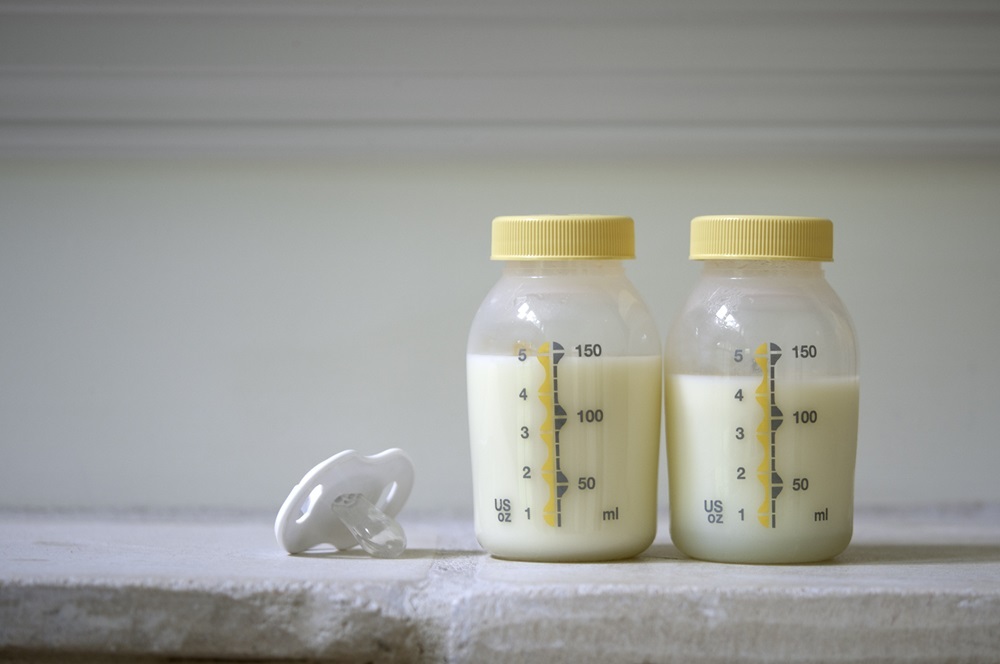
2 bottles of pumped breastmilk. (Getty stock photo)
Providing a Scientific Foundation for Assessing Nutrients in Human Milk
In an ideal world, infants who receive breastmilk would obtain the exact nutrients required for healthy growth. Knowing the amount of nutrients in human milk would enable health professionals to confidently assess a mother’s milk quality, and her nutritional status during lactation. This would also provide guidance for programs that determine the need for nutrient supplements during lactation.
Unfortunately, today’s health providers have limited and inconsistent data about a mother’s milk composition. This stems from unclear collection methods, lack of long‑term studies, and unknown effects of maternal diet, according to ARS scientists at the Western Human Nutrition Center in the Obesity and Metabolism Research Unit at Davis, CA. Learn more...
The Agricultural Research Service is the U.S. Department of Agriculture's chief scientific in-house research agency. Daily, ARS focuses on solutions to agricultural problems affecting America. Each dollar invested in agricultural research results in $20 of economic impact.
|