Across Europe, the startup Lassie is a household name. It provides—you guessed it—pet insurance for dogs and cats in Germany, France, the U.K., and its home country of Sweden. Lassie is one of the fastest-growing tech companies in Europe, winning pet owners through what it calls a “preventative” insurance model, with rewards that keep people engaging with its app not only when things go wrong. It closed a $75 million
Series C round earlier this year and is up to $100 million in annual revenue.
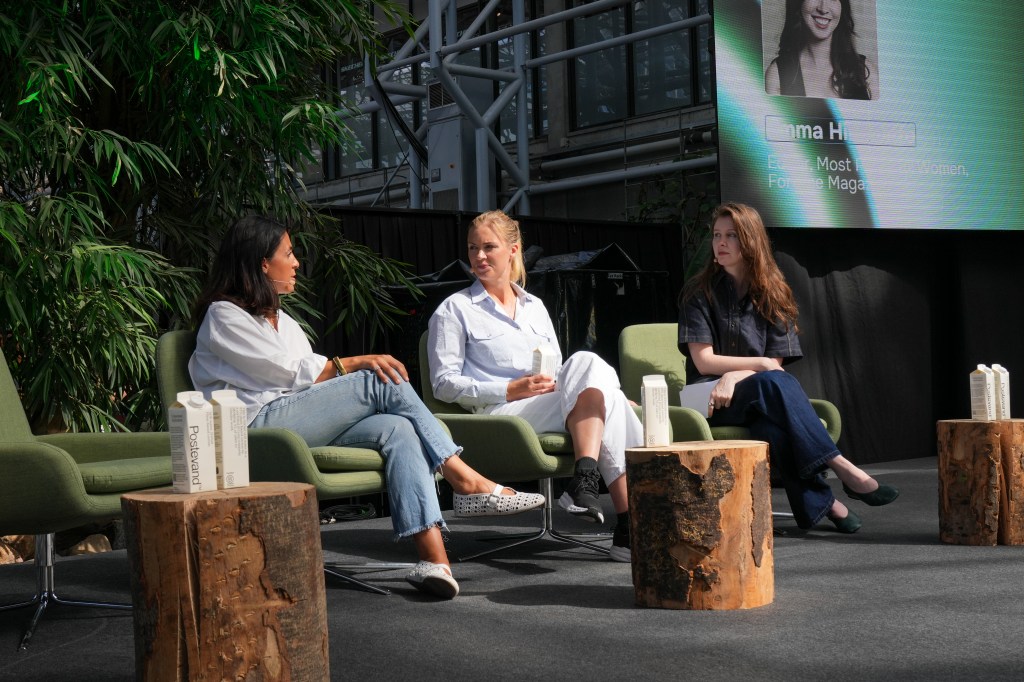
Running the company is cofounder and CEO Hedda Båverud Olsson. I recently interviewed Olsson onstage at TechBBQ, a major tech conference in Copenhagen. We were in front of an audience that was familiar with Lassie and wanted to know more about where the company is going next—and how Olsson got to this point. She was joined by Tatiana Shalalvand, an early-stage investor at the firm Kinnevik, which has backed Spring Health, Cityblock and more companies across Europe and the U.S.
With AI dominating not just tech gatherings, but the world, Olsson makes the argument that building (and even fundraising) in another category right now can be an advantage. Many early-stage AI companies see huge potential and investor interest, but they also run a huge risk going up against the big dogs (no pun intended). “We will never be out-competed,” she argues. “There will never be OpenAI coming in to do pet insurance.”
The other hot topic of the day was the complexities across Europe that influence how some companies choose to scale. Lassie, for example, has not gone into its neighboring countries in the Nordics, instead choosing the bigger markets of Germany and the U.K., because the regulatory requirements are just as high for each country. The flip side, though, is that European founders are the experts in how to navigate their complex region—and American companies that try to enter the market often underestimate the difficulty, argues Shalalvand.
Of course, cultures differ across borders too, affecting what customers want to see in their version of the Lassie app. The overall trend in pet ownership is millennials treating their pet as a member of their family (and spending on products like insurance as a result), but what kind of family member? In Germany, the U.K. (and the U.S.), it’s a child—but in France, Olsson can report, your pet is more like your friend. You love them, but you’re not going to rearrange your whole life around them.
Emma Hinchliffeemma.hinchliffe@fortune.comThe Most Powerful Women Daily newsletter is Fortune’
s daily briefing for and about the women leading the business world. Subscribe here.