| | In tonight’s edition: a big hire in the ‘Pod Save America’ universe, Hollywood’s quiet AI reversal, ͏ ͏ ͏ ͏ ͏ ͏ |
| |  | Media |  |
| |
|
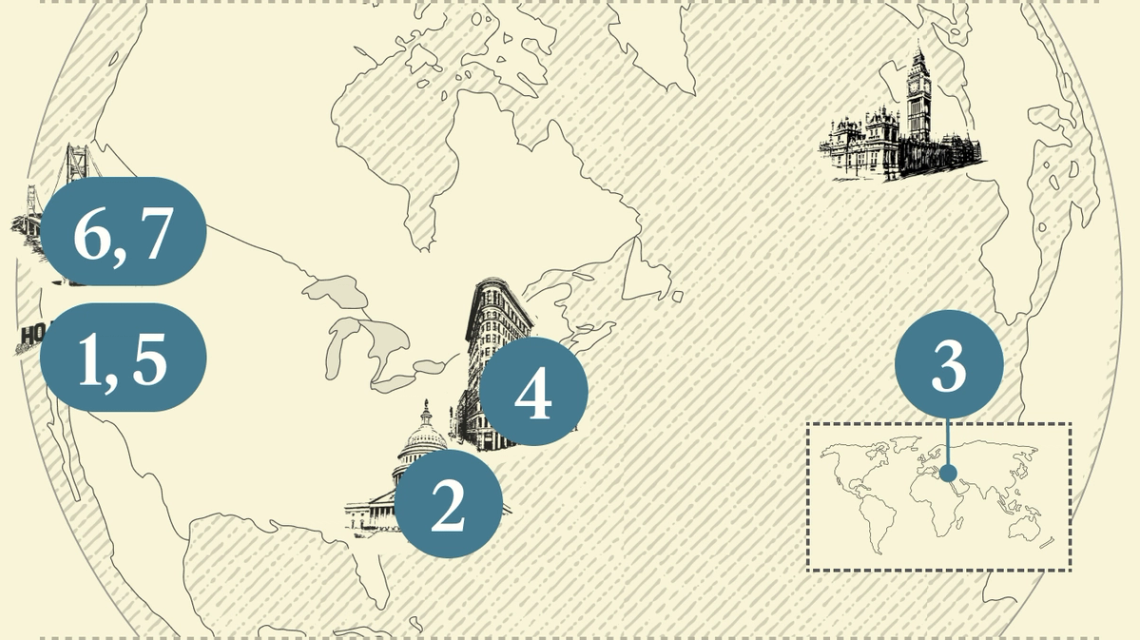 - Marketplace of ideas
- War reporting
- …or lack thereof
- Mixed Signals
- AI in Hollywood
- ToS violations
- Phone addiction
|
|
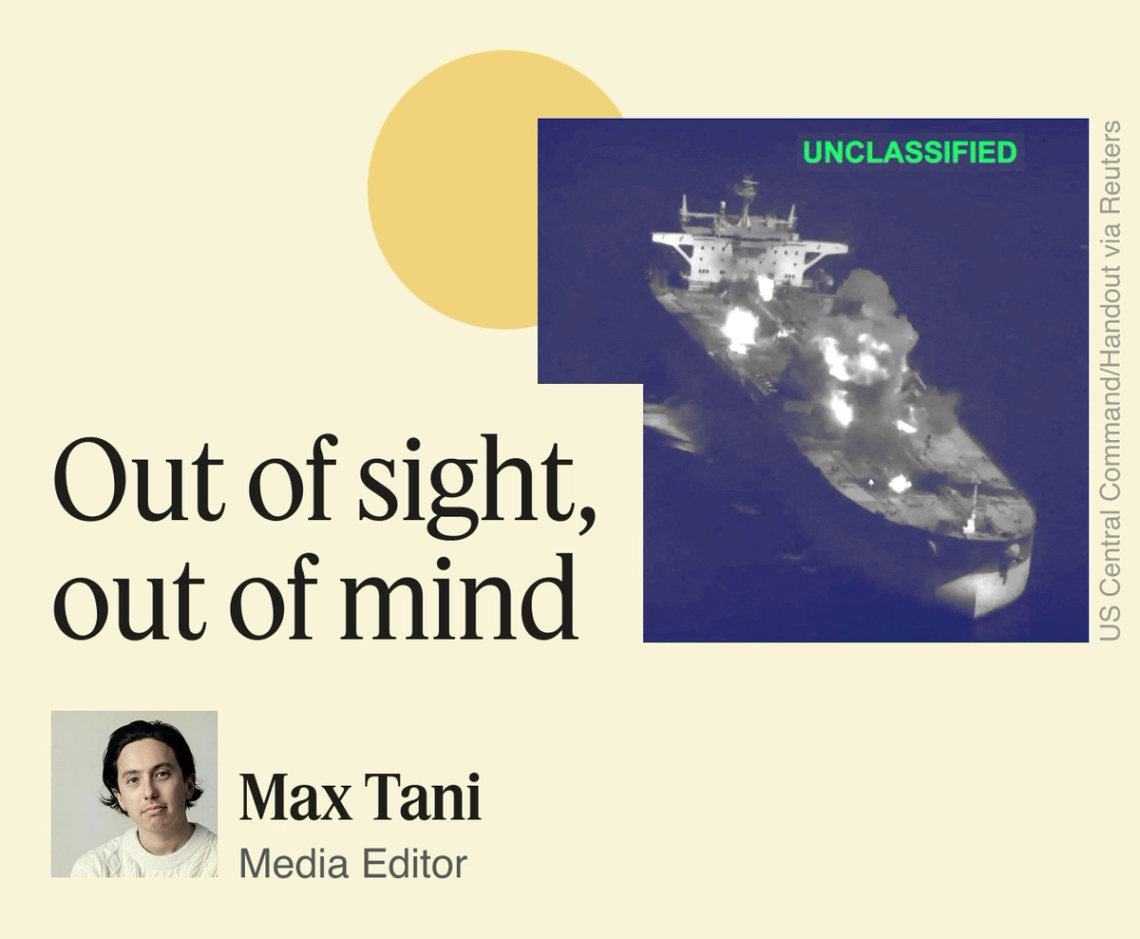 Americans have been fighting increasingly visible wars since television brought Vietnam into their living rooms. But in the era of ubiquitous information, it’s striking how little we are actually seeing of the Iran war, now entering its seventh month of sporadic conflict. The early days of the war were well-documented. But in the months since, footage — whether of battle damage in Iran or in the Gulf, or of civilian casualties — has become scarcer. Part of this is the nature of the conflict, which is being fought at a distance with airstrikes, drones, and rockets. But there is a deliberate campaign by many of the places closest to the war to keep people from documenting it. In today’s newsletter, Ben reports on the crackdown on information coming out of the Gulf and the difficulties faced by those trying to report on the war. A new generation of Western-aligned militaries have begun to keep the news media locked out, war reporter Wesley Morgan argues. Despite embarrassing leaks by the family members of tired US soldiers, the Pentagon has also successfully shaped the war’s visual narrative through its own counterprogramming. Last week, CENTCOM released videos of the US military striking Iranian ships, part of its regular distribution of highlight reel-style footage of strikes, which is often picked up by conservative media and amplified among sympathetic outlets like Fox News. None of this has helped turn American public perception in favor of the war, which remains unpopular. But in an age of algorithmic short-form video, the US and its allies in the Gulf are trying to keep the conflict out of voters’ feeds and off their minds. Also today: a big hire in the Pod Save America universe, Hollywood’s quiet AI reversal, and YouTube’s culling of slop accounts. |
|
Crooked Media’s new political creator drive |
 Crooked Media; Screenshot/TikTok/Crooked Ideas Crooked Media; Screenshot/TikTok/Crooked IdeasCrooked Ideas, the issue-focused nonprofit partner of Pod Save America producer Crooked Media, is launching new programming and brands aimed at reaching young Americans alienated by mainstream politics. The effort, which aims to support creators with existing followings and grow up-and-coming stars, will experiment with video formats like fast-paced street investigations in the style of conservative YouTuber Nick Shirley and short-form video comedy. The organization is bringing on Kyle Tharp — a progressive digital strategist whose newsletter, Chaotic Era, has become a must-read in political new media and advertising circles — to serve as executive director of the initiative. Tharp told Semafor in an email that the organization planned to focus on entertaining content about issues that Americans under 30 care about, including AI safety and tech accountability, “enshittification,” climate change, healthcare, and income inequality. “While the left-of-center media ecosystem has grown significantly over the past year, most of those audience gains have primarily come from older, highly-engaged audiences, and from outlets or creators deploying very similar, hyper-political formats to quickly monetize,” Tharp said. “There is a large gap in terms of values-driven media projects reaching younger audiences with non-preachy content. I think philanthropic-backed efforts like Crooked Ideas can and should play a role in filling that void.” |
|
 Donald Rumsfeld in 2006. Chad J. McNeeley via Defense Department Donald Rumsfeld in 2006. Chad J. McNeeley via Defense DepartmentAs the relationship between the Pentagon and journalists hits new lows, Morgan reflected on the show ChinaTalk about the glory days of military transparency in the first decade of the 21st century. “I showed up to Baghdad in 2007 as a 19-year-old freelance reporter, literally writing for a college paper,” said Morgan, a longtime war correspondent and author of a 2021 book on Afghanistan, The Hardest Place. Military public affairs asked him which battalions he wanted to go see. His answer was the 128th Infantry Regiment — “and off I went.” As a result, “there’s a generation of Army officers and Marine officers who had a ton of exposure to reporters, and became very discerning about understanding how to deal with the media.” Morgan credited President George W. Bush and his defense secretary, Donald Rumsfeld, for this transparency (which was also criticized as a novel form of propaganda). He said it began to erode in 2013, when the Obama administration sought to downplay the US’ combat role. Now, for officers, “the media is just sort of a scary thing that’s been held at arm’s length,” he said. “And the relationship today is just atrocious.” That’s not just true of the US: Israel has put Gaza effectively off-limits to journalism, and Ukraine tightly manages access to its front line. — Ben Smith |
|
Arab countries’ press crackdown |
 Footage published by Iran purporting to show missiles launched at US military targets in Jordan. Wana News Agency via Reuters Footage published by Iran purporting to show missiles launched at US military targets in Jordan. Wana News Agency via ReutersThe Iran war has quietly brought a regional crackdown on already limited speech and media freedoms — most recently in the detention in Amman of Ali Younes, a Jordanian American correspondent for the left-wing Drop Site News. Younes says he faces sedition and hate crime charges for retweeting an article in The American Conservative that called for ending US aid to Jordan. His lawyer told Middle East Eye that the arrest sets a precedent that you can jail “US citizens for things they did in the US that you don’t like.” Journalists across the region operate without US-style legal protection and in a climate of self-censorship, but the recent clampdown has obscured global understanding of, in particular, the aftermath of Iranian attacks on the region. Semafor reported that arrests of photojournalists in the UAE led some global newswires to stop publishing images of missile and drone strike damage. UAE authorities have detained more than 100 people for filming or sharing war content, and have sent multiple reminders to accredited foreign journalists to only report official information about the war. The Committee to Protect Journalists, a New York based watchdog, has documented similar cases across the region: Saeed Ziad, columnist and commentator for Al Jazeera, was detained in Qatar for a few days in March for posts about the Iran war. Bahraini blogger Khalil Buhazaa was arrested in May and released a month later after posting a CNN report about damage to US military bases in the Middle East; his compatriot, freelance photographer Sayed Baqer Al-Kamel, was sentenced to 10 years for reportedly posting a video of the aftermath of an Iranian attack. Kuwaiti authorities arrested journalist Ahmed Shihab-Eldin for 52 days, and revoked his citizenship, for allegedly posting about a US fighter jet crashing in Kuwait. — Ben Smith |
|
Jessica Tarlov on ‘Mixed Signals’ |
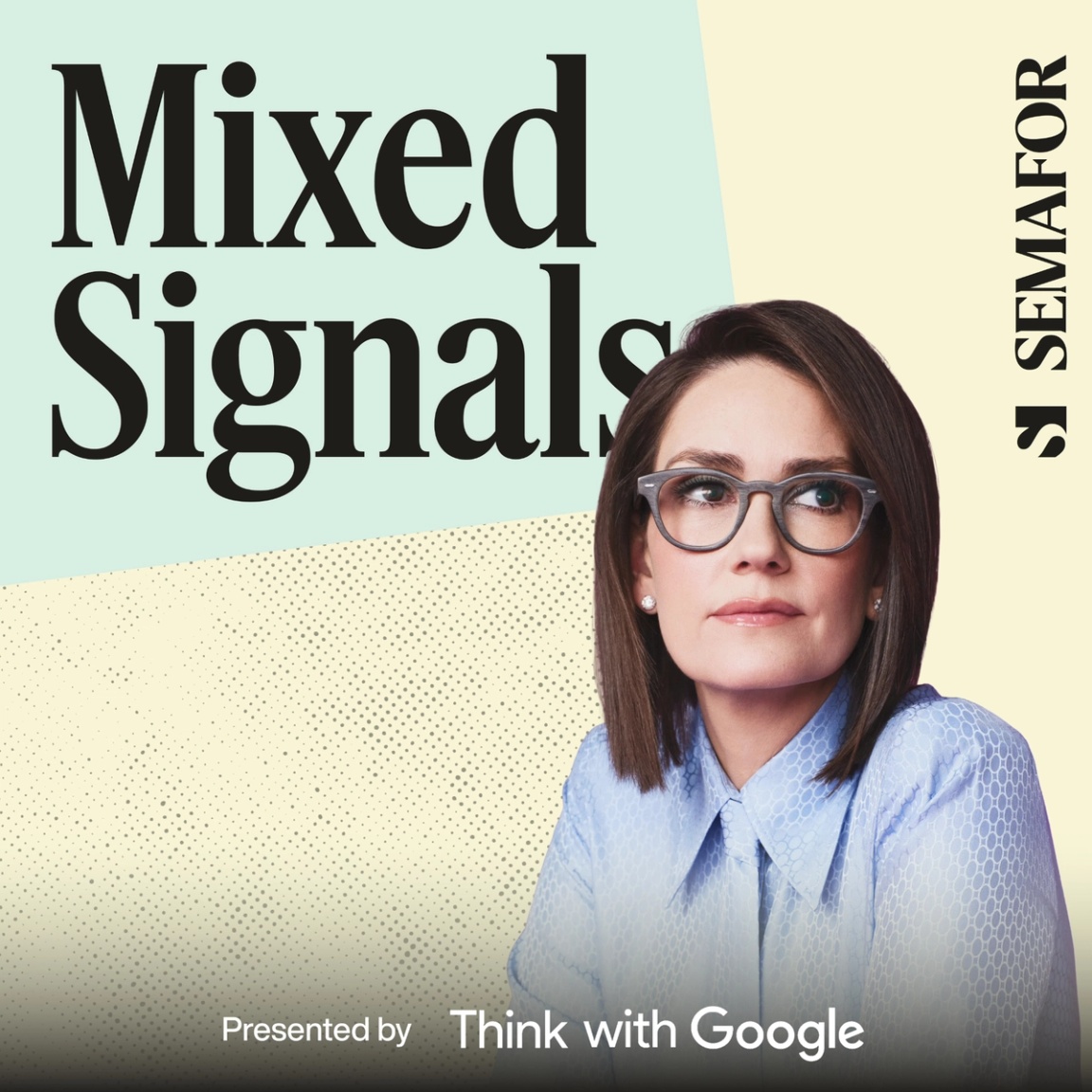 Jessica Tarlov is one of Fox News’ only Democrats. On this week’s episode of Mixed Signals, the co-host of The Five and Raging Moderates joins Max and Ben to talk about what it’s like to be outnumbered four-to-one on the most-watched show in cable news — and why she thinks most of her liberal friends are missing what’s really happening there. Plus, how she navigates on-air conflict without making it personal, what she knew about Pete Hegseth before he became defense secretary, and why she finds herself defending her Fox colleagues to New York liberals almost as often as she defends Democrats on-air. |
|
Hollywood’s AI open secret |
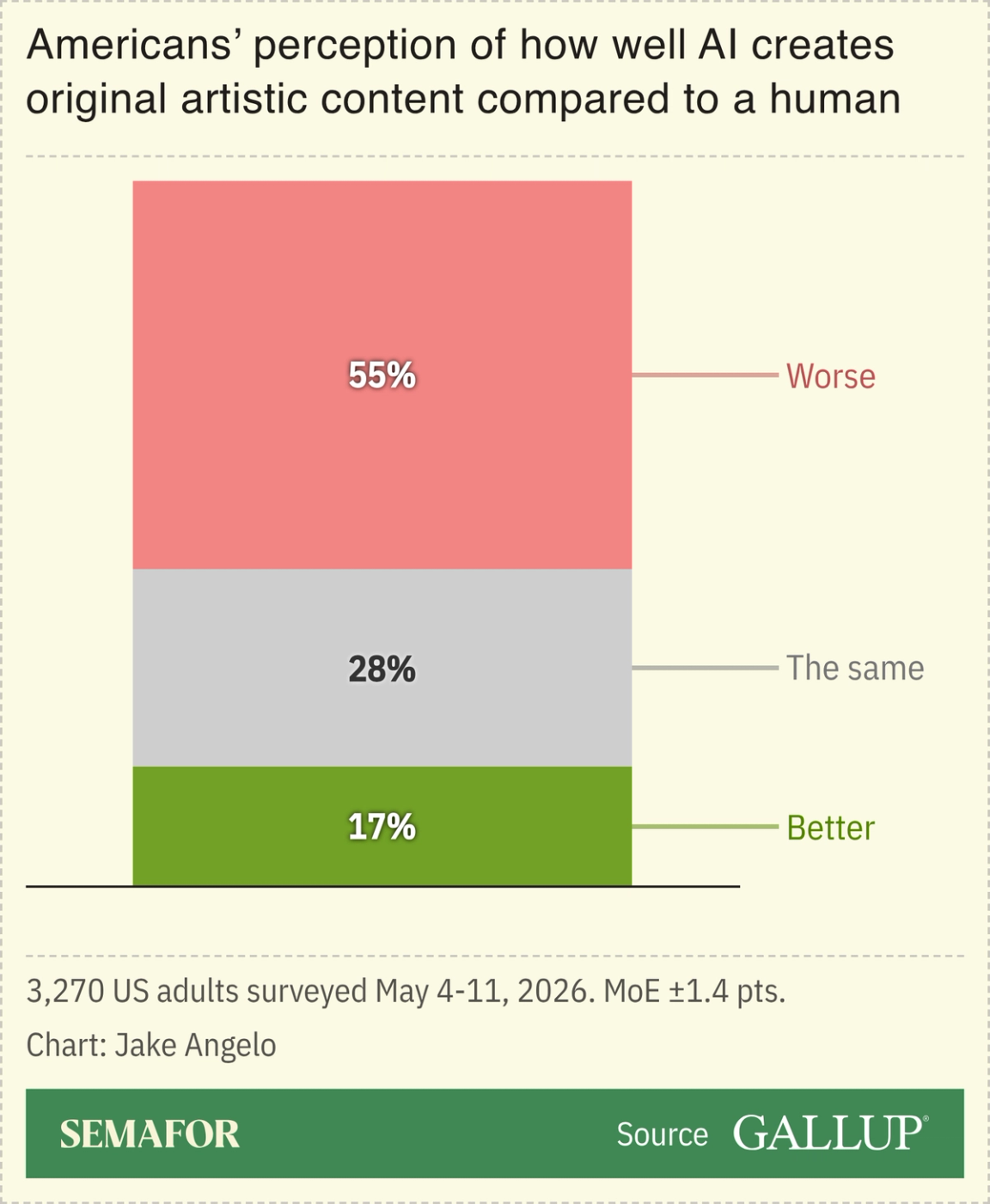 Hollywood’s dirty little secret is that a fair amount of filmmakers do like AI. Mike Bennion, a finalist in the Reply AI Film Festival competition this past weekend, told Semafor’s Jake Angelo that he was recently asked to use AI for a Hollywood movie that was short on cash, though he was “sworn to secrecy” about which one. “They wanted to see if AI could help fill that gap at a cheaper price,” he said, adding that the industry is full of people who use the technology but won’t admit it. Reply AI festival juror and Twilight director Catherine Hardwicke echoed that notion. “Every single director that I’ve talked to in the last few months — some very big, Academy-nominated, big blockbuster directors — everybody’s curious about AI,” she said. There are at least some big names willing to own it: Steven Soderbergh said in April he’d use “a lot of AI” for a film about the Spanish-American war, and on Netflix’s recent earnings call, co-CEO Ted Sarandos disclosed that AI was involved in roughly 300 Netflix titles this year. But backlash has been Hollywood’s default stance. Brady Corbet’s 2024 film The Brutalist was demonized for using AI to sharpen Adrien Brody and Felicity Jones’ accents, and to create architectural drawings in the style of Brody’s character. Corbet issued a statement defending the AI use cases amid a swelling online revolt. |
|
YouTube strikes ‘ghost creators’ |
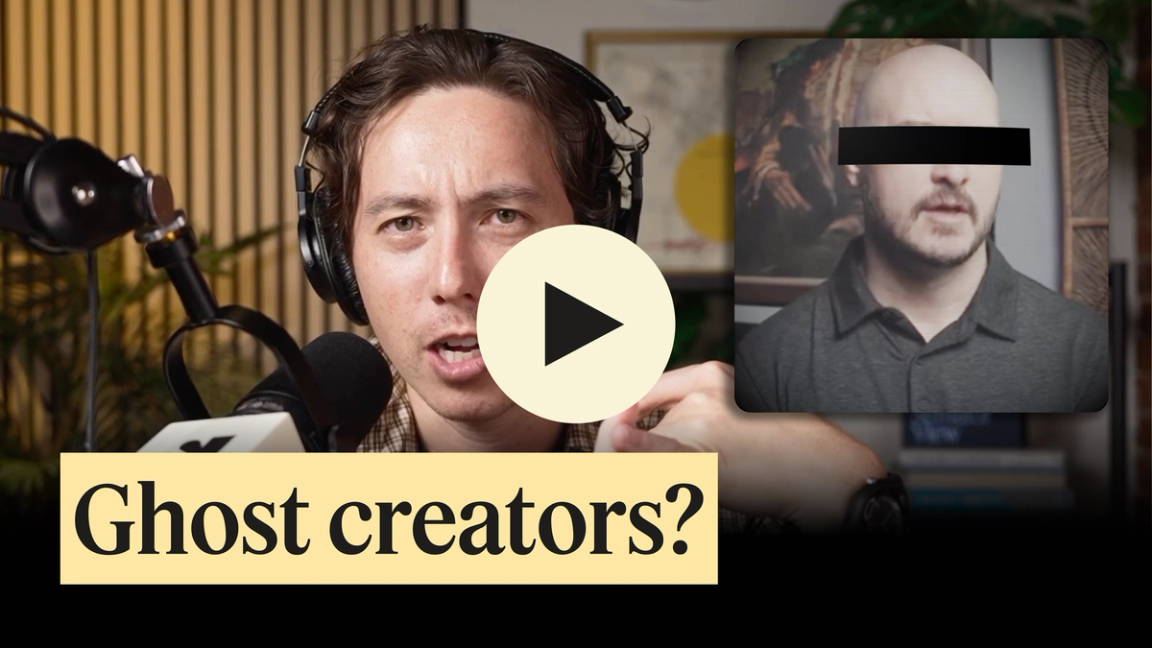 YouTube removed videos linked to a network of AI-supercharged “ghost creators” last week, after Semafor exposed a new online business seeking to capitalize on the platform’s advertising by churning out cheap, sensationalized political videos. “We have strict policies against spam and deceptive practices,” the company told Semafor in a statement. “After a review, we terminated 20 channels — including all 13 referenced in this article and seven related channels — for violating our spam policies.” The enforcement action targeted accounts named in Semafor’s investigation last week. The piece, reported alongside Jeremy Carrasco and Mason Broxham of Riddance AI, traced one sprawling network back to Caleb Chan, a financial YouTuber-turned-growth-hacker whose companies hired spokespeople to read clicky, AI-generated scripts. The majority of these videos featured heated — and often inaccurate — attacks on Democratic politicians like California Gov. Gavin Newsom and New York Mayor Zohran Mamdani. Chan confirmed the details of the reporting on Thursday but cast himself as an ideological rather than cynically commercial figure, and complained that Semafor’s coverage was a “hit piece.” He had “created a modern media studio of 97 news anchors, editors, and scriptwriters on YouTube,” he wrote on X, where his handle is @calebgoesviral, and “shared detailed exposés of hypocritical socialists like Mamdani.” |
|
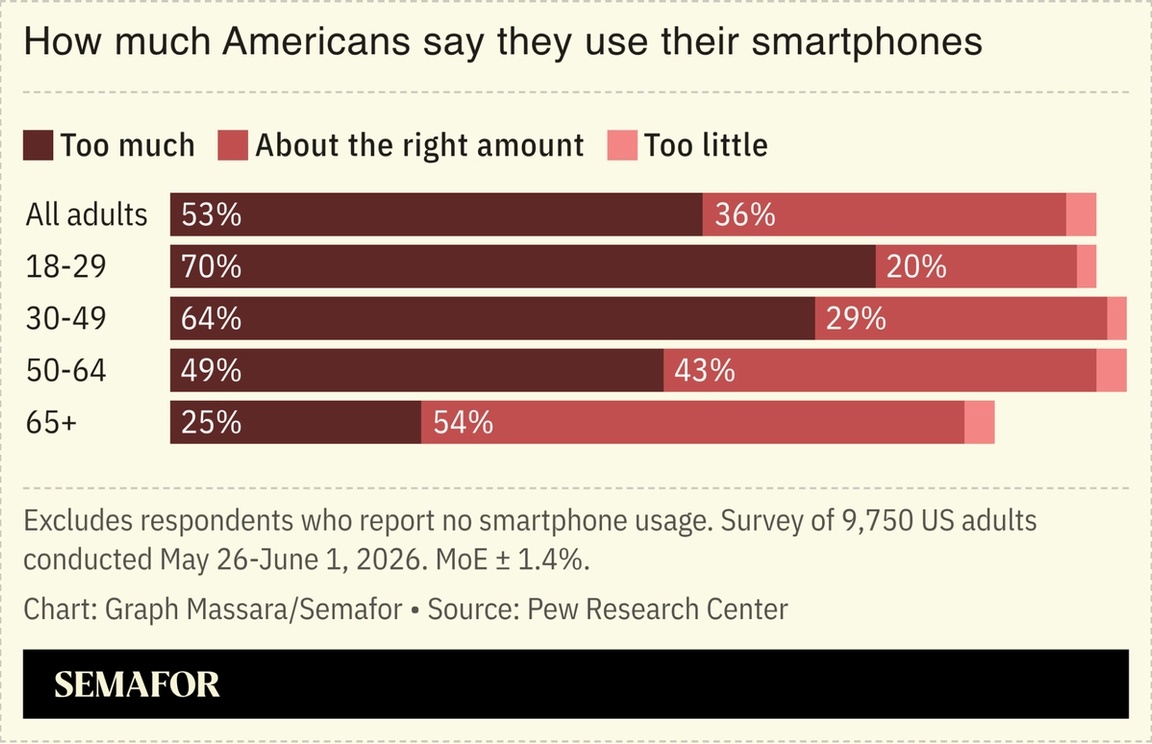 It’s not just you. Forty-five percent of adults overall and 58% of those under 50 say they’ve tried to reduce their phone use in recent months, according to a new Pew survey. Three-quarters of people say they’ve had at least some success, including a quarter who say they’ve been “highly successful.” (That number may seem less impressive if you consider how many Americans start from a high baseline: One in four US adults say they use their phones “almost constantly,” including 42% of adults under 30.) |
|
|


