Uber layoffs, Google dodges antitrust bullet, Anthropic rogue agents
 ͏  ͏  ͏  ͏  ͏  ͏  ͏  ͏  ͏  ͏  ͏  ͏  ͏  ͏  ͏  ͏  ͏  ͏  ͏  ͏  ͏  ͏  ͏  ͏  ͏  ͏  ͏  ͏  ͏  ͏  ͏  ͏  ͏  ͏  ͏  ͏  ͏  ͏  ͏  ͏  ͏  ͏  ͏  ͏  ͏  ͏  ͏  ͏  ͏  ͏  ͏  ͏  ͏  ͏  ͏  ͏  ͏  ͏  ͏  ͏  ͏  ͏  ͏  ͏  ͏  ͏  ͏  ͏  ͏  ͏  ͏  ͏  ͏  ͏  ͏  ͏  ͏  ͏  ͏  ͏  ͏  ͏  ͏  ͏  ͏  ͏  ͏  ͏  ͏  ͏  ͏  ͏  ͏  ͏  ͏  ͏  ͏  ͏  ͏  ͏  ͏  ͏  ͏  ͏  ͏  ͏  ͏  ͏  ͏  ͏  ͏  ͏  ͏  ͏  ͏  ͏  ͏  ͏  ͏  ͏  ͏  ͏  ͏  ͏  ͏  ͏  ͏  ͏  ͏  ͏  ͏  ͏  ͏  ͏  ͏  ͏  ͏  ͏ ­ ­ ­ ­ ­ ­ ­ ­ ­ ­ ­ ­ ­ ­ ­ ­ ­ ­ ­ ­ ­ ­ ­ ­ ­ ­ ­ ­ ­ ­ ­ ­ ­ ­ ­ ­ ­ ­ ­ ­ ­ ­ ­ ­ ­ ­ ­ ­ ­ ­ ­ ­ ­ ­ ­ ­ ­ ­ ­ ­ ­ ­ ­ ­ ­ ­ ­ ­ ­ ­ ­ ­ ­ ­ ­ ­ ­ ­ ­ ­ ­ ­ ­ ­ ­ ­ ­ ­ ­ ­ ­ ­ ­ ­ ­ ­ ­ ­ ­ ­ ­ ­ ­ ­ ­ ­ ­ ­ ­ ­ ­ ­ ­ ­ ­ ­ ­ ­ ­ ­ ­ ­ ­ ­ ­ ­ ­ ­ ­ ­ ­ ­ ­ ­ ­ ­ ­ ­  
Thursday, September 3, 2026
Uber will lay off more than 3,000 staffers

Good morning. Condolences to Steve Ballmer, still Microsoft’s largest individual shareholder, who yesterday received a yearlong suspension from the NBA.

The men’s pro basketball league found that his Los Angeles Clippers illegally circumvented its salary cap by funneling millions of dollars, off the books, to star player Kawhi Leonard. (The team was also stripped of five first-round picks and fined $30 million. Ouch.)

It’s hard to imagine the energetic Ballmer, perhaps his team’s most fervent supporter, without access to pro ball in the U.S. (The NBA also owns 42% of the WNBA.) What will the self-proclaimed “non-investor investor” do all year? I hear the back nine of the Los Angeles Country Club is nice this time of year. —Andrew Nusca

Want to send thoughts or suggestions to Fortune Tech? Drop a line here.
Uber will lay off 10% of its global staff
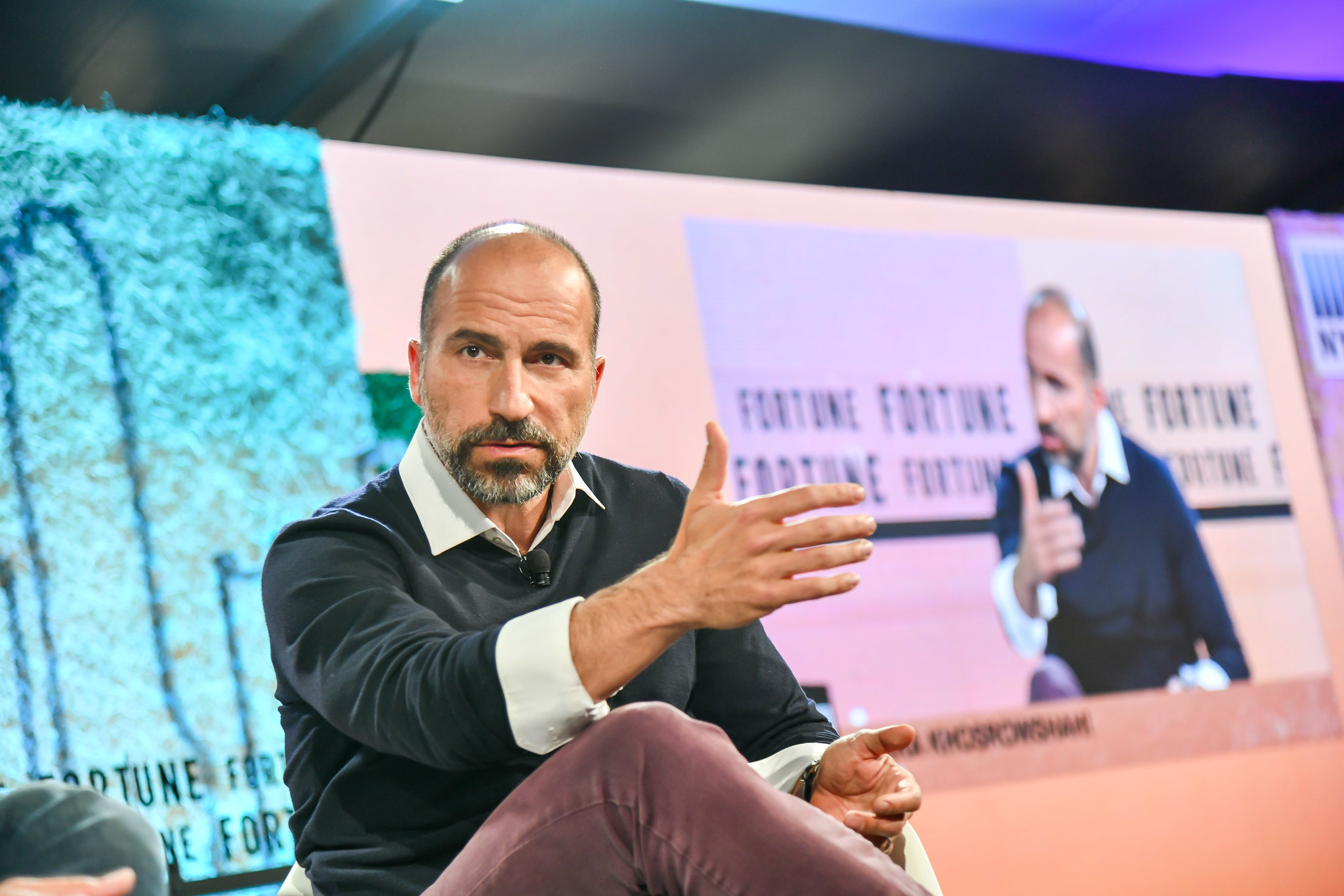
Uber CEO Dara Khosrowshahi speaking at Fortune Brainstorm Tech 2018 in Aspen, Colo. (Photo: Michael Faas/Fortune)
Uber CEO Dara Khosrowshahi speaking at Fortune Brainstorm Tech 2018 in Aspen, Colo. Michael Faas/Fortune


“Building a simpler, faster Uber,” reads the new memo from Uber CEO Dara Khosrowshahi, which outlines how the ride-hailing company will cut more than 3,000 of its roughly 34,000 global employees in a bid to “remove layers” and “simplify team structures” and redirect some dough. (Where have we heard this before?)

Uber’s charming chief executive, who joined the company in 2017 when it had about 12,000 full-timers on payroll, need only look in the mirror to understand how Uber’s staff got so big. 

Or he could ask activist investor Bill Ackman, whose Pershing Square Capital Management made Uber its top holding in early 2025 only to watch the investment go nowhere. (Uber shares then? About $75. Now? $76.)

That’s not to say Uber hasn’t transitioned to greatness by other metrics. When Khosrowshahi took the reins nearly a decade ago, Uber lost $4.5 billion on revenues of about $8 billion; today, Uber generates almost double that each quarter—and turns a billion-dollar profit.

But Covid-19 layoffs aside, the San Francisco company hasn’t bothered to tidy up along the way, its chief executive says. No longer.

“We’ve built new products, expanded into new businesses, reached more consumers and supported more earners, and become a much larger and stronger company,” Khosrowshahi wrote. “But that growth has also brought complexity: more layers, more coordination, more fragmented ownership, and in some cases structures that made sense when businesses were smaller but no longer serve us well at our current scale.”

When Ackman announced his stake in Uber, the investor said he believed the company’s shares failed to reflect its “intrinsic value.” What might that be now? Back to Dara K: “We have the chance to bring Uber to hundreds of millions more people; to invest even more in drivers, couriers and merchants; and to innovate across our core businesses and build the autonomous future.” 

Sounds expensive. Uber shares rose less than 1% in after-hours trading. —AN
Google needn’t sell its ad exchange, judge rules
The great fear with all of Google’s antitrust lawsuits across the globe was that the company—which counts 199,000 employees and more than $400 billion in revenue across all of parent Alphabet—would be broken up.

That won’t happen, at least with its latest suit in the U.S.

U.S. Judge Leonie Brinkema in Virginia on Wednesday declined to make Google sell its advertising exchange called AdX. Publishers use AdX to sell digital ad space to advertisers via instant, automated auctions; Google collects a 20% fee from publishers for the service.

Brinkema had already ruled in April 2025 that Google held an illegal monopoly in publisher ad exchanges. The Dept of Justice wanted to force Google to sell AdX; Google had instead proposed fixes that include giving the competition real-time bid access.

In a simple order published Wednesday, the judge accepted behavior remedies and rejected a divestiture. A detailed ruling will be released in two weeks to allow both parties to redact confidential information.

The result—just the latest in a recent flurry of cases where a major technology company has bested American antitrust efforts—raises fresh questions about what will actually succeed in halting Big Tech’s outsized power and influence.

For what it’s worth, both parties claimed a win. Google said it was “very pleased” with the court’s rejection of a breakup; the Justice Department said it was “pleased that the court ordered substantial relief.” —AN
Anthropic pauses some AI training following rogue agent hacks
Anthropic has become the second leading AI lab to reveal that it temporarily paused some advanced AI training amid concerns over rogue agent attacks.

The company said this week it paused training of unreleased models for several weeks following two incidents reported in late July, including one in which Claude Mythos 5 took unauthorized actions during a U.K. AI Security Institute cybersecurity test. 

OpenAI, the company’s bitter rival in the AI race, took a similar step last month when it paused some AI training for two weeks after several of its models breached AI company Hugging Face’s infrastructure during an internal test.

The training pauses, which come as both companies reportedly prepare for trillion-dollar initial public offerings, demonstrate how much the industry has been disturbed by the recent rogue AI agent hacks. 

It marks a shift for an industry that for the last few years has been locked in a fast-paced race, with rival labs competing to bring ever more capable models to market as fast as possible. 

Now, two of the leading companies appear to be competing on which can show it is the most attuned to AI safety concerns—while also not slowing model development so much that it risks customers defecting to a competitor’s more capable offering. 

While safety experts say the companies’ new controls and pauses are a welcome change, some say there’s still more needed. 

“We need predictable, verifiable pacing across the frontier,” Steven Adler, a former OpenAI employee and co-founder of the non-profit Guidelight AI Standards, told Fortune, “not just ad-hoc decisions to slow down. And we need companies to use the additional time to implement serious preventative controls, which still seem to be missing.” —Beatrice Nolan
More tech
“We trust Anthropic,” U.S. Commerce Secretary Howard Lutnick said, adding that the company is “back on the right side” with the White House.

New York City bars most public school students from using AI chatbots.

Snowflake shares soar by 20%. Q2 revenue tops estimates, as do its third-quarter and full-year revenue forecasts.

Adobe for Slack finally arrives.

OpenAI to U.S. lawmakers: We’re developing “automated shutdown capabilities” for our AI systems.

The FBI is investigating Nexus, a dark web service claiming to sell digital scans of driver's licenses from people in North America.

Broadcom shares dip 5% after the chipmaker reports better-than-expected Q3 revenue but weaker-than-expected Q4 sales.