| | In this edition: Zambia election vote counting gathers pace, Senegal raises petrol prices, and Ghana͏ ͏ ͏ ͏ ͏ ͏ |
| |  | Africa |  |
| |
|
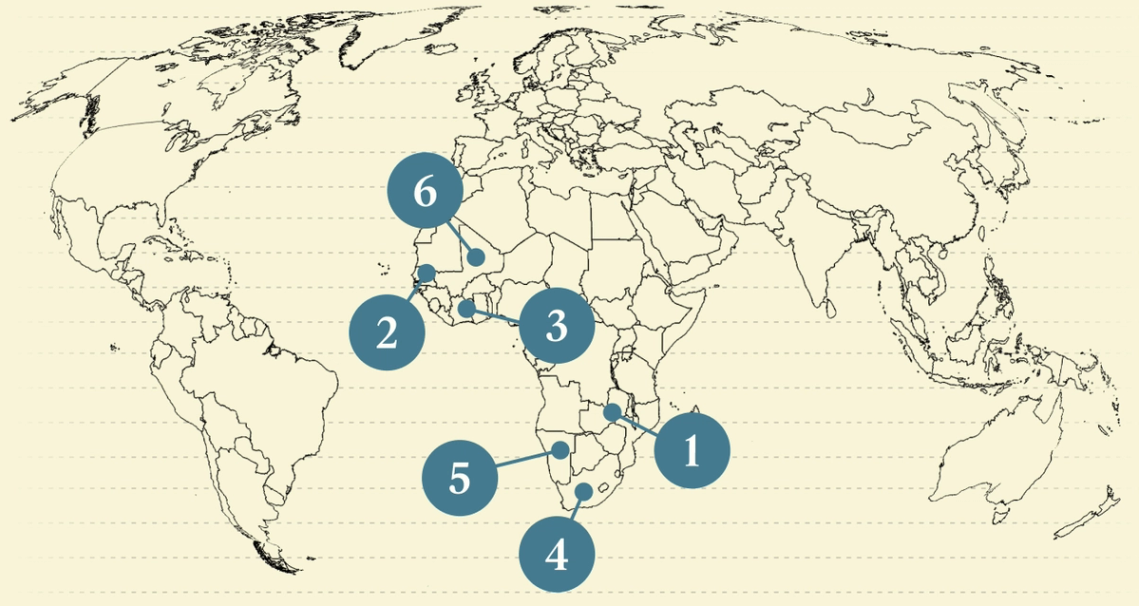 - Zambia counts votes
- Senegal hikes fuel prices
- A $500M energy expansion
- DA official faces finance probe
- Job creation efforts stall
- Ransom linked to insurgency
 Week Ahead and an isiZulu transition of Ulysses. |
|
Hichilema pulls ahead in Zambia election |
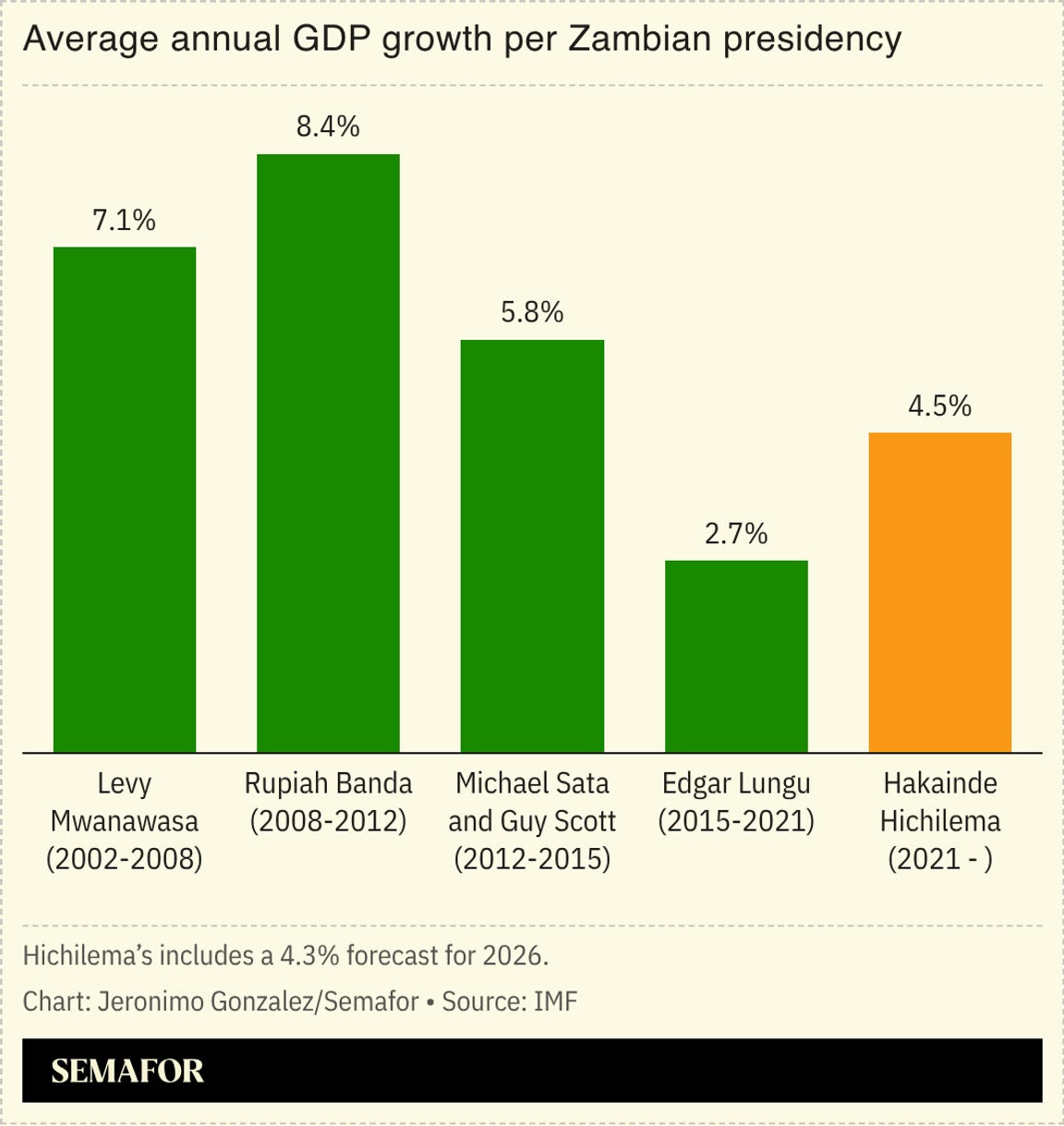 Zambia’s President Hakainde Hichilema took a commanding lead in the general election, putting him on course to secure a second term at the helm of Africa’s second-biggest copper producer. With more than half of the constituencies having reported following last week’s polls, official results showed Hichilema securing roughly 58% of the vote, against main challenger Brian Mundubile’s 40%. Under Zambian law, a candidate needs more than 50% to avoid a runoff. The vote served as a test of Hichilema’s post-default debt restructuring against opposition pushback over persistent food inflation. A brief counting pause on Friday drew scrutiny from regional SADC and EU observer missions, but the Electoral Commission of Zambia expects final certified results by late Monday as international markets monitor the outcome for policy continuity. — Tiisetso Motsoeneng |
|
Senegal raises fuel prices |
 Zohra Bensemra/Reuters Zohra Bensemra/ReutersSenegal raised fuel prices by 7% in order to contain the cost of subsidies, underscoring Africa’s vulnerability to foreign energy shocks like the one sparked by the Iran war. The government has spent nearly all of its full-year allocation for fuel subsidies already, after oil prices surpassed the $85 benchmark that the estimate was based on. Several countries have made moves to reduce their reliance on Middle Eastern supplies — Africa’s richest man is planning a giant, new refinery in East Africa — but the continent still imports around 70% of its fuel needs, forcing capitals into tough fiscal decisions. Ghana, Malawi, Nigeria, and Tanzania are among the African countries that have seen fuel prices rise. Soaring prices stemming from the conflict have forced African countries to keep interest rates elevated, holding back growth and adding to already high borrowing costs. Making matters worse, S&P has warned that food inflation could be a “delayed fuse” too. — Alexander Onukwue |
|
Ghanaian firm’s $500m energy plan |
| |  | Alexander Onukwue |
| |
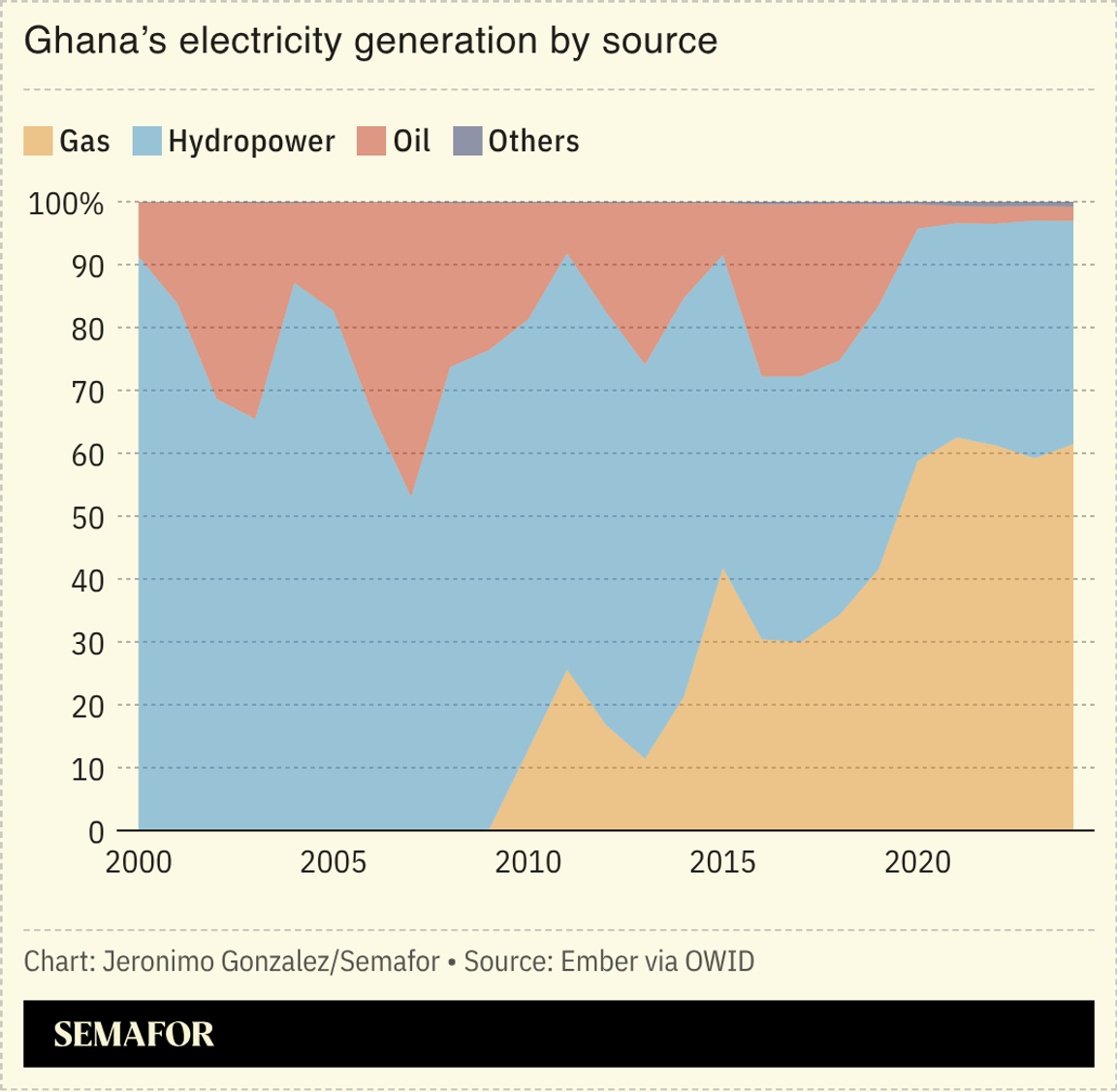 Ghanaian firm Genser Energy raised more than $500 million to fund its expansion in West Africa and ongoing natural gas-based power projects, its CEO told Semafor. Baafour Asiamah-Adjei said the company — which owns eight power plants across Ghana and Burkina Faso — will use the €456 million ($527 million) credit package to construct a 470 megawatt power plant in Côte d’Ivoire. With more than $2 billion in debt and equity capital raised, Genser’s financing history underscores the huge investments required for gas-to-power projects. Artificial intelligence is driving a surge in global demand for electricity, further raising costs. Natural gas is Africa’s leading electricity generation fuel; about 600 million people living in Africa — nearly half of the continent’s population — lack access to electricity. Tapping vast natural gas reserves can provide the foundation to accelerate the transition to renewable energy. |
|
Youth unemployment threatens SADC |
 Siphiwe Sibeko/Reuters Siphiwe Sibeko/ReutersDeepening joblessness among young people across southern Africa is growing into a regional economic threat, top officials warned ahead of a regional summit in Durban today amid anti-migrant violence in South Africa. Unemployment stands at more than 30% in six Southern African Development Community member states, while 58 million people in the region remained uncertain about their next meal, said Ronald Lamola, South African minister of international relations and co-operation. “It is in this wider context that questions of migration and human mobility must also be understood,” he said. He was referring to months of anti-migrant protests that forced countries like Ghana, Malawi, and Nigeria to rescue tens of thousands of their citizens, straining diplomatic relations. — Tiisetso Motsoeneng |
|
Fresh scandal hits South Africa’s DA |
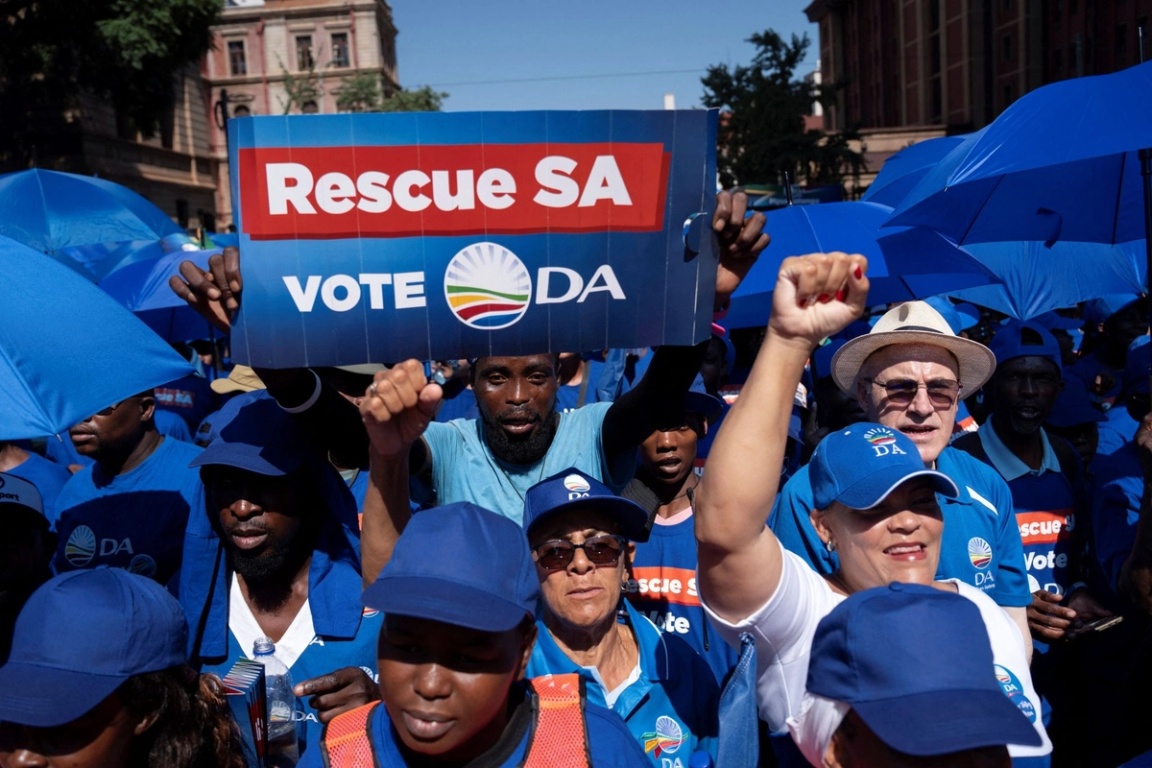 South Africa’s central bank is investigating a fintech firm co-founded and chaired by a senior official in the coalition government’s second-largest party over alleged exchange control violations involving a $220 million offshore transfer. The inquiry into Kastelo, the company founded by the Democratic Alliance’s head of finance Mark Burke, threatens to further tarnish the party’s clean governance brand after its former leader accused a lobbying firm chaired by his predecessor of attempting to influence ministers. The South African Reserve Bank blocked funds belonging to Kastelo in late 2025 after uncovering transfers that allegedly sidestepped local capital regulations, Business Day reported. Burke, who has not been charged with any criminal offences, did not respond to a request for comment. The investigation also highlights the central bank’s determination to keep South Africa off the Financial Action Task Force money laundering grey list. South Africa spent nearly three years on the list before it was officially removed in October, suffering under heightened global scrutiny, transaction costs, and elevated sovereign risk perception across international markets. — Tiisetso Motsoeneng |
|
Ransom suspected of funding insurgency |
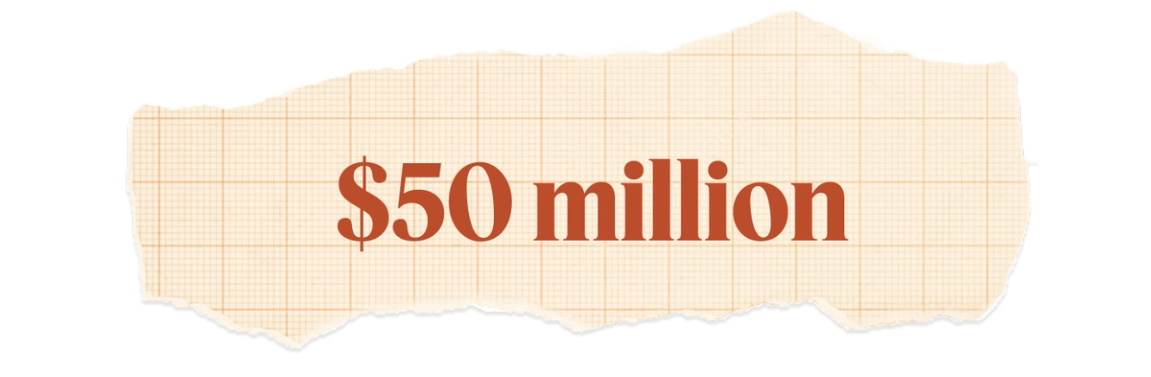 An al-Qaida affiliate group in Mali has funded its expansion in West Africa with the proceeds of a $50 million ransom, according to a UN report. A Reuters report identified the United Arab Emirates as the source of the payment that freed an Emirati citizen and two people from Pakistan and Iran, citing sources. Mali and other African countries in the Sahel region are battling militant insurgencies that have destabilized local economies, such as through a year-long fuel blockade in Bamako. Mali’s recent pushback has included offering a $3.5 million bounty for information that could lead to the capture of Iyad Ag Ghalyi, leader of the al-Qaida linked JNIM terror group; the group responded with its own bounty on President Assimi Goïta. |
|
 Business & Macro
|
|
|