| | In today’s edition: The US-Iran truce officially runs out, ADNOC keeps the oil flowing, and Qatar pl͏ ͏ ͏ ͏ ͏ ͏ |
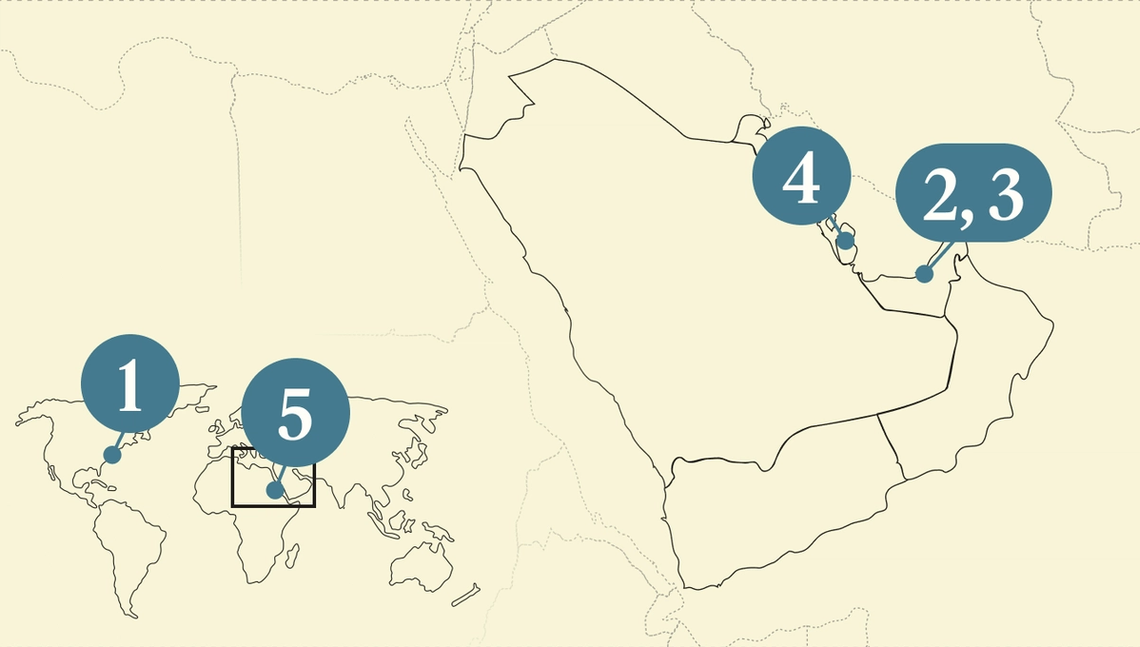
| |  Washington, DC Washington, DC | Abu Dhabi | Doha |
 | Gulf |  |
| |
|
 - Clock runs out on truce
- ADNOC’s oil flows
- Coinbase’s Abu Dhabi hub
- Qatar to open EV plant
- Mercenaries in Sudan
 The “Manhattanisation of Mecca”. |
|
Interim truce ends without successor |
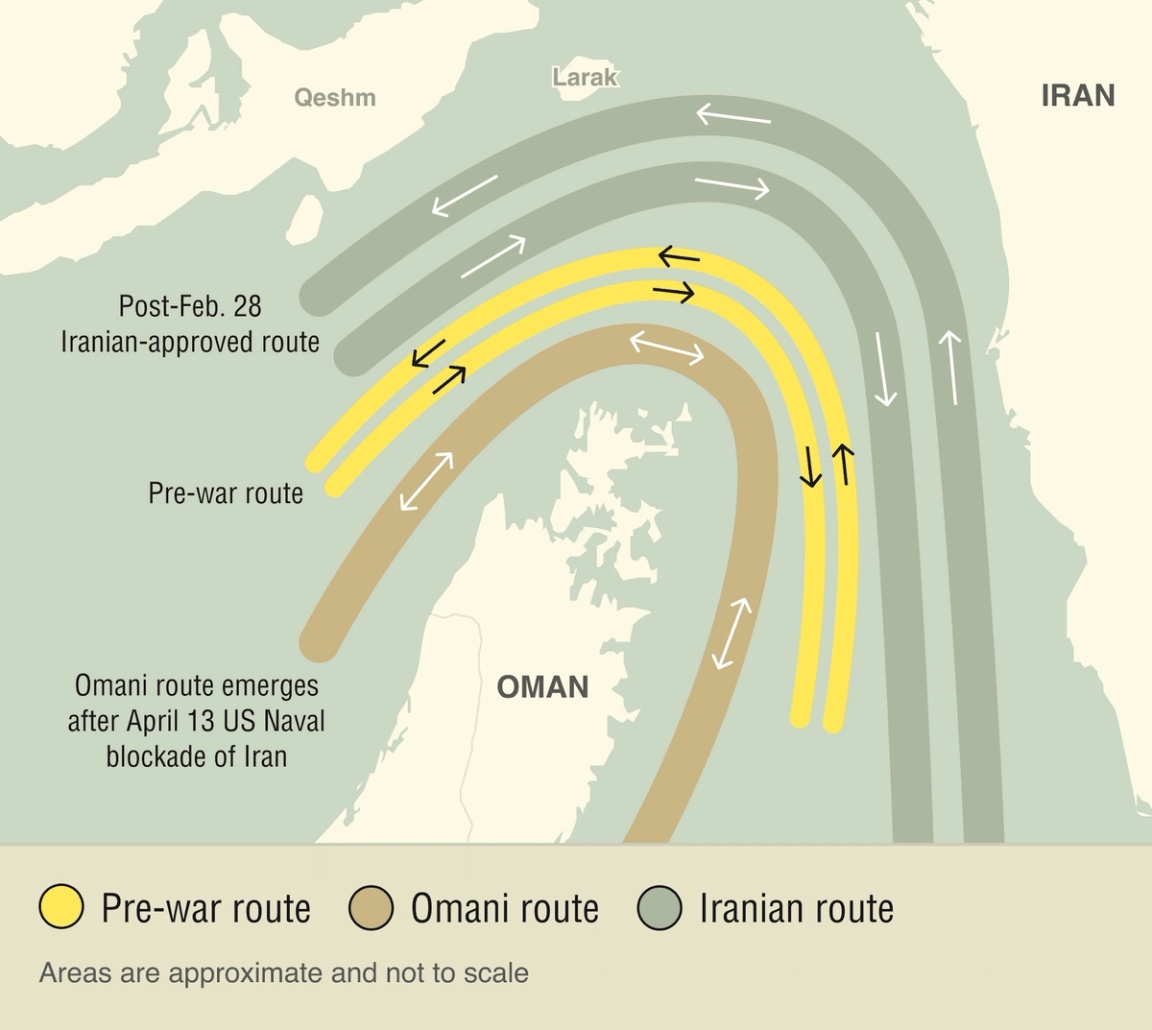 The interim US-Iran truce expired today, and a fresh agreement is proving elusive. With little sign of momentum in mediation efforts, Washington has promised to tighten its economic squeeze on Tehran, and Iran has pledged to keep fighting. The pressure on energy markets has pushed US gasoline prices up around 29% from a year ago; US President Donald Trump said it was worth Americans paying “a tiny little bit more” if it meant Iran was denied a nuclear weapon. Tehran stepped up attacks on tankers in the Strait of Hormuz last week, following the US energy secretary’s assertion that 9 million barrels a day were getting through. The attacks sent oil prices up again and seem to have prompted a rethink among shipping companies, with just five vessels sailing through the strait over the weekend, according to tracking firm Kpler, down from 31 a week earlier. |
|
War isn’t stopping ADNOC exports |
 Courtesy of ADNOC Courtesy of ADNOCAbu Dhabi is not the Gulf’s biggest energy exporter, but ADNOC has emerged as one of its most flexible — thanks to geography, defense capabilities, and a willingness to take risks. The state oil company has led the region in ramping up oil output during the Iran war, helped by the UAE’s exit from oil cartel OPEC in May: The UAE exported around 3.8 million barrels a day in June. Abu Dhabi is expanding a pipeline to Fujairah that bypasses the Strait of Hormuz, while some of its tankers are managing to slip through the waterway, helping ADNOC maintain and sometimes even exceed prewar flows. Its vessels have also carried Iraqi crude, adding to the cushion for global oil markets. The human cost has, however, been high: 23 of its ships have been attacked by Iran, killing one crew member and injuring about 20 others. — Mohammed Sergie |
|
Coinbase sets up Abu Dhabi token hub |
 Shannon Stapleton/Reuters Shannon Stapleton/ReutersCrypto exchange Coinbase is establishing an international “tokenization hub” in Abu Dhabi, boosting the UAE’s ambitions to become a global center for digital assets. It follows Coinbase winning a license from the emirate’s Financial Services Regulatory Authority to offer tokenized securities, arrange deals, and provide custody services, allowing it to sell to customers with a digital wallet and cutting out the need for brokerage accounts or correspondent banking relationships. As well as creating a friendly regulatory environment for crypto firms, the UAE is using its sovereign wealth funds to invest in the industry, including a $2 billion investment by MGX in crypto exchange Binance. Coinbase executives are among those expected at a gathering of cryptocurrency and prediction market chiefs at the White House on Wednesday. |
|
Qatar enters regional EV race |
 Courtesy of Watt Electric Vehicle Company Courtesy of Watt Electric Vehicle CompanyQatar’s first electric vehicle factory aims to start production in 2028, following a deal between the local JTA International Investment Holding and British startup Watt Electric Vehicle Company. The agreement will see passenger cars and delivery vans tailored to hot climates made in Qatar, Autocar reported, with an initial run of about 5,000 vehicles a year. The Gulf is buying its way into the EV industry at varying scales. Saudi Arabia’s sovereign wealth fund owns a majority stake in Lucid, which has an assembly plant near Jeddah, and has also invested in Ceer, which is due to start production later this year. The UAE is currently the largest Gulf market for EV sales, but governments across the region are hoping to increase the proportion of EVs on their roads. |
|
Gulf firm recruits Colombian fighters |
 Mohamed Nureldin Abdallah/Reuters Mohamed Nureldin Abdallah/ReutersA UAE security firm recruited hundreds of Colombian mercenaries via WhatsApp to fight in Sudan, the Financial Times reported. Recruiters targeted drug cartel members who were coming “straight from an active war zone” in their own country, one Colombian fighter said. The UAE has consistently denied supporting Sudan’s Rapid Support Forces, but its alleged supply of weapons and munitions to the paramilitary group has been documented by UN experts and others. Third-party negotiators have struggled to end the three-year civil war, which has laid waste to much of the country, after an initial US push fizzled out. |
|
 As AI and emerging technologies reshape the global economy, three billion people remain offline, disconnected from the digital opportunities transforming our world. On Tuesday, September 22 in New York City, The Next 3 Billion will bring together leaders including Nigeria’s federal Minister of Industry, Trade and Investment Jumoke Oduwole, Shell Foundation CEO Jonathan Berman, Amazon Chief Sustainability Officer Kara Hurst, GSMA Director General Vivek Badrinath, Nvidia Head of Sustainability Josh Parker, and more to explore how AI, energy, and global development can expand access, unlock opportunity, and drive inclusive growth across the world’s fastest-growing regions. Sep. 22 | New York City | Delegate Application |
|
 Deals- L’IMAD offered to buy out minority shareholders in AD Ports, valuing the business at $8.7 billion; it already owns 75% of the port operator. If accepted, the offer would see the ports company delist from the Abu Dhabi Securities Exchange, months after L’IMAD also took utilities group TAQA private.
Energy- Oman’s state-owned oil and gas company OQ Exploration and Production posted a 19% rise in net profit to 199 million rials ($517 million) for the first half of 2026, helped by higher output and oil prices, underlining the benefits of lying outside the Strait of Hormuz.
Food- UAE grocer Spinneys has built a land bridge through Türkiye and Egypt to keep European food flowing through the war, after freight costs rose sharply and some containers went missing at sea. The workaround takes 17 days and costs about double prewar delivery rates, some of which the retailer is passing on to shoppers. — AGBI
Logistics- The Caroline Bezengi, a sanctioned Russian shadow-fleet tanker carrying about 800,000 barrels of crude, is at risk of breaking up off the coast of Oman, threatening one of the worst oil spills in recent memory. Oman’s Environment Authority warned the slick could spread along 25 miles of coastline. — Reuters
Stocks |
|
 Mohamed Abd El Ghany/Reuters Mohamed Abd El Ghany/ReutersThe sudden pivot to consumerism shortly after the conclusion of Islam’s holiest rite is creating unease among some Muslims. Completing Umrah this Ramadan, the writer Azania Imtiaz Patel described in Aeon magazine emerging from the Great Mosque into a world of brand names and Times Square-style billboards, a whiplash she likened to a kind of grief. Patel argued that where pilgrims once battled drought to find God, today they battle abundance and the “Manhattanisation of Mecca.” She is far from being the first to experience such ambivalence. In 1934, for example, the first Englishwoman to make Hajj prayed the car would never displace the camel. In fact, Mecca has long been a marketplace, with streets full of Bedouin caravans selling wares to the crowds. The comfort, security, and bling of a modern-day $26.6 billion Great Mosque expansion, ringed by hotels and malls, is how Saudi Arabia deals with the needs of the ever-growing number of pilgrims — 1.7 million foreigners this Ramadan alone. — Manal Albarakati |
|
|


