Nigel Farage may have retained his seat in the Clacton by-election this week but we all know the true victor in this contest was an independent space warrior from the planet Sigma IX. As political communications expert Stephen Coleman writes, every one of Count Binface’s 9,455 votes reveals something about the state of Britain’s mood, and it’s no laughing matter.
This week we heard grave concerns about a trend away from books, “a habit of skimming rather than reading” and an alarming tendency for people to consume information in patches rather than taking time to exercise “the critical faculty”. But these worries were not being expressed about social media or clickbait news sites; they were written in a 1908 pamphlet on the dangers of newspapers. Journalist W.T. Stead had a good deal to say in A Plea for the Revival of Reading about the depleting attention spans of people who pick up a paper on their way to work. But he also gave some prescient advice that is useful to anyone worried about the state of
reading in 2026.
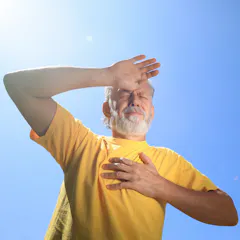
Having read this article on Tuesday, I’ve been thinking back on all the times I’ve casually said at the end of a hot day: “I’ve got heatstroke”. I was absolutely incorrect. Heatstroke is a life-threatening condition and when you’ve got it, boy do you know about it. Heat exhaustion, which we’re all a lot more likely to have experienced this week, is the more common condition.
Scientists investigating ancient paintings in Spain have found a way to extract ancient DNA from cave walls. They’re now hoping to work out who left stencilled depictions of animals on the rock. Traces left by artists blowing pigment across their hands may even help clear up a longstanding controversy over the origins of a 66,700-year-old work of art in Maltravieso cave in Extremadura.
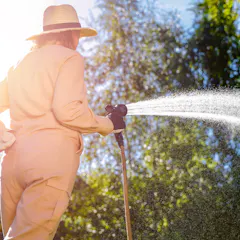
Also this week, why nostalgia used to be so much better, the double bind of hosepipe bans and a guide to picky bits dinner for dehydrated children.