|
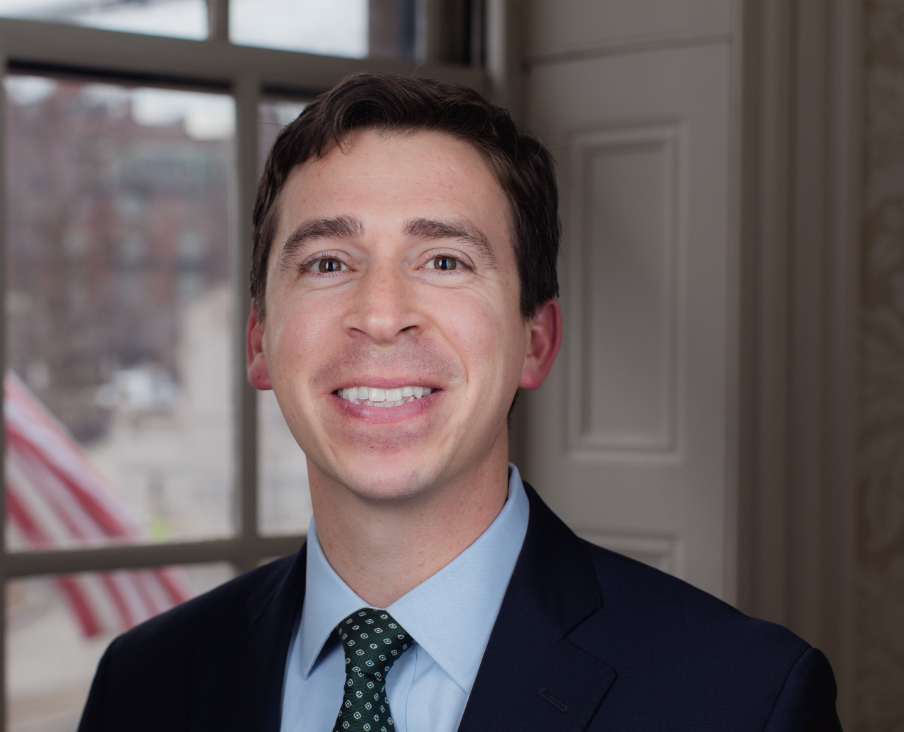
By Tom Joyce Paul Craney did not grow up in Massachusetts. However, he now leads a group that fights for Massachusetts taxpayers. Craney is the executive director of the Massachusetts Fiscal Alliance. The group pushes for lower taxes and less state spending. It also calls for more open government. He told NewBostonPost that his interest in politics started at home. “I just grew up in a household that they talked about politics at an early age, and it stuck with me,” Craney said. Craney grew up in New Jersey. His mother came to the United States from Mexico City. His father is from New Jersey. “I’m the son of an immigrant,” Craney said. “Half my family is Hispanic. So I grew up with kind of a mixed, blended family in that regard.” Craney first came to Massachusetts to attend Gordon College in Wenham. He said he had never visited New England before he looked at the school. “It was really divine intervention,” Craney said. “God was bringing me to this part of the country and to that school for a reason.” Craney wanted to attend a Christian college. Gordon also recruited him to play soccer. “I was definitely looking for a faith-based school,” Craney said. He also liked Gordon’s small size, good classes, and North Shore campus. Craney left Massachusetts more than once after college. However, he kept coming back. He later met his wife, who is from Massachusetts. The couple spent five years working in Washington, D.C., before moving back to the Bay State. Businessman Rick Green founded MassFiscal in 2012. Craney became its first executive director. Craney said the U.S. Supreme Court’s Citizens United ruling helped create room for nonprofit groups to take a larger role in political debate. Craney later served on MassFiscal’s board. He returned as executive director in 2025. Craney said the work of Citizens for Limited Taxation helped shape his own work. The former Massachusetts taxpayer group helped pass Proposition 2½ in 1980. That law limits how fast local property tax levies may rise. The group also helped pass Chapter 62F in 1986. That law can force the state to return money when tax collections rise above a set limit. Chapter 62F led Massachusetts to return nearly $3 billion to taxpayers in 2022. Citizens for Limited Taxation also pushed a successful 2000 ballot question to lower the state income tax rate to 5%. The rate did not reach 5% until 2020. Craney said he met with taxpayer advocates Chip Ford, Chip Faulkner, and Barbara Anderson while learning about their work. “Those are three significant policies that they championed, that they won,” Craney said. “And all three of those policies are still benefiting taxpayers this day.” Craney said MassFiscal wants to protect those wins. That work now includes two questions on the November 3, 2026, state ballot. Question 1 would place most records held by the state Legislature and governor’s office under the public records law. Massachusetts is the only state where the Legislature, governor, and courts are all exempt from the public records law. Question 1 would not cover talks about policy plans. It would also protect messages between lawmakers and people who ask their offices for help. The question follows a similar fight over a 2024 ballot law. About 72% of voters backed a law that gave state Auditor Diana DiZoglio the power to audit the Legislature. That audit has still not moved forward because DiZoglio and state lawmakers disagree over its reach. The House and Senate have each passed their own public records bills. Those bills would cover the governor’s office but not the Legislature. Question 5 would make it easier for Chapter 62F to trigger tax rebates. The current law limits how fast state tax collections may grow. The limit is tied to the growth of wages and salaries in Massachusetts. The ballot question would tighten that formula. It would also count money from the state’s 4% tax on income over $1 million when the state checks if it collected too much. MassFiscal says the change would close holes in the law and lead to more taxpayer refunds. “Those are easy ballot questions to support,” Craney said. He said asking for more open government and more tax rebates should draw support from many voters. However, Craney said he is also watching what happens after Election Day. Massachusetts lawmakers usually end formal sessions on July 31 during an election year. New rules let them return for some votes after that date. They may vote on reports from talks between the House and Senate that started by July 31. They may also act on certain spending bills and bills returned by the governor. Craney said he fears state leaders could use the time after the election to weaken the ballot measures if voters pass them. “We’re very concerned about the legislative session, where important policy decisions can be made after the election,” Craney said. MassFiscal also speaks often about state spending tied to illegal immigration. Craney said his family history shapes who he is. However, he said MassFiscal looks at immigration policy because of its cost to taxpayers. “Every time a dollar is spent on all of these programs, it means the dollar is not spent somewhere else, and a dollar has to be collected from the taxpayer,” Craney said. Craney now lives in North Andover. His sister also lives in Massachusetts, and his parents later moved to the state. “We all came to this part of New England,” Craney said.
|