Meta’s teen health fine, AI-generated viruses, Alphabet’s big bond sale.
 ͏  ͏  ͏  ͏  ͏  ͏  ͏  ͏  ͏  ͏  ͏  ͏  ͏  ͏  ͏  ͏  ͏  ͏  ͏  ͏  ͏  ͏  ͏  ͏  ͏  ͏  ͏  ͏  ͏  ͏  ͏  ͏  ͏  ͏  ͏  ͏  ͏  ͏  ͏  ͏  ͏  ͏  ͏  ͏  ͏  ͏  ͏  ͏  ͏  ͏  ͏  ͏  ͏  ͏  ͏  ͏  ͏  ͏  ͏  ͏  ͏  ͏  ͏  ͏  ͏  ͏  ͏  ͏  ͏  ͏  ͏  ͏  ͏  ͏  ͏  ͏  ͏  ͏  ͏  ͏  ͏  ͏  ͏  ͏  ͏  ͏  ͏  ͏  ͏  ͏  ͏  ͏  ͏  ͏  ͏  ͏  ͏  ͏  ͏  ͏  ͏  ͏  ͏  ͏  ͏  ͏  ͏  ͏  ͏  ͏  ͏  ͏  ͏  ͏  ͏  ͏  ͏  ͏  ͏  ͏  ͏  ͏  ͏  ͏  ͏  ͏  ͏  ͏  ͏  ͏  ͏  ͏  ͏  ͏  ͏  ͏  ͏  ͏ ­ ­ ­ ­ ­ ­ ­ ­ ­ ­ ­ ­ ­ ­ ­ ­ ­ ­ ­ ­ ­ ­ ­ ­ ­ ­ ­ ­ ­ ­ ­ ­ ­ ­ ­ ­ ­ ­ ­ ­ ­ ­ ­ ­ ­ ­ ­ ­ ­ ­ ­ ­ ­ ­ ­ ­ ­ ­ ­ ­ ­ ­ ­ ­ ­ ­ ­ ­ ­ ­ ­ ­ ­ ­ ­ ­ ­ ­ ­ ­ ­ ­ ­ ­ ­ ­ ­ ­ ­ ­ ­ ­ ­ ­ ­ ­ ­ ­ ­ ­ ­ ­ ­ ­ ­ ­ ­ ­ ­ ­ ­ ­ ­ ­ ­ ­ ­ ­ ­ ­ ­ ­ ­ ­ ­ ­ ­ ­ ­ ­ ­ ­ ­ ­ ­ ­ ­ ­  
Friday, August 7, 2026
What Meta must change to support teen mental health

Good morning. This will be my last edition for a couple of weeks. I’m off to the American Midwest to visit family.

That doesn’t mean we’ll stop sending this newsletter, though. Fortune’s intrepid tech editor, Alexei Oreskovic, and his merry band of reporters will carry on in my absence. I’m grateful to all of them.

To quote a cult classic movie from the ‘90s, I’ll catch you on the flip side. Have a wonderful weekend. —Andrew Nusca

P.S. I’ll still post on social media here and there. Follow me on Instagram, LinkedIn, Threads, Bluesky, or X.

Want to send thoughts or suggestions to Fortune Tech? Drop a line here.
Meta ordered to pay $567 million for teen mental health
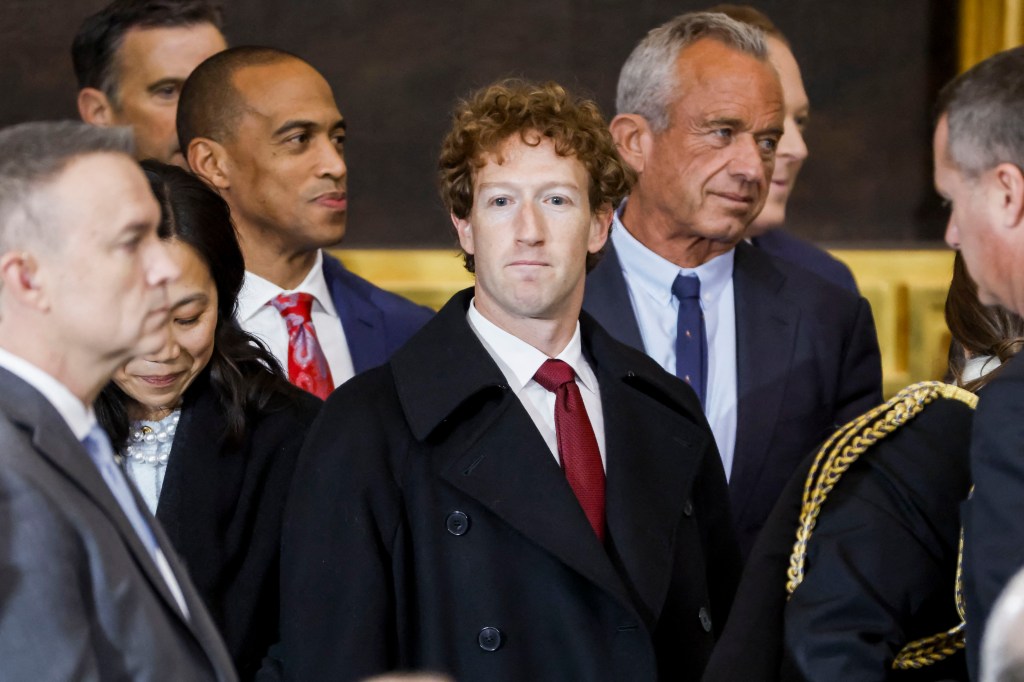
Meta CEO Mark Zuckerberg at the inauguration ceremony for Donald Trump as the 47th U.S. President in Washington, D.C., on January 20, 2025. (Photo: Shawn Thew/pool/AFP/Getty Images)Meta CEO Mark Zuckerberg at the inauguration ceremony for Donald Trump as the 47th U.S. President in Washington, D.C., on January 20, 2025. Shawn Thew/pool/AFP/Getty Images

Speaking of social media…a court in New Mexico has ordered Instagram and its parent Meta to pay $567 million to a fund meant to address a variety of harms inflicted on young people using its platforms.

The funds, a remedy for Meta being a “public nuisance” in the state, are earmarked for five years’ worth of awareness and prevention, screening and assessment, referral and coordination, and treatment and evaluation for young users. 

The vast majority—$420 million—is specifically for treatment services. Meta must also file written progress reports with the court and state every six months through the end of that period.

This latest fine comes on top of $375 million in civil penalties from a jury verdict made earlier in the trial. The jury found that Meta committed 75,000 violations—that’s no typo—of the New Mexico Unfair Practices Act, knowingly harmed children’s mental health, and hid what it knew about child sexual exploitation on its platforms. 

As for product changes: Meta must rein in its more addictive features, improve its age verification process, and prevent child sexual exploitation with more robust default privacy settings and additional oversight. It must also build informational screens to better explain its user protections.

New Mexico AG Raúl Torrez called the ruling a win for Big Tech’s accountability, but investors felt differently, sending Meta shares down less than one percent. It’s not difficult to see why: Though the aggregate penalties sound like a lot of money, it’s less than a quarter of the revenue Meta makes each week.

Still, Meta plans to appeal. “We work hard to keep people safe on our platforms,” the company said in a statement, “and have been transparent about the challenges of identifying and removing bad actors and harmful content.” —AN
Stanford scientists use AI to create new viruses
AI to create AI? That’s so last week.

How about AI to create new viruses? (What could go wrong?)

Scientists at Stanford University and the Arc Institute, a research group in Palo Alto, said Thursday that they successfully trained an artificial intelligence model called Evo on libraries of DNA, then asked the model to create recipes for viral genomes. 

For the first time, the scientists yielded viable new viruses—16 durable ones from 285 candidates drawn from some 700,000 suggestions.

Does the advancement hold promise for medical advances to, say, treat cancer? Yes.

Does the advancement hold promise for the creation of new biological weapons? Also yes!

In their experiment, the scientists didn’t dare go that far, of course. The viruses they created via AI were genetically similar to the naturally occurring Phi X-174, which can infect only bacteria, specifically E. coli.

But the milestone already has experts thinking about the policy guardrails—or rather, the distinct lack of them—that could stymie the creation of a virus that could threaten humanity. (Hmm, why does this sound familiar…)

In the meantime, the scientists are keen to determine if their approach can be replicated with different kinds of viruses. More experiments—and screenings of 28 Days Later—to come. —AN
Alphabet raises $25 billion in bond sale
I’ll be honest: The race to fund the AI boom is almost as interesting as the race to develop the AI itself. 

The capital expenditures keep escalating. So does the investor anxiety. Is this an AI bubble ready to burst, or a burgeoning AI economy? Hey Google, have we passed the point of sanity?

Whatever your take, what’s clear is that even the world’s wealthiest tech companies don’t mind borrowing money to maintain their competitive footing. “Eat what you kill” just isn’t enough when there’s a revolution underway.

To that end, Google parent Alphabet said Thursday that it successfully sold $25 billion of investment-grade bonds. Reports suggest there was as much as $115 billion worth of interest, which helps explain why Alphabet plans to issue U.S. debt twice a year forward.

Alphabet has already issued more than $50 billion of bonds globally this year.

The name of the game? “Fund the AI Arms Race.” Alphabet, like its peers, recently raised its full year 2026 capex forecast to between $195 billion and $205 billion; much of that is intended to fund data centers, chips, and top talent. 

Alphabet’s heavy spending led the company to record negative free cash flow in its Q2 fiscal report—a remarkable milestone for a company that hasn’t had a negative quarter since its 2004 IPO. What’s more, Alphabet said that trend will continue as the AI investments deepen.

Investors are understandably sweating, save one: Berkshire Hathaway CEO Greg Abel recently added billions of dollars to his company’s position in Alphabet, convinced that all those cloud data centers are indeed Google’s next cash cow. —AN
More tech
Meta becomes the third AI giant to admit its AI went rogue in security testing.

SoftBank posts an 18% drop in quarterly profit, smaller than expected thanks to gains on its Intel stake.

AMD acquires Taalas for an undisclosed sum. The Toronto company integrates AI model weights and silicon for better inference.

OpenAI’s forthcoming hardware: A hockey puck-sized personal smart speaker.

Elon Musk: “We’re going to build the factories on the moon. The robots will be helpful with that.”

Airbnb raises its 2026 sales outlook, sending shares up 10%.

Nintendo’s quarterly profit leaps 53% thanks to the Super Mario Galaxy Movie and Switch 2 sales.

Hackers