DeepMind’s Demis steps down, Airtable’s fire sale, DoorDash growth prospects.
 ͏  ͏  ͏  ͏  ͏  ͏  ͏  ͏  ͏  ͏  ͏  ͏  ͏  ͏  ͏  ͏  ͏  ͏  ͏  ͏  ͏  ͏  ͏  ͏  ͏  ͏  ͏  ͏  ͏  ͏  ͏  ͏  ͏  ͏  ͏  ͏  ͏  ͏  ͏  ͏  ͏  ͏  ͏  ͏  ͏  ͏  ͏  ͏  ͏  ͏  ͏  ͏  ͏  ͏  ͏  ͏  ͏  ͏  ͏  ͏  ͏  ͏  ͏  ͏  ͏  ͏  ͏  ͏  ͏  ͏  ͏  ͏  ͏  ͏  ͏  ͏  ͏  ͏  ͏  ͏  ͏  ͏  ͏  ͏  ͏  ͏  ͏  ͏  ͏  ͏  ͏  ͏  ͏  ͏  ͏  ͏  ͏  ͏  ͏  ͏  ͏  ͏  ͏  ͏  ͏  ͏  ͏  ͏  ͏  ͏  ͏  ͏  ͏  ͏  ͏  ͏  ͏  ͏  ͏  ͏  ͏  ͏  ͏  ͏  ͏  ͏  ͏  ͏  ͏  ͏  ͏  ͏  ͏  ͏  ͏  ͏  ͏  ͏ ­ ­ ­ ­ ­ ­ ­ ­ ­ ­ ­ ­ ­ ­ ­ ­ ­ ­ ­ ­ ­ ­ ­ ­ ­ ­ ­ ­ ­ ­ ­ ­ ­ ­ ­ ­ ­ ­ ­ ­ ­ ­ ­ ­ ­ ­ ­ ­ ­ ­ ­ ­ ­ ­ ­ ­ ­ ­ ­ ­ ­ ­ ­ ­ ­ ­ ­ ­ ­ ­ ­ ­ ­ ­ ­ ­ ­ ­ ­ ­ ­ ­ ­ ­ ­ ­ ­ ­ ­ ­ ­ ­ ­ ­ ­ ­ ­ ­ ­ ­ ­ ­ ­ ­ ­ ­ ­ ­ ­ ­ ­ ­ ­ ­ ­ ­ ­ ­ ­ ­ ­ ­ ­ ­ ­ ­ ­ ­ ­ ­ ­ ­ ­ ­ ­ ­ ­ ­  
Thursday, August 6, 2026
A sudden shakeup at Google DeepMind

Good morning. Shoutout to the newest member of Fortune’s technology team, senior AI reporter Emily Forlini, who made a cameo on our new Fortune Daily show this week to talk about the good, bad, and ugly that comes from AI models developing the capability to find and exploit software flaws. 

“When I meet people in the industry, most of them are very tired,” she tells host Ellie Austin. “There’s something new every day.” (Um, this.)

Your daily dose of something new follows. Have a productive, flawless day. —Andrew Nusca

Want to send thoughts or suggestions to Fortune Tech? Drop a line here.
Google DeepMind’s Demis Hassabis steps down
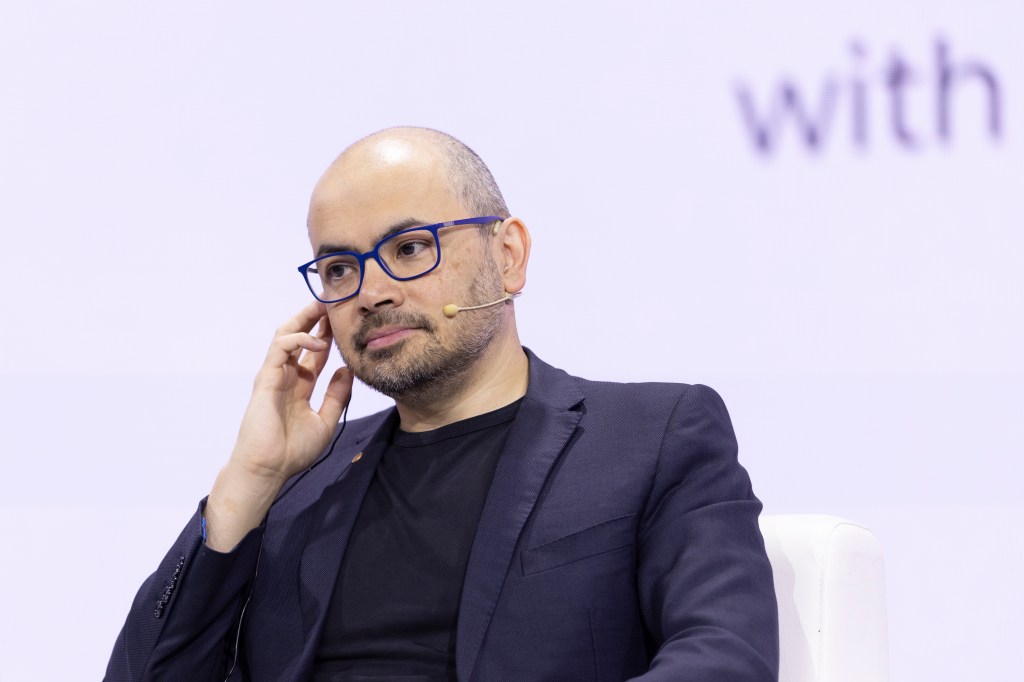
Demis Hassabis, co-founder and CEO of Google DeepMind, in Seoul, South Korea on April 29, 2026. (Photo: Chris Jung/NurPhoto/Getty Images)Demis Hassabis, co-founder and CEO of Google DeepMind, in Seoul, South Korea on April 29, 2026. Chris Jung/NurPhoto/Getty Images

Google DeepMind is undergoing a major restructuring. 

CEO Demis Hassabis is giving up the title to become chairman of the unit and chief scientist of Alphabet, the company said Wednesday, formalizing a shift away from day-to-day management and toward AGI (artificial general intelligence) strategy and scientific applications of AI.

Koray Kavukcuoglu, DeepMind’s chief technology officer and Alphabet’s chief AI architect, is taking over daily operations as senior vice president of Google DeepMind. He will report to CEO Sundar Pichai rather than holding a stand-alone CEO title and will oversee Gemini model development going forward.

Hassabis, who shared the 2024 Nobel Prize in chemistry for his AlphaFold work, wrote to staff that he believes AGI is close at hand and that getting the next steps right is critical for humanity. He added he’ll spend more time at Isomorphic Labs, Alphabet’s AI drug discovery unit, which he has called the top application of AI for improving human health.

Alphabet shares fell around 5% on the news.

The reshuffle lands alongside another departure: Jeff Dean, Google’s chief scientist and a 27-year veteran at the company, is leaving to cofound Discovery Loop, a public benefit corporation aimed at automating machine learning, science, and engineering research. He’s joined by former Googlers Sanjay Ghemawat, Oriol Vinyals, and Quoc Le. 

Alphabet is a founding investor in the new company and will supply cloud compute. 

The timing comes at a difficult time for Google. Gemini 3.5 Pro, the next flagship model, is months behind its original June launch target. The company has also suffered from a string of exits from Gemini’s leadership and research ranks, including losing Gemini co-lead Noam Shazeer to OpenAI and Nobel laureate John Jumper to Anthropic. —Beatrice Nolan
Bending Spoons buys Airtable at a $9 billion discount
Bending Spoons, the former unicorn that posted 95% revenue growth year over year, agreed Tuesday to buy Airtable in an all-cash deal that values the software company at $1.285 billion, with an equity value of about $2.25 billion once Airtable’s cash balance is factored in. 

The deal marks the Italian company’s first acquisition since it went public on the Nasdaq in June.

The price is a steep drop from Airtable’s peak. The database and spreadsheet company, founded in 2013 and serving 80% of the Fortune 100, raised more than $1.4 billion in venture funding and was valued at over $11 billion during the 2021 tech boom.

Why did Airtable’s value fall so far? Part of the answer lies in what happened to software valuations broadly since 2021. The boom rewarded fast-growing subscription companies with valuations that assumed growth would keep compounding. Many of those companies, Airtable included, have since had to prove that growth at a lower multiple, and secondary markets adjusted well before any acquirer showed up.

Bending Spoons has built a portfolio of more than 50 acquisitions by targeting apps it considers well-known but underpriced relative to their user base, then cutting costs and reworking pricing and product design. Airtable fits a pattern that already includes AOL, Eventbrite, Evernote, Vimeo, and WeTransfer.

In a statement, Bending Spoons CEO and cofounder Luca Ferrari tied the price to Airtable’s growth: “The value being delivered is reflected in annual recurring revenue growing over 20% [year over year] to approximately $480 million as of June 2026, and joining forces with Bending Spoons will accelerate innovation even further.”

The deal is expected to close by the end of the year. —Catherina Gioino
DoorDash places an order for future growth
DoorDash said Wednesday that it expects third-quarter gross order value—and profit—to rise above analyst estimates.

The San Francisco delivery company expects the total dollar value of orders placed on its platform in Q3 to be between $33 billion and $34 billion. Wall Street was looking for $32.6 billion.

That prediction comes in the wake of DoorDash beating Q2 expectations with record subscriber growth and improving unit economics.

Why the optimism? Consumers appear to be leaning into convenience, and that inclination goes well beyond takeout meals. DoorDash says it’s seeing sustained demand for grocery and convenience deliveries as well, music to its ears as it diversifies away from its core restaurant business.

DoorDash shares rose about 1%, to $210, in after-hours trading.

Tony Xu’s company, founded a few months before yours truly joined Fortune in 2013, has been firing on all cylinders in an attempt to outrun investor anxiety that has traded down DoorDash shares almost 20% over the trailing year. 

Why the concern? Several reasons: Substantial investment, rising operating costs, and regulatory scrutiny in the form of proposed federal legislation that would prevent food delivery platforms from creating preferential pricing deals with large chains at the expense of smaller competitors.

For now, though, it’s all gravy. The company bet that tweaking its DashPass strategy away from gross margin and toward gross membership would net more total sales; so far, that seems to be working out. And its DoorDash Air drone delivery program, having secured FAA approval, is a glimpse into the company’s next chapter. —AN
More tech
Etsy lays off some 220 employees, or about 12% of its workforce, mostly in product and engineering functions.

OpenAI accounted for more than half of Microsoft's AI sales, according to financial disclosures.

Figma shares plummet 15%, despite a Q2 revenue beat and sunny Q3 outlook, as investors react to the company’s aggressive AI investments.

Meta releases Muse Code, a terminal coding agent powered by its multimodal reasoning model Muse Spark, in beta.

Sandisk shares sink 5% on an underwhelming Q1 revenue forecast. (Demand for its memory is still outpacing supply.)

A Canadian man pleads guilty to hacking Snowflake in 2024, which compromised data from 165 companies.

Trend alert: AI voice startups raised $7 billion in the first quarter of this year.