|
This week's research and innovation headlines and highlights |
|
|
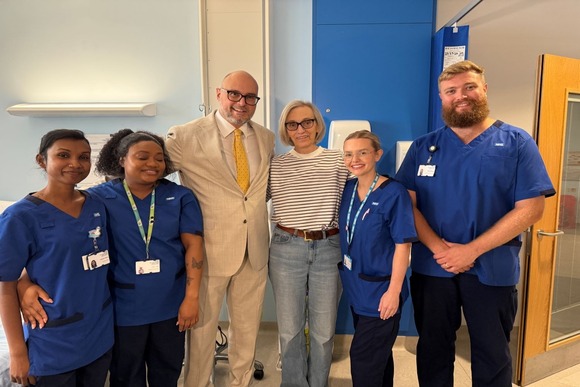
A pioneering therapeutic cancer vaccine, publicly funded by MRC, has been administered to a UK patient for the first time. Clinicians and researchers are studying the tailored vaccine, designed to match the unique genetic changes found in patient Chris Jones’s tumour in this early-stage clinical trial.
Chris, who lives in Hoylake, on the Wirral, has advanced lung cancer that has only partially responded to standard immunotherapy treatment. It is hoped the vaccine will boost her immune system to recognise tumour cells and attack them after searching them out in her body. This will help her benefit from treatment for longer.
|
|
|
Researchers have shown how commonly-used sweeteners slow the growth of certain gut bacteria linked to regulating blood sugar and gut health, which may affect the body’s immune responses.
|
|
|
Scientists have found the first direct evidence of the powerful role our genetic makeup plays in influencing our risk of cancer, with inherited genes interacting with acquired genetic mutations to shape how tumours evolve.
|
|
|
This year marks the 170th anniversary of the Park Grass Experiment at Rothamsted Research. It was originally designed to answer a practical agricultural question: how do different fertilisers and manures affect the yield of hay from permanent grassland?
|
|
|
The vast ocean circulation system that keeps Britain’s climate mild has been predicted to weaken as the planet warms – and scientists are racing to understand what that might mean for our future.
|
|
|
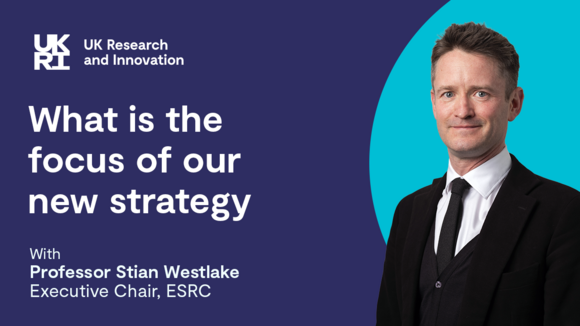
UKRI’s strategy sets out our priorities for boosting research and innovation across the UK. In this video, Stian Westlake, ESRC Executive Chair, outlines the strategy’s goals and how they will be delivered. He explains our commitment to support curiosity-driven research, deliver societal and government priorities, help businesses start and scale, and invest in infrastructure and people.
|
|
|