| | An AI-focused hedge fund sells its holdings after big losses, Europe’s soccer federation votes to bo͏ ͏ ͏ ͏ ͏ ͏ |
| |  | Flagship |  |
| |
|
The World Today | 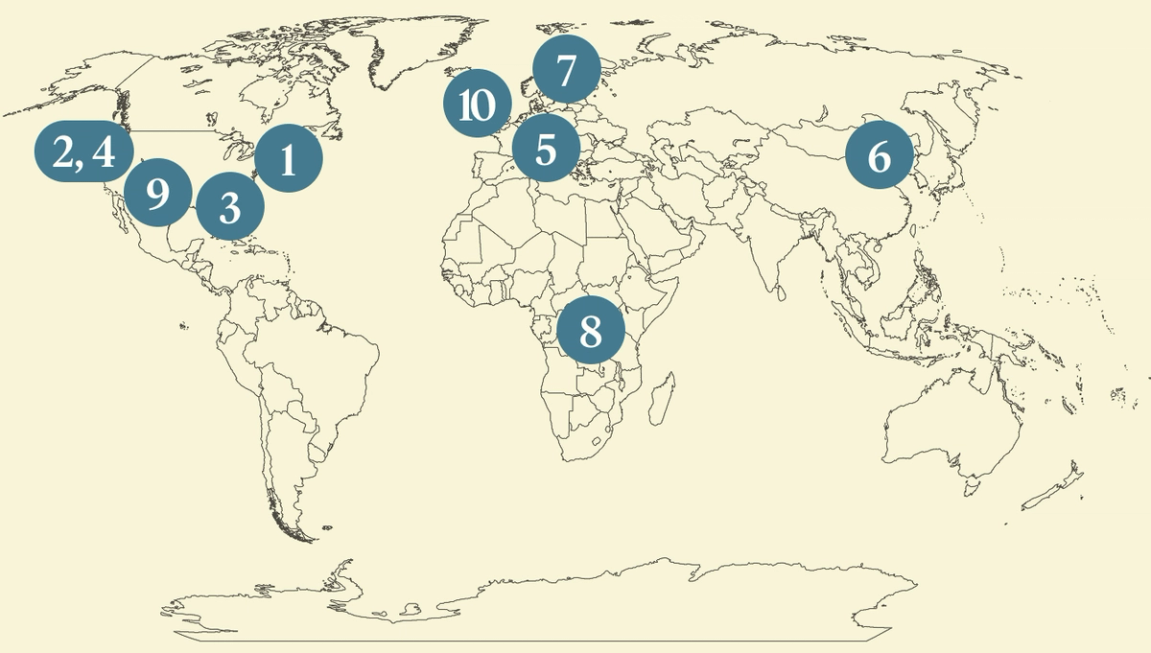 - US bond yields rise
- US economy slows
- AI hedge fund collapses
- Meta’s risky AI bet
- Revolt over FIFA plan
- Gulf lobbies China
- Sweden’s new spy agency
- An Africa map fiasco
- US food safety concerns
- Burnham’s power T-shirt
 An exhaustive study of hooliganism. |
|
US yields spike in Fed ‘credibility shock’ |
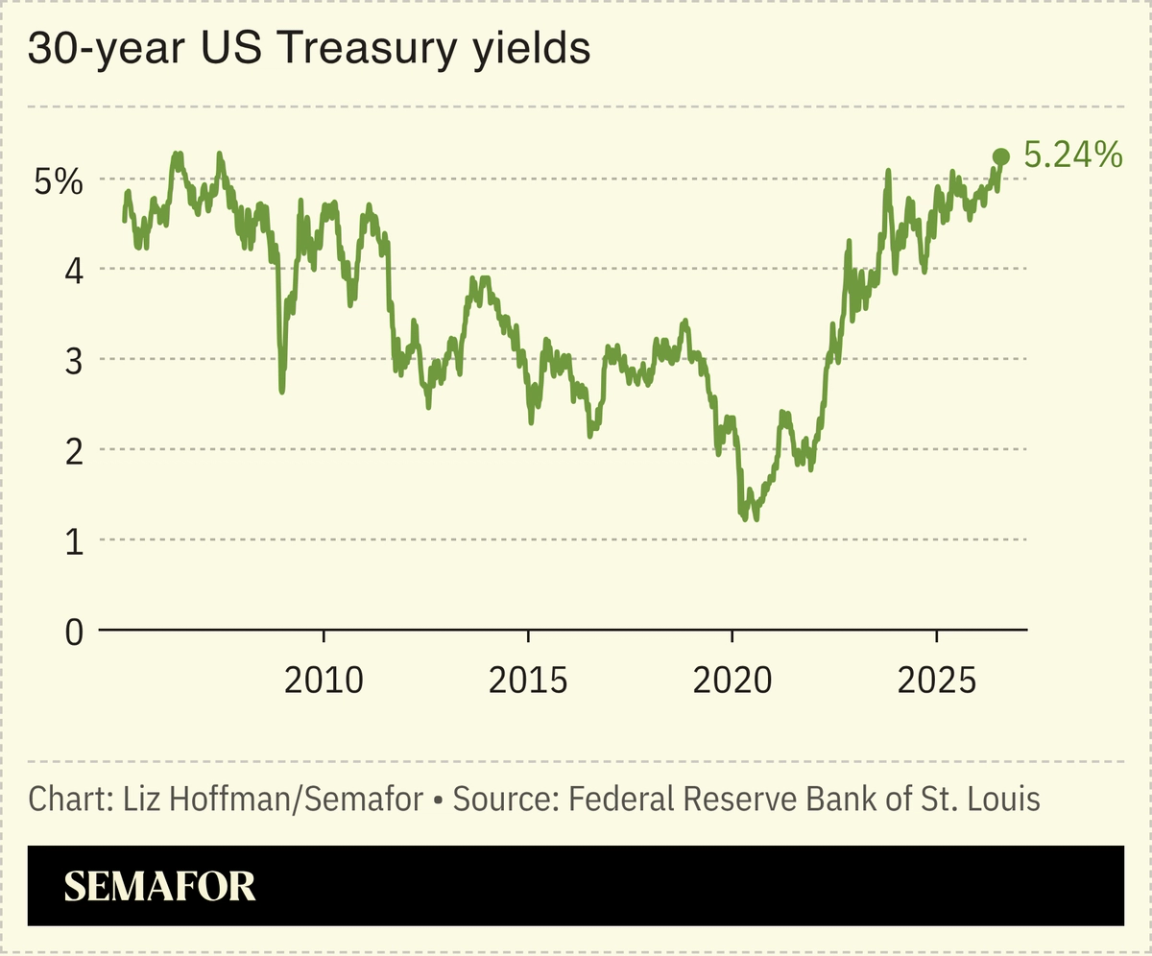 US long-term borrowing costs hit their highest levels since 2007 as investors reacted to the Federal Reserve chair paring back the bank’s forward guidance practice. Kevin Warsh has argued the market overrelies on such telegraphing, narrowing the Fed’s range of actions. The result was a “classic central-bank credibility shock,” a Bank of America strategist said, with yields spiking and stocks declining. Warsh wants investors to “play the ball, not the referee,” but analysts argued that investors have no choice but to anticipate the Fed’s actions in a tumultuous economic environment. “Warsh is retraining investors to do their own work,” Semafor’s Liz Hoffman wrote — no small feat “after more than a decade of hand-holding by a central bank wary of surprising the market.” |
|
AI imports drag on US growth |
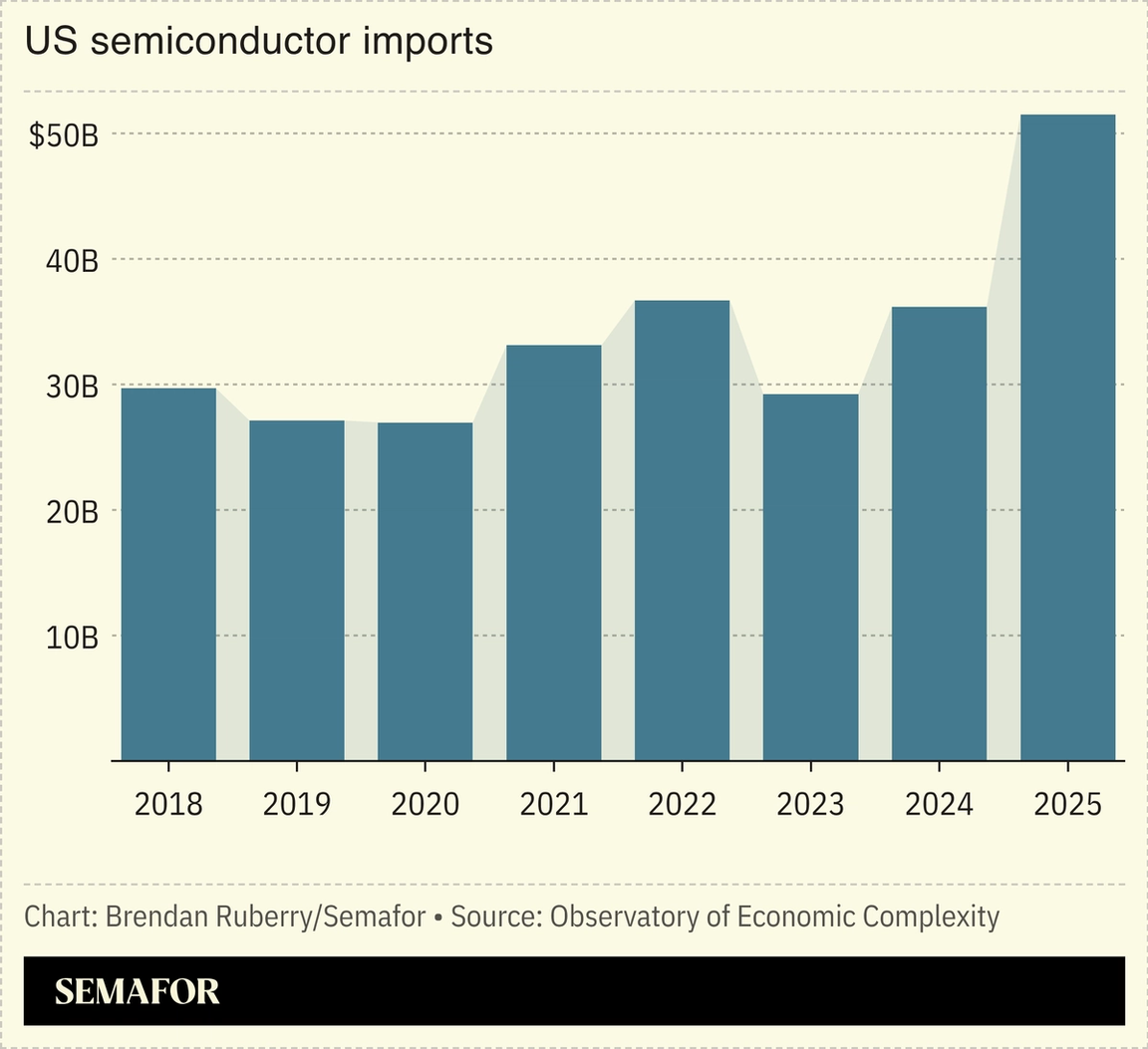 The US economy grew more slowly than expected in the second quarter, as AI-related imports weighed on otherwise robust economic data. Consumer spending picked up despite inflation and business investment driven by the AI buildout remained strong, but that AI boom cut against overall growth, as the country imported more semiconductors. The economy in the first 18 months of US President Donald Trump’s tenure has withstood a “series of policy-driven economic shocks,” including tariffs and the Iran war’s energy crisis, better than economists expected, Reuters wrote. But recent polls reflect a darkening economic mood ahead of the midterm elections: 65% of Americans felt that Trump’s policies have worsened economic conditions, a CNN poll found. |
|
AI hedge fund sells holdings after chip rout |
 Citadel CEO Kenneth Griffin. Elizabeth Frantz/Reuters Citadel CEO Kenneth Griffin. Elizabeth Frantz/ReutersA high-flying hedge fund founded by former OpenAI researcher Leopold Aschenbrenner dumped its stock holdings to Citadel after an AI-driven tech selloff rattled markets. Situational Awareness had ballooned to $45 billion at the start of July, but was hit as several of its biggest holdings, including chipmaker SK Hynix, tumbled in recent weeks. The episode is shaping up to be a “significant test of the investment thesis that made Aschenbrenner one of the most closely watched figures in the AI trade,” CNBC wrote: He bet that powerful AI systems would fuel a massive buildout of chips, data centers, and electricity. The situation is “an AI-age sequel” to the 2021 Archegos collapse, Semafor’s Business team noted, triggered by concentrated, leveraged stock bets. |
|
Meta plunges on AI spending scrutiny |
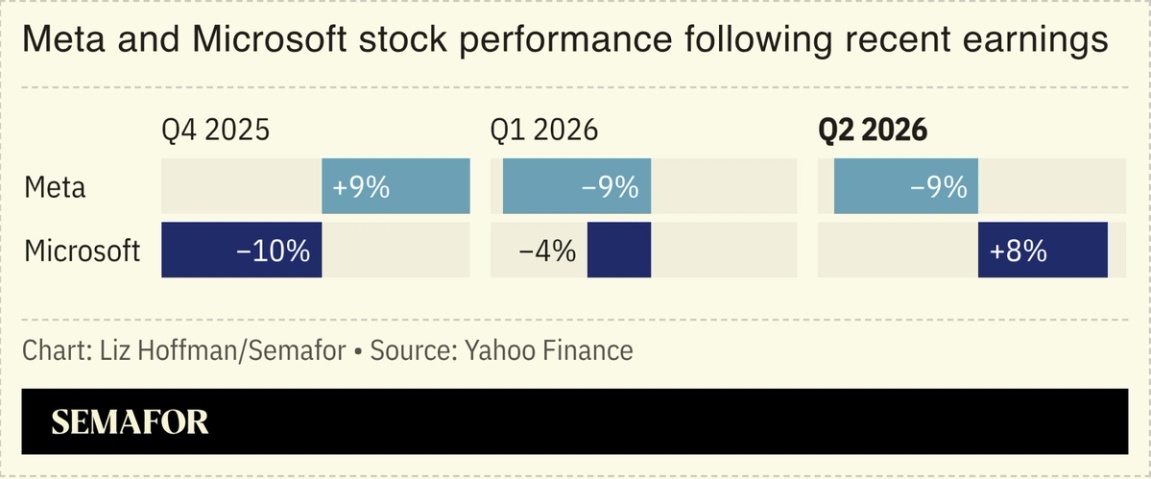 Meta’s stock plunged 8% Thursday, continuing its historic losing streak after lackluster earnings and revenue projections dimmed investor confidence in CEO Mark Zuckerberg’s AI vision. The company, which is pushing more premium social media services to fund its eye-watering AI bills, could enter negative free cash flow for the first time since 2012, as it gears up to double its compute capacity. Zuckerberg, who railed against “centralized power” in AI, suggested Meta could lease out compute to raise revenues, while its models continue to underwhelm. Meanwhile, Microsoft’s shares jumped on faster cloud growth. Meta has little record of building beyond its core business, and investors should decide whether its AI push represents “diversification or distraction,” an analyst told the BBC. |
|
Europe revolts against FIFA plan |
 Benoit Tessier/Reuters Benoit Tessier/ReutersEurope’s soccer federation voted to boycott the World Cup on Thursday, after FIFA moved to spin off its commercial rights to private investors. The $20 billion plan blindsided the soccer world: UEFA said its boycott of all FIFA competitions will persist as “long as these proposals remain alive.” FIFA’s North American confederation publicly rejected the plan, and FIFA’s Asia chief called it “unacceptable.” For FIFA President Gianni Infantino, who defended the initiative as a “golden opportunity,” it represents a chance to pull the soccer body deeper into US President Donald Trump’s orbit, with the involvement of his son-in-law’s brother. But the revolt imperiled Infantino, as Europe contemplated replacing him with Nasser Al-Khelaifi, a hugely influential figure in European club soccer. |
|
Gulf pushes China to restrain Iran |
 China’s foreign minister Wang Yi. Achmad Ibrahim/Pool via Reuters China’s foreign minister Wang Yi. Achmad Ibrahim/Pool via ReutersGulf states are pushing for China to rein in Iran as doubts grow about the US’ ability to end the five-month conflict. The Gulf is hoping that Beijing will use its economic clout to steer Tehran to a negotiated deal that will reopen the Strait of Hormuz, as fresh strikes and new threats to the region’s energy exports have “exposed the limits of American power,” Reuters reported. Beijing has recently stepped up diplomacy in the Gulf, with its top diplomats engaged in talks about a ceasefire. Still, Gulf governments have tempered their expectations about forming a security partnership with China, which is reportedly providing Iran with satellite imagery and shoulder-launched missile systems. |
|
Sweden launches spy agency |
 Fabrizio Bensch/Reuters Fabrizio Bensch/ReutersSweden is launching a new spy agency, one of several countries shaking up their intelligence systems in the face of Russian belligerence and strained transatlantic relations. Stockholm’s existing military-intelligence service missed Moscow’s preparations for the 2022 invasion of Ukraine, and the new Foreign Intelligence Service is designed to prevent repeats of “that embarrassing blunder,” The Economist reported. Germany is attempting to free its own service from privacy laws that limit its effectiveness, and several European countries have discussed an intelligence-sharing network akin to the Anglophone “Five Eyes” group, to reduce reliance on the US. Japan is also building a central intelligence agency for the first time since World War II, while Russia has stepped up industrial espionage efforts. |
|
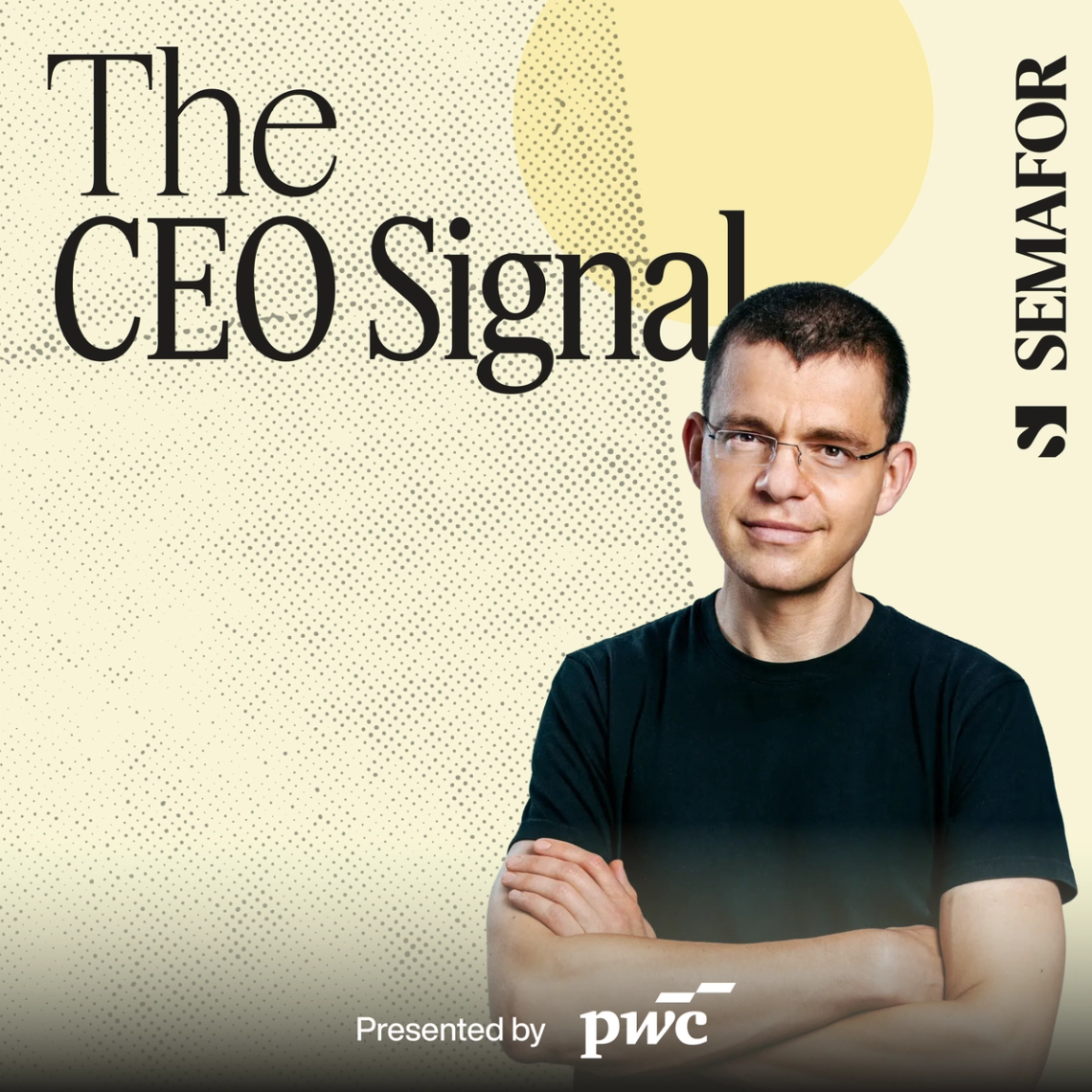 Affirm founder and CEO Max Levchin wants his financial technology company to act like your “smarter older sister”: giving customers good advice and sometimes telling them, “This is more than you can afford.” It’s a deliberately different approach to financial services, one that rejects business models built around customers making bad decisions. And Levchin believes it will become more of an advantage as AI makes it easier to spot hidden costs. In the latest episode of The CEO Signal, presented by PwC, Levchin tells Penny Pritzker and Andrew Edgecliffe-Johnson why immigrant engineers see the CEO’s role differently, and why he studies sci-fi to understand AI — and prevent its most dystopian future from happening. |
|
State Dept. displays inaccurate Africa map |
 Picture obtained by Reuters Picture obtained by ReutersThe US State Department mislabeled every country on a map of Africa displayed during a presentation at a global AIDS conference in Brazil this week. The map, which Reuters suggested was made with OpenAI tools, showed Nigeria as landlocked, misplaced Mozambique in the Horn of Africa, and relocated Ivory Coast across the continent. The State Department acknowledged the “confusion” its map caused. The mishap comes as reports reveal the public health toll of the Trump administration’s cuts to PEPFAR, the US’ flagship HIV initiative; Washington is pulling PEPFAR funding for South Africa, home to the world’s largest HIV epidemic. The map was not only “disrespectful,” an AIDS expert argued, but underscored the US global health strategy’s “loose relationship to the facts.” |
|
US food safety concerns mount |
 Andrew Kelly/Reuters Andrew Kelly/ReutersThe US is undergoing simultaneous cyclospora and salmonella outbreaks, raising concerns about the country’s food safety system. More than 11,500 people are believed to have developed the former, a diarrheal illness, with the largest flare-up linked to iceberg lettuce sold to fast-food restaurants. A further 100 have caught salmonella from contaminated eggs. Cyclospora is seasonal, and cases have been rising since the 1990s, but recent cuts to the food and disease monitoring programs may have slowed the response to the ongoing, record outbreak: A former Food and Drug Administration executive said that Washington’s handling had been “catastrophic,” not least because the health secretary declar |
|
|


