| | In today’s edition: Fresh attacks on Saudi Arabia, novel drugs in Abu Dhabi, and a borrowing spree a͏ ͏ ͏ ͏ ͏ ͏ |
| |  | Gulf |  |
| |
|
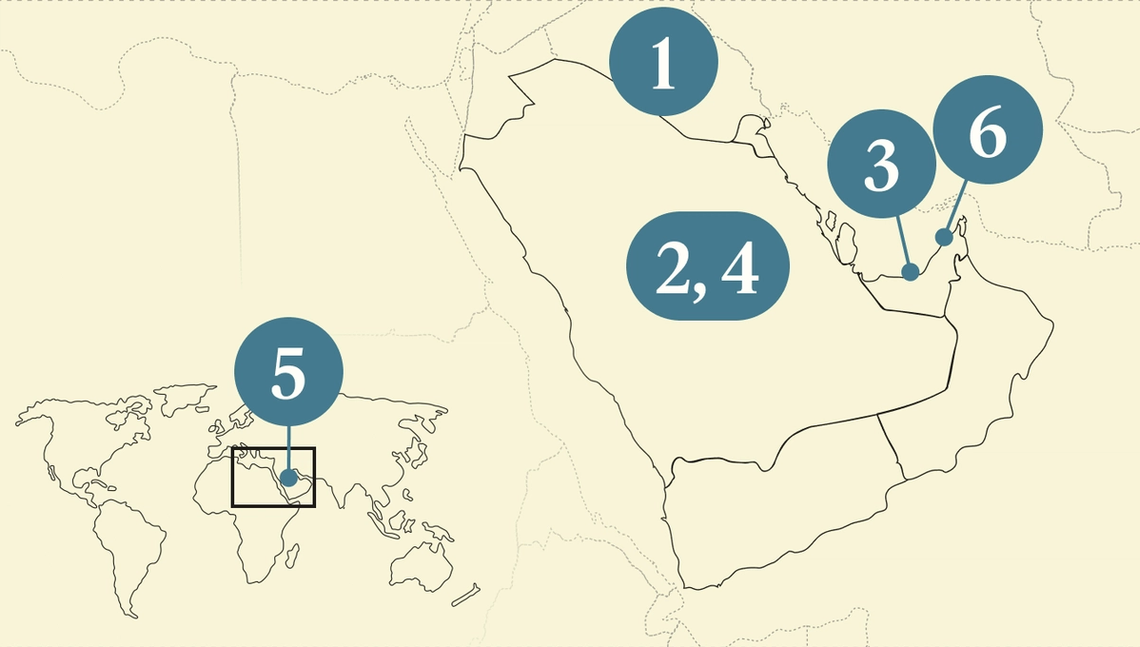 - Iran proxies step up attacks
- Saudi crude shipping costs
- Abu Dhabi AI drug discovery
- PIF, Brookfield fund close
- Record Gulf debt issuance
- DIFC lures firms in first half
 What happens to abandoned ghost tankers? |
|
Hormuz talks and Iran-proxy threats |
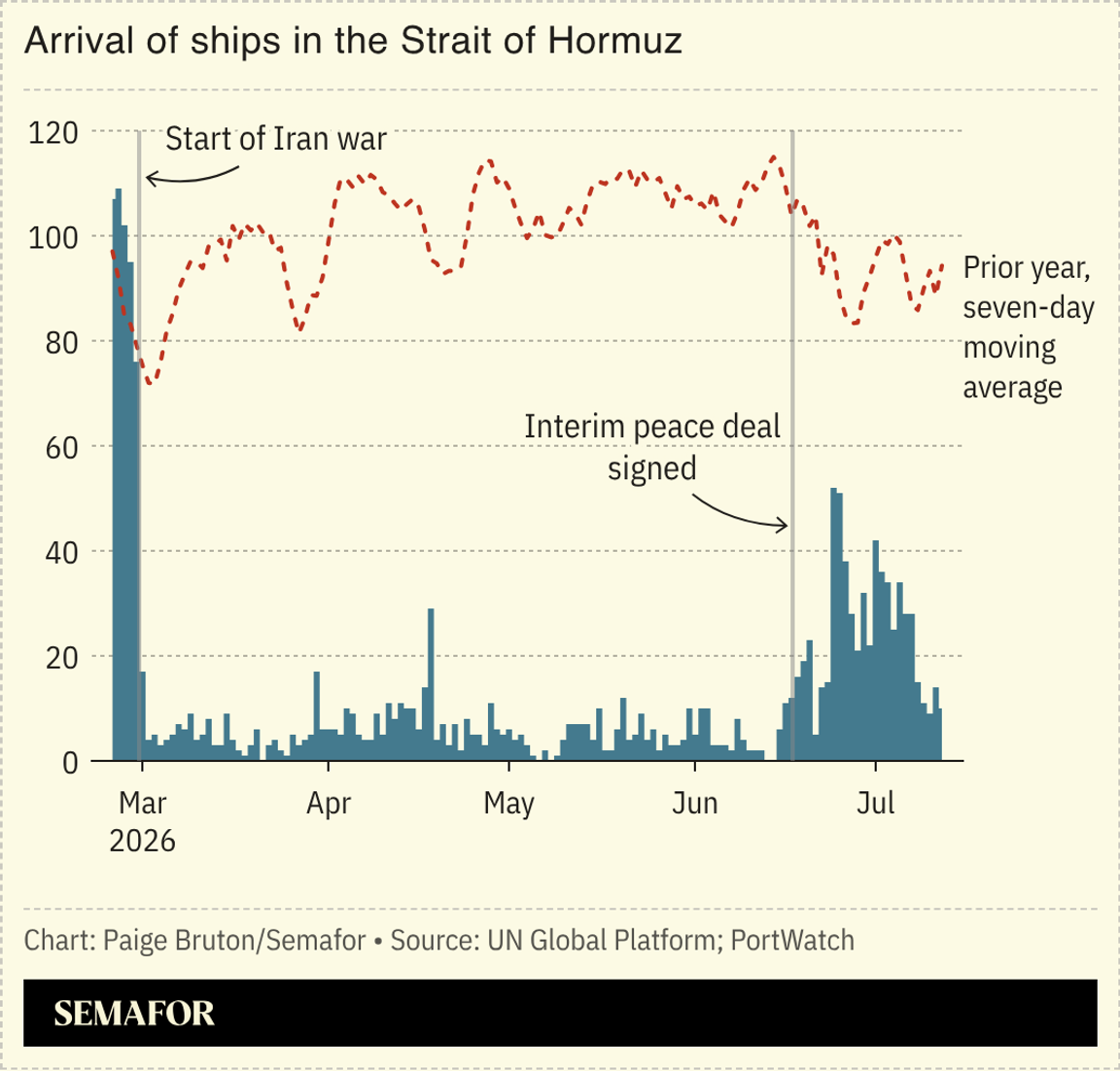 Five months into the US-Israel-Iran war, there’s no end in sight. While the direct confrontation has paused in recent days, Tehran’s proxies in Iraq and Yemen have stepped up attacks on Saudi oil infrastructure, and Gulf economies remain hampered by broken supply chains. US President Donald Trump has again shifted his tone, moving from military threats to a more hopeful assessment of diplomacy and telling Axios he has “plenty of time” to strike a deal. Omani and Iranian negotiators are reportedly making progress on talks to restart traffic through the Strait of Hormuz. That could pave the way for broader US-Iran negotiations. Oil prices tumbled on Monday, with Brent falling below $85 a barrel after soaring above $100 last week when the latest flare-up peaked. One lesson from the conflict is that the global energy system had enough buffers to absorb the disruption to nearly a fifth of the world’s oil and liquefied natural gas supplies. The question is how much longer those buffers can last, especially as Saudi Arabia’s main export route through Bab el-Mandeb is now threatened by Yemen’s Houthis. For other war highlights, see this New York Times timeline. |
|
Saudi crude’s costly journey to Asia |
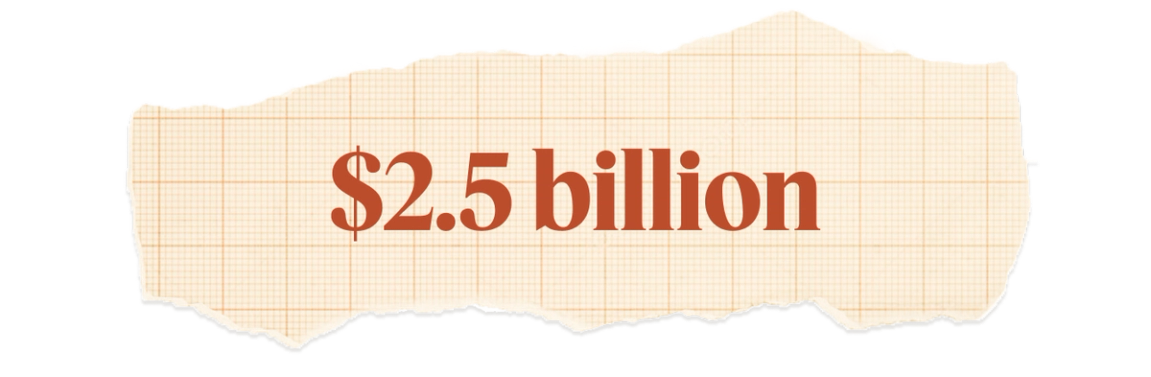 With the Strait of Hormuz and Bab el-Mandeb disrupted, Saudi Arabia’s crude has one last exit: Egypt’s Suez Canal. But the detour is costly: Reuters estimated the longer route adds about $2.5 million in shipping costs per journey to Asia, stretching a typical voyage to Taiwan from 19 to 48 days via Suez, the Mediterranean, and around the Cape of Good Hope. The Suez Canal is also a bottleneck. Very Large Crude Carriers — the workhorses of Saudi Arabia’s export fleet — are too big to sail through fully laden. Instead, barrels must be offloaded and pumped through Egypt’s Sumed pipeline before being reloaded in the Mediterranean. Israel’s Eilat-Ashkelon pipeline is the other Red Sea-Mediterranean link: In the past, moving Saudi crude through that would have been “unthinkable,” writes Bloomberg’s Javier Blas, but “desperate times may call for desperate measures.” — Mohammed Sergie |
|
Semafor Exclusive Insilico credits Abu Dhabi with AI drug discovery |
 Al Lucca/Semafor Al Lucca/SemaforBiotech firm Insilico Medicine relied on researchers in Abu Dhabi — and the emirate’s relatively cheap access to AI computing power — to find a potential breakthrough painkiller that could work without the addiction risk of opioids. It is the company’s second preclinical drug to emerge from its Abu Dhabi research facility. CEO Alex Zhavoronkov told Semafor that the drug, which now moves toward trials, could be as transformative for pain treatment as GLP-1 drugs (such as Ozempic and Wegovy) have been for obesity, meeting the massive demand for non-addictive pain treatment. Insilico is among a growing group of biotech firms using AI to shrink the timeline to create new drugs. Abu Dhabi wants to be part of this potentially lucrative innovation wave and is pouring billions of dollars into attracting firms to do cutting-edge research and manufacturing from the UAE capital. Insilico is offering an early sign of success. — Kelsey Warner |
|
PIF backs Brookfield’s $2B Gulf fund |
 Courtesy of PIF Courtesy of PIFBrookfield raised $2 billion for a Middle East-focused private equity vehicle backed by Saudi Arabia’s Public Investment Fund. The new fund, which will be one of the largest focused on the region, reached a first close with unspecified commitments from PIF and other global and regional investors, as well as $500 million from Brookfield itself. The fund will allocate 50% of its investments to Saudi Arabia, in a move that supports PIF’s goal of attracting more foreign capital into the kingdom. It is a sign of how Wall Street’s biggest firms continue to show commitment to the Gulf, despite the region being dragged into the Iran war. Brookfield’s new fund is also an indication that global investors see opportunities in Saudi Arabia’s efforts to diversify and develop its economy. PIF signed an agreement with I Squared Capital to deploy up to $2 billion in the kingdom earlier this month. — Matthew Martin |
|
Gulf states go on debt spree |
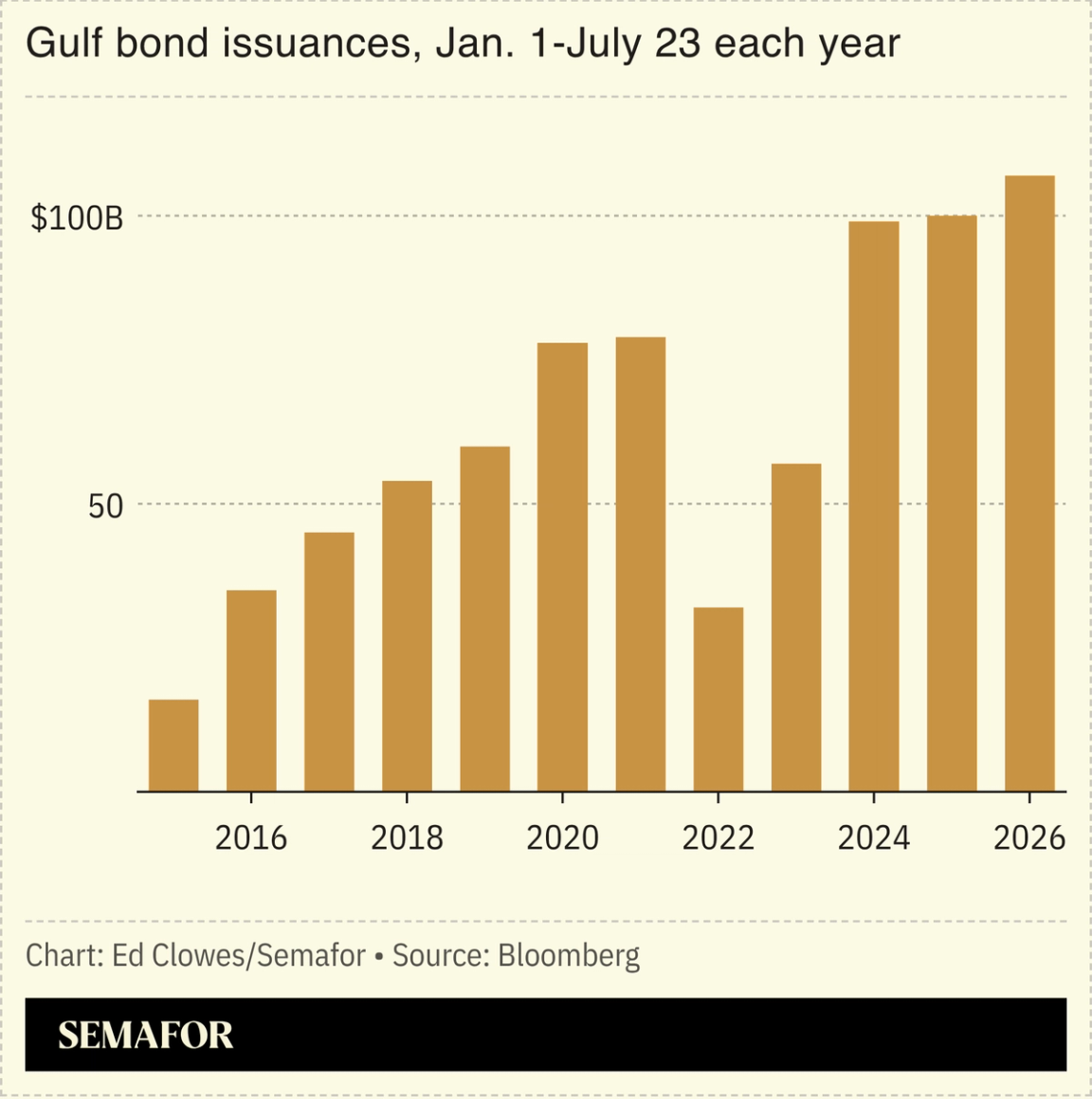 The Iran war is spurring record borrowing by Gulf states looking to harden their infrastructure and build trade routes that do not rely on the Strait of Hormuz. Countries including the UAE and Saudi Arabia are weighing billions in spending on new or expanded ports on the Red Sea and Gulf of Oman, along with oil pipelines and upgraded desert roads. Regional bond sales have reached $112 billion so far this year, a record level according to Bloomberg, and government funding teams have sounded out banks about borrowing more. With the region’s trillions of dollars in sovereign wealth assets and large foreign exchange reserves, most Gulf states make for creditworthy borrowers. Demand is strong: Kuwait’s $6 billion sale earlier in July was more than twice oversubscribed, although the cost of borrowing was notably higher than prewar issuances. |
|
Dubai hub passes 10,000 companies |
 Courtesy of DIFC Courtesy of DIFCThe number of active businesses at the Dubai International Financial Centre has increased 30% over the past year to 10,018, according to figures issued by the hub. It is the first time the register has reached five figures, building on the 39% expansion in 2025. The number of regulated financial services firms was up 16% to 1,134, while AI, fintech, and “innovation” firms increased 39% to 1,933. Dubai’s ability to attract more companies comes despite the disruptions of the Iran war and strong competition from rival hubs like Abu Dhabi and Riyadh. However, the figures do not offer any insight into the scale of registered companies’ operations. The DIFC said the district’s workforce was 50,200 in December. More office space came online in March at DIFC Square, to be followed by the $27 billion Zabeel District by 2040. |
|
 Courts- The UK Supreme Court ruled that Bahrain could not assert state immunity in a case brought by two dissidents who alleged their computers were hacked by agents acting for the Gulf country, which caused them “psychiatric harm.” — Reuters
Finance- Abu Dhabi Finance Week will return to Al Maryah Island Dec. 7-10 with an expanded footprint, hosted by ADGM. Last year’s event drew the likes of Bill Gates, Ray Dalio, and Stephen Schwarzman.
Sovereign Wealth- Saudi Arabia’s Public Investment Fund signed an agreement with the US Export-Import Bank to provide up to $15 billion in financing for Saudi companies to procure US goods and services. PIF and its portfolio companies have procured $65 billion from the US since 2017, making it the fund’s top international market.
- PIF also signed $9.5 billion of agreements with the World Bank’s private sector arms to help create jobs, support economic development, and attract investment with PIF related companies.
Tech- Abu Dhabi’s AI champion G42 joined the Open Secure AI Alliance set up by chipmaker Nvidia in an effort to promote safer AI software and agents. — The National
- First Abu Dhabi Bank has taken a $1 billion share of a $40 billion loan arranged by SoftBank for OpenAI. Standard Chartered also contributed about $1 billion, with nearly 20 other firms from Europe, Japan, and Taiwan providing the rest. — Bloomberg
|
|
 Provided by SynMax Theia Maritime Intelligence Platform via Satellogic Provided by SynMax Theia Maritime Intelligence Platform via SatellogicOman may be left paying to clean up an oil spill it had no part in causing. The Caroline Bezengi, a Suezmax tanker hauling Russian crude to India, is leaking off the Dhofar coast, inside a protected reserve with a coral reef and turtle nesting grounds. Satellite imagery shows the partially submerged vessel, with what maritime intelligence firm SynMax called a “feature consistent with an oil slick” off its port side. Shipping sources blame a Ukrainian limpet mine. Muscat’s transport ministry threatened legal action if the vessel wasn’t removed by July 23. But the ship belongs to the shadow fleet used by countries like Russia and Iran to move sanctioned barrels and its true ownership is obscured. The ship’s registered owner is a dead-letter box in a Shanghai apartment block. It reportedly carries no war risk cover. There is nobody to send the bill to. — Ed Clowes |
|
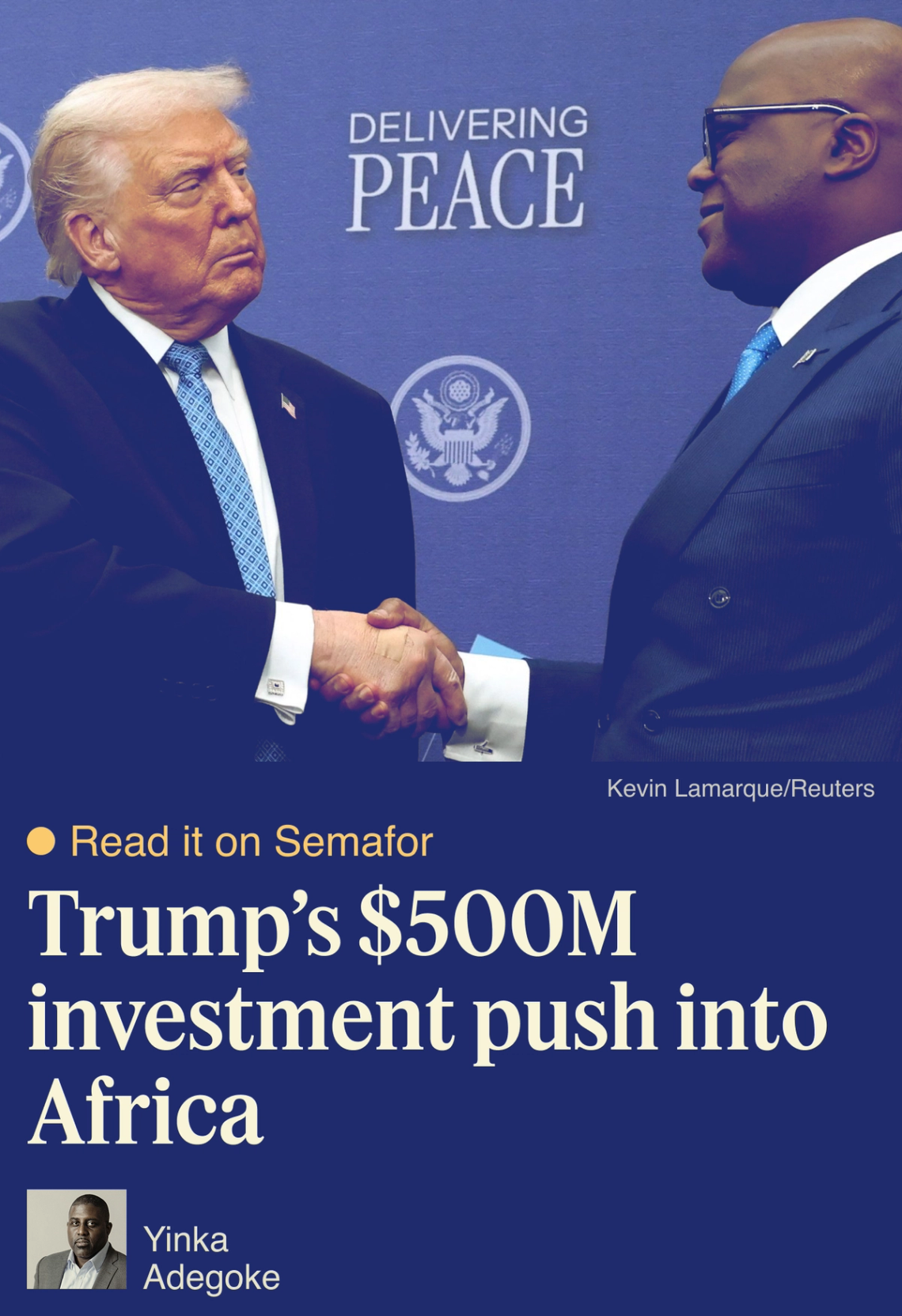 View: A new State Department initiative embodies the US administration’s pledge to prioritize “trade over aid,” using development dollars to create the conditions for private investment. → |
|
|
|


