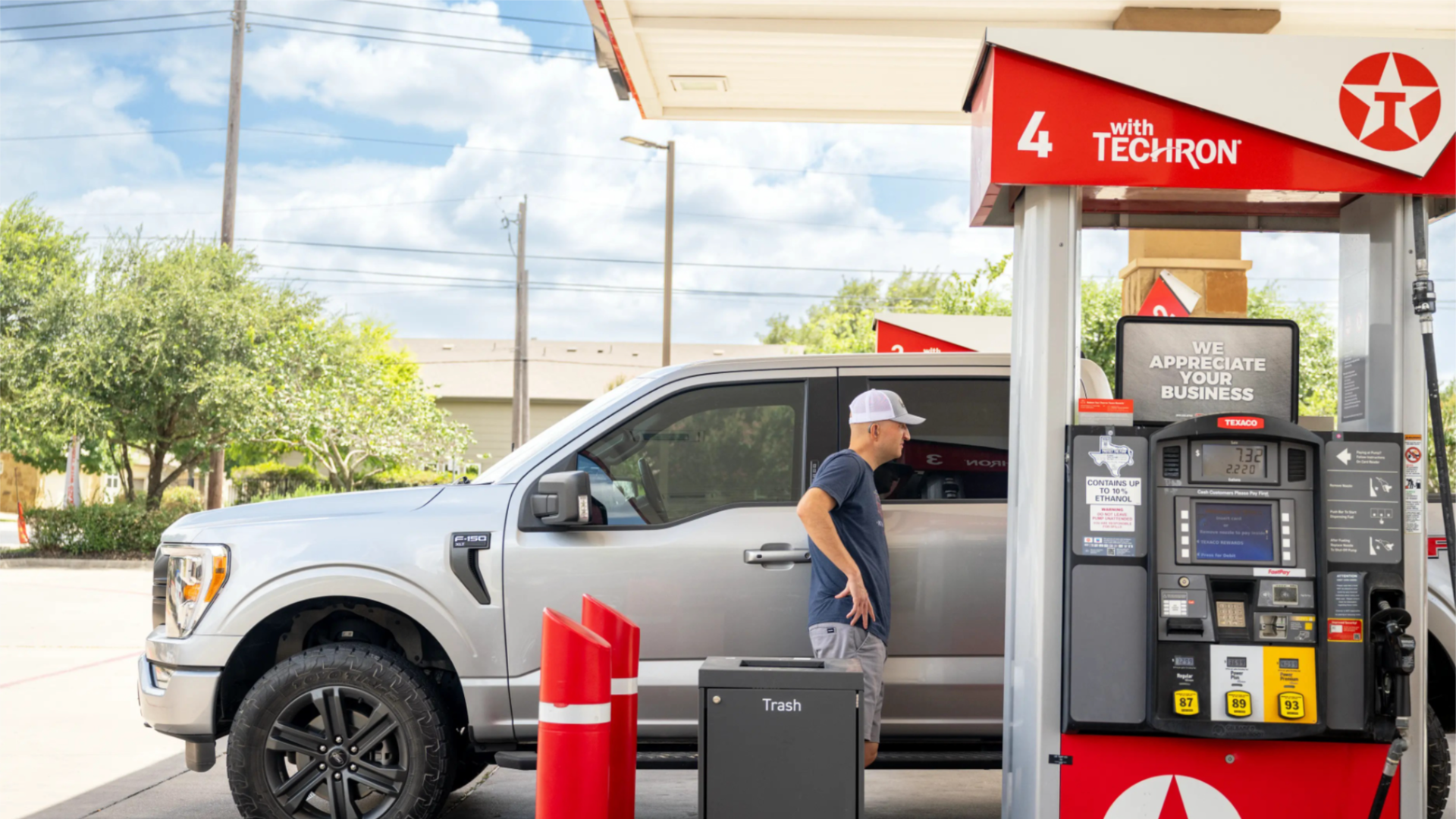
Ride shares, delivery services and other gig-worker occupations thrive because of a basic economic evolution: Time has become the most valuable commodity on offer today. When new company after new company is an app-based service designed to make life more convenient, consumers grow ever more accustomed to handing off tasks. And beyond fields for tips, little thought generally goes into the pay of the drivers ferrying food and other gig workers hustling to make ends meet.
But only a fraction of the fees paid for such services goes to the people making life easier. While some cities and states have passed laws setting a minimum wage for delivery drivers, people elsewhere or in other industries can be on the clock full time yet still struggling.
A federal report out last week found an uptick in full-time U.S. workers who rely on federal benefits to afford such basic needs as food and healthcare — and importantly, there’s been a huge shift in who’s employing them. This is a preview of a column by Hayes Brown. Read the full column here. |