A cheap B vitamin cut new glaucoma cases by two-thirds |
Glaucoma progresses in silence. There’s no pain, no warning, but by the time a gap opens in your vision, it is gone for good. Some 95 million people worldwide live with the condition. So here’s a bright note for a Sunday: one of the cheapest vitamins on the shelf may help hold it off.
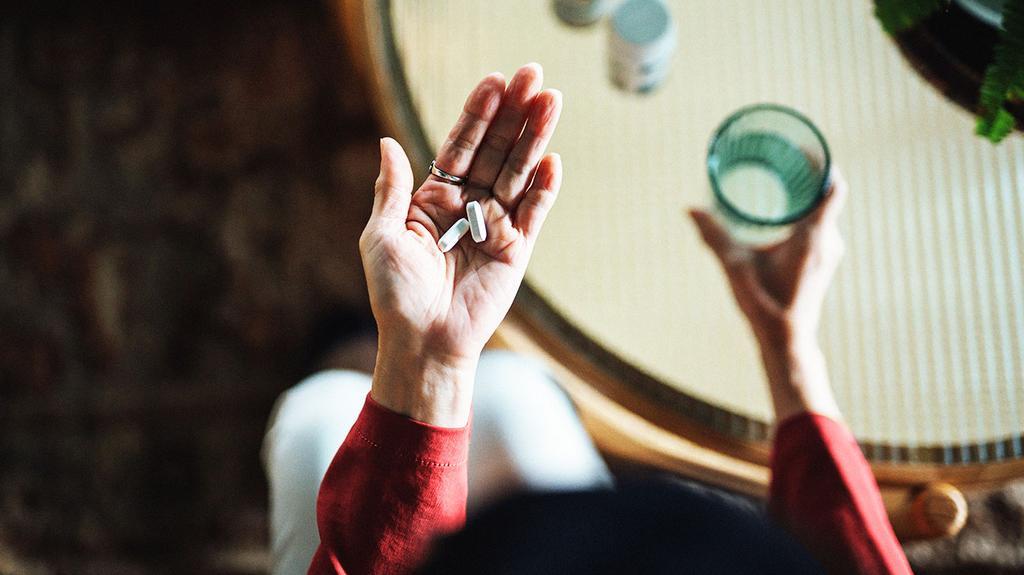
A new study in JAMA Ophthalmology has caused a stir among ophthalmologists. Among nearly 2,900 people with raised eye pressure — the strongest early warning for glaucoma — those taking nicotinamide, a form of vitamin B3, were 66% less likely to develop the disease over the next 3.7 years. Fifty-one went on to a diagnosis, against 132 in those who did not take it.
Almost every glaucoma treatment lowers eye pressure, but nicotinamide appears to do help maintain the energy supply of the optic nerve’s cells so they better withstand damage. The supplement group also needed 43% fewer pressure-lowering drops and 62% less laser surgery.
Ariana Levin, MD, of NYU Grossman School of Medicine, who wasn’t involved in the study, sees the appeal: “This article is exciting because it focuses on early prevention. It also focuses on a potential therapy that doesn’t act by lowering eye pressure.” And because the damage caused by glaucoma is irreversible, catching it early is everything: “Once a patient has glaucoma, they have that diagnosis for life.”
But there is a catch, and it’s a big one. The records only showed who took vitamin B3, not their dosage.
“The study categorized those that were taking any supplementation of vitamin B3 as having ‘exposure’ to nicotinamide,” noted ophthalmologist Benjamin Bert, MD. Too much can strain the liver, and a 2025 joint statement from two ophthalmology bodies highlighted this risk.
For a disease we can only manage but not cure, the hint that something so ordinary might help is reason enough to keep an eye on this development.
To learn more about this research, jump to “Vitamin B3 supplementation linked to 66% lower glaucoma risk.”
Also making headlines this week:
☕ Up to 5 coffees a day are safe for your heart, says the AHA
| |


