
|
Big Technology is possible thanks to support from our readers. Sign up today to help us do this work and gain access to perks like members-only articles and our private Discord server:
Apple’s lawsuit against OpenAI makes serious claims. Will they matter?
Apple usually tangles with companies after they ship a product, now it's going after a pre-product, former partner.
|

| |||||||||||||||


 |
Apple doesn’t sue often. When it has, it’s usually gone after companies like Qualcomm and Samsung that are already shipping competing products. But now, it’s suing a pre-product rival with a complaint against OpenAI.
The lawsuit, filed by Apple on Friday, alleges theft of trade secrets and a months-long campaign to accelerate OpenAI’s hardware business. Defendants named by Apple include OpenAI and two former Apple employees including OpenAI chief hardware officer Tang Tan, a 24-year Apple veteran who led design on the iPhone and Apple Watch. The other employee named is former Apple engineer Chang Liu, who allegedly downloaded confidential files, including manufacturing and testing details for Apple’s circuit boards even after leaving the company..
If true, the claims detail what lengths OpenAI goes through to get ahead as a new entry in a massively competitive category: “Rather than investing what legitimate development would require, OpenAI has turned to trade secret misappropriation to free-ride off Apple’s decades of innovation,” the lawsuit said.
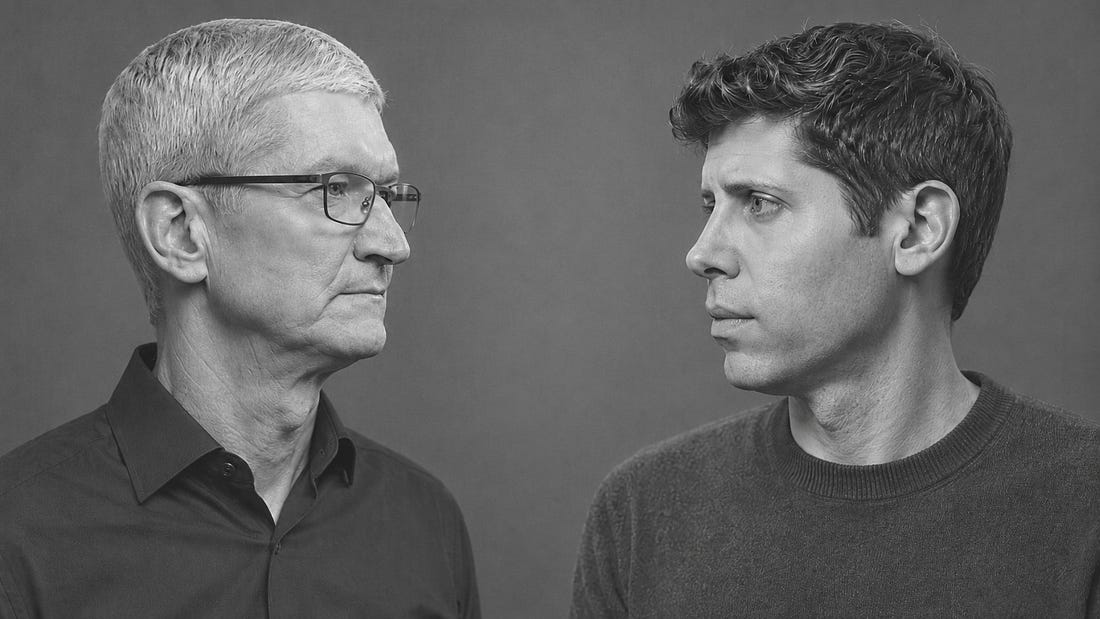
OpenAI said it has “no interest in other companies’ trade secrets” and remains “focused on building innovative technology that empowers people everywhere.” And in a reply on Saturday to a user on X, OpenAI co-founder Sam Altman seemingly commented on Apple’s lawsuit by saying “i am not afraid of apple, but i have tremendous respect for them. s-tier company.”
While some have likened the lawsuit to the infamous 2017 case between Waymo and Uber, the OpenAI lawsuit also has some parallels to a more recent case filed by Apple in 2022, when it alleged some former chip designers did something similar when they left to found Rivos, which the parties settled two years later.
A key unanswered question is how much did what OpenAI allegedly stole help it develop a product that has yet to release.
Apple says each category of trade secrets “derives independent economic value from its secrecy” and asks the court for injunctive relief, a jury trial, and discovery to help reveal the full extent of the alleged theft.
Even if Apple gets help from the court, it’s unclear if relief will even matter. If OpenAI did what Apple says, it’ll be hard to reverse the knowledge likely already applied to development of whatever OpenAI is developing — unless the court ordered a clear stop. Just like IP-related lawsuits against OpenAI’s main AI business haven’t slowed down progress, will the same happen for the hardware side?
A few of the many things Apple alleges in its complaint:
It says Tang Tan, whose hardware startup io was acquired by OpenAI last year, used internal Apple project codenames while interviewing Apple employees for roles at OpenAI jobs while also asking them to bring physical parts to their interviews.
It says former Apple engineer Chang Liu downloaded confidential files, including manufacturing and testing details for Apple’s circuit boards even after leaving the company. Apple also alleges theft of its supplier relationships and manufacturing techniques.
Apple alleges OpenAI misappropriated trade secrets by misleading one of Apple’s trusted partners into performing proprietary metal-finishing processes that produced goods for OpenAI’s benefit. The complaint also notes the partner was falsely led to believe Apple had authorized the work.
It says there is a lot it doesn’t know yet: “Discovery will expose that the misappropriation has been occurring on a scale many times greater than the several instances described below.”
It also notes 400+ former Apple employees are now working at OpenAI and claims OpenAI tells new hires how to avoid scrutiny when they leave Apple.
Big Technology’s Conversations at ServiceNow’s Knowledge (Sponsor)
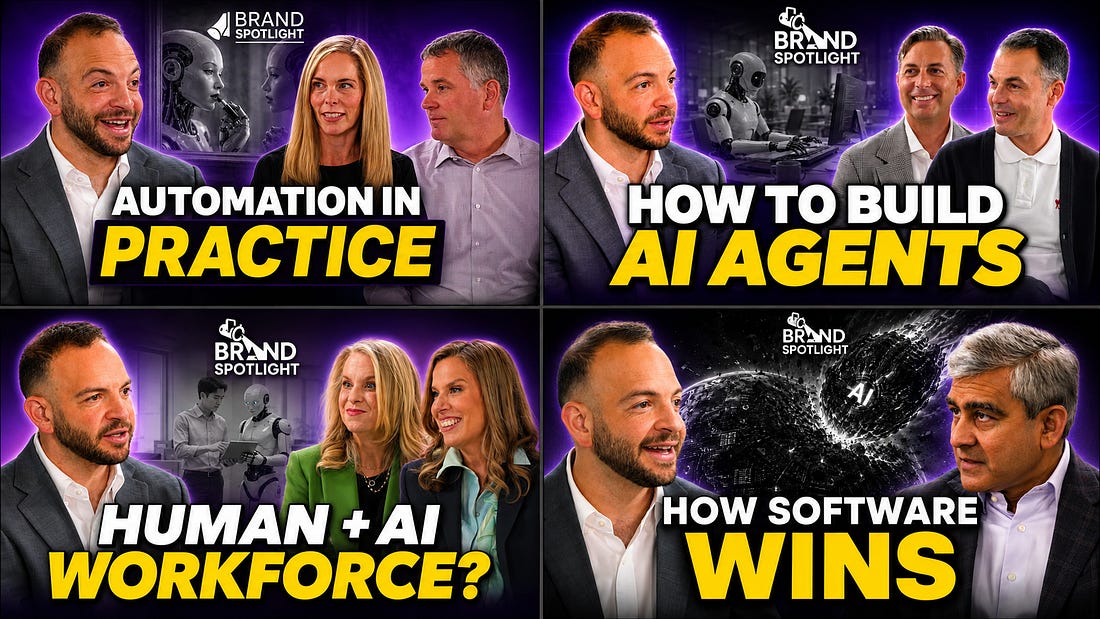 |
All four conversations from my time at Knowledge, ServiceNow’s flagship enterprise AI conference, are out. I sat down with ServiceNow’s top product and people executives, an NVIDIA product strategy leader, and the team behind Ulta’s ambitious AI deployments to get into the questions that actually matter: what keeps AI agents from going off the rails, whether AI is really changing how companies hire, what it looks like when autonomous agents automate 90% of internal support tickets, and more. Links to the conversations can be found below.