July 10, 2026

Image

Better health begins with ideas


Editor’s Note

On July 2, the World Health Organization declared the cruise ship hantavirus outbreak over after the last contact of an exposed person tested negative for the virus. That declaration came three months after the affected vessel, the MV Hondius, set off from Argentina and marks the end of a scramble to track and contain the virus’s spread.  


But the outbreak, which infected thirteen people and killed three, should have been an easy case, writes Y. Tony Yang, endowed professor of health policy at the George Washington University. To kick off this week’s newsletter, Yang describes how the outbreak’s bottleneck did not come from detection or biology but from private firms that hold outbreak data that could be used to create a public health list of who is sick and who has been exposed. 


Next, as climate change makes extreme heat more common during summer months, rising temperatures will compound traffic and household air pollution exposure, creating chronic threats to brain health. For Ghana, the risks are particularly acute, suggests David Mawutor Donkor, a medical laboratory scientist and research assistant at the University of Cape Coast. He explores how the country’s rapid urbanization has created severe episodic pollution that can accelerate the onset of conditions such as Alzheimer’s and dementia.  


To wrap up, Suren Kanayan, an obstetrician-gynecologist and health administrator based in Phnom Penh, Cambodia, outlines opportunities for artificial intelligence (AI) to support maternal health-care workers in remote settings—if health systems and staff are supported to adopt new technologies.  


Until next week!—Caroline Kantis, Associate Editor 


This Week’s Highlights


GOVERNANCE

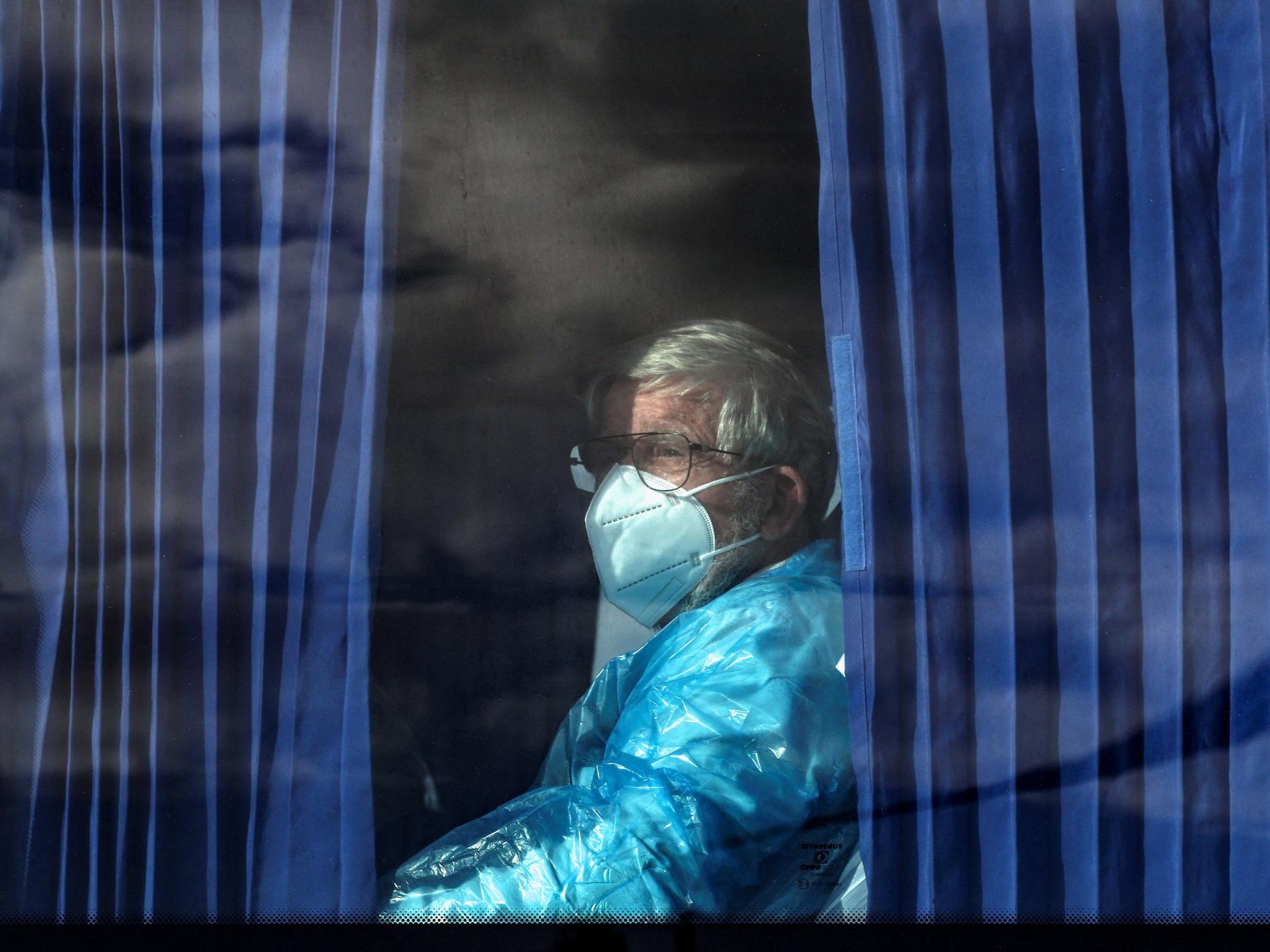
A passenger of the cruise ship MV Hondius, affected by a hantavirus outbreak, looks on from inside a bus as it leaves the port of Granadilla de Abona, in Tenerife, Spain, on May 11, 2026.

How Industry Can Help Prevent the Next Cruise Ship Outbreak

by Y. Tony Yang 

Critical disease-outbreak intelligence sits inside private firms, and an outbreak escrow system could securely hold that data to be shared in an emergency


Read this story


AGING

Seynabou Diop works at a station in a laboratory where the hantavirus genome was sequenced, at Institut Pasteur in Dakar, in Senegal, on May 19, 2026.

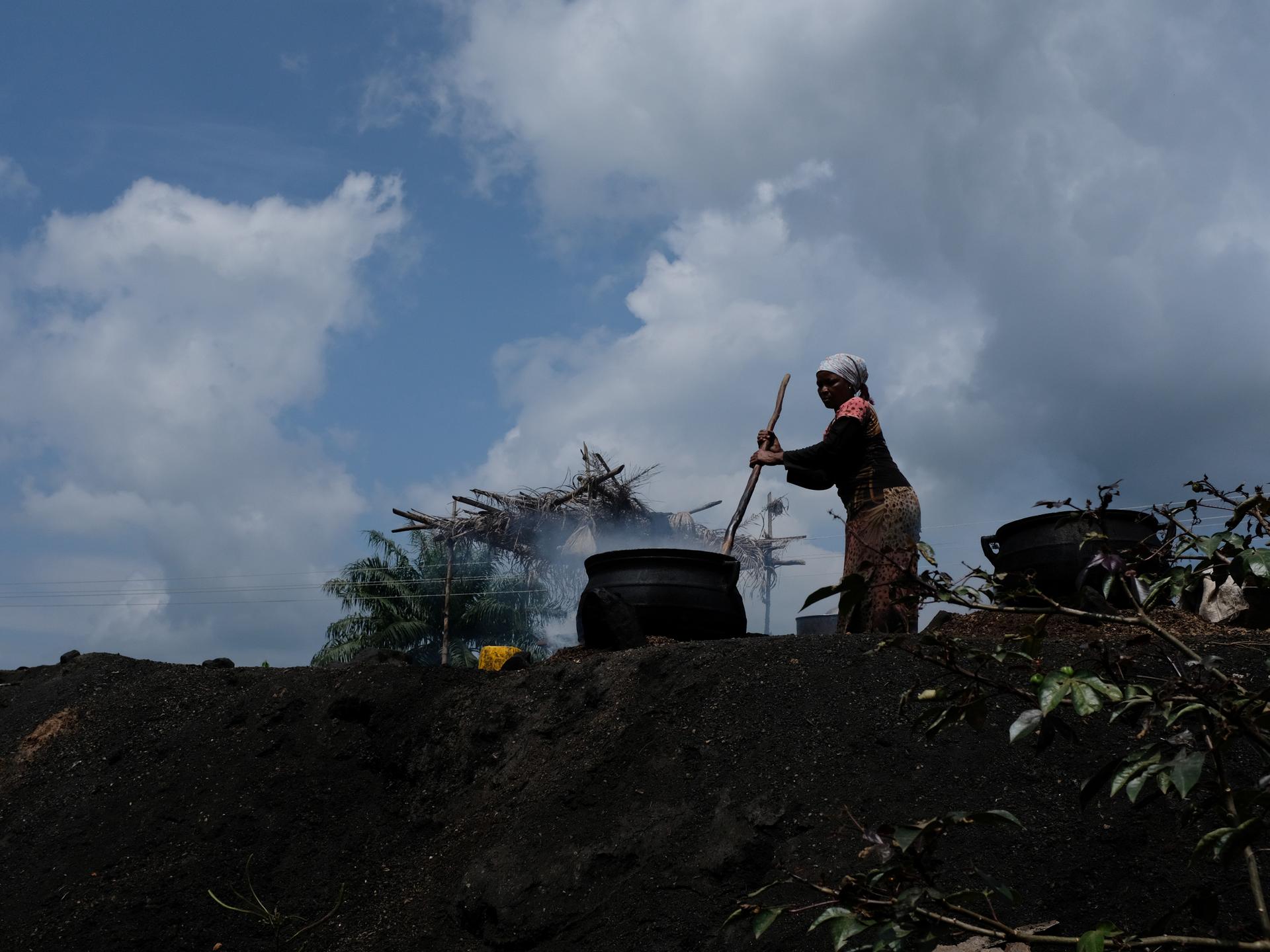
Heat Stress and Air Pollution Fuel Dementia in Ghana 

by David Mawutor Donkor 

Ghana’s aging population faces worsening cognitive health, including increased dementia risk, from pollution and high temperatures 


Read this story


Figure of the Week


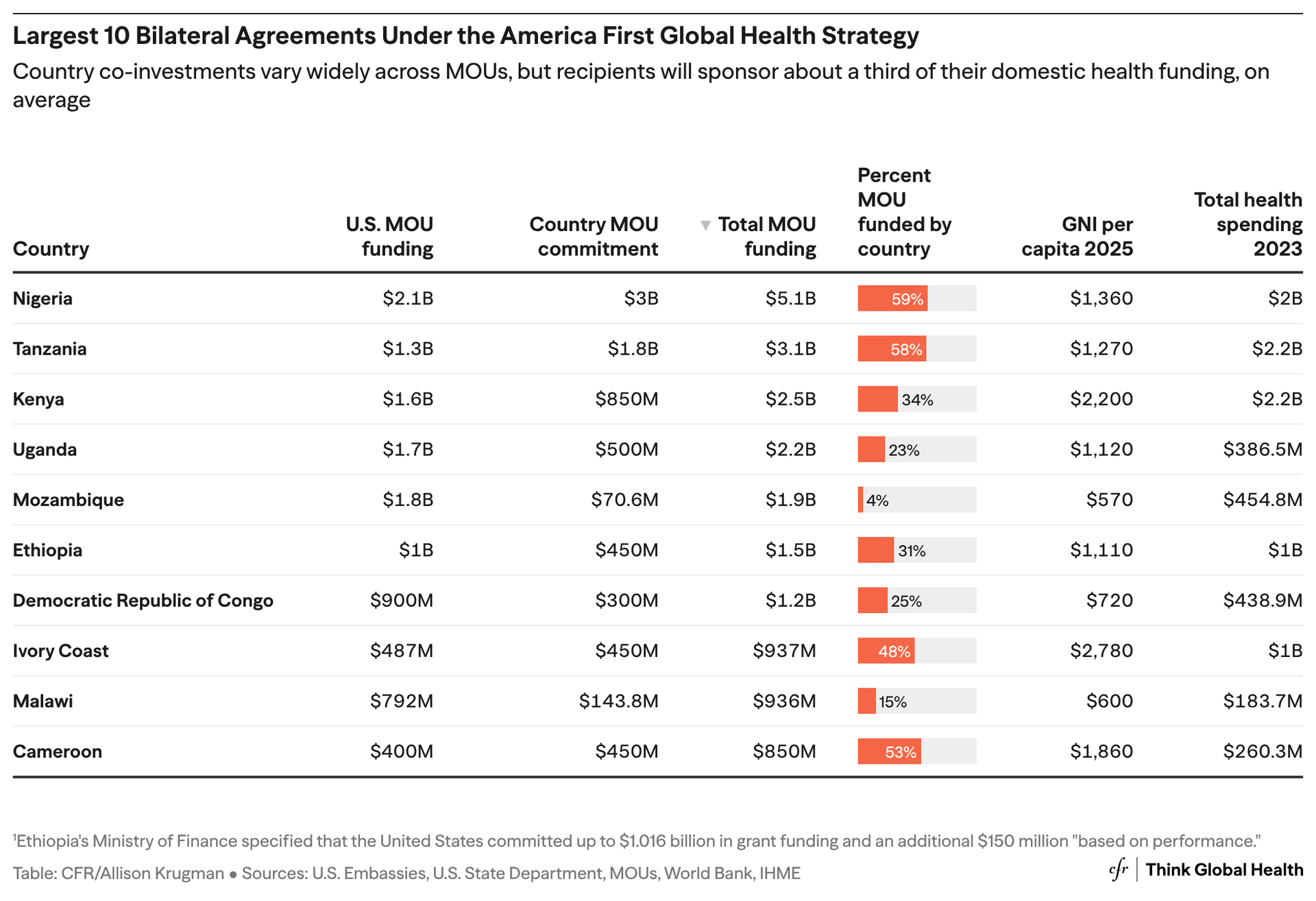
On July 1, the United States signed a five-year memorandum of understanding (MOU) with Tanzania totaling $3.1 billion, making it the second-largest MOU after Nigeria’s.

The chart shows the 10 largest bilateral agreements under the America First Global Health strategy

Read this story


Recommended Feature


POVERTY

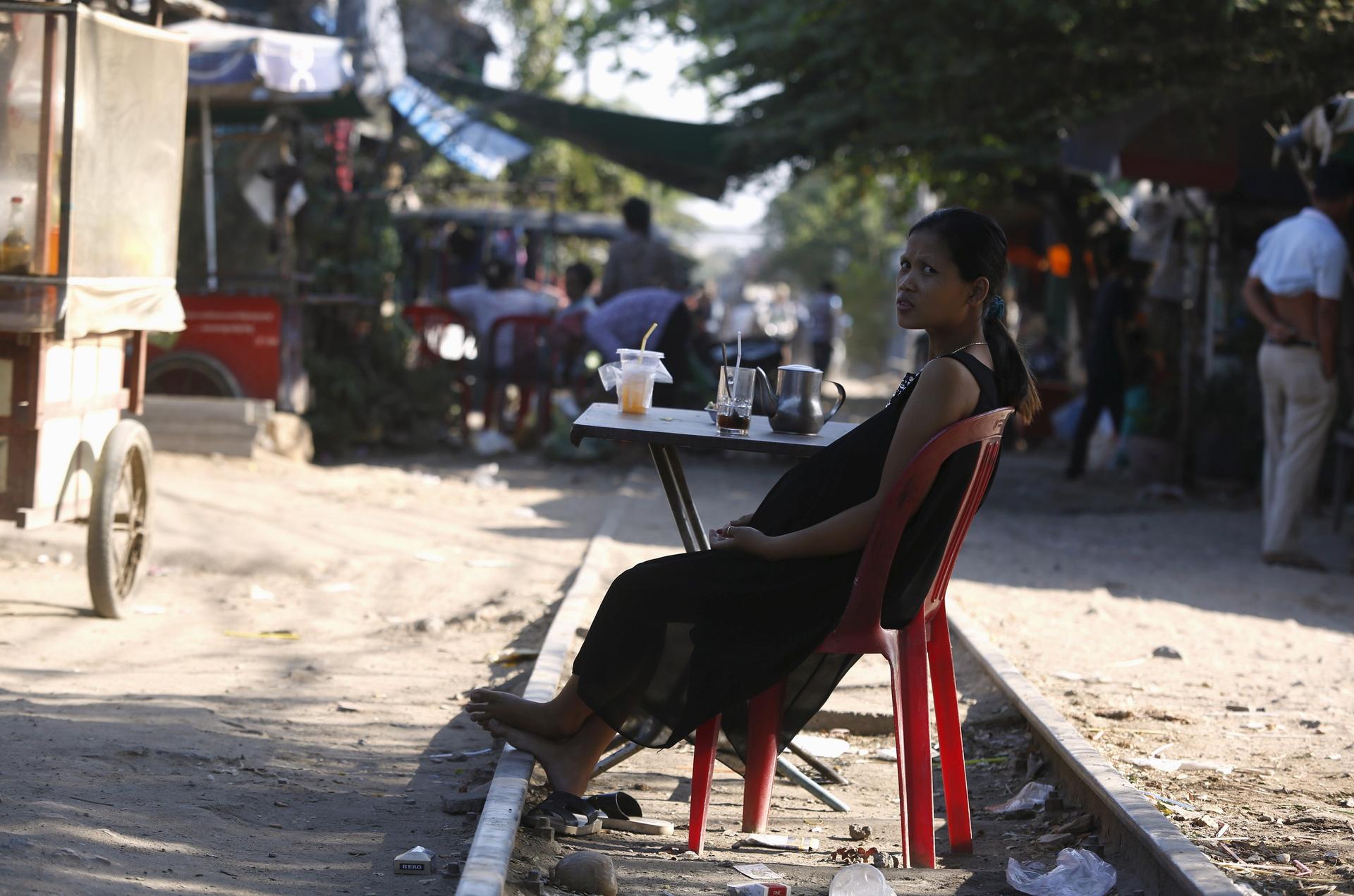
A pregnant woman rests on the railway track in front of her home, in Phnom Penh, Cambodia, on February 4, 2016.

Making AI Tools Work for Low-Resource Maternity Wards

by Suren Kanayan

A Cambodian physician argues that artificial intelligence can help improve maternal health outcomes, but only if accompanied by structural reforms


Read this story


What We’re Reading

The Chickens Were Doing Just Fine. Then the Heat Wave Killed Millions. (New York Times)

Ebola Deaths in Congo Top 500 as Health Workers Threaten to Strike (AP News)


Why U.S. Measles Outbreaks Have Grown Harder to Extinguish (Washington Post)


Latin America Unites on Ethical AI Roadmap (SciDevNet)


Microplastic Pollution Can Fuel Rise in Antibiotic Resistance, Studies Find (Mongabay)


Interested in submitting?

Review our Submission Guidelines

Image
TwitterBluesky

An initiative from the Council on Foreign Relations

58 East 68th Street — New York, NY 10065

Unsubscribe

View in Browser

Manage Your CFR Email Preferences