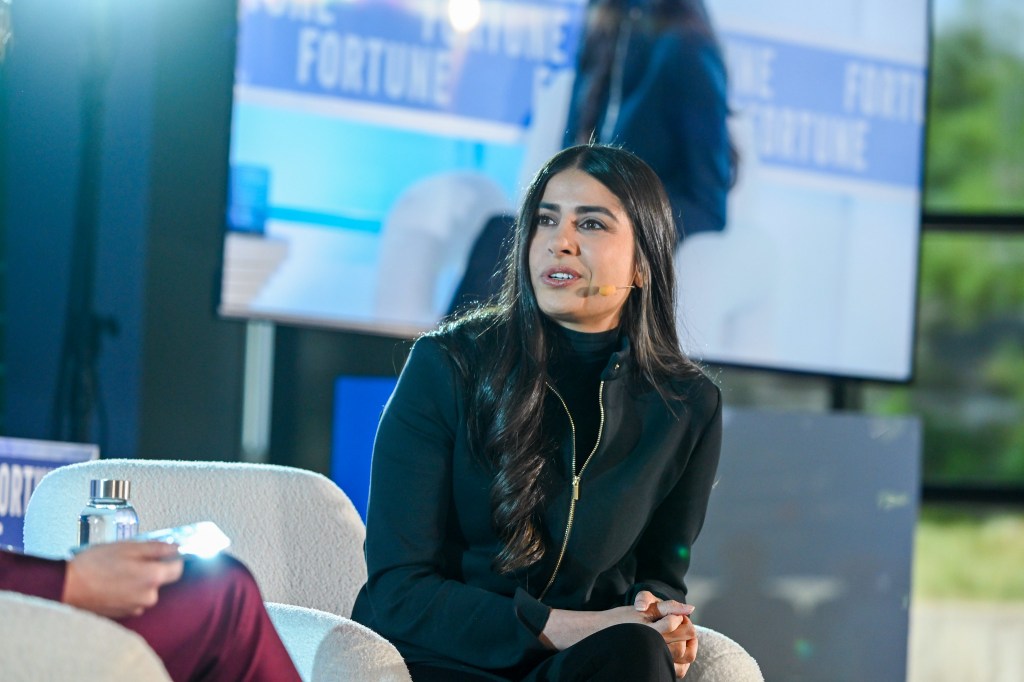
Asha Sharma’s appointment as CEO of Xbox was attention-grabbing from the moment she was named to the position in February. She was promoted after two years as an AI executive at Microsoft, and took over Microsoft Gaming (renamed Xbox) over Sarah Bond, who had been leading the Xbox brand but whose strategy was in question.
Yesterday, Sharma made clear how much of a reset she intends at Xbox. The company is laying off 3,200 people—1,600 now and another 1,600 over the next year—and divesting from four studios. Microsoft did cuts to about 2% of its total workforce; Xbox’s cuts were 20% of its own.
My colleague Sebastian Herrera has
an exclusive interview with Sharma about her new strategy.
“We simply spread ourselves too thin,” she told Sebastian of the problems at Xbox. Microsoft reported a 7% decrease in quarterly gaming revenue in its latest financial report, driven by a 33% drop in Xbox hardware revenue and a 5% decline in Xbox content and services. Despite investing over $20 billion in content and hardware over the past five years (excluding Activision Blizzard), annual revenue has declined by nearly half a billion dollars. On Monday, Sharma told employees in a memo that Xbox’s operating margins are three to 10 times lower than comparable businesses. It’s one of Microsoft’s worst-performing divisions.
Bond
had pursued an “Xbox everywhere” strategy that pushed the Xbox brand beyond its core console to places like mobile. But the console represents 80% of the Xbox business; Sharma is now redirecting resources to that core. She’s getting directly involved in key assets, too; the studios behind Candy Crush and Minecraft will report directly to her.
Helping Sharma execute this new strategy will be another new exec to watch—Helen Chiang, who will be Xbox’s first COO. She had been corporate VP for the Minecraft franchise.
Sharma spoke at Fortune’s Brainstorm Tech conference in June, where she provided a sense of some of the challenges gaming is facing. Hardware component costs are rising—and there is only so much the consumer will pay for a console.
She said she anticipates “radically different business models,” where it’s not assumed the most premium, high-performance console is the best option for a customer.
The gaming division is responsible for only 6% of Microsoft’s revenue—but it’s one of the tech giant’s most enduring consumer brands. It’s worth calling out that three women of color—Sharma, Bond, and Chiang—have now been leaders in shepherding that brand.
Sharma came from the AI side of Microsoft, where the company’s attention has been focused in recent years. She’s well aware of where tech is headed and how quickly things can change. “History is full of companies that mistake longevity for inevitability,” she wrote in a message to employees. “We will not be one of them.”
Emma Hinchliffeemma.hinchliffe@fortune.comThe Most Powerful Women Daily newsletter is Fortune’
s daily briefing for and about the women leading the business world. Subscribe here.