Microsoft Xbox layoffs, Apple-Broadcom deal, Nvidia rack delays?
 ͏  ͏  ͏  ͏  ͏  ͏  ͏  ͏  ͏  ͏  ͏  ͏  ͏  ͏  ͏  ͏  ͏  ͏  ͏  ͏  ͏  ͏  ͏  ͏  ͏  ͏  ͏  ͏  ͏  ͏  ͏  ͏  ͏  ͏  ͏  ͏  ͏  ͏  ͏  ͏  ͏  ͏  ͏  ͏  ͏  ͏  ͏  ͏  ͏  ͏  ͏  ͏  ͏  ͏  ͏  ͏  ͏  ͏  ͏  ͏  ͏  ͏  ͏  ͏  ͏  ͏  ͏  ͏  ͏  ͏  ͏  ͏  ͏  ͏  ͏  ͏  ͏  ͏  ͏  ͏  ͏  ͏  ͏  ͏  ͏  ͏  ͏  ͏  ͏  ͏  ͏  ͏  ͏  ͏  ͏  ͏  ͏  ͏  ͏  ͏  ͏  ͏  ͏  ͏  ͏  ͏  ͏  ͏  ͏  ͏  ͏  ͏  ͏  ͏  ͏  ͏  ͏  ͏  ͏  ͏  ͏  ͏  ͏  ͏  ͏  ͏  ͏  ͏  ͏  ͏  ͏  ͏  ͏  ͏  ͏  ͏  ͏  ͏ ­ ­ ­ ­ ­ ­ ­ ­ ­ ­ ­ ­ ­ ­ ­ ­ ­ ­ ­ ­ ­ ­ ­ ­ ­ ­ ­ ­ ­ ­ ­ ­ ­ ­ ­ ­ ­ ­ ­ ­ ­ ­ ­ ­ ­ ­ ­ ­ ­ ­ ­ ­ ­ ­ ­ ­ ­ ­ ­ ­ ­ ­ ­ ­ ­ ­ ­ ­ ­ ­ ­ ­ ­ ­ ­ ­ ­ ­ ­ ­ ­ ­ ­ ­ ­ ­ ­ ­ ­ ­ ­ ­ ­ ­ ­ ­ ­ ­ ­ ­ ­ ­ ­ ­ ­ ­ ­ ­ ­ ­ ­ ­ ­ ­ ­ ­ ­ ­ ­ ­ ­ ­ ­ ­ ­ ­ ­ ­ ­ ­ ­ ­ ­ ­ ­ ­ ­ ­  
Tuesday, July 7, 2026
Microsoft’s Xbox will cut 3,200 jobs and divest five studios

Good morning. Big news out of Redmond: Microsoft will lay off 4,800 people, or about 2.1% of its roughly 220,000-strong workforce. 

Most of those cuts come out of the company’s Xbox gaming unit; the rest are largely in its commercial sales division.

Get up to speed about it below—then read Fortune colleague Sebastian Herrera’s timely interview of Xbox CEO Asha Sharma.

“The number one measure of your strategy is what you put your resources behind,” she told him, “and we simply spread ourselves too thin.”

More news follows. Have a great day, unless you’re a fan of the Belgian Red Devils. —Andrew Nusca

Want to send thoughts or suggestions to Fortune Tech? Drop a line here.
Microsoft's Xbox will cut 3,200 jobs and divest five studios
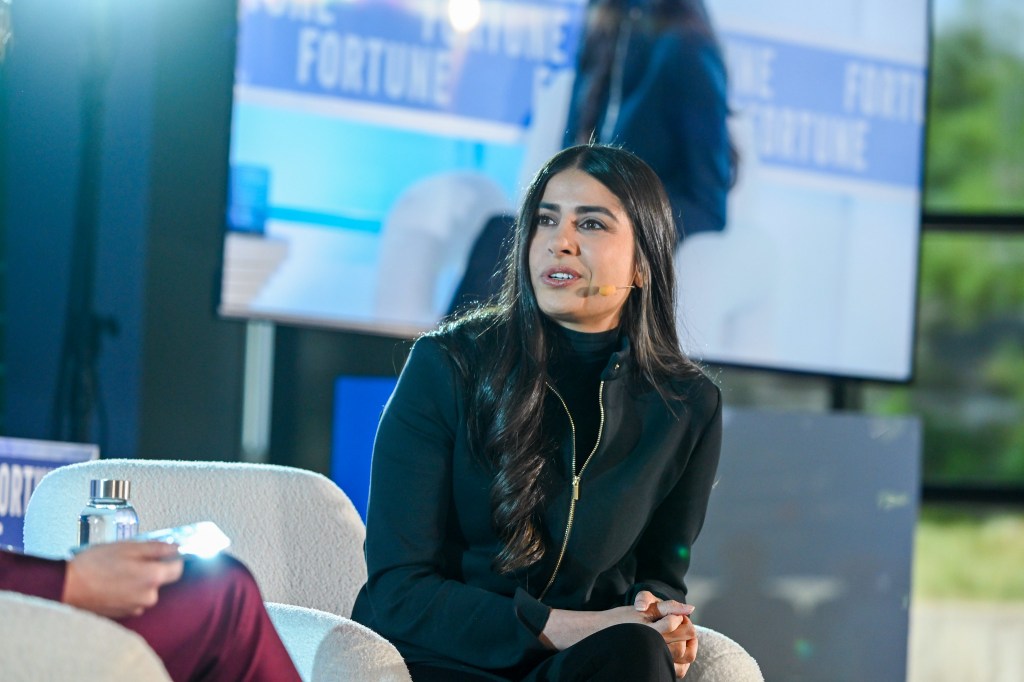
Xbox CEO Asha Sharma at Fortune Brainstorm Tech 2026 in Aspen, Colo. (Photo: Stuart Isett/Fortune)Xbox CEO Asha Sharma at Fortune Brainstorm Tech 2026 in Aspen, Colo. Stuart Isett/Fortune

Microsoft’s Xbox gaming division announced on Monday that it would cut 3,200 jobs over the next year, along with five gaming studios.

Some 1,600 layoffs are effective immediately, as are plans to divest four studios: Compulsion Games, Double Fine Productions, Ninja Theory, and Undead Labs. (The first pair will return to management; the second pair will be sold to new owners.)

The additional cuts, plus the divestiture of a fifth studio, France’s Arkane, will come later, the company said.

In a memo, Xbox CEO Asha Sharma called the changes “the most significant restructure in Xbox history.”

“Our business today is not healthy. We are operating at margins that are 3-10x lower than comparable platform and publishing businesses,” she wrote, adding: “Our core business weakened, and we added more teams, more investment, and more time, hoping for a better outcome.” Which, of course, didn’t pan out.

Tencent, Sony, Microsoft, and Nintendo are considered the gaming industry’s Big 4 in terms of market share. All are hurting. Xbox’s news comes mere weeks after Sony-owned Bungie issued hundreds of layoffs of its own and reports indicated that Tencent was winding down various investments in the category.

Why the collective bloodbath? A category-wide slump, for starters, offsetting the commercial peak (and M&A feeding frenzy, and hiring sprees, and…) that the gaming industry experienced in the wake of the Covid-19 pandemic. More recent trade tensions and a global memory shortage, painful for any player in the business of consumer electronics, haven’t helped for the companies who make consoles and handhelds.

At Xbox, it’s a race to right-size the business. “This year, we’ll invest as much in Xbox as we ever have,” Sharma wrote, “but we’ll invest with greater focus, greater discipline, and greater clarity.” —AN
Apple and Broadcom strike a custom chip deal through 2031
Broadcom said Monday that it will again expand its existing partnership with Apple to develop custom chips.

The two companies first entered a partnership for wireless components (e.g., RF, Bluetooth, Wi-Fi) in 2020 and expanded it in 2023 to include 5G parts. 

Now that multibillion-dollar, multi-year agreement will run through 2031 and include custom ASIC—application-specific integrated circuit—chips. 

Both companies’ shares were modestly up on the news.

The deal surely relieves investors who were worried that Apple was trying to move even more silicon production in-house at the expense of key suppliers like Broadcom. (Apple currently designs “M” series processors for Macs and “A” series processors for iPhones in-house; it also makes its own modems, formerly provided by Qualcomm.) For Broadcom, that’s no small matter: The Cupertino, Calif., iPhone-maker represents about 20% of its Silicon Valley neighbor’s business.

The agreement is also a sign that corporations are looking for stability as the global supply chain for semiconductors remains volatile. Apple last month announced price increases for its larger products as an AI boom-induced global memory chip shortage scrambled its product launch plans. —AN
Nvidia denies report about delays for its next-gen AI rack system
Nvidia’s next big product has been delayed a year, according to one research firm—but the AI giant argues that its roadmap hasn’t changed.

The product in question is Nvidia’s Kyber, rack-scale architecture designed for the chipmaker’s forthcoming Vera Rubin Ultra AI chips. Intended for hyperscalers and the like, the Kyber NVL144 rack consolidates 144 Nvidia chips into a single system that costs many millions of dollars.

In a social media post, the research firm SemiAnalysis says Nvidia is working through manufacturing challenges with the printed circuit board that connects everything—as you can imagine, it’s quite a complex component—that will delay the rack’s availability “by more than 12 months to 2028,” the year after Rubin Ultra is slated for its debut. The firm also predicts delays for an even larger Kyber system, NVL576.

According to SemiAnalysis, Nvidia explored a backup option involving the combination of two current-generation racks—but it was “scrapped after cloud customers rejected the design as awkward and costly to operate,” as a CNBC report puts it.

“Our roadmap is intact,” Nvidia offered in a succinct rebuttal.

If there is in fact a delay, Nvidia will be faced with the prospect that it can’t scale up its Rubin Ultra chips as planned—potentially ceding momentum to competitors like AMD or its hyperscaler customers who also happen to be building their own silicon.

But there’s a lot of momentum to go around. SemiAnalysis predicts that the company will outpace Wall Street predictions about its compute revenue by 20% for the second half of this year. —AN
More tech
An AI industry downturn would shock the entire economic ecosystem, the U.S. Treasury warns.

Illinois’s SB 315 is signed into law. The legislation requires annual third-party safety audits of leading AI companies and is supported by Anthropic and OpenAI.

Reddit’s AI content moderation system caught 25,000 spam items per day in Q1.

Csquare seeks up to $1.35 billion in an IPO. The Dallas data center company could be worth more than $4 billion.

Ireland is concerned that AI-driven labor reductions could harm its tax base.

Nvidia, Neura Robotics, and others are building safety systems for humanoid robots.

U.S. Supreme Court won’t block Texas from enforcing app store age checks for teens.

WiseTech cofounder steps down. Richard White resigns as chairman of the logistics firm am