|
|
|
Newsletter continues after sponsor message
|
|
|
Good reads and listens... |
Where is federal civil rights data? For more than 50 years, the Education Department has tracked how students are treated in public schools across America: which kids are being bullied, which ones are being harassed and which students can access the internet, among other things. The agency gathers this information through what’s known as the Civil Rights Data Collection. The latest round of CRDC data, collected about the 2023-24 school year, was supposed to be published last December, according to the Education Department's own deadline. But it hasn't been, NPR Ed’s Jonaki Mehta reports.
Starting in the 2030-31 school year, Texas students will be required to read Bible passages, Bill Zeeble reports for NPR member station KERA. It’s believed to be the first such requirement in the country. The board also approved rewritten K-8 social studies lessons that narrow the view of history from a global one to a focus on American and Texas history.
Kids with autism are prone to drowning. Florida is trying to prevent that: Many kids with autism share a natural love for water because it can be sensory bliss — the feeling on their skin, the pressure and the sparkle of the water can all be soothing. NPR Ed’s Jonaki Mehta and Janet Woojeong Lee bring you the story. Kids with autism are also 160 times more likely than other children to die from drowning. So the state of Florida, which has one of the highest childhood drowning rates in the nation, is expanding a program that will put children ages 1-7 who have autism and are in low-income households at the front of the line for subsidized swim lessons.
Australia will double potential fines over child social media accounts: Australia plans to increase fines for social media platforms, including Facebook and Instagram, that fail to prevent Australian children from having accounts as critics argue the world-first ban on under-16s was failing, The Associated Press reports.
'They have nowhere to turn': Law students fight for workplace protections: Law schools often push students to work for the federal courts, in prestigious jobs as interns or clerks. But those students can get a harsh surprise when they learn judges exercise near total control over their hours, holidays and work culture. And there's no clear way to complain or sue outside that system. A group of law students at Emory University in Atlanta is trying to change that, NPR’s Carrie Johnson reports.
|
|
Read It. Listen to It. Explore the World of Planet Money.
Whether you prefer turning pages or pressing play, Planet Money: A Guide to the Economic Forces That Shape Your Life brings the curiosity and storytelling you love from the podcast into an entirely new format. The audiobook, recently named one of Spotify's Best Audiobooks of 2026 (So Far), is narrated by members of the Planet Money team, while the book has also been recognized by both Amazon Editors' Best Nonfiction Books of the Year So Far 2026 and Barnes & Noble's Best Books of 2026 So Far. Whether you're curious about AI, housing, work, sports, or the hidden economic forces shaping our everyday lives, there's a format for everyone. Get your copy, or start listening today. |
|
|
|
A history lesson not found in textbooks... |
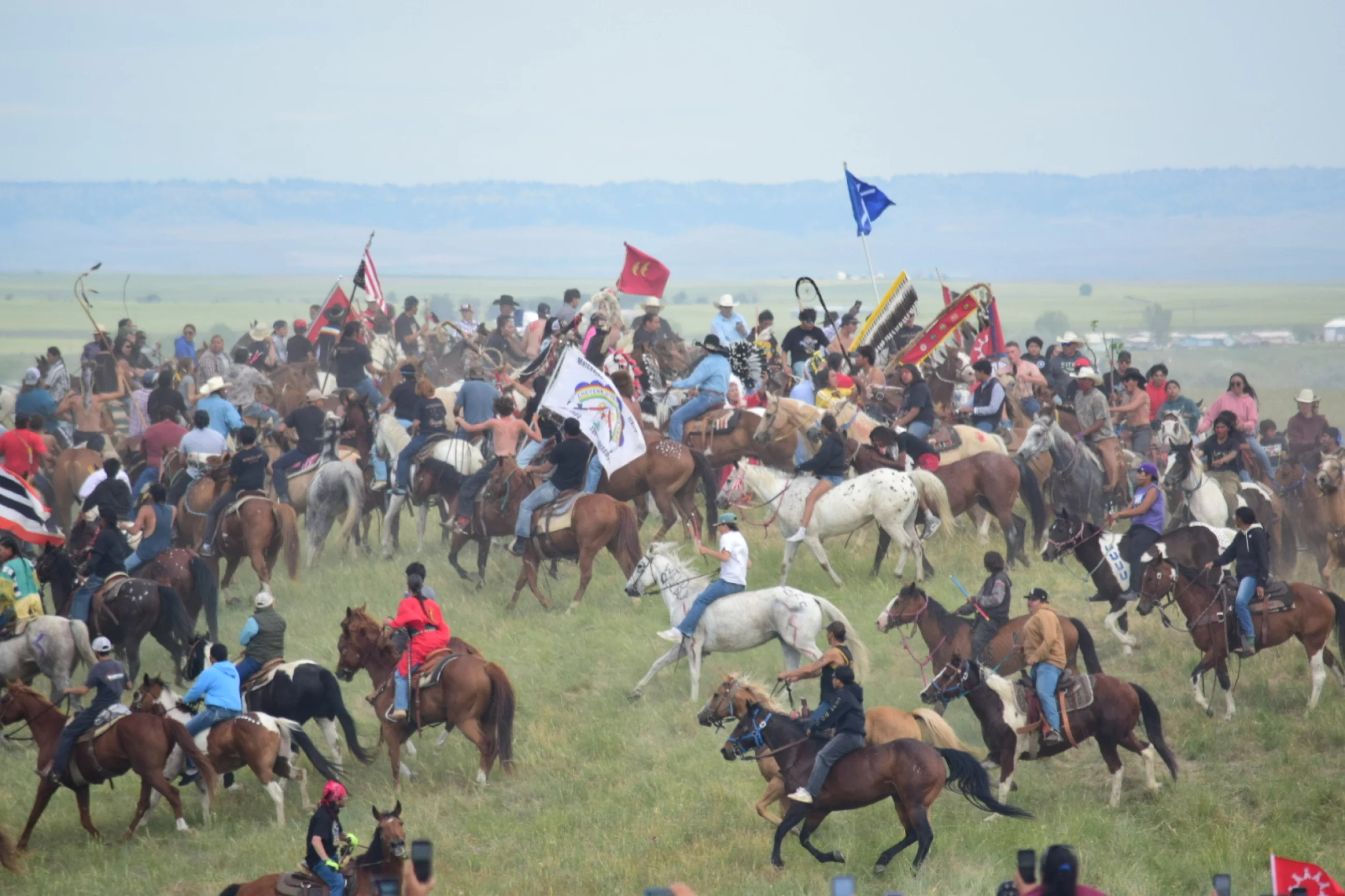
Under the expansive Montana sky, hundreds of members and descendants of 19 tribal nations gather at one of America's most famous battlefields, NPR Ed’s Kadin Mills reports. They're watching as Native American riders on horseback charge onto the same land their ancestors did 150 years ago when they defeated the U.S. Army's 7th Cavalry under the command of Lt. Col. George Armstrong Custer.
At the battle, Native Americans outnumbered Custer and his forces. By its end, 268 of Custer's forces were killed, mostly U.S. soldiers. Custer was among them. On the other side, fewer than 100 Native Americans were killed, including women and children.
Custer's crushing defeat sparked fear and outrage nationwide. The U.S. government responded by changing its approach to Indian policy, shifting to forced assimilation. Just three years after the battle, the first off-reservation federal Indian boarding school opened in Carlisle, Pa. Hundreds more followed, beginning a century of abuse that attempted to erase Native ways of life.
"They realized that they couldn't destroy us head on. … So after that, they did the next best thing that you could do to tear apart a nation, and that was take away the children," said Christopher Eagle Bear. He is Sicunga Lakota from the Rosebud Sioux Tribe.
On this year’s anniversary of that battle, school groups, youth councils and kids with their families gathered near the battlefield and slept in tipis. Many learned things about the battle that weren't covered in school.
"I feel like a lot of it is whitewashed," said 13-year-old Gianna Larocque-Mahto. She's Dakota, of the Sisseton-Wahpeton Oyate, and she's here with her grandmother.
"We didn't get to learn about the Native people's side, like the Dakota people's side. We only got to learn from one perspective," she said. "And I feel like that's not fair. ... I think it's important that we learn from all different people's perspectives and not just one person."
|
|
|
| | | |