| | Big Tech’s emissions are on the rise, AI is putting pressure on the grid, and a major Chinese renewa͏ ͏ ͏ ͏ ͏ ͏ |
| |  Beijing Beijing |  Moscow Moscow | Philadelphia |
 | Energy |  |
| |
|
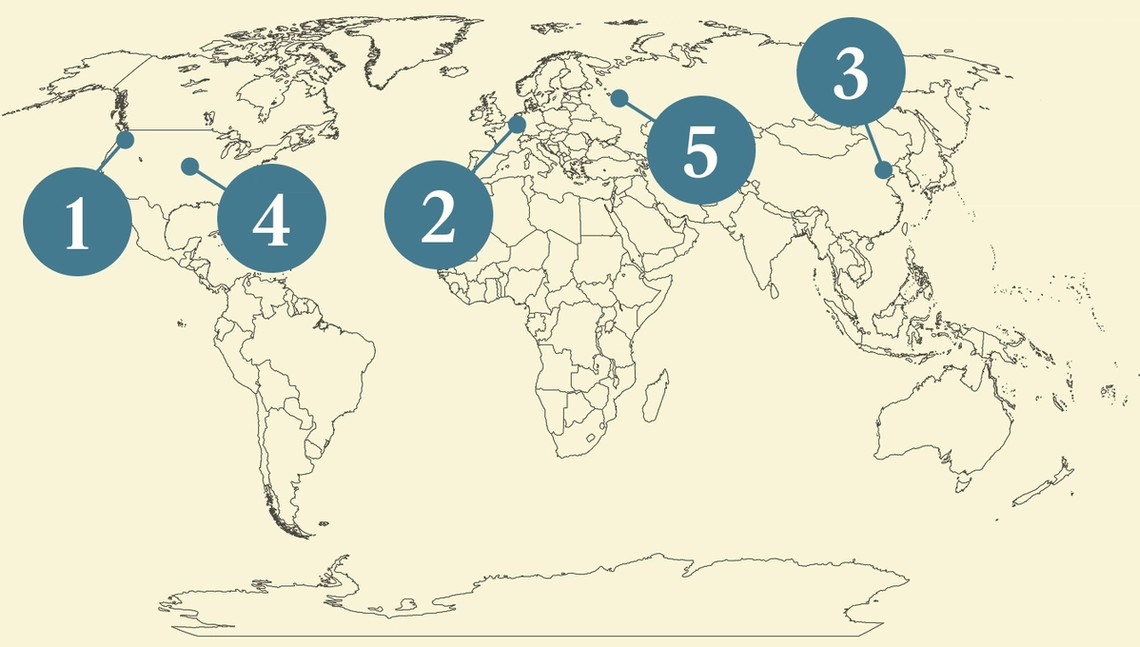 - Big Tech’s rising emissions
- AI’s pressure on the grid
- China renewables IPO
- Transatlantic heatwaves
- Russia’s fuel struggles
 Signs that solar-plus-batteries is beating out pure renewables deals. |
|
Data centers drive Amazon emissions |
| |  | Tim McDonnell |
| |
 Firebird Films/Semafor Firebird Films/SemaforAmazon’s carbon footprint is rising because of its data center buildout, and it will continue to do so for years to come, the company’s sustainability chief, Kara Hurst, told Semafor. The tech giant’s global greenhouse gas emissions increased in 2025 for the second consecutive year, according to its latest sustainability report, published Wednesday. Its operations also became more carbon-intensive for the first time since it started to track this metric in 2019. The increases are a setback in Amazon’s goal to be completely carbon neutral by 2040 — a target that is already the most ambitious of the company’s Big Tech peers. Amazon is tied with Meta as the world’s top corporate buyer of low-carbon power. But it is also leading the pack in data center construction and power procurement. Amazon declined to disclose the exact mix of its data center power generation sources, but across the tech industry the majority of data center operations are fueled by natural gas. “This isn’t going to be linear. It’s not going to be a one-year story,” Hurst said. |
|
Data center pressure on rules, grids |
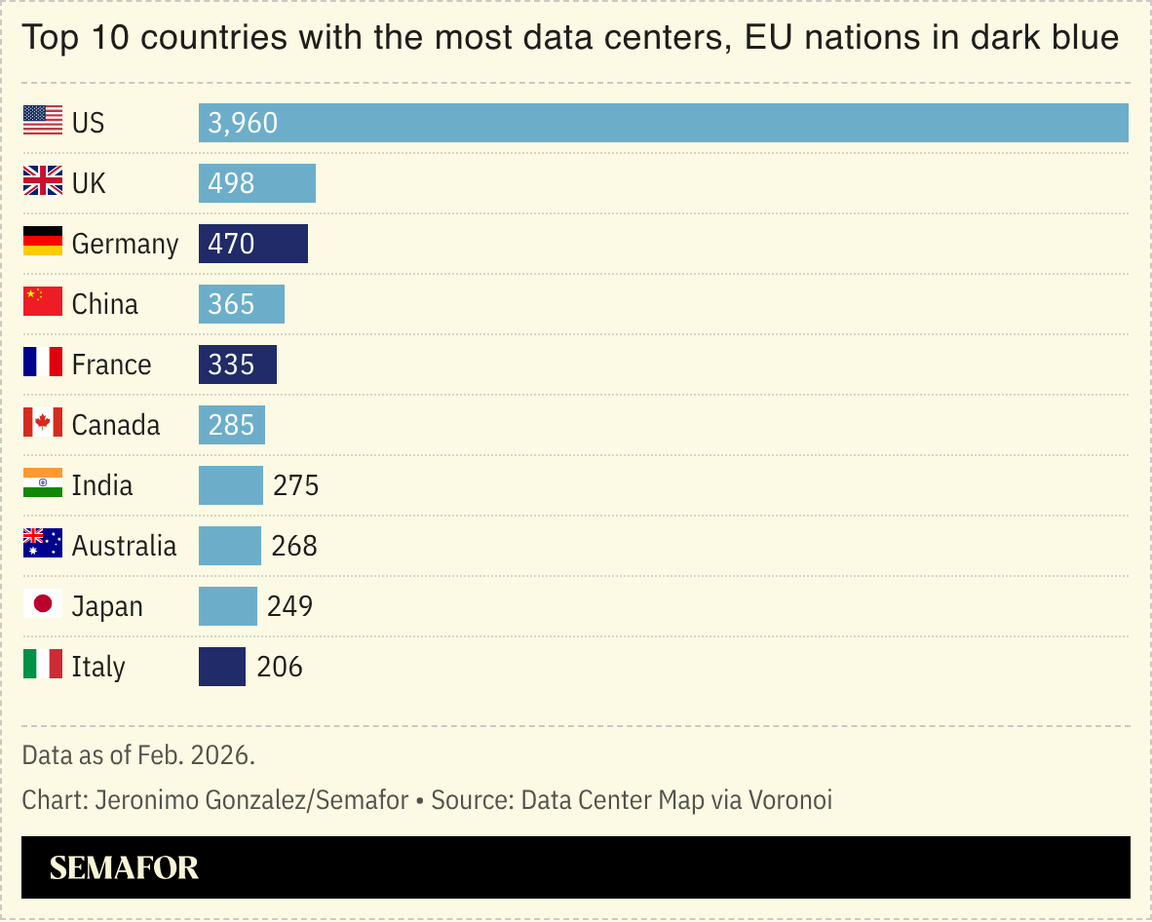 The EU is considering watering down its climate rules to ease data center construction, according to the Financial Times, as the AI buildout piles pressure on governments to overhaul regulations. Elsewhere, the US is planning to allow a federal standard on data center operations to expire, a move that WIRED reported “signals the Trump administration is set to take an even more hands-off approach to data center oversight.” The huge AI infrastructure expansion is affecting global economies in other ways, too: US steel demand has grown so fast that the industry is power-constrained, and is competing for electricity with the very data centers it is helping to build, The Wall Street Journal reported. A new report noted, however, that a rapid data center buildout could ultimately help strengthen moribund power grids — but only if they “pay their fair share” by funding the construction of new generation and transmission infrastructure. |
|
China renewables firm triples on IPO |
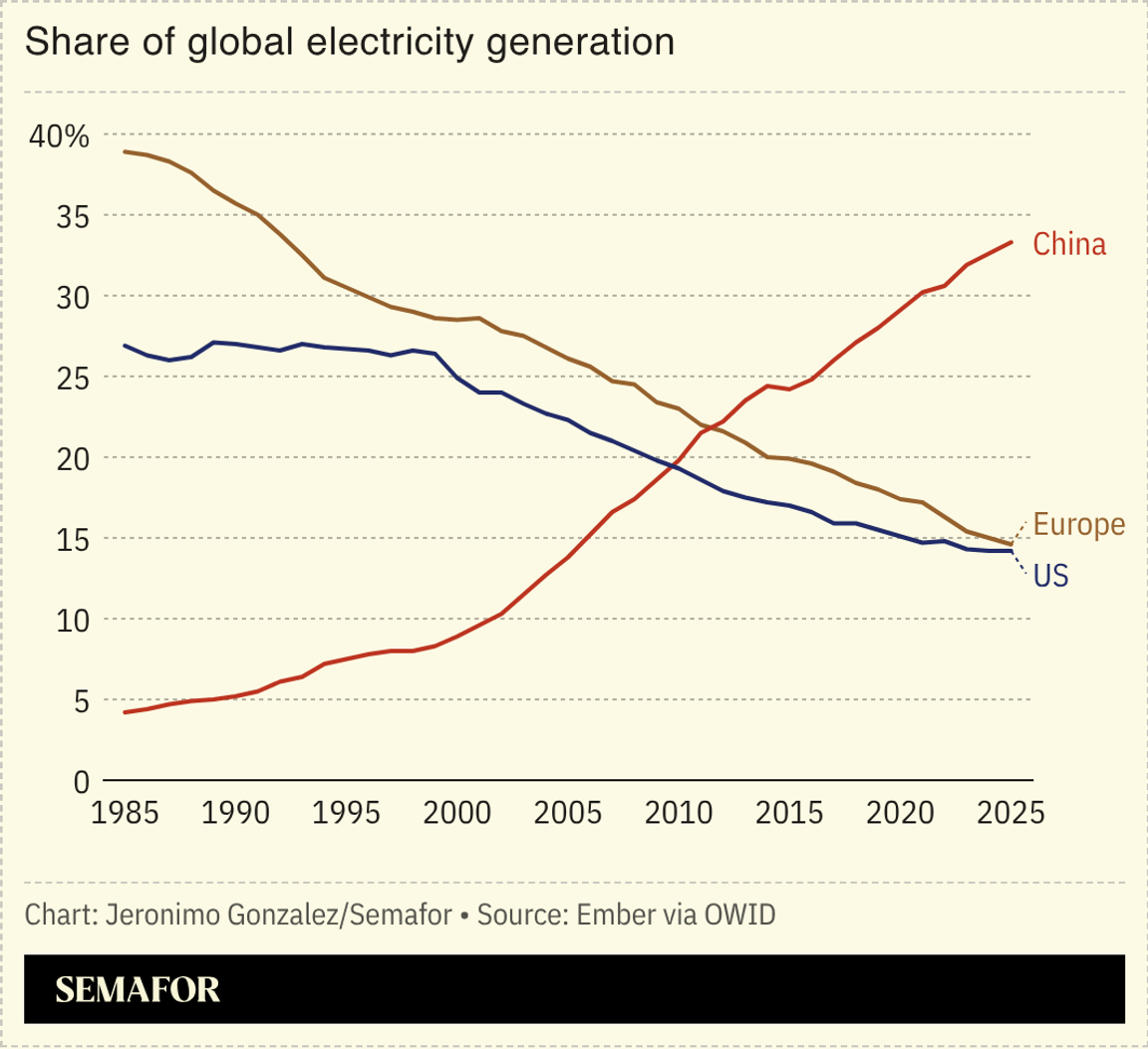 Shares in one of China’s biggest renewables firms almost tripled in value on its public debut. The company warned of “irrational speculation,” in a sign of recovering interest in China’s equity markets. Underlying the surge, however, is the growing global buildout of renewables as electrification and the AI data center expansion push up power usage worldwide. Battery startups in particular are seeing “crazy” demand, the Financial Times reported, with data centers needing to smooth out power fluctuations caused by AI computing. The increased interest is also raising consumer prices, and US home battery installations are at a record high as homeowners look to buy power at cheap off-peak rates, or store daytime solar to use when prices are higher. |
|
 Cheney Orr/Reuters Cheney Orr/ReutersA persistent heatwave on both sides of the Atlantic triggered red alerts across Europe and threatened to lead to record-breaking temperatures in the US. France and Spain each recorded more than 1,000 excess deaths as a result of last month’s elevated temperatures, while Italy and several Balkan countries issued heat warnings. In the US, the National Weather Service said multiple temperature highs could be reached over the July 4 weekend, with some 60 million people currently living in areas under heat alerts. Men’s soccer World Cup matches may also be affected: Paraguay and France are set to face off on Saturday in Philadelphia, where the mercury could reach 38℃, or 100℉. |
|
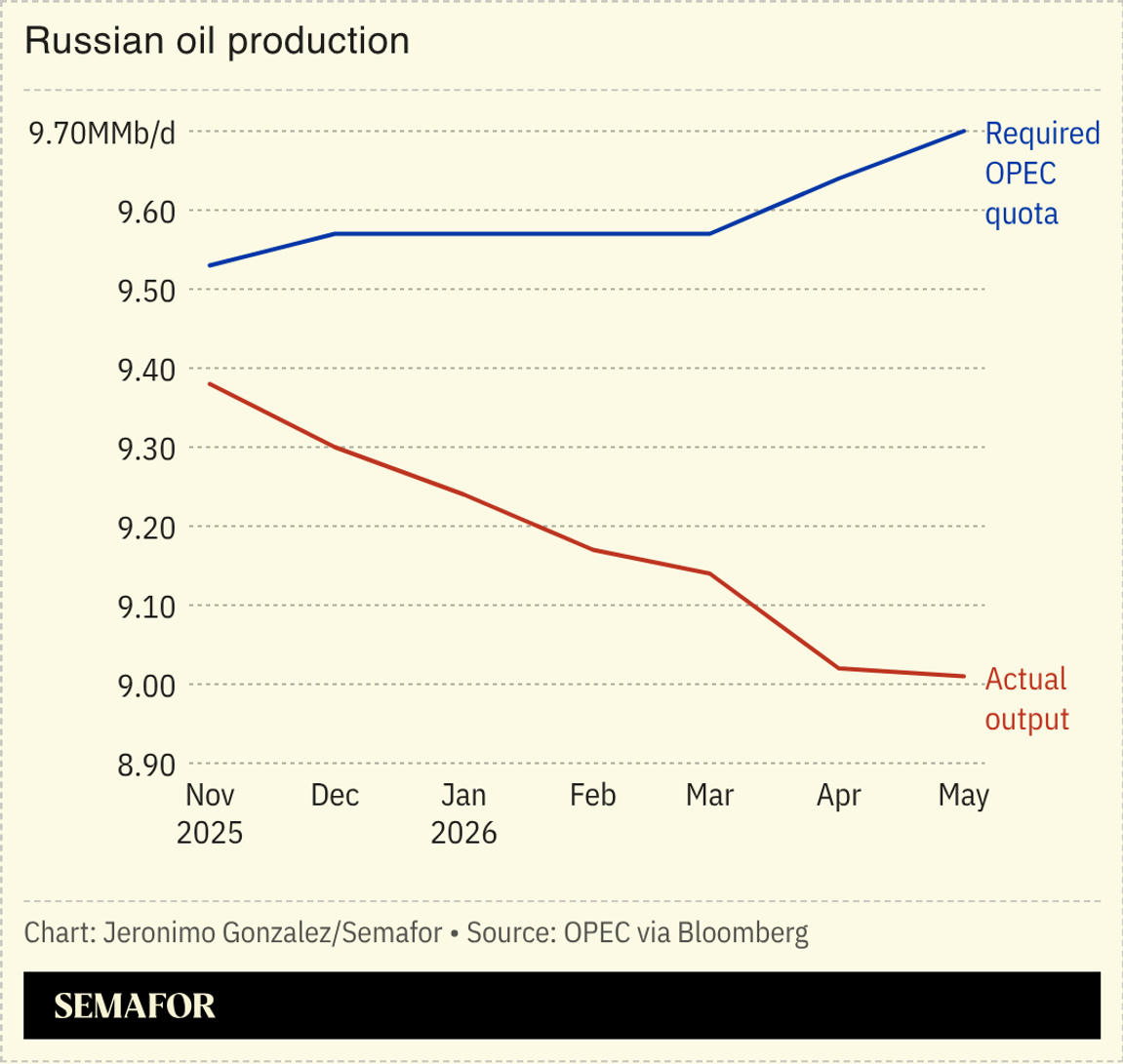 Russia is facing growing fuel shortages, with the country forced to import gasoline from India and discontent appearing to be on the rise. The crisis is being driven by Ukrainian drone strikes on Russian refineries, which have knocked out roughly a third of the country’s refining capacity. President Vladimir Putin acknowledged this week that the attacks had triggered fuel shortages, but downplayed the severity of a crisis that has been “unprecedented” for one of the world’s largest energy producers, The Associated Press wrote. Russian diesel prices are up more than 40% since spring, and June fuel output fell about 25% to a two-decade low. A Bloomberg survey of eight farmers found only two had enough fuel to complete harvesting. In a sign of the growing frustration, searches for “how to siphon fuel” jumped to more than 9,300 by June 21 from 697 a month earlier, according to Yandex data cited by the consumer-tech website iPhones.ru. |
|
 New EnergyFossil FuelsFinance- The World Bank, under pressure from the Trump administration, canceled its previous goal of devoting 45% of its lending to projects with climate co-benefits.
Politics & Policy |
|
| |