| | The US Supreme Court expands Donald Trump’s power, the UK’s prime minister-in-waiting lays out his p͏ ͏ ͏ ͏ ͏ ͏ |
| |  | Flagship |  |
| |
|
The World Today |  - Iran’s Hormuz leverage
- China’s win in Iran crisis
- Trump’s expanding powers
- VW’s mass layoffs plan
- Burnham to ‘rewire’ UK
- Kremlin’s fiscal crisis
- Yen slides to 1986 low
- Latest US media shakeup
- Hybrid warfare on the rise
- Revamping history lessons
 A former White House economist takes on recession myths. |
|
Iran says no high-level US talks planned |
|
China’s advantages from Iran energy crisis |
 Go Nakamura/Reuters Go Nakamura/ReutersChina is emerging from the Iran war energy crisis with clear economic and geopolitical advantages, a new report argued. China’s oil stockpiles and deep push into renewables helped shield the country from the worst of the disruptions from the Strait of Hormuz’s closure, unlike several Asian economies, which had to enact emergency fuel rations and work-from-home orders. China’s relative insulation from supply and price shocks will “deepen economic dependencies” that Beijing could leverage for geopolitical advantage as it presents itself as “the stable global partner of choice,” The Asia Group wrote. Countries are buying more clean tech from China as a result of the war, and “even some US partners will have incentives to hedge back” toward Beijing. |
|
Supreme Court expands Trump power |
 Aaron Schwartz/Reuters Aaron Schwartz/ReutersThe US Supreme Court on Monday granted President Donald Trump the power to fire leaders of independent agencies — but affirmed the independence of the Federal Reserve. The two separate rulings amounted to a setback in Trump’s pressure campaign of the central bank, with the court curtailing his attempts to oust a Fed governor. But the justices expanded presidential power over other independent agencies like the Federal Trade Commission, ushering in a “drastic change to the government’s structure,” The New York Times wrote, and transforming Trump into “the most powerful figure to govern the United States in generations,” a legal expert argued in Vox. One dissenting justice warned that allowing Trump to fire independent regulators “promises to unleash only chaos.” |
|
Planned VW layoffs add to Berlin’s woes |
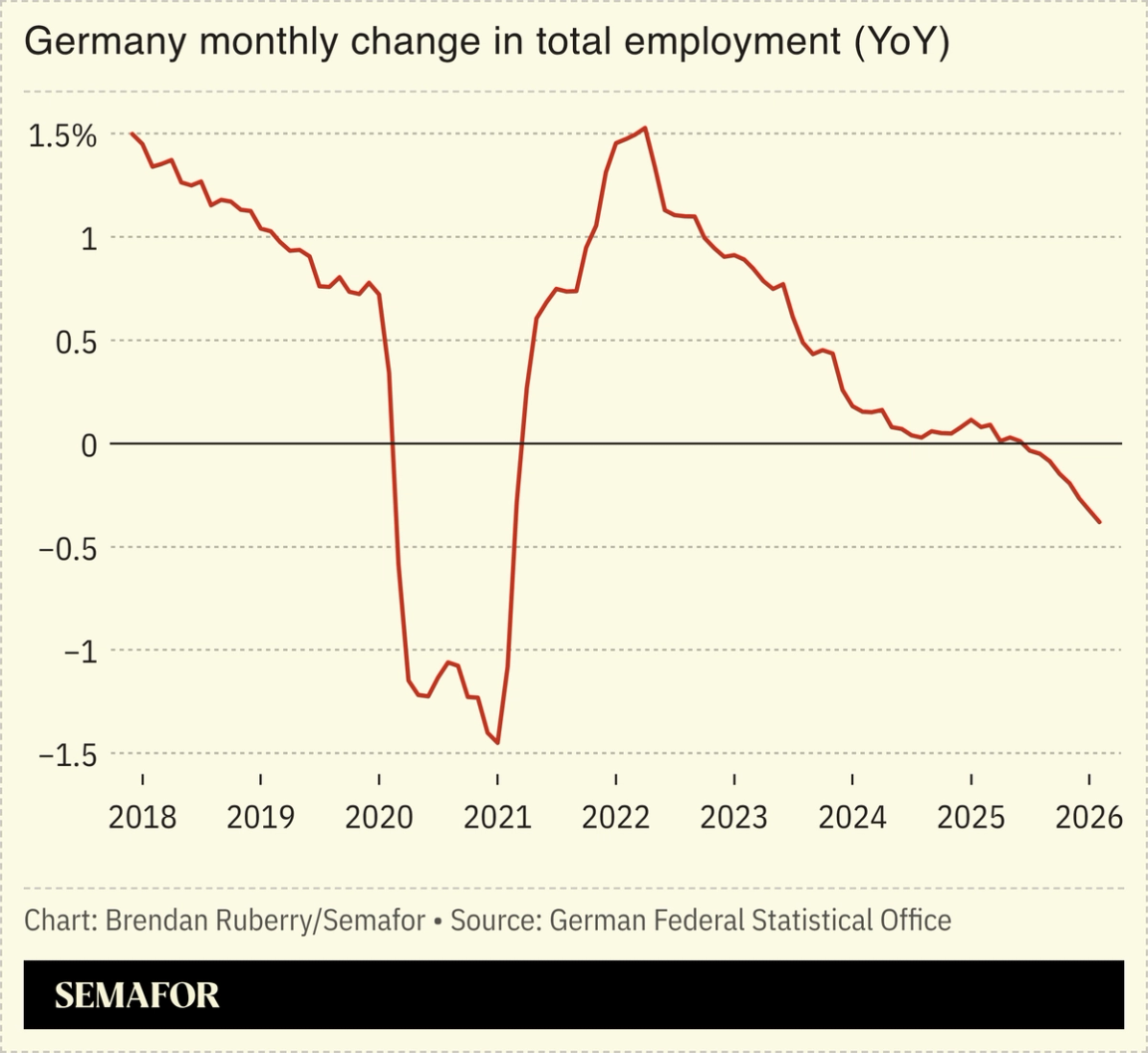 German politicians vowed Monday to prevent Volkswagen from cutting 100,000 jobs, as Berlin confronts the scale of the country’s industrial woes. The automaker’s reported planned layoffs and factory closures could amount to one of the biggest corporate reductions in history. It shows the “growing desperation” of Germany’s automotive sector, under pressure from Chinese competitors and US tariffs, Politico wrote. But the plans could hit hurdles since state politicians and labor union representatives together make up a majority of VW’s supervisory board. The prospective cuts are the latest blow to German Chancellor Friedrich Merz’s government, which is broadly unpopular amid an ascendant far right. |
|
Burnham vows to ‘rewire’ Britain |
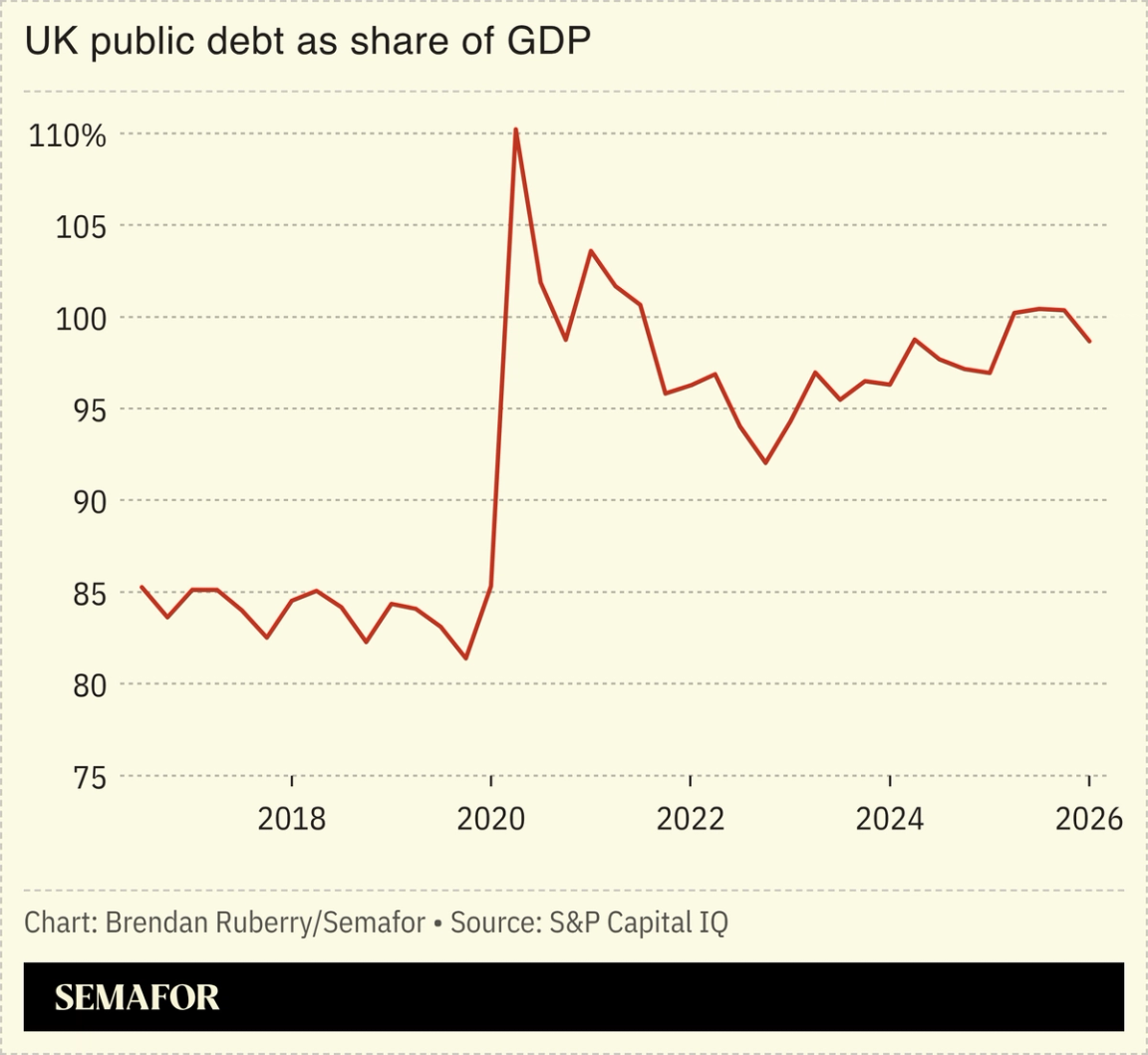 The UK’s likely next prime minister pledged to redistribute political clout across the country, setting up a “No. 10 North” in Manchester. In a major policy speech outlining his goals, former Greater Manchester mayor Andy Burnham on Monday promised “the biggest change in our lifetimes to the way the country is run,” leading to a “rewired Britain.” The idea of decentralizing fiscal power away from London is an unusual one for an incoming leader, but economists argue the UK has been held back by the concentration of economic activity in the capital. Burnham argues Greater Manchester, which has been granted more power in the last decade and achieved greater growth, is a case study in how devolution can work. |
|
Russia’s fiscal discipline erodes |
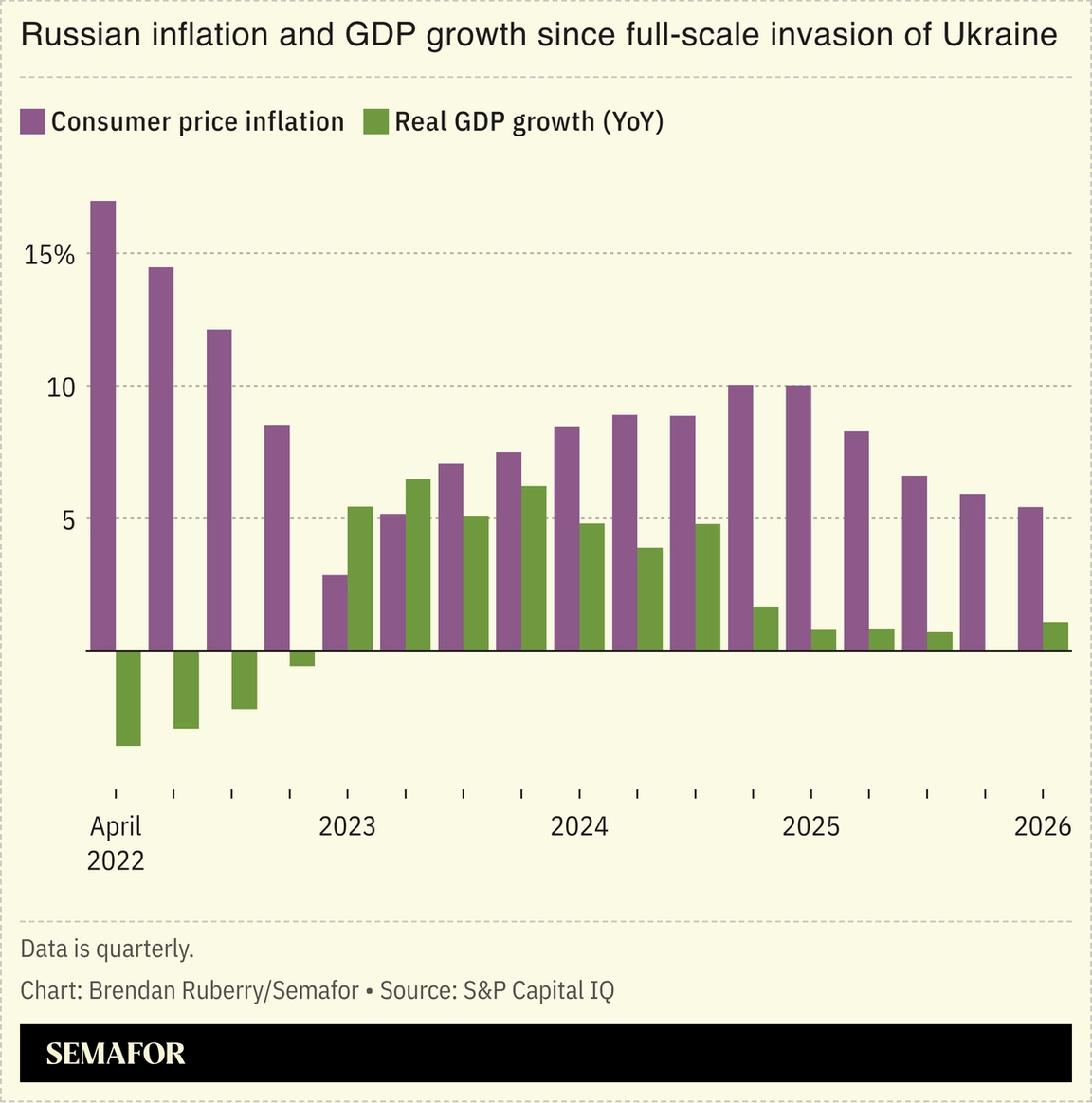 Moscow pushed through legislation allowing it to borrow more money, a rare belt-loosening from the fiscally conservative Kremlin that implies that the Russian system is eroding, a scholar argued. President Vladimir Putin has long boasted that Russia has the lowest public debt among G20 nations, but the Ukraine war has pushed defense spending to unsustainable levels and the federal deficit to 2.6% of GDP, Carnegie’s Alexandra Prokopenko wrote in the Financial Times. Putin’s “juggling act” of funding the war while limiting inflation and protecting growth is starting to fail, Prokopenko argued. Ukrainian attacks on energy and export infrastructure are also hurting the economy: Cities in occupied Crimea were left without power after drone strikes hit an electricity substation. |
|
Yen weakens against dollar, rattling Japan |
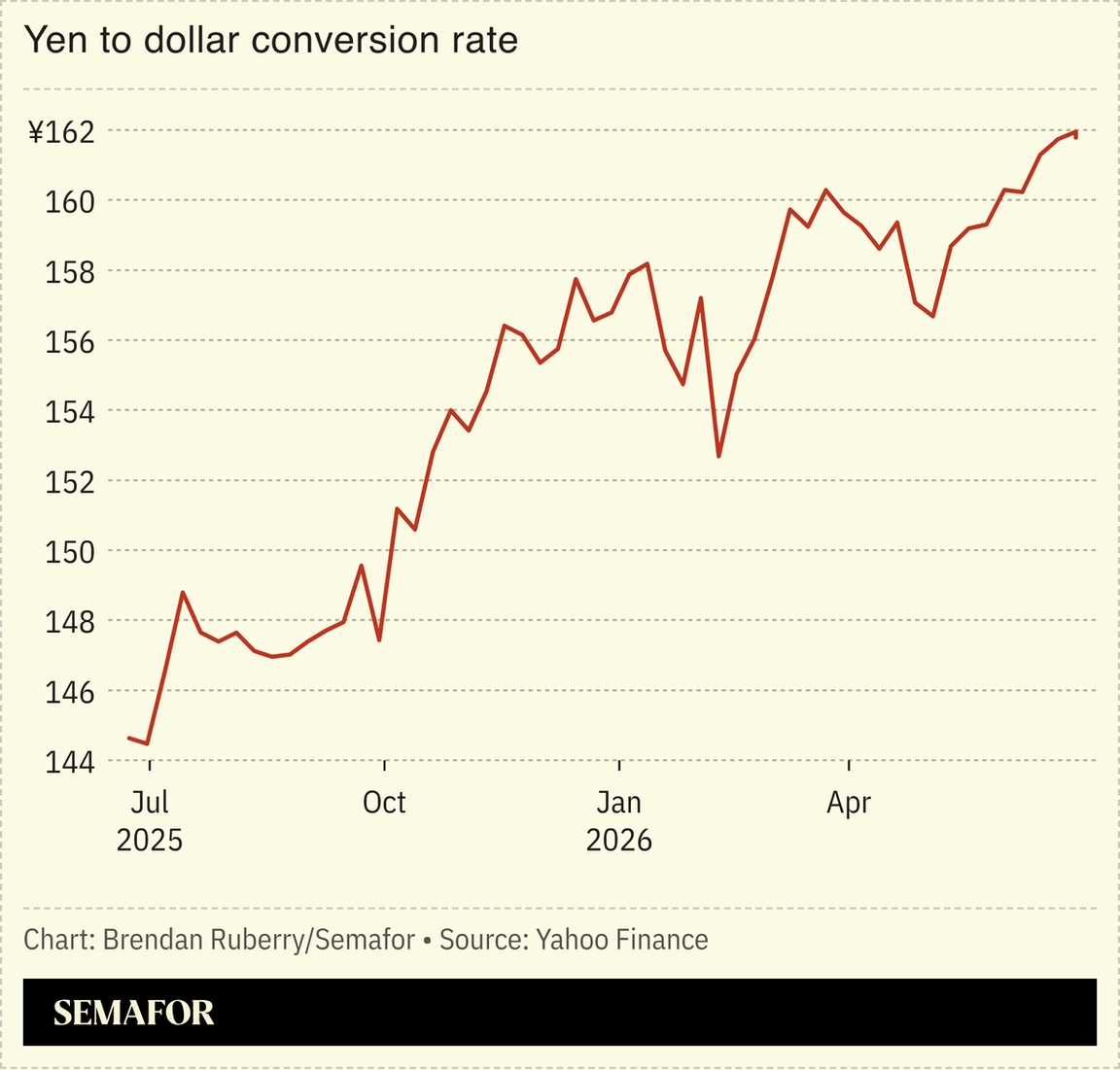 The yen fell to its weakest level against the US dollar since 1986, raising the prospect of renewed intervention from Japanese authorities. The currency slid as investors turned to the dollar on expectations that the US Federal Reserve could raise interest rates this year; Japan faces other structural pressures like a persistent trade deficits and reliance on imported energy. The currency’s weakness is boosting Japanese exporters’ profits and lifting the stock market, but it also raises import costs and threatens to fuel inflation. “Japan needs to step in again,” a Bloomberg strategist said. “Otherwise, this is a market clearly keen on testing pain points.” |
|
 The world around us is changing, and technology is at the heart of the story. As artificial intelligence transforms how businesses operate and compete, Semafor Technology unpacks the ideas, innovations, and power shifts driving the AI revolution. Penned by Tech Editor Reed Albergotti, each edition delivers clarity on the forces reshaping industries, markets, and society. |
|
Comcast spinning off NBCUniversal |
 Bastiaan Slabbers/Reuters Bastiaan Slabbers/ReutersComcast said Monday it plans to spin off NBCUniversal into a separate company, splitting its well-known media properties from its broadband arm. The broadcast giant became one of the largest US conglomerates by owning both on-screen media — like NBC News and Universal Pictures — and the pipelines that delivered it. But “this version of the conglomerate doesn’t work in the Trump era,” Semafor’s Rohan Goswami wrote, as the Trump administration has repeatedly targeted media companies on political and regulatory grounds. “There’s no upside to owning the pipes and the studio.” Bucking that trend: Corporate America is awaiting a merger of CBS and CNN following Paramount Skydance’s purchase of Warner Bros. Discovery. |
|
Spy chief warns of Iran-backed terrorism |
|
|


