STORIES FROM MOTHER JONES AND ITS PARTNERS |
For decades, climate scientists have issued warnings about global warming feedbacks, vicious cycles in the Earth system in which warming brought on by burning fossil fuels begets more warming. The best tools we have to understand these feedback loops are climate models, which simulate how the atmosphere, oceans, and land will respond to our emissions. Many feedbacks, like the loss of sea ice, are well-accounted for. Others, such as changes in cloud cover, remain far more uncertain.
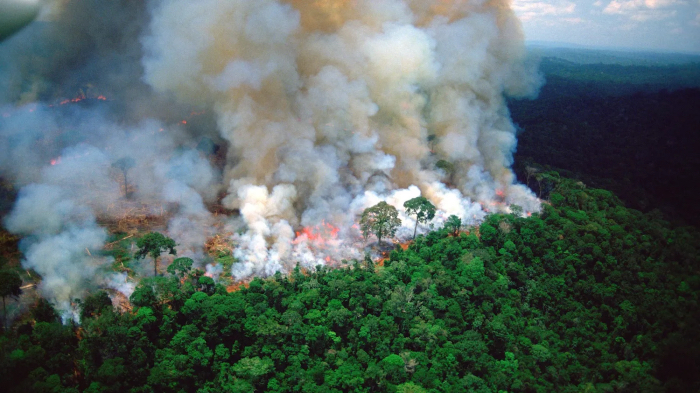
Feedbacks from worsening wildfires, fermenting wetlands, and thawing tundra are so complex that they are often left out entirely from the most influential climate models.
A new study from a group of leading climate researchers suggests this information gap could make it even more difficult for nations to meet the target, set forth by the Paris climate agreement, to limit warming to below 2 degrees C. The study found that emissions from natural systems could add as much as 0.6 degrees C to the rise in global average temperatures. Shortcomings in climate modeling, scientists warn, could lead countries to overestimate how much fossil fuels can be burned before breaching climate targets.
As I noted in my story for Climate Desk partner Yale Environment 360, researchers are now racing to make sense of these emissions to gauge how much warming may lie ahead. Their aim is to make robust projections that can be used in the next UN climate assessment and thus play a role in global climate policy.
“If you’re not including all the emissions going into the atmosphere, you’re hamstrung from the get-go,” Brian Buma, a climate scientist at the Environmental Defense Fund, told me. “People are recognizing that the longer we go without taking these emissions into account, there’s just going to be a bigger gap.”
—James Dinneen |