WhatsApp’s new chief, Getty-OpenAI deal, Valve Steam Machine price.
 ͏  ͏  ͏  ͏  ͏  ͏  ͏  ͏  ͏  ͏  ͏  ͏  ͏  ͏  ͏  ͏  ͏  ͏  ͏  ͏  ͏  ͏  ͏  ͏  ͏  ͏  ͏  ͏  ͏  ͏  ͏  ͏  ͏  ͏  ͏  ͏  ͏  ͏  ͏  ͏  ͏  ͏  ͏  ͏  ͏  ͏  ͏  ͏  ͏  ͏  ͏  ͏  ͏  ͏  ͏  ͏  ͏  ͏  ͏  ͏  ͏  ͏  ͏  ͏  ͏  ͏  ͏  ͏  ͏  ͏  ͏  ͏  ͏  ͏  ͏  ͏  ͏  ͏  ͏  ͏  ͏  ͏  ͏  ͏  ͏  ͏  ͏  ͏  ͏  ͏  ͏  ͏  ͏  ͏  ͏  ͏  ͏  ͏  ͏  ͏  ͏  ͏  ͏  ͏  ͏  ͏  ͏  ͏  ͏  ͏  ͏  ͏  ͏  ͏  ͏  ͏  ͏  ͏  ͏  ͏  ͏  ͏  ͏  ͏  ͏  ͏  ͏  ͏  ͏  ͏  ͏  ͏  ͏  ͏  ͏  ͏  ͏  ͏ ­ ­ ­ ­ ­ ­ ­ ­ ­ ­ ­ ­ ­ ­ ­ ­ ­ ­ ­ ­ ­ ­ ­ ­ ­ ­ ­ ­ ­ ­ ­ ­ ­ ­ ­ ­ ­ ­ ­ ­ ­ ­ ­ ­ ­ ­ ­ ­ ­ ­ ­ ­ ­ ­ ­ ­ ­ ­ ­ ­ ­ ­ ­ ­ ­ ­ ­ ­ ­ ­ ­ ­ ­ ­ ­ ­ ­ ­ ­ ­ ­ ­ ­ ­ ­ ­ ­ ­ ­ ­ ­ ­ ­ ­ ­ ­ ­ ­ ­ ­ ­ ­ ­ ­ ­ ­ ­ ­ ­ ­ ­ ­ ­ ­ ­ ­ ­ ­ ­ ­ ­ ­ ­ ­ ­ ­ ­ ­ ­ ­ ­ ­ ­ ­ ­ ­ ­ ­  
Tuesday, June 23, 2026
Meta’s latest reverse acqui-hire: Cred founder Kunal Shah

Good morning. How much money would you say your company has in its bank account? $100,000? $100 million? How about $100 billion

SpaceX on Monday disclosed that it’s sitting on a cash pile of precisely $100.8 billion—enough money to swallow Airbnb whole and still leave an all-American 20% tip. The figure emerged as part of SpaceX’s inaugural bond sale (to the tune of a reported $20 billion) that the company hopes will pay off bridge financing (which helped streamline its debts ahead of its recent IPO) and other needs.

What kind of “other needs” require raising money on top of all that dough? AI chips, certainly, for all those data centers it plans to build, terrestrial or otherwise. Rockets and satellites, of course, because those surely aren’t cheap. But before you get too excited about a little automaker named Tesla, fair warning: The price tag on that, Elon Musk’s current stake notwithstanding, is well over a trillion dollars.

Just saying! Today’s tech news below. —Andrew Nusca

Want to send thoughts or suggestions to Fortune Tech? Drop a line here.
Meta’s latest reverse acqui-hire: Cred founder Kunal Shah
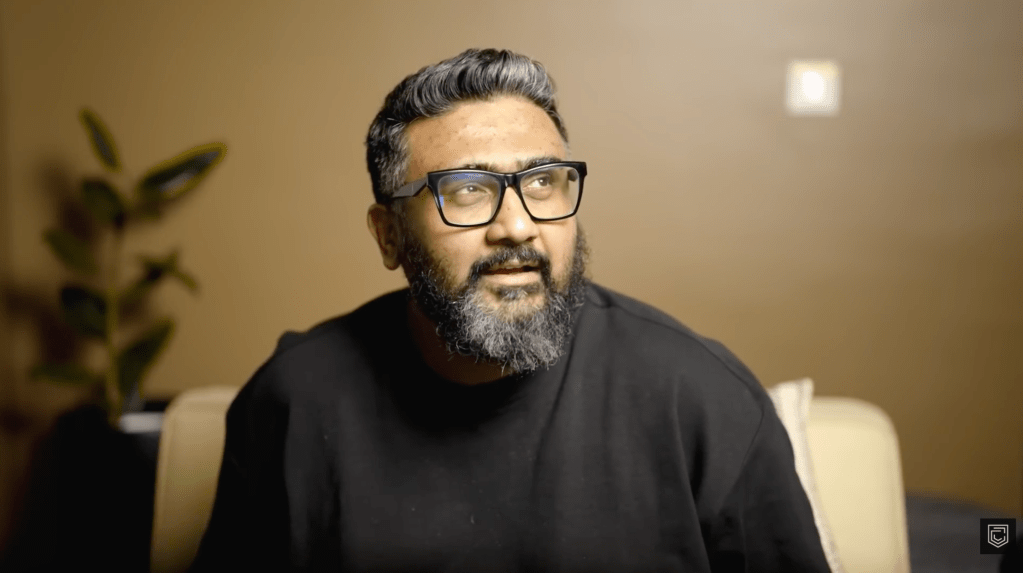
Cred founder and CEO Kunal Shah. (Courtesy: Cred)Cred founder and CEO Kunal Shah. Cred

We’ve seen this play before in Big Tech.

It goes like this: Find a desirable tech founder-CEO to run a unit of your larger company, buy a stake in their smaller company (and/or pay to license its tech), hire them away to your operation, leave theirs in the dust—no regulatory nonsense necessary.

The most prominent example is Meta’s $14.3 billion, 49% stake in Scale AI, acquired in June 2025, which led to Scale co-founder and CEO Alexandr Wang running Meta’s Superintelligence Labs. 

But there are others: Microsoft’s hiring of Inflection AI’s Mustafa Suleyman in March 2024, Amazon’s hiring of Adept’s David Luan and others in June 2024, and Google’s hiring of Character.AI’s co-founders in August 2024 and Windsurf’s leaders in July 2025.

This week, Meta’s back at it with a $900 million investment in the Indian fintech firm Cred, giving it a roughly 20% stake as well as founder Kunal Shah, who will replace Will Cathcart as the global leader of WhatsApp. Miten Sampat will serve as Cred’s interim CEO. 

It’s a big deal in Bangalore, literally. As Fortune India puts it: “The development marks one of the biggest leadership transitions in India's startup ecosystem, with Shah moving from running one of the country's most prominent fintech firms to heading the world's largest messaging platform used by more than three billion people.”

Cathcart—“one of Meta's most important and effective leaders,” Meta CEO Mark Zuckerberg wrote in a social media post—won’t be a stranger, though. 

The man who led WhatsApp for seven years following a period of tumult involving the departure of both WhatsApp founder Jan Koum and his appointed replacement, Chris Daniels, expects to remain at Meta in a new role building untold products from scratch. —AN
Getty Images signs a licensing deal with OpenAI
Short of a kind word from Warren Buffett, what on earth could make a 31-year-old company’s stock price more than double?

An OpenAI deal, that’s what. 

The ubiquitous photo licensing firm Getty Images—used throughout this newsletter and in the pages of most major media companies—announced on Monday that it had signed a multi-year deal with OpenAI to allow its vast media library (of nearly 500 million assets) to appear in ChatGPT’s search and discovery tools. 

The deal is significant for reasons beyond investor relief. Shares of Getty Images were down some 55% this year on fears that generative AI would eat its content business, which includes news photographs and video as well as creative stock visuals, without legal recourse.

At first, Getty resisted the march of generative AI. Then it tried to develop its own AI image generator. Along the way, the company sued London-based Stability AI for allegedly scraping more than 12 million copyrighted photographs, captions, and metadata to train its Stable Diffusion model. (The U.K. court dismissed its copyright claims but allowed that its watermark trademarks were infringed upon; the U.S. court dismissed one claim but allowed three others to proceed. Both continue.)

Getty has since shifted its strategy in light of other media peers signing licensing deals with powerful AI companies—“a devil’s bargain,” as the Atlantic wrote in 2024—to one that’s more about licensed facilitation rather than outright legal opposition. 

As its CEO, Craig Peters, wrote in Fortune that same year: “My focus is to achieve a world where creativity is celebrated and rewarded and a world that is without cancer, climate change, and global hunger,” he wrote. “I want the cake and to eat it. I suspect most of us want the same.” —AN
Valve’s new Steam Machine will sell for more than $1,000
A new living room PC? In this economy?

Valve, the Bellevue, Wash. gaming company behind the popular Steam platform and titles Half-Life and Counter-Strike, announced on Monday that its long-awaited Steam Machine will go on sale June 29 starting at a tick over one grand.

That $1,049 starting price tag gets you a hunk of hardware with 512 gigabytes of storage; a maxed out 2TB model with controller bundle will sell for $1,428.

The device aims to compete with traditional game consoles like Microsoft’s Xbox and Sony’s PlayStation, which presently sell for $600 and up and are equally subject to the global component shortages that have lately bedeviled consumer electronics companies.

Valve’s Steam Machine promises to play the library of Steam games (which includes Dota, Apex Legends, Team Fortress, Meccha Chameleon, Marvel Rivals, and Dead by Daylight) you’ve presumably accumulated since Steam first launched in 2003. If you’re thinking, well that’s surely not me, consider: Steam counts 147 million monthly active users and commands about 75% of the PC gaming market.

How will the steep price tag go over when it’s time for gamers to put hard-earned cash on the line? Valve told Tom’s Hardware that it expects a reservation queue that will extend through the rest of the year. At any rate, the “painful” price point of its existing Steam Deck handheld suggests that the privately held company appears to be more than happy to keep hardware margins low in favor of driving incremental game sales. —AN
More tech
Microsoft signs a 20-year deal with Chevron for natural gas power for a proposed West Texas data center.

Five Eyes agencies warn: AI that can take down governments is mere months away.

Google invests in A24. A reported $75 million in the independent movie studio as part of a new AI partnership.

SK Hynix is now South Korea’s most valuable company. It overtakes its memory-making rival Samsung with a roughly $1.4 trillion market cap.