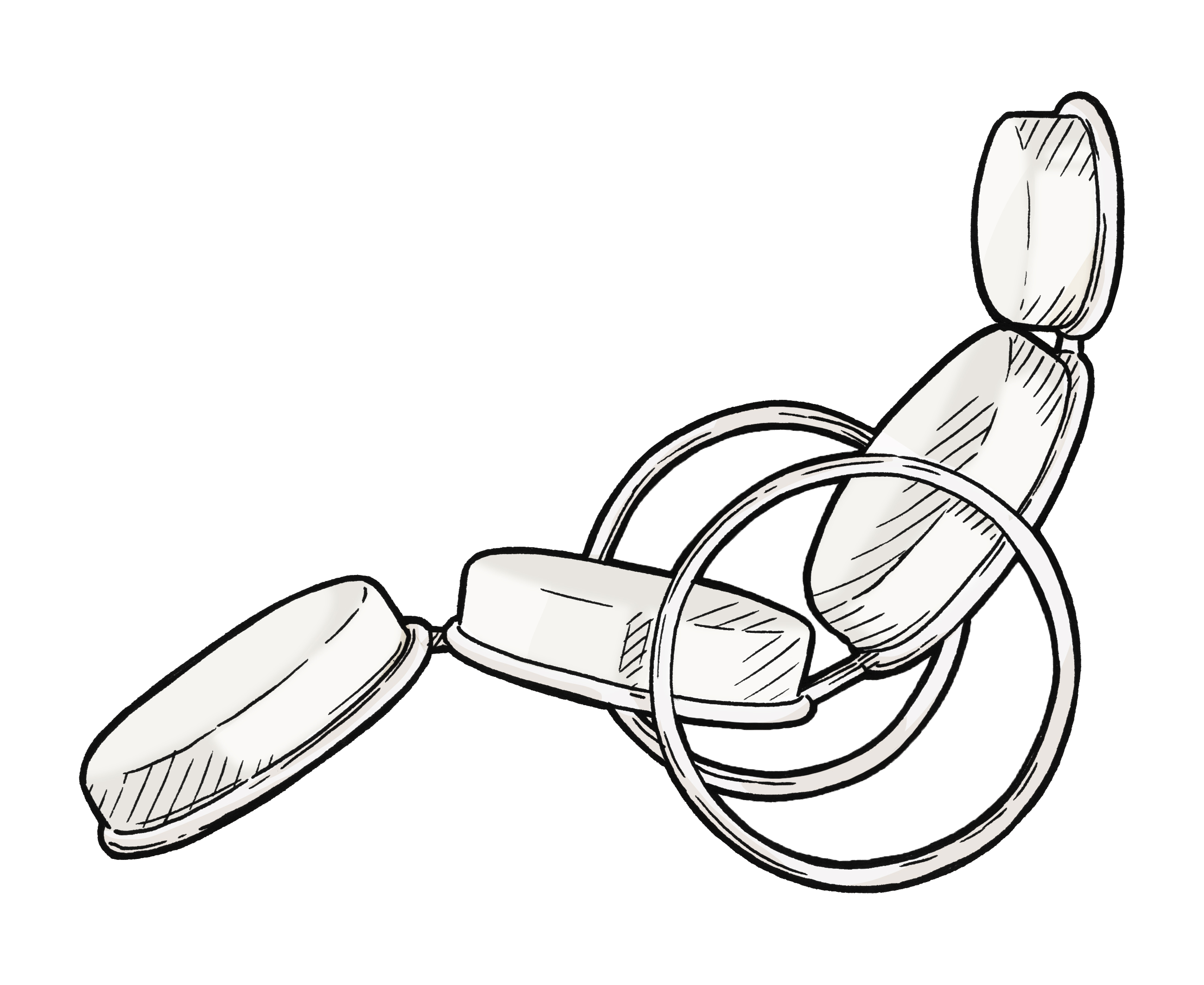
A Verner Panton lounger, a sew-machine showcase from Vaerktøj and more from 3 Days of Design.
|
Wednesday 10/6/26
|

|
|
London
Paris
Zürich
Milan
Bangkok
Tokyo
Toronto
|
|
|
|

Nordic and nice
As 3 Days of Design gets under way, the spotlight is falling not just on finished products but also the threads that bind them together – from Vaerktøj’s sew-machine-focused showcase to &Tradition’s exhibition at its Copenhagen townhouse-cum-showroom. We also talk about all things hospitality and bauhaus with designer Louise Roe and sit back in a colourful chaise longue by Verner Panton. First, Nic Monisse has some takeaways from the Danish capital.
|
|
OPINION: Nic Monisse
Dane in the life
The most significant design event in Scandinavia, 3 Days of Design, kicks off today throughout Copenhagen with hundreds of brand launches and installations. Many Nordic labels are now skipping Milan Design Week to show their work here and there’s an abundance of fresh ideas and takes on the industry. Here are some takeaways from the opening day.
Objects shape feelings
“An object is never just an object: it shapes a room and holds memory,” says Marie-Louise Høstbo, who has curated an exhibition at Postbyen, a new cluster of buildings in central Copenhagen. Hosted under the banner of her namesake gallery, it features works by Danish studios, including Frederik Gustav and Anna Søgaard, with pieces positioned in relation to daylight and movement. “Objects can influence how we move, act and feel.”
Hidden potential (pictured below)
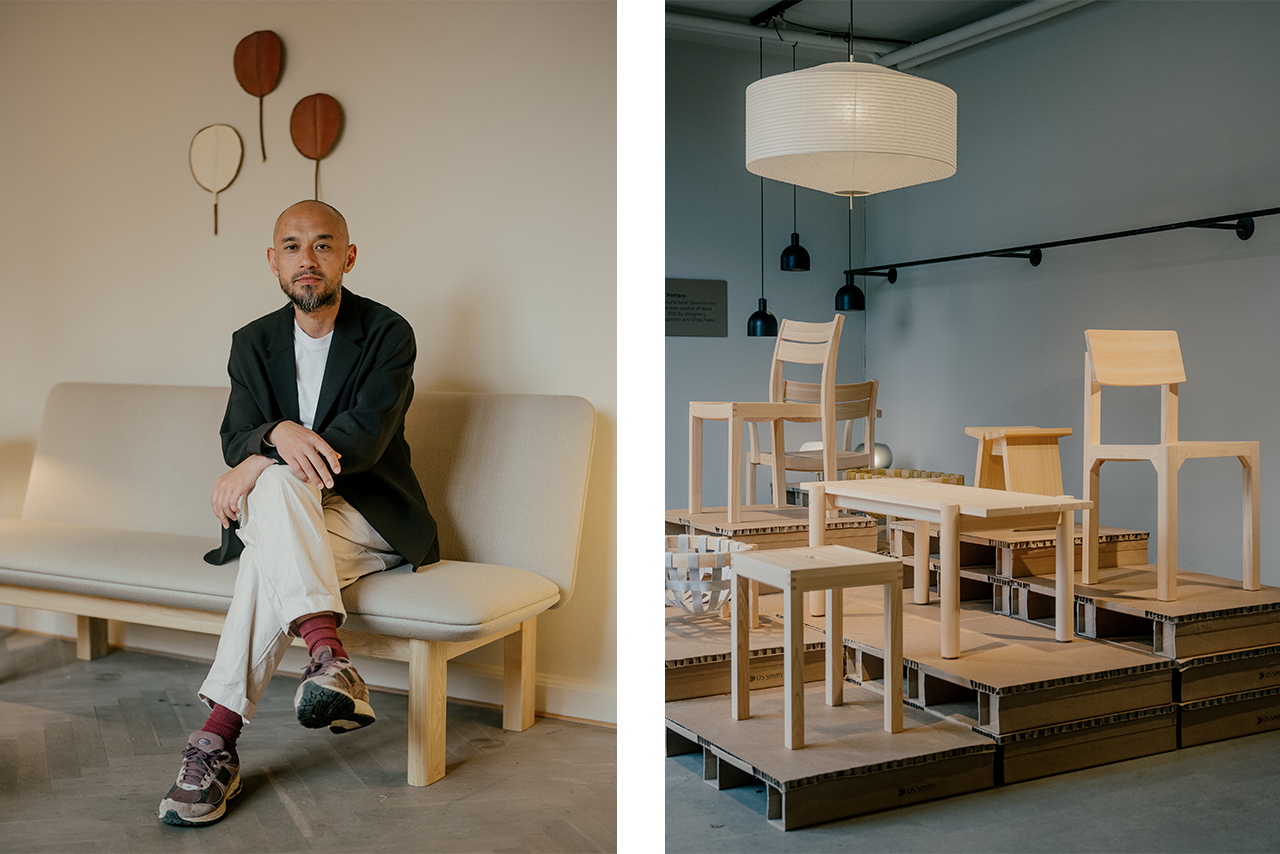
“Hinoki wood was primarily used for temples and shrines but the demand has dropped in recent years, presenting an opportunity for it to be used for furniture,” says Wataru Kumano (pictured), who has produced chairs made from the native Japanese timber for Mas, an emerging brand backed by Karimoku furniture. It’s an approach that shows potential for supply chains to be adjusted to match changing needs. The work is being presented in the Japanmade Vol 1 showcase, curated by Jens H Jensen with exhibition design by OEO Studio, featuring paper brand Naowashi, lighting studio New Light Pottery, homeware specialist Sekisaka and fragrance brand Sheep.
|
A return to physicality
“As more of our lives move into digital environments, physical spaces take on a different meaning,” says Muuto’s Line Brockmann Juhl. “There is a renewed appreciation for places that feel warm, intuitive and human.” The brand is celebrating its 20th anniversary and the CMO has been considering the changing conditions in which it has operated over the past two decades. “This way of thinking influences workplaces, hospitality environments and public spaces. As a result, the distinction between residential and contract design feels less important than it once did.”
Complementary countries (pictured below)
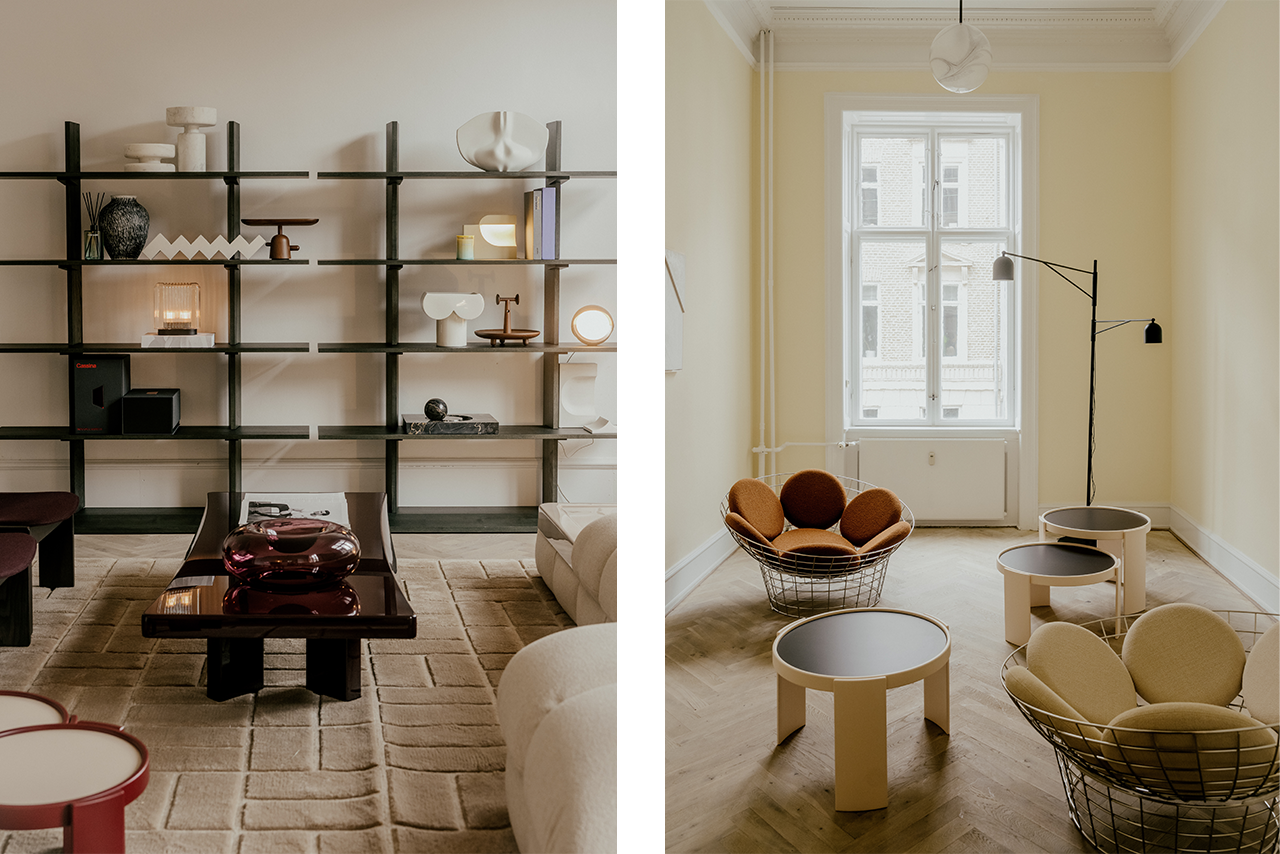
Copenhagen and Milan are both vying for the crown of world design capital – but the two have been inadvertently shaping each other for years, says Karakter’s COO, Kim Mekawi. “Danish design has become more expressive, while Italians have become more Scandinavian in how they use materials,” says Mekawi. “We’re seeing a lot more lighter timber, such as ash. Mekawi is presenting the Danish brand’s work in partnership with Italy’s Cassina at this year’s edition of the fair – a position that leaves him well placed to comment on the similarities. “The Danes will never be as expressive as the Italians but with new Nordic design you’ll see that bold colours and unusual shapes are now more accepted.”
|
Make way for the new wave
“We are part of a new group of design brands dedicated to the Earth,” says Lasse Lund Lauridsen, CEO and co-founder of Form & Refine. The Danish label, established in 2018, prides itself on producing furniture in a material’s country of origin in partnership with local craftspeople. This approach has resonated with environmentally minded consumers, with the company experiencing 30 per cent growth over the past year. “Sometimes legacy brands have difficulty keeping up, even though they have many more resources.”
A note on curation
“We don’t have a broader theme for the exhibition,” says Silas Adler, co-founder and curator of Other Circle. The group showcase, featuring more than 50 exhibitors, is spread across multiple floors in The Lab, an expansive factory-like space. Rather than forcing participants to respond to a brief, Adler and his team have let themes emerge organically. “For me, a theme needs to be developed thoroughly and thought through – otherwise, it just becomes a phony cover-up. We try to trust our instincts.”
Make the invisible visible
“Architecture and design have a habit of celebrating the final work without asking how it came to be,” says Magdelis Santos, who curated architecture studio 3XN GXN’s show, Working Matter, with Marie Hesseldahl. The group exhibition champions creatives who treat their design process with as much value as the finished object. “By making this visible, we help to build the kind of critical awareness around materials that the food and fashion industries have already encouraged,” says Hesseldahl. “That conversation is overdue in design.”
Nic Monisse is Monocle’s design editor. For more from 3 Days of Design, tune in to Monocle Radio.
|
|
the exhibition: Vaerktøj
Holding the threads
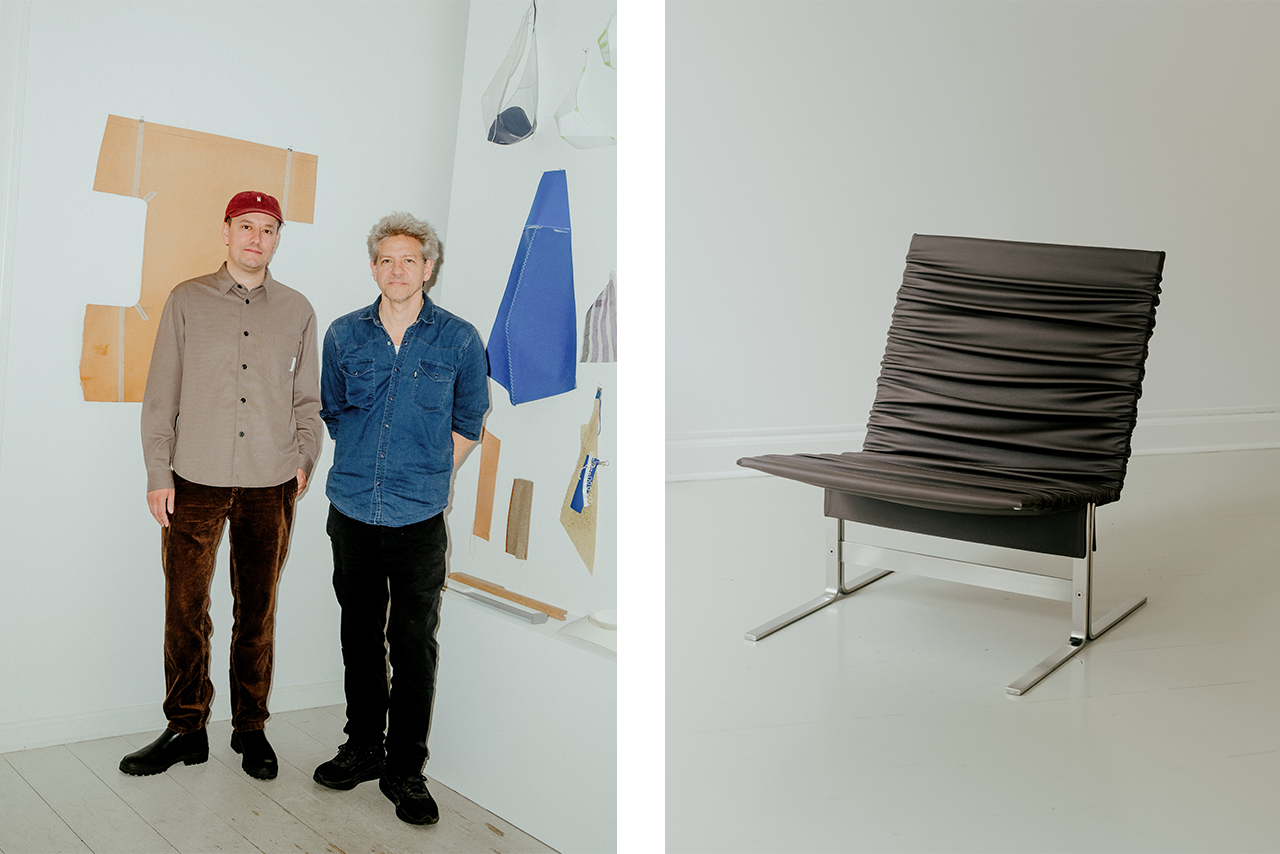
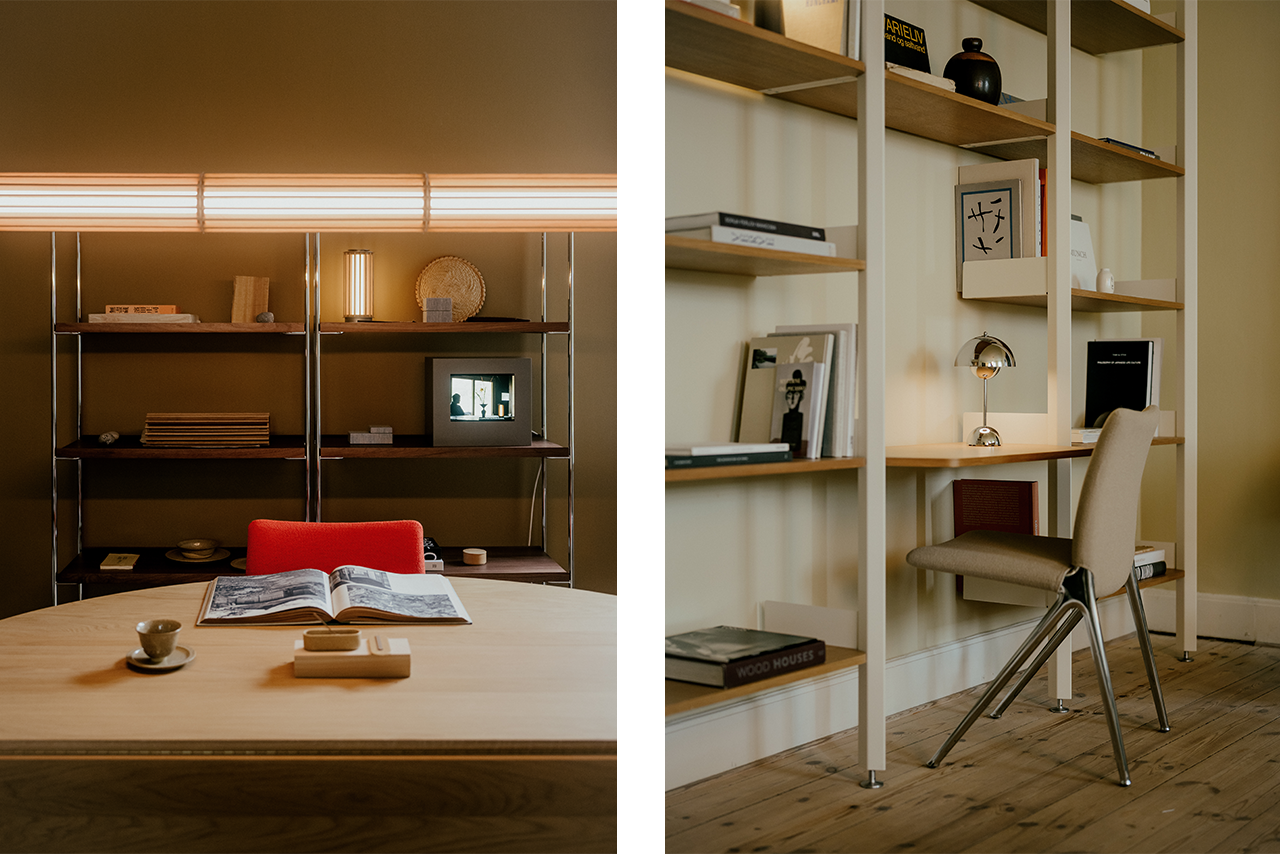
Vaerktøj is an exhibition platform that showcases work united by a simple premise: each designer must use the same tool, in this case a sewing machine, to produce a final product. This year’s edition builds on the first two iterations of the event – where a metal press and flat-bar bender were the tools of choice – and features established names, such as Erwan Bouroullec, alongside emerging Danish talent, including Laerke Ryom.
Products range from lighting systems to sofas, with textiles a uniting thread. “The sewing machine is a tool that bridges industrial production and domestic making,” says Michael Antrobus (pictured, on left). The Vaerktøj co-founder adds that the showcase is intended to demonstrate how a designer’s oeuvre is often shaped by their means of production. “It’s often the starting point for our work.”
Visit Vaerktøj 3 at Gothersgade 30, Copenhagen during 3 Days of Design.
|
|
WORDS WITH... Louise Roe
Where bauhaus and art deco meet
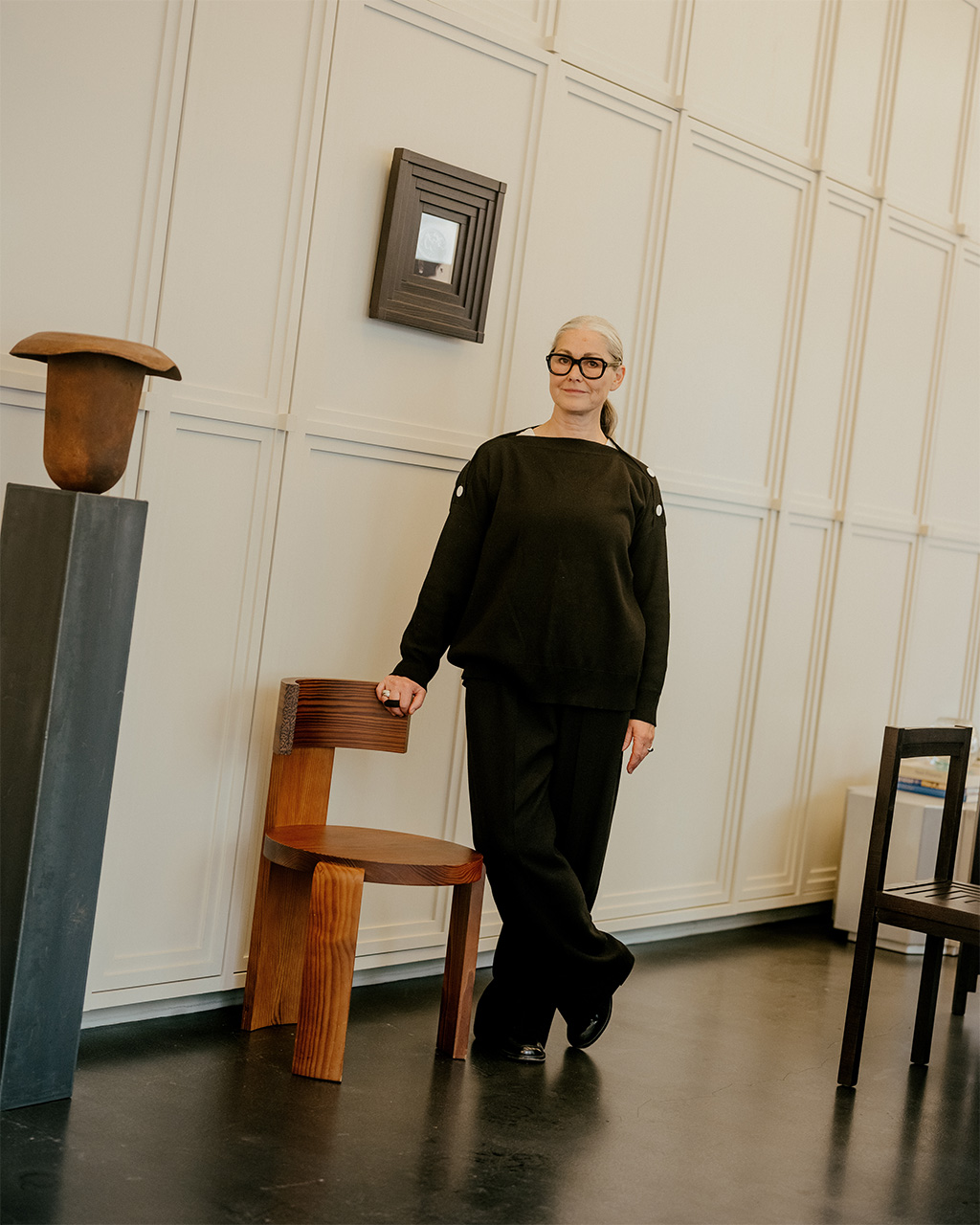
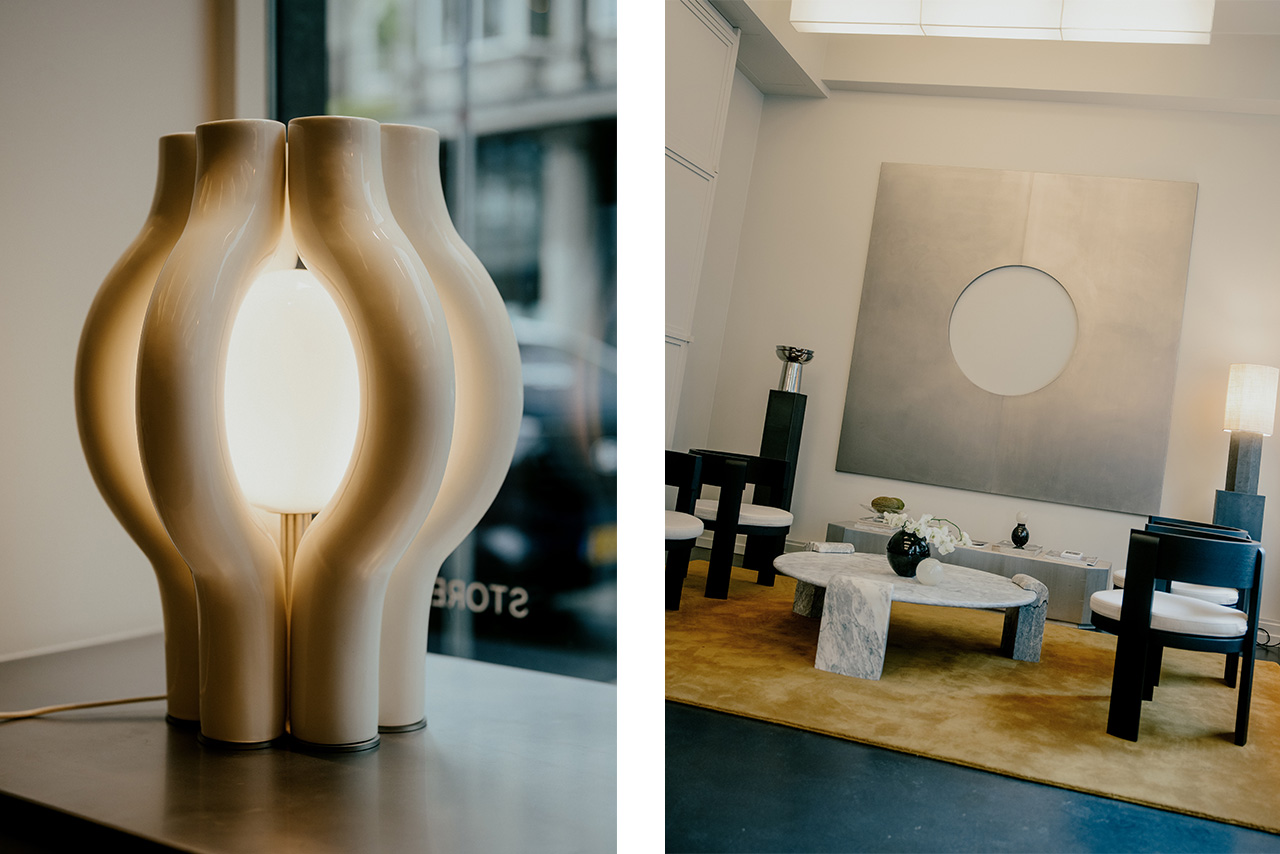
Hospitality provides the central tenet for Danish designer Louise Roe’s installation at this year’s edition of 3 Days of Design. Titled Stay a Little Longer, the exhibition is staged at Roe’s namesake gallery on Vognmagergade and presents novelties – including wooden chairs and tables – in a laid-back context, namely that of the gallery’s year-round café, The Roe Bar. “The installation unfolds as a lived environment,” says Roe. “Furniture and objects are introduced through use, rooted in ideas of hosting, tradition and communal dining.” We caught up with Roe at her gallery in Copenhagen to hear about finding the balance between bauhaus and art deco, and her recommendations on where to go in the Danish capital.
|
Why put the focus on hospitality for your installation, and what does this look like in practice?
I wanted guests to linger and wondered how I could make people feel welcome and invited. The installation offers an intimate introduction to the new Frankie Café Chair and Table, presented alongside The Person glass lamp – a rechargeable, artistic glass lamp that acts as ‘an extra person’ at the table – together with a collection consisting of a room divider, mirrors and artwork frames. The Frankie chair and table were created with the idea of hosting in mind. I wanted them to feel functional and grounding yet still elegant. At first glance, they appear quite simple but they were designed with a decorative mindset.
What designer or movement has shaped you the most?
I have always felt inspired by the 1920s and 1930s, when bauhaus and art deco met. I am drawn to the contrast between the bold and masculine clarity of bauhaus and the more decorative, feminine elegance of art deco. Finding balance between those worlds interests me a lot. Eileen Gray has also inspired me deeply for her ability to create work that feels architectural and soft at the same time. Strong but sensitive. I admire her even more when considering the time that she worked in. It could not have been easy being a woman in the male-dominated world of architecture and design [of the mid-20th century].
|
The sky’s the limit: which piece of furniture would you love to own?
A vintage wooden Le Corbusier wardrobe [designed for La Cité Radieuse in Marseille] with its parallel, expressive handles. I have a thing for coats and jackets, and I can picture them hanging inside such a cabinet – strong in character yet beautifully simple.
A recurring source of inspiration?
Everyday moments. Architecture, art, hospitality, nature, historical objects, travelling and how materials behave. I look at shapes and proportions. Even shadows, reflections or the way light touches an object can inspire me. I work intuitively and a small detail can inspire me with the way that it curves or is assembled.
Any favourite spots in Copenhagen?
I enjoy the feeling around Vaernedamsvej. There is something incredibly charming about the atmosphere there, almost like a little Paris in Copenhagen. For shopping, I recommend Stoy in Landemaerket for a selection of international fashion brands and a focus on quality and tailoring. I also love stopping by Bar Vitrine for a glass of wine. Graziano on Vaernedamsvej, as well as the one on Møllegade in Nørrebro, are places that I enjoy for their authenticity. Restaurant Bobe is another place that I hold dear.
Visit Louise Roe’s exhibition during 3 Days of Design at her shop and café at Vognmagergade 9, Copenhagen.
For more from designers such as Louise Roe, tune in to ‘Monocle on Design’ on Monocle Radio.
|
|
From The Archive: Lounge chair by Verner Panton for Trau
Full circle
If the blond wood and polite sensibility of Danish design ever get tiresome, just turn to the country’s one renegade modernist: Verner Panton. The designer, who would have turned 100 this year, is being celebrated with a major retrospective at the Vitra Design Museum in Basel. Verner Panton: Form, Colour, Space provides a rainbow-tinted tour of Panton’s career, from the iconic Panton, S and Cone chairs to many lesser-known ideas, such as this lounger from 1985.
The chaise longue is part of Rondo, a furniture collection designed for the Turin-based manufacturer Trau. As its name suggests – “rondo” is a nonsensical word but sounds like the Italian for “round” – the chair, a side table and lounger were all built from tubular steel linked by colourful, upholstered circles, reminiscent of jewellery or make-up mirrors. Even in his later years, Panton clearly lost none of the verve and hedonism that defined his designs. More of them deserve to be around to cheer up homes today.
|
|
around the house: &Tradition
Fresh as a daisy
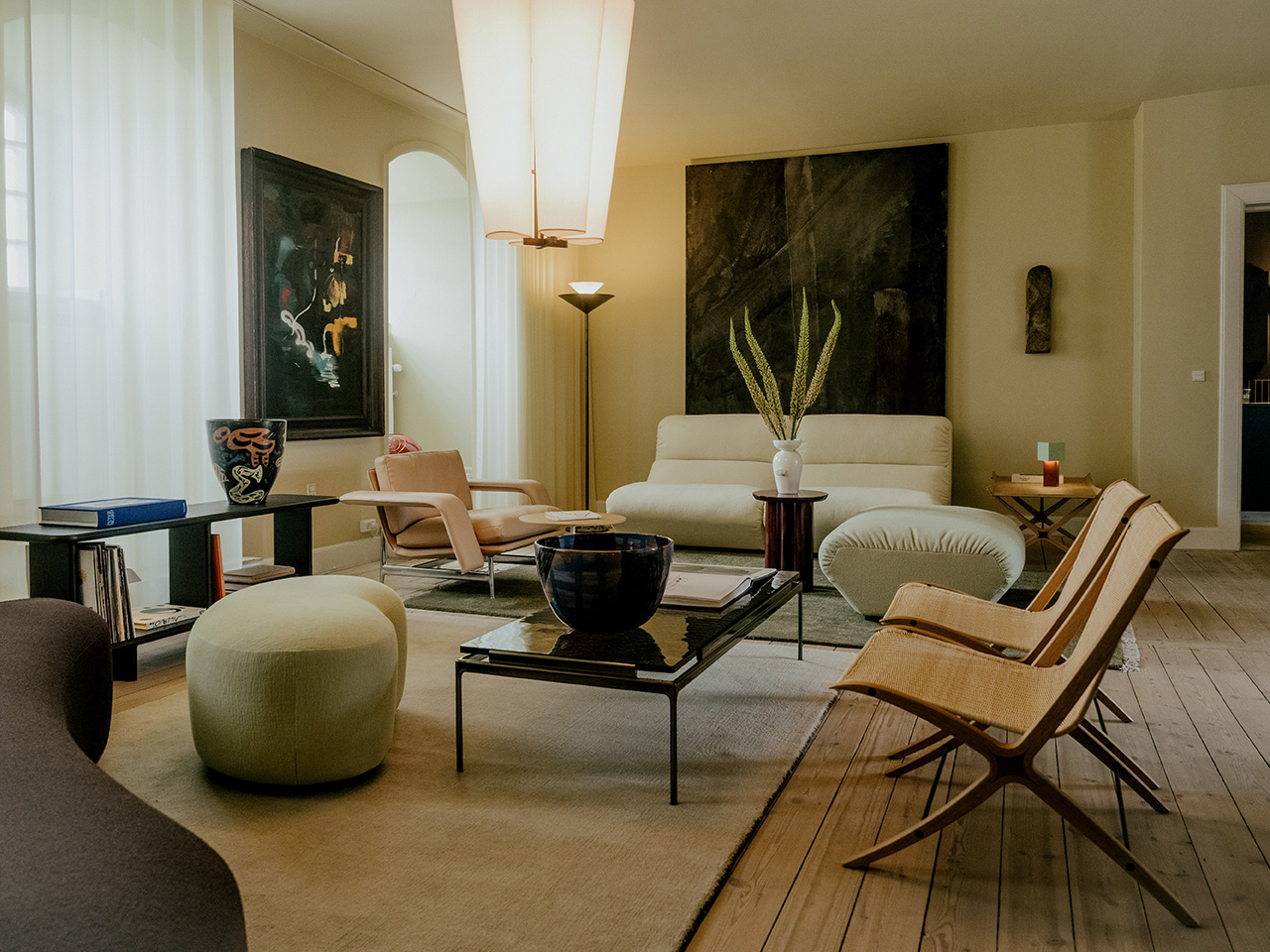
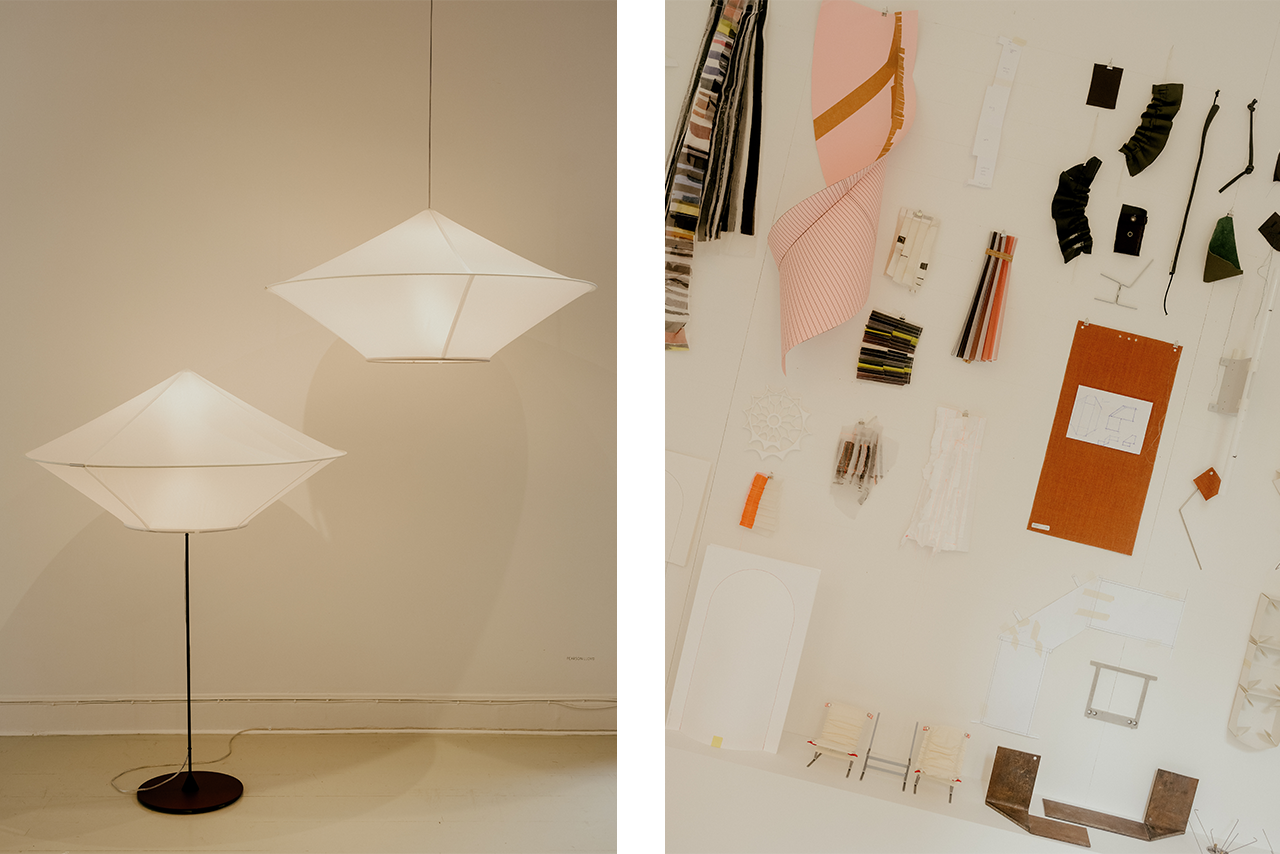
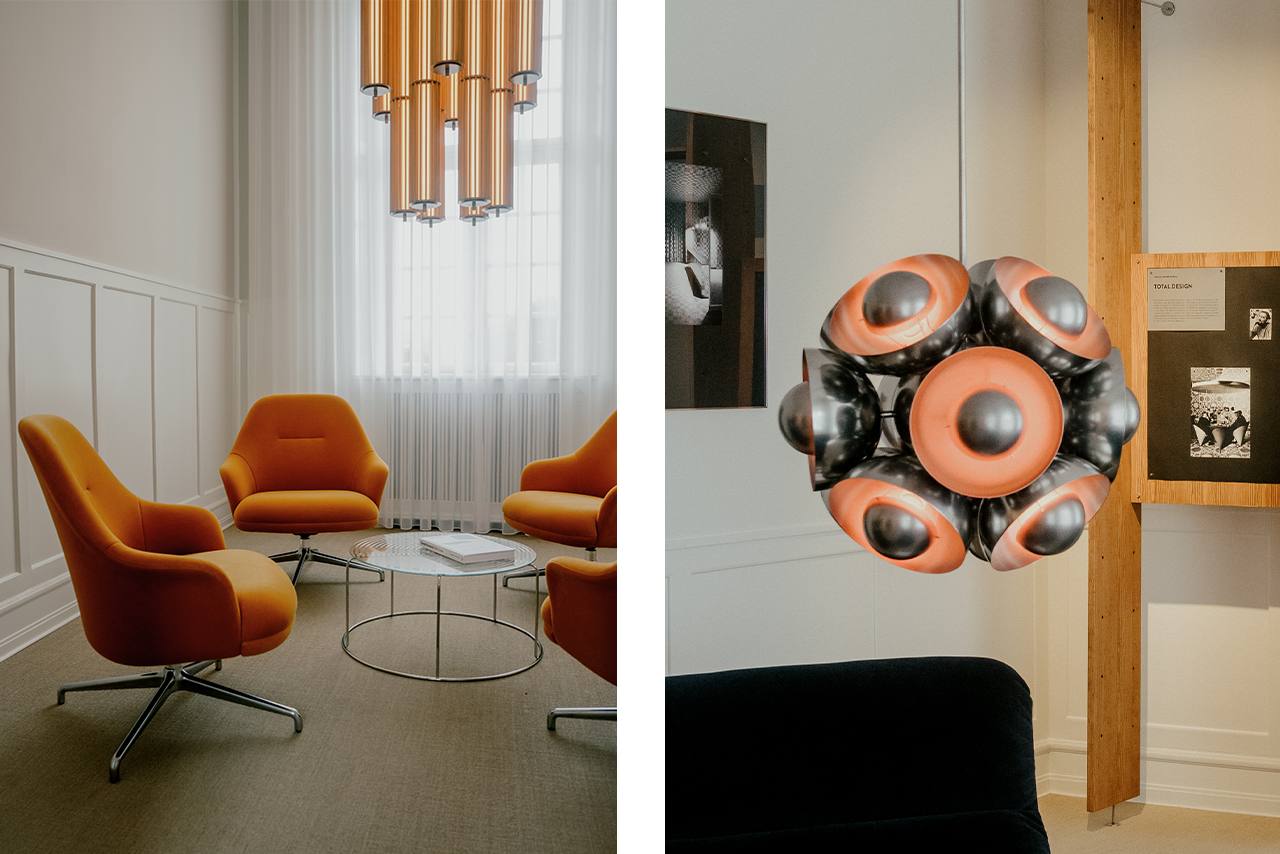
At its sprawling townhouse-cum-showroom on Kronprinsessegade, &Tradition is presenting a showcase of designs old and new – the kind of timewarp-inflected take on design that we have come to expect from the Danish brand. Titled Traces, the exhibition narrows in on the act of creating, delving deeper into the process behind a design. Case in point is the continued exploration of Danish designer Verner Panton’s 1968 Flowerpot lamp – one of the first products that &Tradition carried when it launched in 2010. As well as debuting new colourways of the lamp, the popular Flowerpot is being reinterpreted as one-off sculptural, all-metal chandeliers.
|
|
Elsewhere, a new series of lighting by Japanese designer Teruhiro Yanagihara called Numbra is being presented while the dialogue continues between &Tradition and Copenhagen-based designer Hee Welling. This year, his Rely series of recycled, injection-moulded plastic chairs take centre stage with a presentation on its manufacturing and the iterative intent behind its original design. As such, &Tradition is quietly but confidently cementing its role within Copenhagen’s design scene as a bastion for work old, new and ongoing.
andtradition.com
Stop by &Tradition’s showroom at Kronprinsessegade 4, Copenhagen, during 3 Days of Design.
|
|
| | |