The mighty ambitions of Mexico’s electric mini-car, sprucing up the office at Orgatec Tokyo and we decorate the great outdoors with Hay x Jasper Morrison.
|
Friday 5/6/26
|

|
|
London
Paris
Zürich
Milan
Bangkok
Tokyo
Toronto
|
|
|
|

Good morning. Are you leafing through the new Konfekt yet? The summer issue is packed full of roadtrips, holiday style and inspiring beach reads for a sun-soaked season. Konfekt sets sail around the Finnish archipelago with a designer, plays tennis on the French Riviera and unwinds in a glorious garden in the Balearics. Enjoy. For now, here’s what’s coming up in today’s Minute.
THE OPINION: Why you need to pick up
Konfekt’s latest issue
TRANSPORT: Mexico’s electric mini-car has mighty ambitions
DAILY TREAT: Decorate the great outdoors with Hay x Jasper Morrison
DESIGN: Sprucing up the office at Orgatec Tokyo
THE LIST: Stories that you might have missed
|
|
A shore thing: Konfekt’s summer issue is an ode to sun, sand and sea
By Sophie Grove
|

|
The French Riviera is synonymous with striped awnings and a chic, beachy freedom that hovers in my mind’s eye. It is an idea of summer, as well as a place. As much as I crave discovery, it is always blissful to flex a familiar muscle, returning to the same rocky shores with new perspectives. Whenever I frequent the Côte d’Azur, its complexity shows itself – it is every bit as Graham Greene as it is
Bonjour Tristesse. Small towns lie between wild nature reserves, nudist beaches, boatyards and military outposts.
A few years ago I found myself in and around the
école navale in Toulon, not far from where submariner Jacques Cousteau pioneered the art of Aqua-Lung and scuba in the mid-20th century.
Photographer Julien Oppenheim and I were shadowing some French navy seals for a Monocle report and were at one point required to leap from a motorboat onto a naval frigate as a tempestuous storm blew in. We explored the depths of a hyperbaric chamber used to treat the bends as we met a new cohort – all Cousteau’s disciples. I remember watching some young frogmen as they practised a drill for deep-sea technical diving, exclaiming how they found freedom 70 metres below. It was another side to the Côte d’Azur, every bit as intoxicating as mountains and beaches.
|
In the new issue of
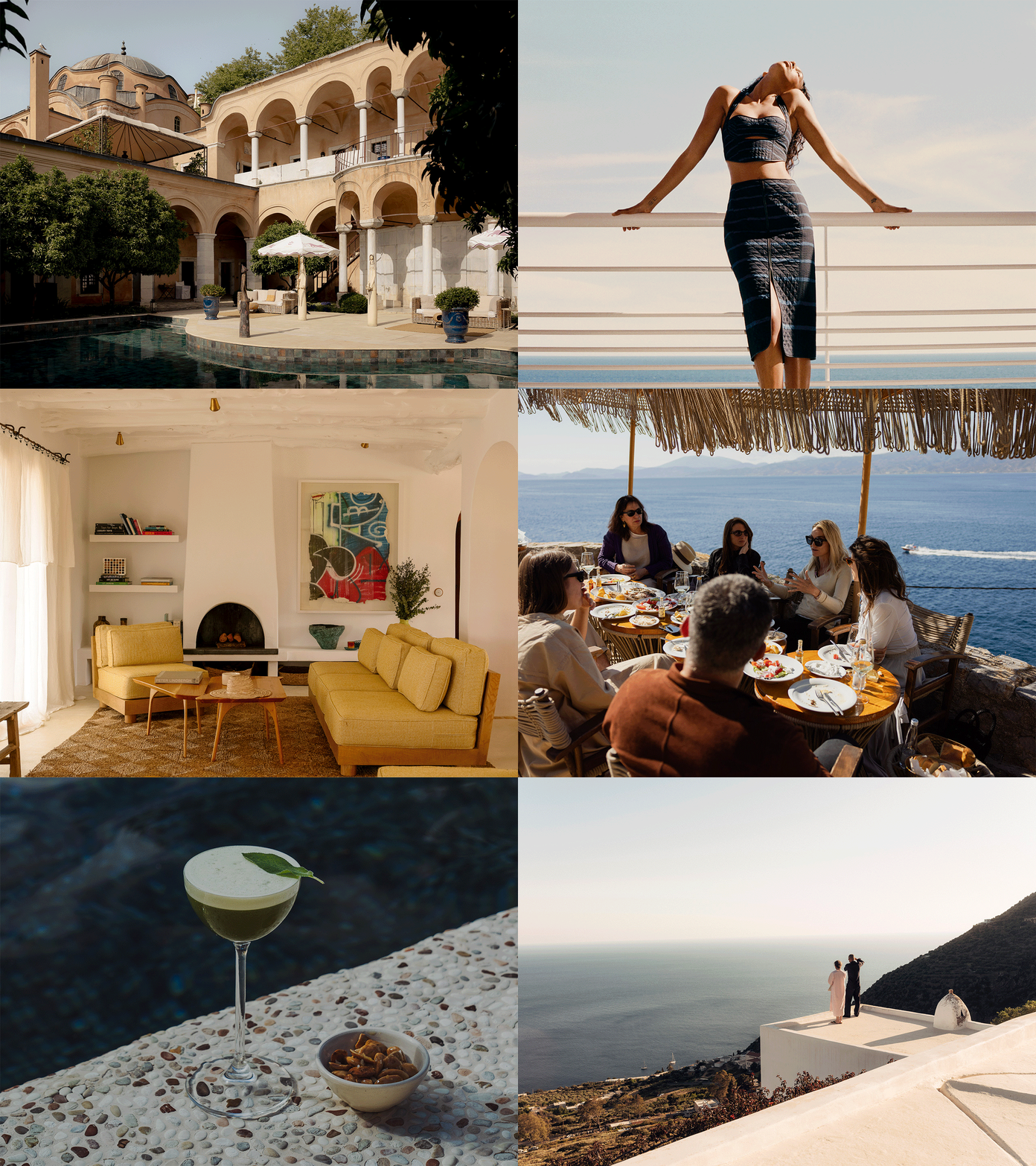
Konfekt, our travel special, we linger on the stretch of coast east of Cassis. In a report shot by Oppenheim and written by contributing editor Robert Bound, we spend time at the shipyards in La Ciotat and meet the hosts of old
hôtels particuliers made new, raise a glass with a coterie of artichoke farmers and natural vintners, and stop for a large pastis on the Ricard family’s private island, recently reopened as a hotel, with interiors that feel like an ode to the 1960s.
You’ll glimpse some familiar azure shores further up the coast on fashion editor Daphné Hézard’s shoot at the newly renovated hotel Le Provençal on the Presqu’île de Giens, where she styled this issue’s cover with a slew of breezy summer looks and dashing swimwear. The hotel has a coastal pool set into the rocky shore and an enviable clay tennis court. Designed by Paris-based Rodolphe Parente with help from Benjamin and Damien Piffet (the owners and grandsons of the hotel’s founder, Marius Michel), the interior features an art collection curated by Julie Liger, the deputy director of the nearby Villa Noailles. Daphné and her sister, Maud (who produced the shoot), were born and raised on the Riviera – and their work captures its essence.
My appetite for reading shifts rapidly as soon as the sun appears. Summer is a time for essays – those deep dives into niche and, usually, left-of-field subjects that your city self can’t and won’t process. The literature that we discover poolside or propped up on a rock on an Atlantic beach becomes part of our holiday too; it trickles into the fibre and feel of any itinerary. Up front, The Tone section introduces a clutch of brilliant new novels inspired by hotels; we meet an artist representing Somalia at the Venice art biennale; and columnist Barry Pierce dissects the celestial thinking of esoteric artist Hilma af Klint.
In our travel section we delve into the modernist heritage of Malta in an expansive report and our essays take aim at everything from the history of melons and the colour turquoise to a taxonomy of swimming strokes.
You are never far from the sea in this issue and features in our fashion section are littoral themed. Writer Laura Rysman’s report on northern Sicilian family business Asciari is a particularly striking portrait of an intergenerational venture producing fine garments using traditional skills. “Sicily has many layers,” says Marta Cigala of her brand’s minimalist aesthetic. “Farmers, fishermen, artisans, priests, nuns – look at their clothes from the 1940s and before. They were unadorned but beautifully crafted. We had an extraordinary tradition of tailors and fabric-making in Sicily and we still do – it has just been reduced.”
Perhaps my favourite piece in this issue is Chiara Rimella’s Conversations, a roundtable on the essence of islands, convened over lunch outside an 18th-century windmill on Greece’s Hydra. Her panellists exchanged ideas and even read passages from books that they loved over the course of lunch, touching on the idea that atolls, archipelagos, rocky outcrops and small islands loom large in our imaginations – be it Robert Louis Stevenson or Homeric shipwrecks. It’s a reminder of how islands mark our culture and minds, from their mythic past to our geopolitical present.
It just so happens that Hydra is the setting for one of my favourite summer books: Australian writer Charmian Clift’s
Peel Me a Lotus, which documents her bohemian attempt to settle on the island with her young family in the 1950s, when there was very little running water, and where a revolving cast of artistically inclined expats infuriate and console each other in equal measure. The book encapsulates the freedom that we find on islands, despite their geographic limits. It reveals how our archetypal dreamy spots often have their quixotic allure and challenges too. But that, when swimming off some rocks in the azure-blue sea, they are nearly always worth contending with.
Sophie Grove is the editor of Konfekt and Monocle’s executive editor. Want to read the issue? Pick up a copy at the newsstand or order it here.
|
|
The craft behind the code
|
Transport: mexico
Can the state-backed Olinia mini-car take charge of Mexico’s EV market?
Sure, you own a hummer in the inner-city – but when was the last time your dashboard read more than 50km/h
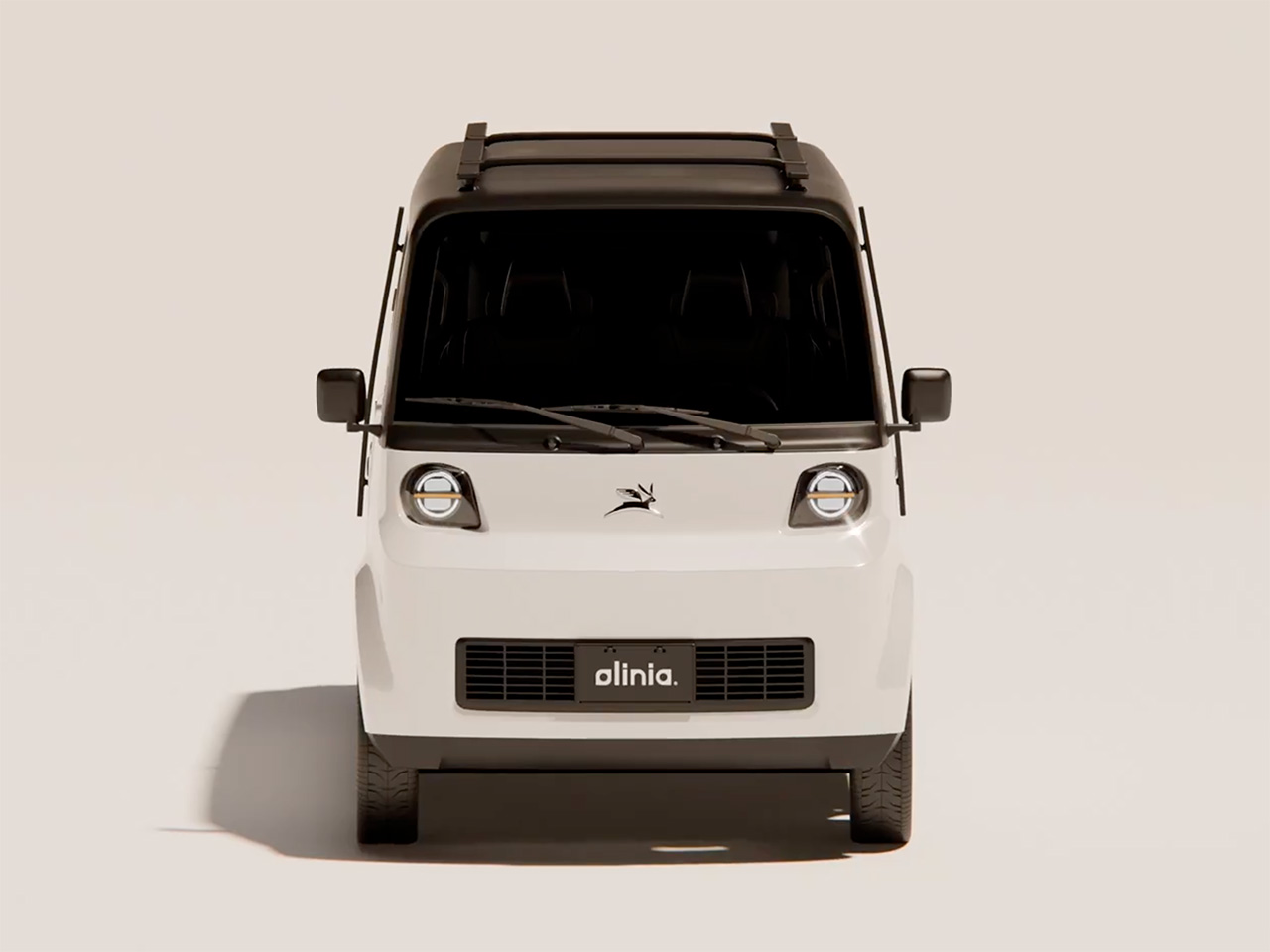
(asks Rory Jones)? While eyes are on North America ahead of the Fifa World Cup, Mexican president Claudia Sheinbaum seized the opportunity to unveil the final prototype for Olinia: an ultra-affordable, state-backed, micro electric vehicle (EV) that tops out at a city-conscious 50km/h. With prices starting from MXN$90,000 (€4,500), the vehicle is aimed at families and young people.
|
|
|
Say watt: The Olinia will seek to challenge China’s EV dominance in Mexico
|
|
The design seemingly takes inspiration from the delightfully dainty
Japanese Kei cars – particularly Monocle favourite
Mibot, by KG Motors – and the Olinia will be available in three models. One for personal mobility and commuting, one to replace the ubiquitous rickshaw-esque mototaxis in use across Mexican metropolises and a final model devoted to low-cost cargo delivery. Mass production of 20,000 units is set to begin in the first quarter of 2027. The demand is likely to be driven by the price point, which will significantly undercut the expensive and tariff-bearing Chinese EVs that charged to a 90 per cent share of the Mexican market in 2025.
|
|
• • • • • DAILY TREAT • • • • •
Decorate the great outdoors with Hay and Jasper Morrison
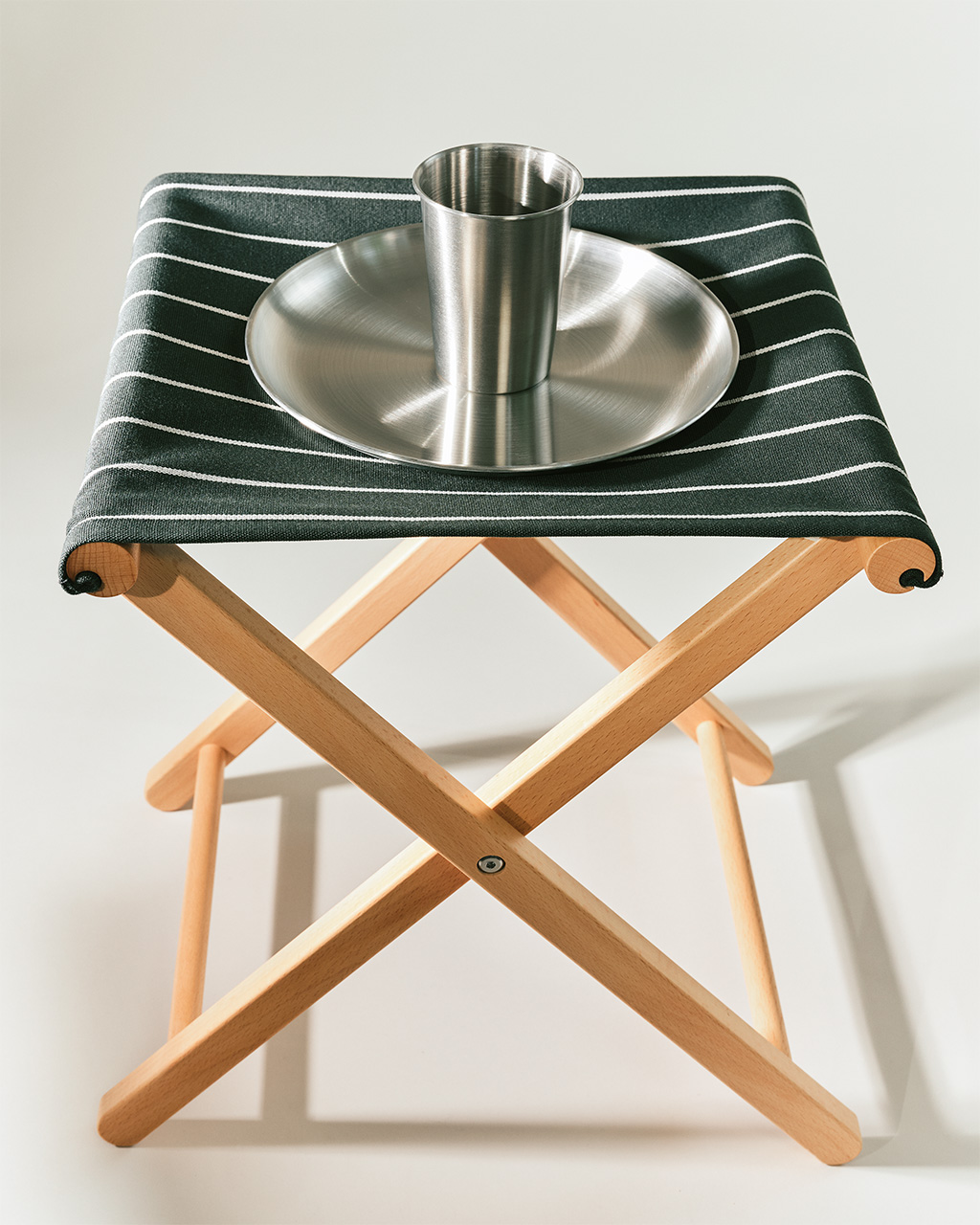
Danish design brand Hay’s latest collaboration with UK designer Jasper Morrison is a paean to outdoor living. Built around camping, picnics and spontaneous gatherings, the collection comprises 29 objects – among them stainless-steel plates and cups, a six-bottle carrier and folding chairs.
Each piece is shaped by a functionality-first logic, albeit with some room for sentimentality. Take, for example, the nautical striped fabrics inspired by Morrison’s trips to Mallorca and the Pyrenees. The end result is an invitation to spend a sunny Saturday outside.
hay.com;jaspermorrisonshop.com
|
|
DESIGN: JAPAN
Orgatec Tokyo gives more than a few good reasons to get back in the office
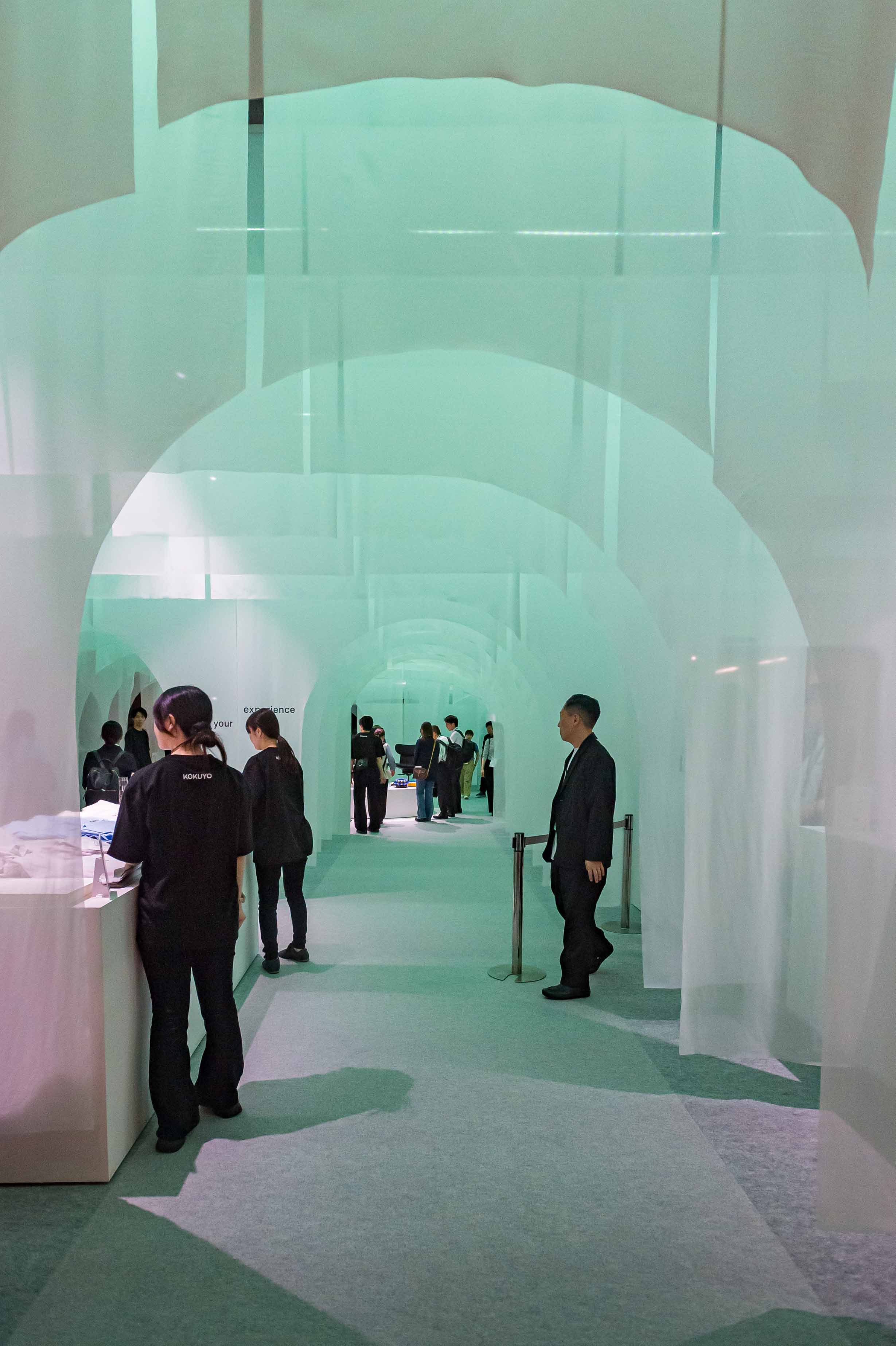
The Japanese office has been undergoing a makeover in the wake of the coronavirus pandemic and the latest ideas were given an airing this week at Orgatec Tokyo, the office-design fair (writes Fiona Wilson). All the big players were present and long queues formed to see the most exciting launches.
Stationery and office company Kokuyo, founded in 1905, continues to innovate and showed off its ergonomic chairs. Its next-generation prototype has the widest adjustment range to date and adapts to all body types and postures. Meanwhile Itoki exhibited its upcycled material collaborations with Japanese companies such as Toyota. This was sustainability in action: the booth was adorned with piles of unwanted materials such as crushed egg shells (from mayonnaise giant Kewpie) and shredded green uniforms (from 7-Eleven) that have all been recycled into new materials and used for office furniture.
|
|
|
Pull up a chair: Kokuyo premiered its latest office-chair prototype
|
|
Some of the most inviting spaces came from the wooden furniture companies bringing warmth to the workplace. Hida showed the enduring appeal of a shared table and a mix of chairs; its new addition is an elegant chair by woodwork artist Ryuji Mitani. Karimoku’s new modular system Stakko, designed by Tokyo’s Postalco, can be used to create walls, partitions and storage with stacked chestnut wood boxes. While its made-to-order office chair Me tailors to the specific measurements of the user.
Finland’s Framery created the original soundproof booths; now in partnership in Japan with Kokuyo, it showed new interiors for pods with adjustable lighting, more comfortable seating and fresh airflow. Japan is saying goodbye to offices st | | | | |