| | In today’s edition: Saudi recovery gains momentum, State Street eyes Oman, and UAE targets Latin Ame͏ ͏ ͏ ͏ ͏ ͏ |
| |  | Gulf |  |
| |
|
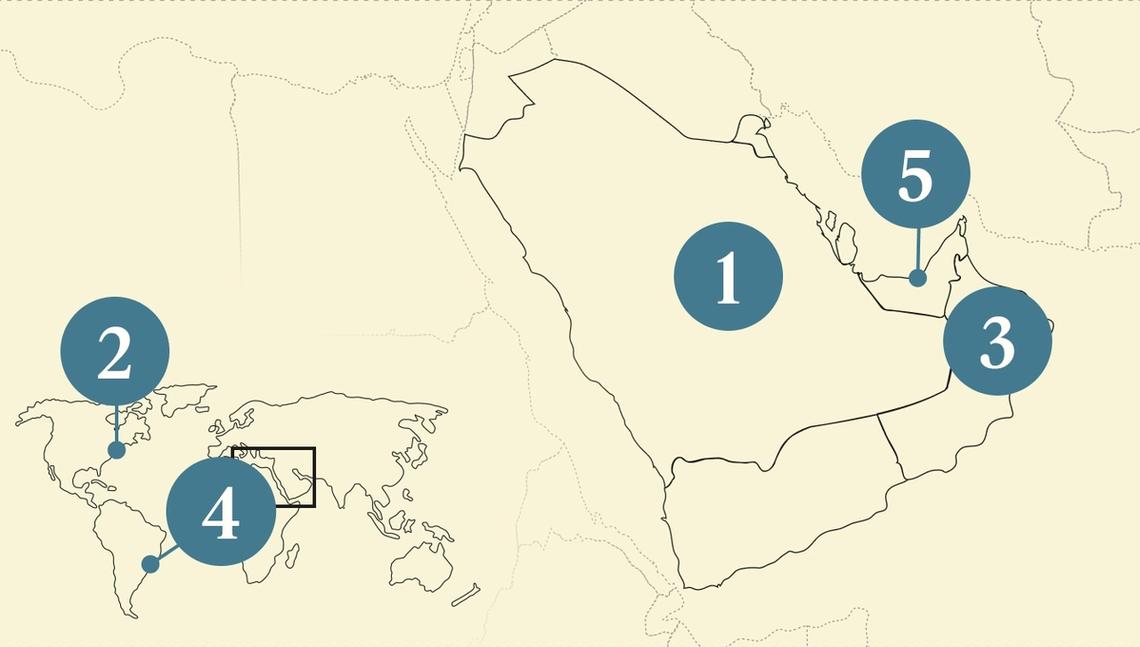 - Saudi recovery momentum
- Trump rebuked on Iran
- State Street eyes Oman
- UAE targets LatAm ports
- Dubai taxes tolls, parking
 The Islamic Republic’s core principle is ‘fighting America,’ and other weekend reads. |
|
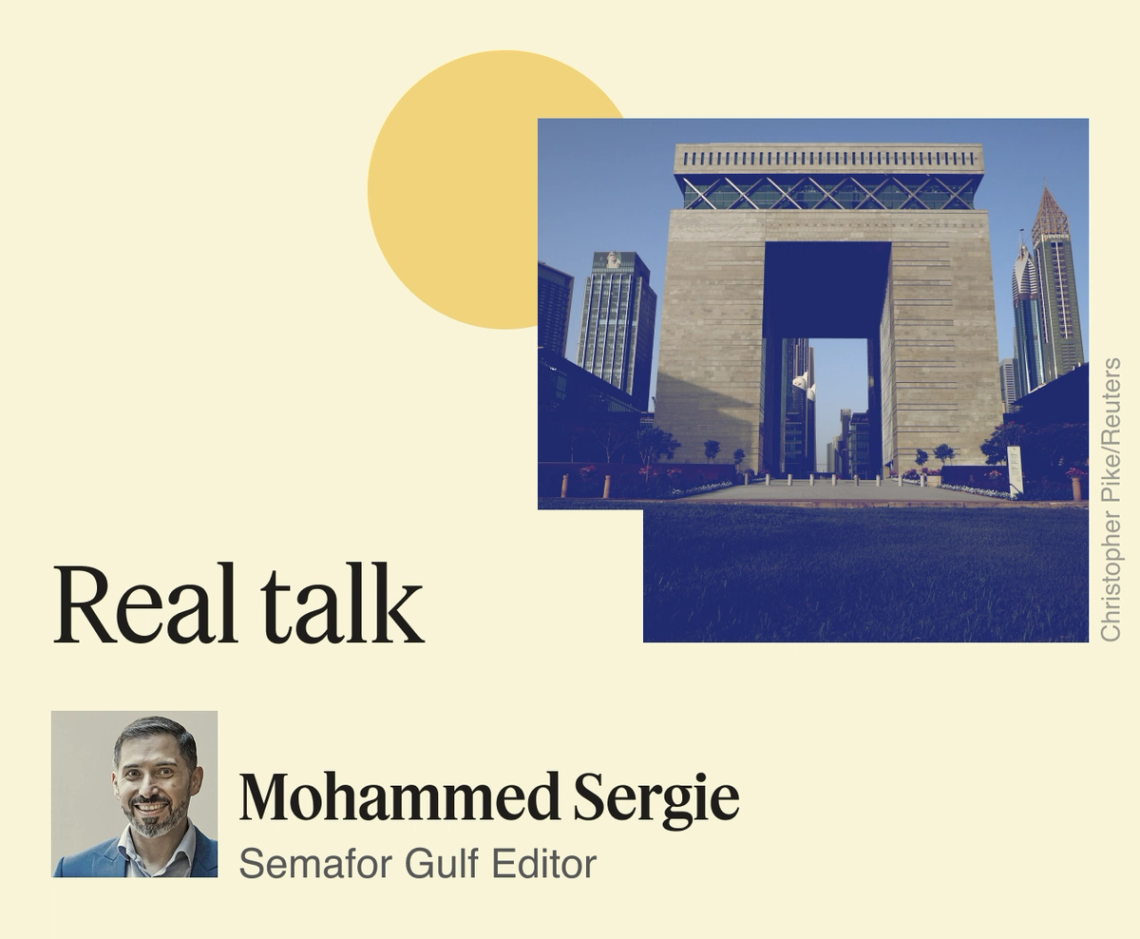 Two things stood out at a business conference this week in Dubai. For one, the event was sparsely attended, highlighting the dearth of foreign visitors and the thinning ranks of bankers, executives, and investors in the city. The second was that, along with the platitudes about resilience, attendees were unusually honest about the Gulf’s predicament. Most economic indicators still don’t reflect the extent of the damage the region has suffered, but they do point to weaker confidence across much of the Gulf. While equity markets have largely recovered, few expect a quick return to prewar growth trajectories: Simon Ballard, chief economist at First Abu Dhabi Bank, said the UAE has avoided a contraction thanks to its economic diversification, but the recovery is likely to be gradual rather than a swift, V-shaped rebound. The slowdown is showing up across sectors. Construction costs have spiked, according to Aliaa Elesaaki of real estate consultancy Knight Frank, forcing developers to consider delaying handovers while they wait for prices to recede. Lenders have also become more cautious: Travel booking platform WEGO has seen strong demand in Saudi Arabia and Egypt, its CEO said, but that didn’t stop its bank from pulling a $10 million credit line “immediately when the shots were fired.” Iran’s strike on Kuwait’s international airport on Wednesday — the authorities released terrifying footage of the attack — was a reminder that the ceasefire is not a full cessation of the conflict, or as US President Donald Trump put it: In the Middle East a ceasefire means “you’re shooting in a more moderate manner.” It’s a flip definition, but for businesses operating in the region, reality matters more than semantics. |
|
Saudi resilient even as war softens growth |
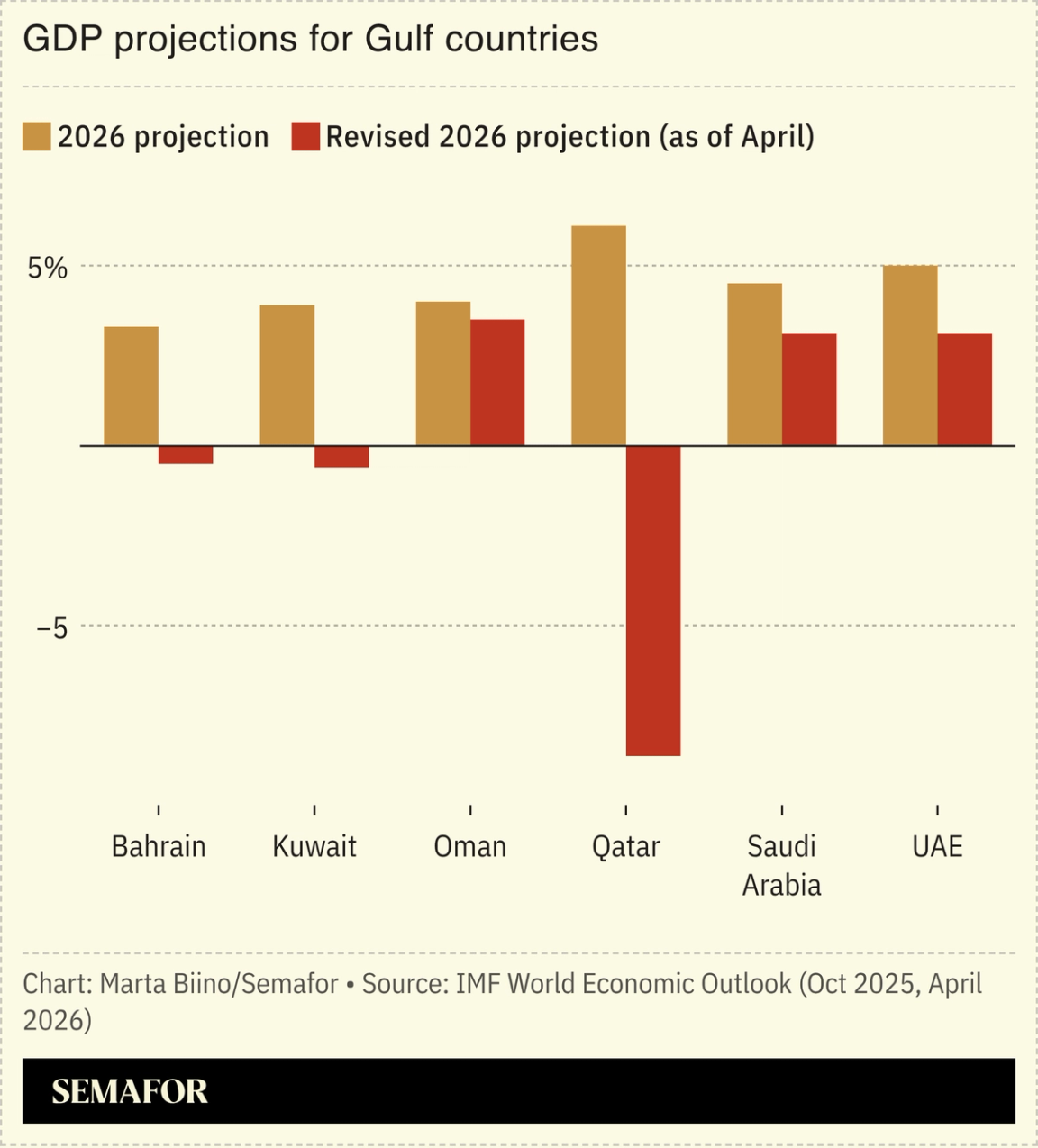 Saudi Arabia’s economy is proving resilient to the shock of the Iran war, with higher oil prices offsetting lower export volumes, but overall growth will still likely fall to around 2% this year, according to the International Monetary Fund. The kingdom was demonstrating “agility in resilience” in its ability to redirect shipping and logistics routes, the Washington-based lender said after staff concluded a mission to the country. It added that a windfall from high oil prices will reduce projected current account and fiscal deficits this year, but also warned that a prolonged conflict could hit investor confidence and weaken diversification prospects. The latest Purchasing Managers Index showed that Saudi business confidence rebounded in May to 52.8 — any figure above 50 indicates economic expansion — as a ceasefire between Iran and the US largely continued to hold and supply chains improved. Still, the index remains below its long-term average, with domestic demand helping to offset a contraction in exports, which dropped for a third month. |
|
Trump faces pressure to end Iran war |
 Kevin Lamarque/Reuters Kevin Lamarque/ReutersUS President Donald Trump is facing growing domestic political pressure to wind down the Iran war, with the Republican-controlled House of Representatives voting for the first time to block further strikes. The bipartisan vote was largely symbolic: Neither the House nor the Senate are likely to constitute presidential veto-proof majorities to override a Trump veto. The White House, meanwhile, is insisting that talks with Iran are ongoing, even as strikes risk the tenuous ceasefire. Asked whether the ceasefire remained after Iran struck Kuwait yesterday, Trump suggested that “there’s a reason for everything.” He also said he’s trying to “separate” Israel’s Lebanon offensive from talks with Iran; Lebanon and Israel agreed to a ceasefire late Wednesday night. Again, Trump suggested an Iran deal could come together over the weekend. — Shelby Talcott and Nicholas Wu
|
|
State Street’s Gulf expansion adds Oman |
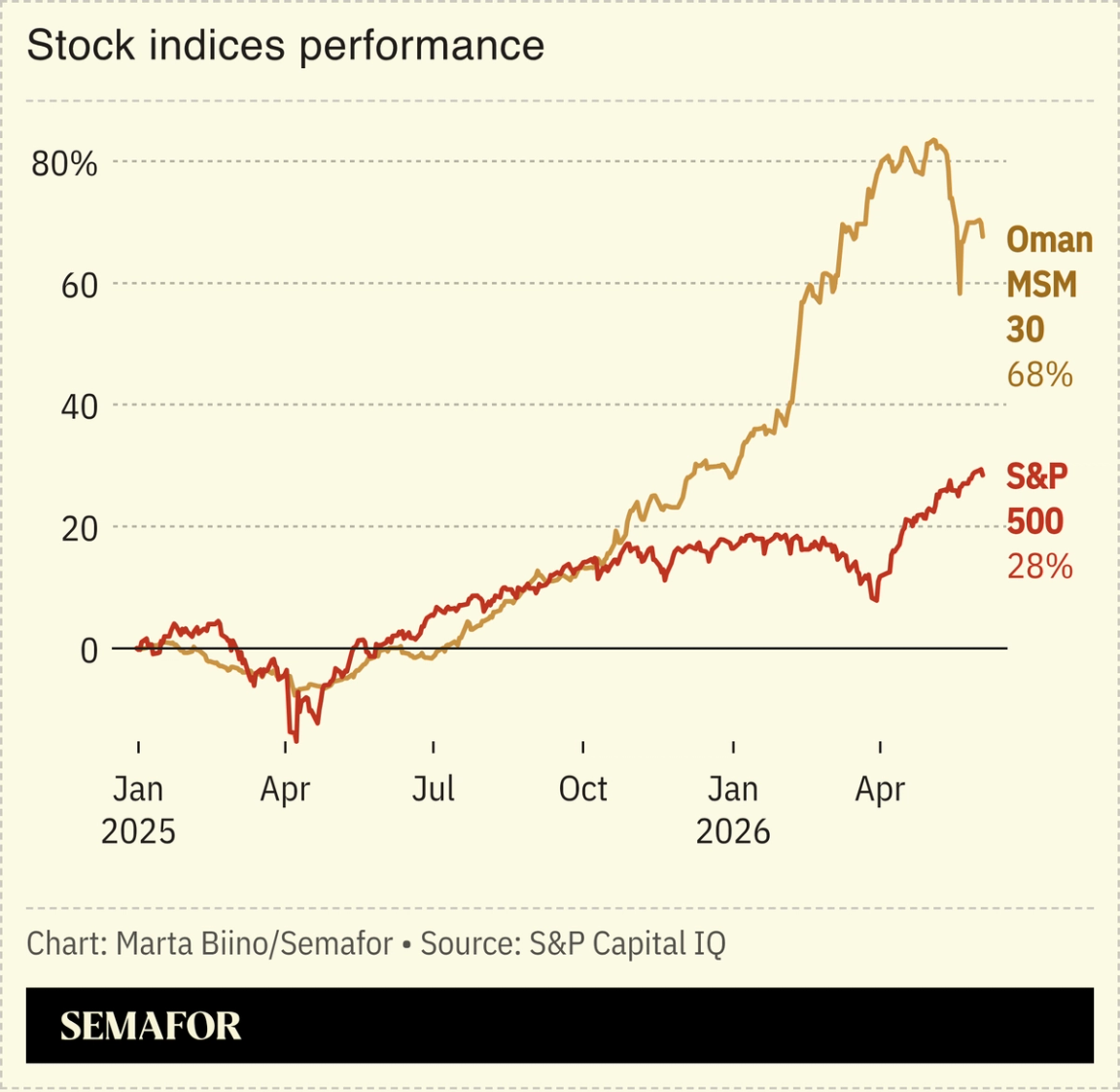 US asset management firm State Street and Saudi Arabia’s Jadwa Investment agreed to jointly expand their offerings in Oman, as Muscat looks to further develop its capital markets and attract foreign firms. State Street, which manages $5.6 trillion globally, has made the Gulf a key growth focus, opening a regional headquarters in Riyadh last year and working with the kingdom’s Public Investment Fund to launch exchange-traded funds designed to attract more foreign capital into Saudi markets. It is also hiring 300 people for an operating center in Al Ain, in the UAE. For Muscat, the deal is the latest sign of its growing financial ambitions. It established the Oman International Financial Centre in January, based on English common law, in a bid to attract more foreign companies. The country, which has managed to significantly improve its public finances and credit rating in recent years, is also reaping a windfall during the Iran war, as its coastline lies outside the Strait of the Hormuz, enabling it to keep exporting crude and importing goods for onward transit to its neighbors. — Matthew Martin |
|
UAE dives into Latin American ports |
 A view of the Brazilian port of Santos, where CLI operates an agri-bulk export terminal. Jorge Silva/Reuters. A view of the Brazilian port of Santos, where CLI operates an agri-bulk export terminal. Jorge Silva/Reuters.The UAE’s two largest port operators are pushing into Latin America, with deals in Brazil and the Dominican Republic. Abu Dhabi’s AD Ports Group acquired Brazilian terminal operator CLI for 3.1 billion dirhams ($835 million) in its largest takeover deal to date. On a smaller scale, Dubai-based DP World said it will invest a further $100 million to expand a free trade zone at the Dominican Republic’s Caucedo port, adding to a previously pledged $760 million. Such deals fit in with the UAE’s broader trade strategy: It has concluded agreements with more than 35 countries so far, with more under negotiation, including one with Mercosur, the bloc of six South American countries which includes Brazil. |
|
UAE starts taxing the tolls |
 @Salik_ae/X @Salik_ae/XDubai has started applying a 5% value-added tax to every road toll and parking fee, adding another income stream for the government. In recent years, monopoly toll operator Salik and fellow DFM-listed Parkin have steadily expanded their revenues by adding toll gates and parking facilities, along with dynamic pricing, and AI-powered monitoring. Fines are another major contributor: Parkin generated nearly a third of its revenue from parking violations last year, while Salik’s penalty income is also rising. Both companies will likely report weaker earnings in the second quarter because the Iran war has reduced traffic flows and parking demand — in Dubai more than in other emirates, due to an exodus of expats and the absence of tourists. The new tax on Dubai tolls and parking, which began on June 1, will give the UAE government another cut from its roads that’s divorced from the financial performance of the operators. — Mohammed Sergie |
|
 Logistics- With the Strait of Hormuz closed, Saudi Arabia’s NEOM port is emerging as a niche option for Gulf importers, offering a much faster route from Europe, albeit at a premium due to wartime cost hikes on fuel and insurance. — Reuters
Sovereign Wealth- Abu Dhabi Investment Authority is the anchor investor in Mumbai-based Kotak Alternate Asset Managers’ latest $1 billion real estate investment fund, marking the sixth time ADIA has backed the financial services group. The deal comes amid a broader push by the sovereign wealth fund into the world’s most populous country. — Enterprise
Tech- PIF-backed Saudi AI champion HUMAIN is getting into the robotaxi business through a partnership with chipmaker Nvidia — part of plans by the latter to expand its platform for level-four autonomous vehicles, which don’t require human drivers as long as they stay within defined operating areas. — AGBI
Trade- The UAE accounted for half of Zimbabwe’s exports in the first quarter, overtaking South Africa as Harare’s largest trading partner. Gulf demand for minerals and agricultural products is fueling this growth, with bilateral trade between the two countries expected to hit $6 billion this year. — Business Insider Africa
|
|
 - Prospects for a lasting deal between Iran and the US that addresses Washington’s security interests and allows Tehran to prosper are dim because there’s no win-win formula. “Fighting America” is the “regime’s identity,” making any resolution to the 47-year standoff unlikely, Karim Sadjadpour, senior fellow at the Carnegie Endowment for International Peace, writes in The Atlantic.
- Mariners recount a harrowing journey out of the Strait of Hormuz as LNG shippers QatarEnergy and ADNOC adopt shadow fleet tactics previously associated with sanctioned Russian oil, Bloomberg’s Stephen Stapczynski reports.
- Iran has been using ChatGPT, Gemini, and other Western AI tools to enhance its cyber attacks and military operations, a sign of how difficult it is for the US to restrict its adversaries from accessing the technology. The UAE said it’s seeing hundreds of thousands of Iranian hack attempts every day that rely on ChatGPT, the Financial Times reports.
|
|
|


