When you apply repellent may matter more than how much |
Given the choice between two arms — one bare, one coated in DEET — and a mosquito will avoid the treated one. Unless it has learned otherwise.
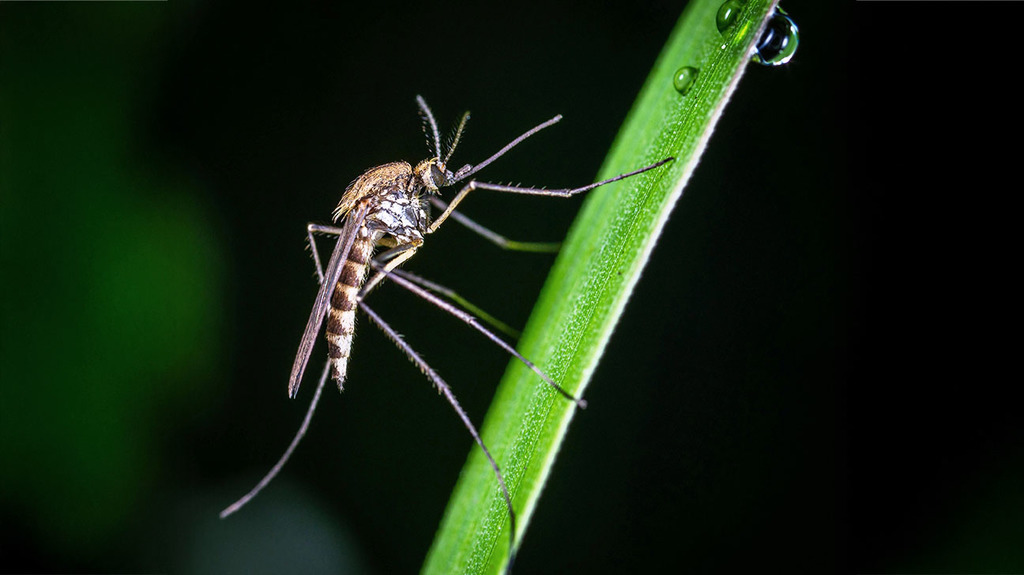
Researchers at Virginia Tech used the same conditioning method Pavlov made famous with his dogs. They let the species of mosquito that transmits dengue, Zika, Chikungunya, and yellow fever feed on a volunteer, then introduced the smell of DEET. After just 4 repetitions, more than 60% of the insects tried to feed when they caught the scent of DEET alone.
When offered both of the same volunteer’s arms, trained mosquitoes didn’t just tolerate the DEET-coated one, they actively preferred it. The repellent had lost its power and become an invitation.
“DEET is still considered the gold standard of repellents,” lead author Clément Vinauger told Medical News Today. The trouble, he explained, surfaces only when traces of old repellent linger on the skin, letting a mosquito tie the odor to a meal it's enjoying. “But we think this situation is likely rare,” he added.
To learn about the most effective way to apply DEET, jump to “Mosquitoes may learn to tolerate, or even prefer, the smell of DEET.”
Also making headlines this week:
| |


