| | In this edition: Twists in Senegal’s political drama, AfDB lowers its growth forecast, and Ramaphosa͏ ͏ ͏ ͏ ͏ ͏ |
| |  | Africa |  |
| |
|
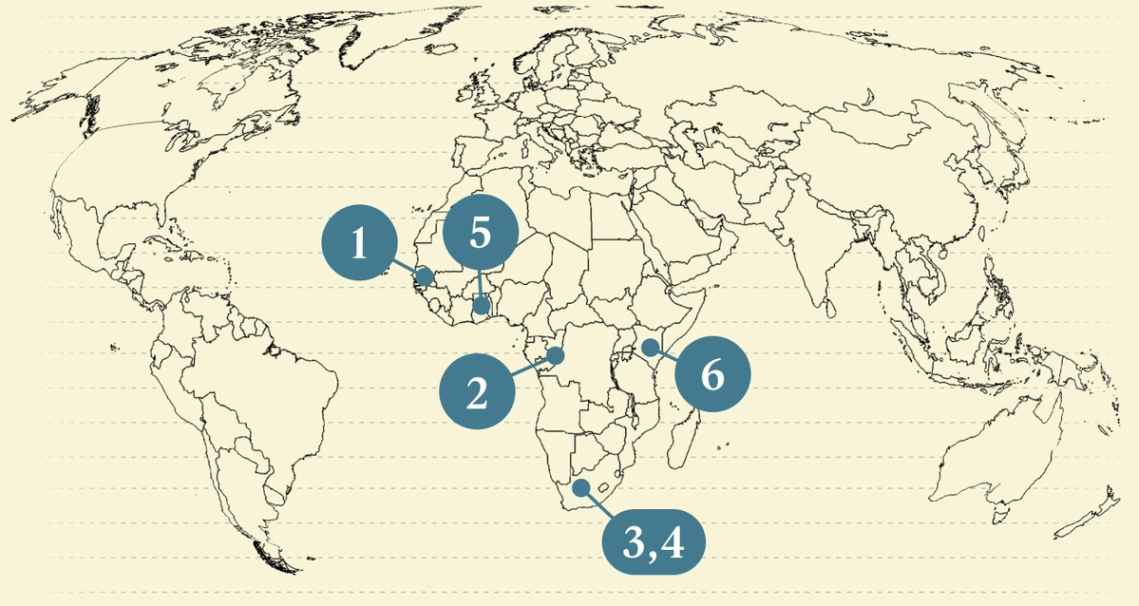 - Political drama unfolds
- AfDB cuts growth forecast
- Phala Phala defense launched
- Trade deficit widens
- Ghana’s power blueprint
- A $100M fund is launched
 A Ghanaian artist’s big sale at a prestigious event. |
|
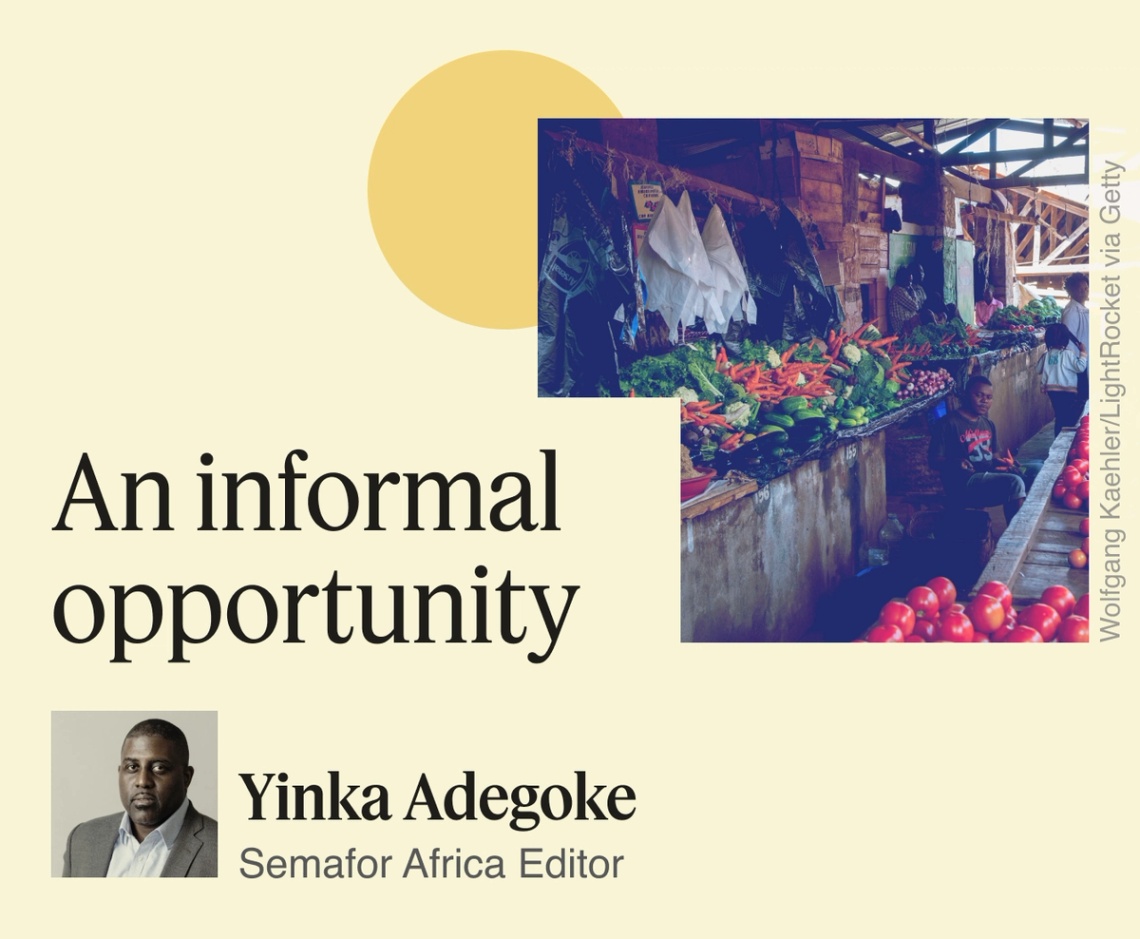 In much of Africa, the informal economy is not a side story to the formal economy — it is the economy. Nearly 90% of jobs in sub-Saharan Africa are informal, spanning everyone from market traders to small manufacturers. That reality sits at the heart of a growing contradiction across the continent. African countries have some of the world’s lowest tax-to-GDP ratios, about half the OECD average of 30%, limiting governments’ ability to fund infrastructure, healthcare, and public services. Under pressure from rising debt burdens and tighter global financing conditions, governments from Nigeria to Kenya and Senegal are aggressively trying to expand domestic tax collection — often with a sharp focus on the informal sector. But a new paper from the Brookings Institution argues many policymakers still misunderstand informality itself. Informal economies are often framed as compliance failures: untaxed activity waiting to be captured through registration, digitization, and enforcement. In reality, the paper argues, informality is often a rational adaptation to weak public services, scarce formal employment, limited access to finance, and low state capacity. That tension is becoming sharper as governments digitize tax collection and financial infrastructure. Kenya’s proposals, for example, would increase taxes tied to digital payments and mobile money services such as M-Pesa. Critics warn the measures could slow digital adoption and push more activity back toward cash-based channels. Mobile money, digital IDs, and electronic payment systems are giving states unprecedented visibility into transactions that once sat beyond their reach. But greater visibility also raises fears of heavier taxation without corresponding improvements in services or support — particularly away from major urban areas where governments still struggle to deliver basic infrastructure and administration. “The demands for compliance are made long before any value is delivered,” notes Brookings’ Pierre Nguimkeu. The broader challenge may be that African governments are trying to tax their way toward stronger states, while much of the population remains informal precisely because the state has historically been weak. |
|
Senegal’s political turmoil deepens |
 Ousmane Sonko (center) delivers his first speech as the new Speaker of the National Assembly. Seyllou/AFP via Getty Images. Ousmane Sonko (center) delivers his first speech as the new Speaker of the National Assembly. Seyllou/AFP via Getty Images.Senegal’s parliament elected Ousmane Sonko as its speaker days after he was fired as prime minister by President Bassirou Diomaye Faye. Sonko’s new role gives him a platform to challenge the president’s legislative agenda, deepening uncertainty over the government’s future and how it will repay public debt estimated to have reached 132% of GDP. The relationship between the former allies deteriorated in recent months as they disagreed over the handling of Senegal’s debt crisis. Faye appointed a former central banker as the country’s new prime minister, ahead of talks with the IMF on a new funding program that could lead to a debt restructuring program that Sonko opposes. Sonko, who heads the largest party in the National Assembly, could use his new role to prevent Faye garnering parliamentary support for his policies. Senegal’s dollar bonds fell sharply in recent days as investors weighed up the political turmoil roiling the West African country. |
|
AfDB cuts Africa growth forecast |
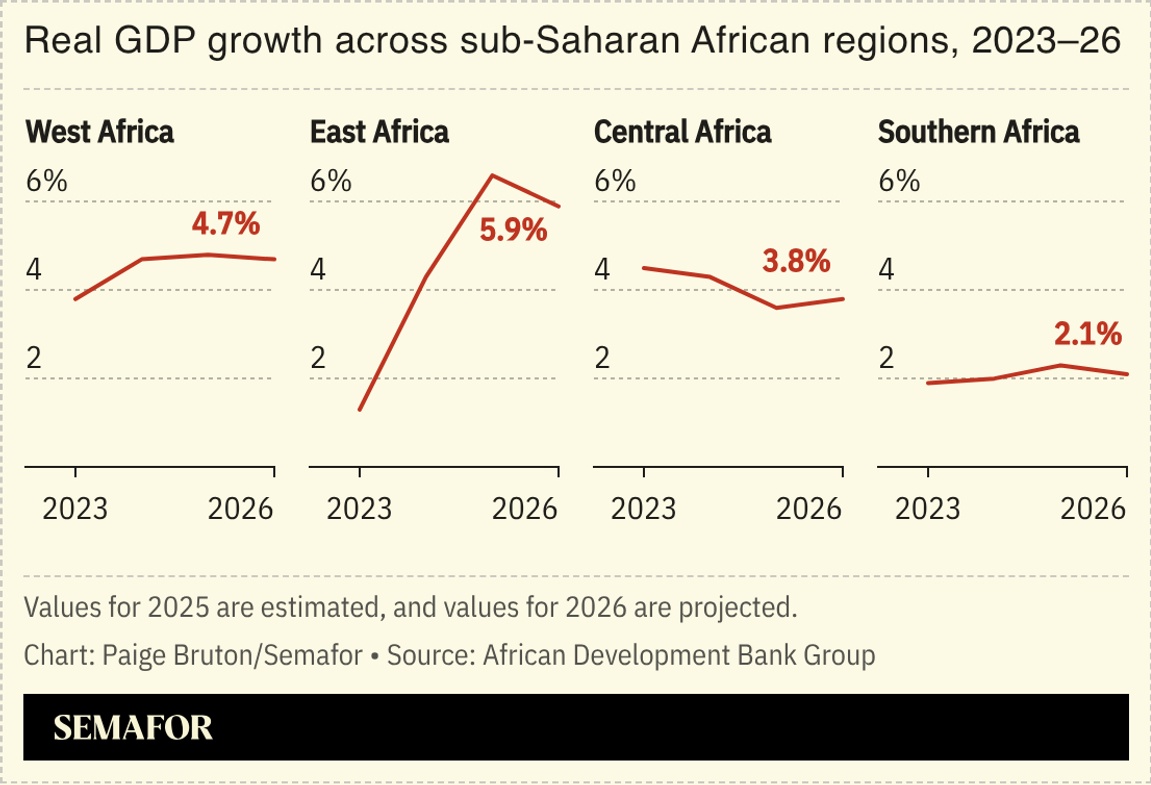 Africa’s economic growth is projected to slow to 4.2% this year from 4.4% in 2025, mainly due to the “expected effects” of war in the Middle East, the African Development Bank said in its latest outlook. The Abidjan-based lender, which is holding its annual meeting this week in Brazzaville, praised African countries for showing resilience last year in the face of declining international aid and trade tensions. But it noted that the continent’s economies remain vulnerable to external shocks, such as supply chain disruptions and tighter access to finance. Africa’s transformation is still “too slow” and “development needs are outpacing available financing,” the bank said. African economies will need to grow at 7% or higher over decades to meet job creation and poverty reduction goals, the report said. The ongoing Ebola virus outbreak in DR Congo presents yet another test, with more than 900 cases reported, and concerns that it could spread to other countries. The World Bank, the US, and European countries have together pledged $500 million to enable Kinshasa and African health officials to tackle the crisis. — Alexander Onukwue |
|
Ramaphosa mounts Phala Phala defense |
 South Africa’s President Cyril Ramaphosa. Rodger Bosch/AFP via Getty Images. South Africa’s President Cyril Ramaphosa. Rodger Bosch/AFP via Getty Images.South African President Cyril Ramaphosa launched a legal bid to block revived efforts to impeach him, a counter-offensive that ties his political survival to the credibility of Pretoria’s most respected institutions. The challenge comes almost two weeks after a landmark Constitutional Court ruling ordered parliament to restart an impeachment inquiry into Ramaphosa’s handling of the theft of $580,000 cash hidden inside a sofa at his Phala Phala private game farm. In a sworn statement, Ramaphosa asked judges to overturn the 2022 independent panel’s recommendation that he may have committed serious misconduct, calling its findings “irrational” and based on “hearsay.” Ramaphosa listed previous investigations by the National Prosecuting Authority, the tax agency, the central bank, and the Public Protector, that cleared him of wrongdoing. A guilty verdict could cast a damaging shadow over these bodies, undermining public trust and investor confidence in Africa’s biggest economy. — Tiisetso Motsoeneng |
|
Chinese cars grow S.Africa trade deficit |
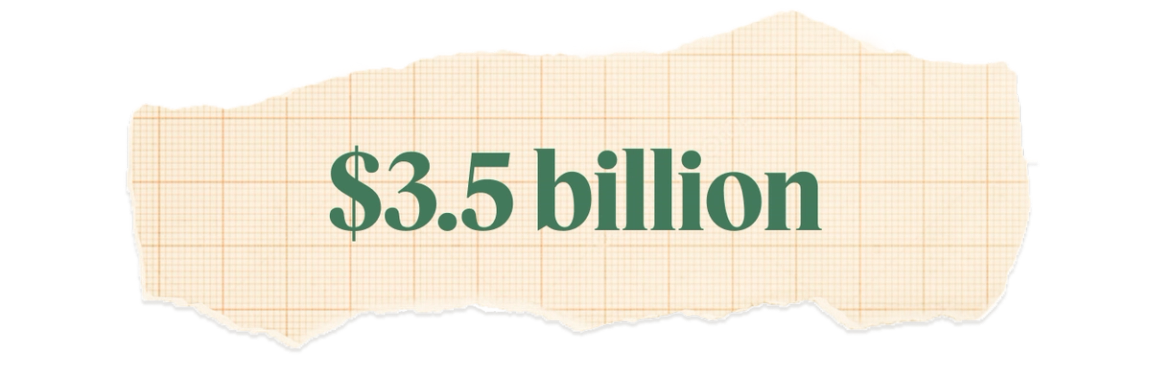 South Africa’s automotive trade deficit with China reached $3.5 billion in 2025, twice the size it was four years earlier and its largest bilateral automotive trade deficit with any country. Chinese brands have aggressively seized market share, growing from under 10% in 2021 to over 20% last year, by undercutting competitors with budget-friendly SUVs. The rapid rise has ousted established players like Nissan and Renault from top 10 charts and prompted calls by government officials for Chinese automakers like Chery and Jetour to set up factories in South Africa. Africa’s most industrialized economy is also considering proposals to raise import taxes to make South African-manufactured cars more competitive in the local market. |
|
Ghana’s lessons on power projects |
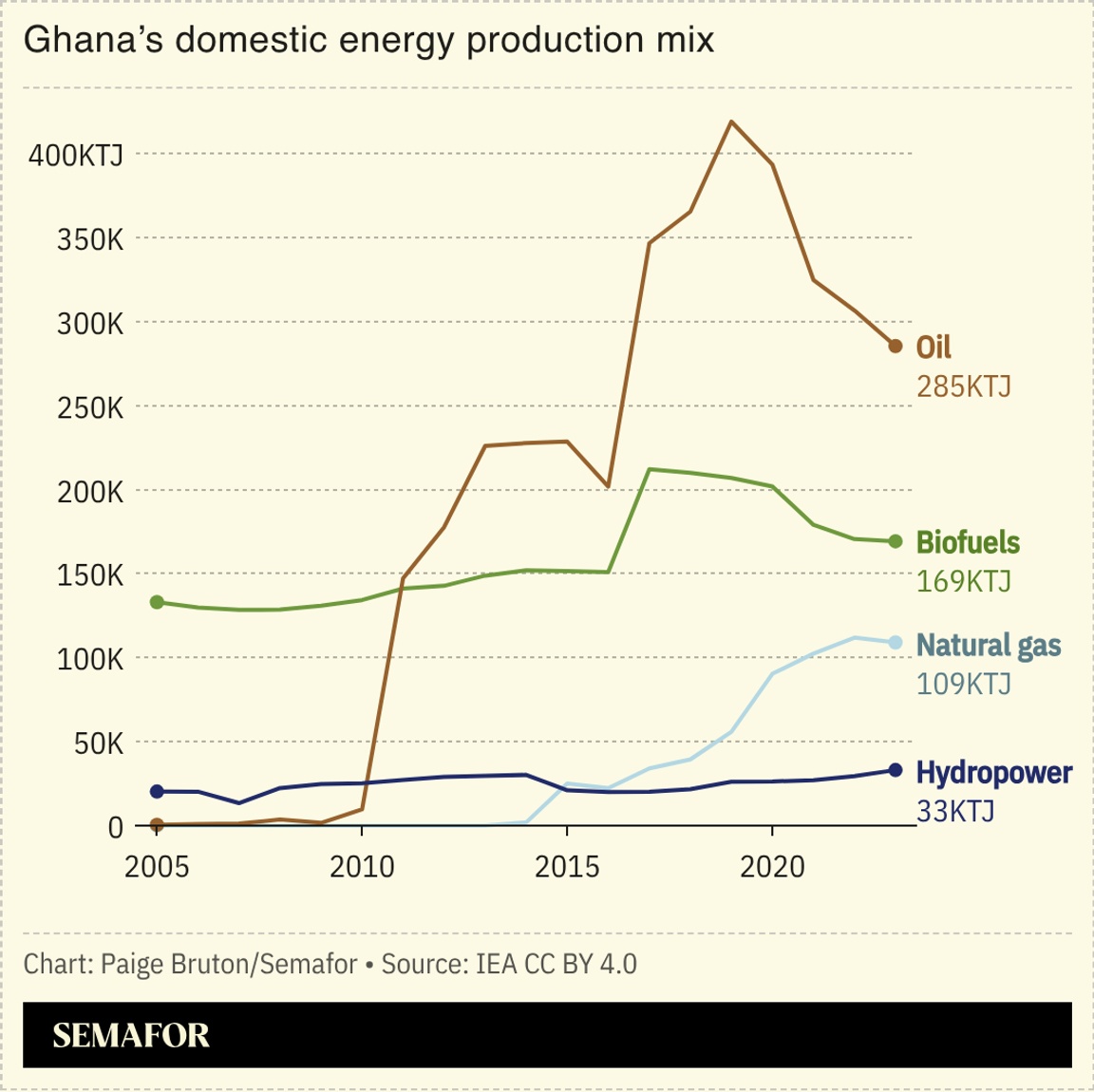 African countries can secure better outcomes from Chinese-supported power projects by learning from Ghana, a new report argued. The Energy for Growth Hub, a Washington-based think tank, said the West African nation delivered five solar, hydro, and gas projects with China between 2013 and 2020 “at reasonable cost, on relatively strong timelines, and with fewer quality problems” than elsewhere in the region. It noted four lessons from Ghana that other countries could use: set cost benchmarks, use competitive tendering, hire expert negotiators, and invest in construction oversight. Ghana’s experience of Chinese-supported power plants, the think tank wrote, shows the host government, which often owns the asset and carries the debt, must “drive the terms, standards, and delivery.” — Preeti Jha |
|
$100M philanthropy-backed fund launched |
 Salaton Njau/Nation Media/Gallo Images via Getty Images Salaton Njau/Nation Media/Gallo Images via Getty ImagesA fund that will invest in new African manufacturing companies launched with the aim to mobilize $100 million over the next five years. The Africa Jobs Fund founded by Daniel Yu, former CEO of Kenyan e-commerce logistics startup Wasoko, plans to raise capital from philanthropic sources. Yu told Semafor this approach will allow the fund to make long-term, higher-risk investments without the pressure to return capital that is typical of traditional private equity and venture capital firms. Renaissance Philanthropy, a US non-profit that raises money from philanthropists to invest in returns-generating ventures with a social impact, is backing Yu’s fund, with former USAID Administrator Samantha Power and Nigerian tech entrepreneur Iyinoluwa Aboyeji as advisers. Africa’s labor force is concentrated in the agricultural sector where employment is often informal and low-paying. But investing in agri-processing value chains presents an opportunity to create jobs with higher economic returns and productivity for African countries, according to a 2025 survey by the International Labour Organization and the Food and Agriculture Organization. — Alexander Onukwue |
|
 Corporate Council on Africa is delighted to host the 2026 US-Africa Business Summit in Mauritius, from July 26 to 29. CCA’s 18th US-Africa Business Summit will bring together more than 2,500 delegates, including African presidents, heads of government and ministers, senior US government officials, and leaders from US and African companies. The 2026 Summit sessions will cover the full range of opportunities to expand US-Africa trade, investment, and business relations. Learn more here. |
|
 Business & Macro
|
|
|


