| | Oil prices rose following US strikes on Iran, but crude is on pace for a monthly decline with relati͏ ͏ ͏ ͏ ͏ ͏ |
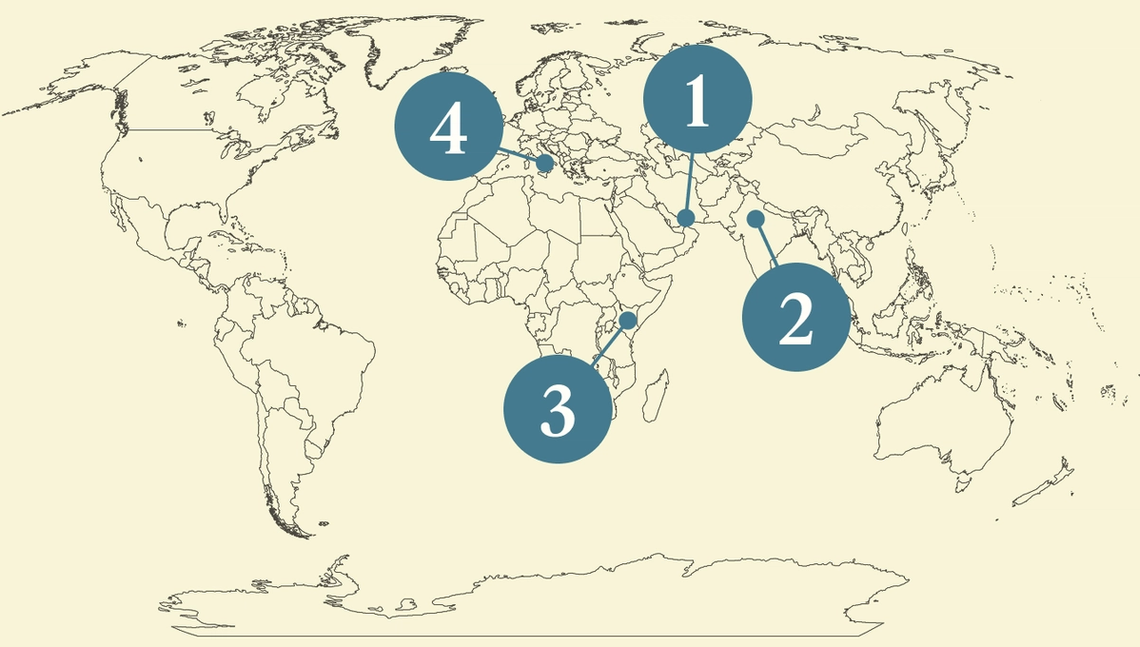
| |  Tehran Tehran | New Delhi | Maranello |
 | Energy |  |
| |
|
 - Long road ahead
- El Niño hits
- Opportunity to industrialize
- Ferrari goes electric
 Philanthropists go nuclear, while Ukraine sweats Europe’s carbon tariff. |
|
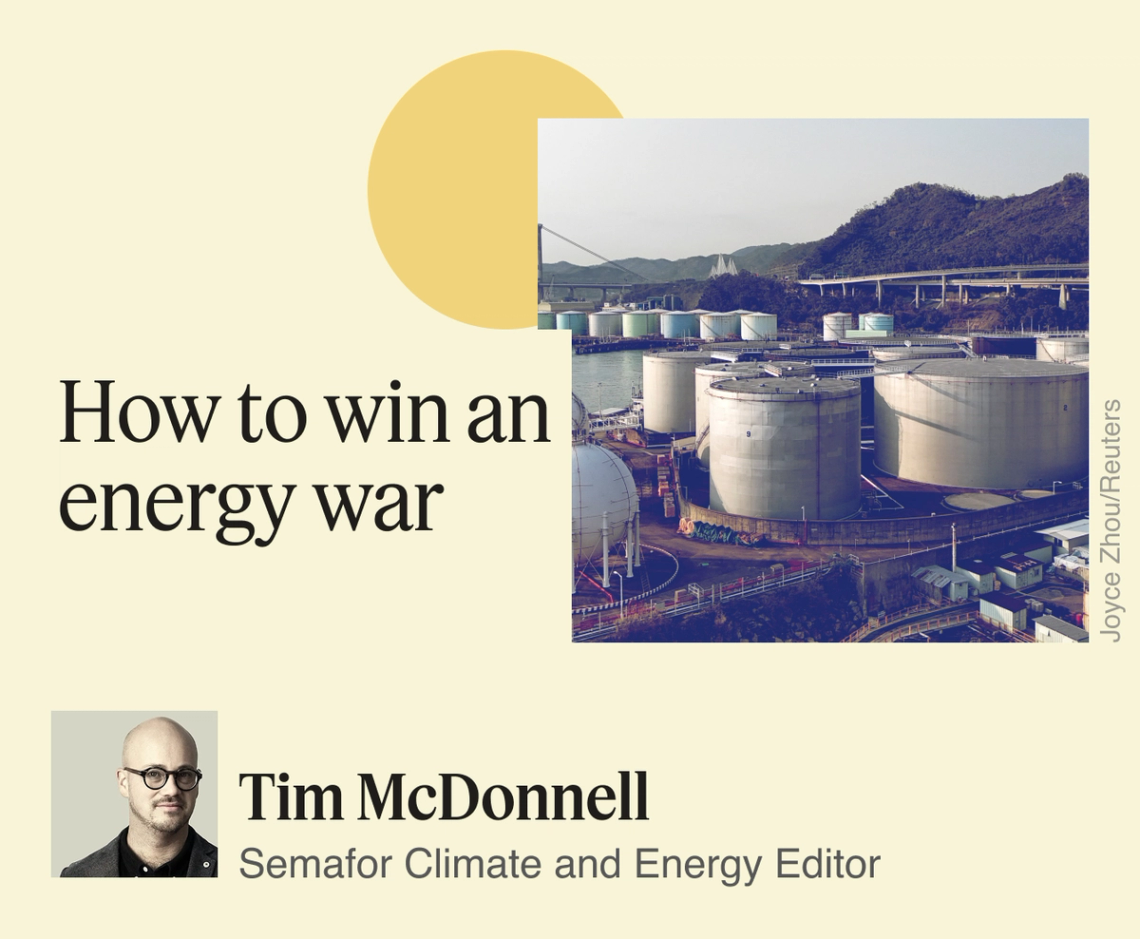 The past few weeks have revealed more of the strengths and limitations of energy-centric warfare. The outcome of the latest peace talks between Washington and Tehran remains uncertain. Even though the US resumed strikes against Iran on Monday, US officials were optimistic that a “framework” to extend the ceasefire, reopen the Strait of Hormuz, and make steps toward a longer-term deal on Iran’s nuclear program is coming together. But it’s clear that Iran’s gambit to close the strait and choke off one-fifth of the world’s oil and LNG trade is paying dividends, potentially putting the country ahead of where it stood prior to the war on key points of contention with the US, even before the thorniest nuclear issues have gone back on the table. “Iran has played its hand very well,” Greg Brew, senior analyst at the Eurasia Group, told me. “It leveraged control of the strait and its ability to threaten regional energy infrastructure into a deal that could cement the ceasefire, end the US blockade, unfreeze frozen funds, and deliver some sanctions relief, with virtually no nuclear concessions in exchange.” To be sure, Iran was also hurt, with its citizens exposed to spiraling fuel prices, its government cut off from oil export revenue, and its oil industry quickly running out of storage space. But it proved that squeezing an energy chokepoint is an exceptionally painful and effective judo maneuver. Washington should have seen that coming, particularly given that it deployed a miniature version of the same strategy, via an oil blockade, to kneecap Cuba and soften its government up for negotiations. Ukraine, meanwhile, has interpreted the Hormuz crisis as a signal from Washington that “the gloves are off” when it comes to energy warfare, one Western official here told me recently; Kyiv’s long-range drone campaign against Russian oil infrastructure has accelerated in the past month and brought roughly one-quarter of Russian refinery capacity to a “standstill,” according to Reuters, effectively offsetting much of the financial windfall that Moscow would otherwise have enjoyed from higher oil prices and recent US sanctions waivers. The lesson here is that diversification is the best defense. Ukraine itself avoided total collapse this winter despite the destruction of its electric grid by leaning into distributed energy sources and new trade alliances. Russia, which bypassed numerous opportunities in the past few decades to pivot its economy away from oil, faces economic stagnation. Cuba’s overreliance on Venezuelan crude left its ruling regime highly vulnerable. As I’ve argued before, China appears best prepared for this new reality, with enough energy options to hold the advantage in talks with the US, Russia, or anyone else. If energy weaponization is the future of warfare, other countries should prepare accordingly. |
|
 Mohammed Aty/File Photo/Reuters Mohammed Aty/File Photo/ReutersOil prices rose following US strikes on Iran, but crude is on pace for a monthly decline with relative calm in the Gulf overriding market alarm bells. Energy-hungry Asian countries have won some respite in recent weeks thanks to a handful of LNG supertankers passing through the Strait of Hormuz on their way to China, India, Pakistan, and South Korea, but the ships still represent only a fraction of the pre-war traffic through the waterway; some 1,500 vessels remain stranded as a result of the strait’s effective closure. All the while, global crude stockpiles are plummeting at a record pace, and some world leaders are increasingly skeptical about approving more releases from strategic reserves while the duration of the crisis remains unknown. Even if an extended ceasefire deal does come through, oil analysts have warned it will take months for trade to return to pre-war levels, between the need to restart closed oil wells, clear tanker traffic jams from the strait, begin the tedious and dangerous process of demining, and other challenges. |
|
View: Reconsidering Africa’s industrialization |
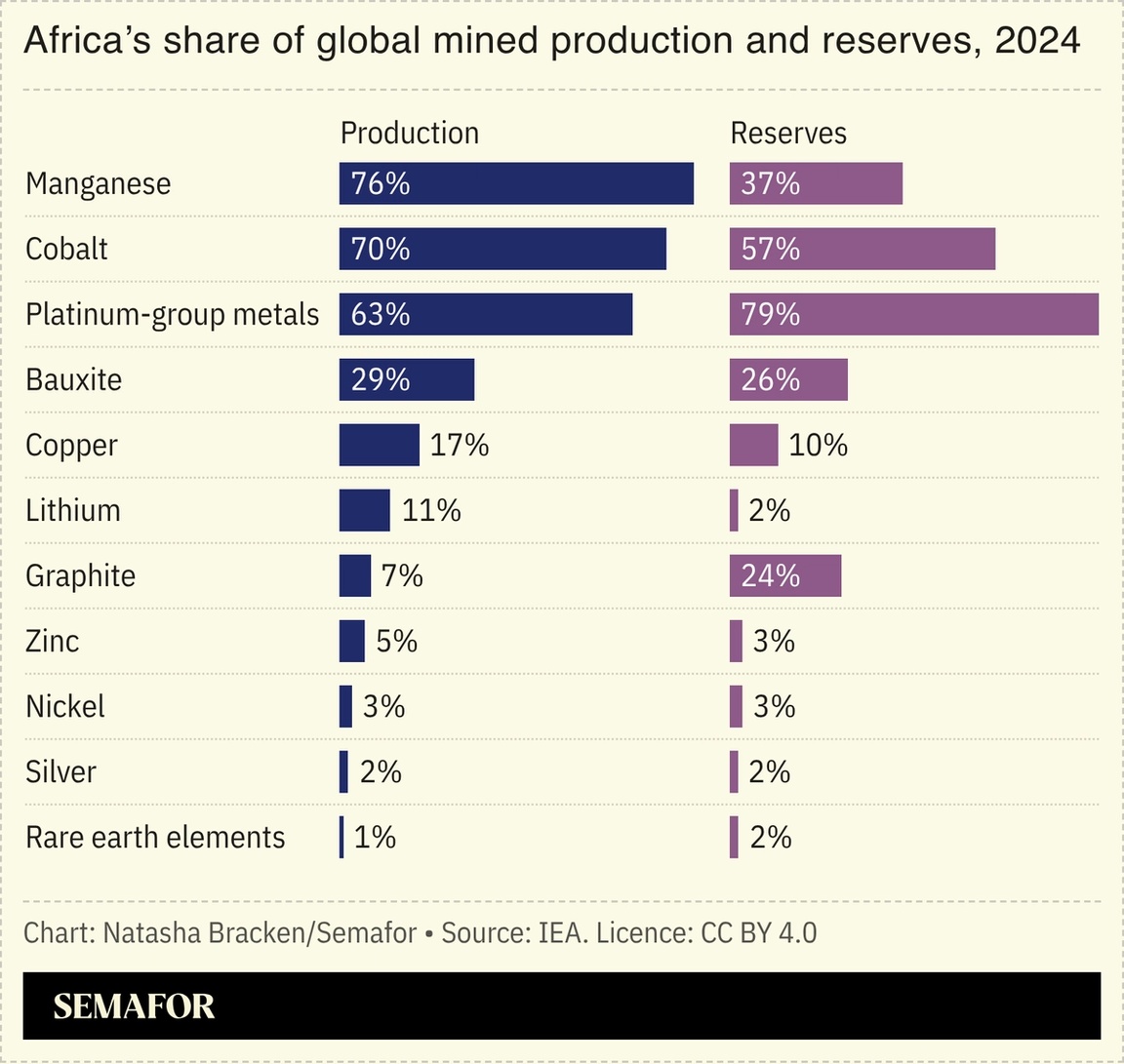 China’s dominance in clean energy supply chains is forcing European leaders to rethink their approach to industrialization in Africa, a former Liberian minister argued in a Semafor column. It’s been clear to many African leaders for years that the mass export of raw materials is a dangerous economic strategy, W. Gyude Moore wrote. Yet Western officials often pushed back on African countries’ attempts to institute trade barriers or other policies that could have supported more domestic refining and processing of critical minerals and fossil fuels. Now that Africa’s raw material exports have come so clearly to serve China’s interests, however, European leaders are changing their tune, seen most recently with French President Emmanuel Macron’s comments during a summit in Nairobi last week. “Europe’s newfound openness to African industrialization is not because dependency suddenly became morally objectionable,” Moore noted, “but because Europe increasingly fears dependency itself.” |
|
 Ferrari/Handout via Reuters Ferrari/Handout via ReutersFerrari unveiled the almost $600,000 Luce, its first ever EV, marking a major departure for the Maranello-based brand, which has long been known for making some of the world’s most powerful gasoline cars. It’s a decision that clashes with other giant carmakers, including rival Lamborghini, which, just a couple of months ago, decided to pull the plug on plans to make an all-electric vehicle, citing tepid demand from sports car lovers. But even if Ferrari’s high-end clientele shares that fondness for a roaring engine, the global push towards electrification, made more urgent by the fossil fuel shock from the war in Iran, suggests that fully electric sports cars are bound to become more mainstream, and Ferrari’s bet is part of the brand’s strategy to “define what luxury electrification looks like before someone else does,” one analyst told Reuters. So far, that bet hasn’t paid off: The company’s share price crashed 6% after the Luce was revealed. |
|
 If you ski or snowboard, you probably have an opinion on Rob Katz’s business. On this week’s episode of Compound Interest, presented by Amazon Business, Vail CEO Rob Katz joins Liz and Rohan to talk about the criticisms of crowding, lift lines, and pricing of the season pass that changed winter sports forever. Plus, they discuss why the company doesn’t hedge weather, how the industry’s high-end clientele complicates customer relations, and why he isn’t hearing Cloudflare CEO Matthew Prince’s bid to buy Park City. Listen to the latest episode of Compound Interest now. |
|
 New Energy- China’s solar installations fell for a fourth consecutive month in April, prolonging a slowdown that began at the start of the year and pointing to weakening demand after years of rapid renewable expansion.
Fossil Fuels- The US energy storage industry installed a record amount of capacity in this year’s first quarter amid a scramble for greater grid stability and lower costs as electricity demand in the country surges.
- India’s gas power generation hit an all-time low as the war in Iran disrupts fuel shipments at a time when the country is experiencing extreme temperatures.
- New analysis suggested Beijing’s revised method for reporting emissions may have erased as much as half of the rise in levels over the past five years.
- Proposals by Chinese firms for new coal-fired power plants are accelerating in the country, despite Beijing saying coal use would peak by 2030.
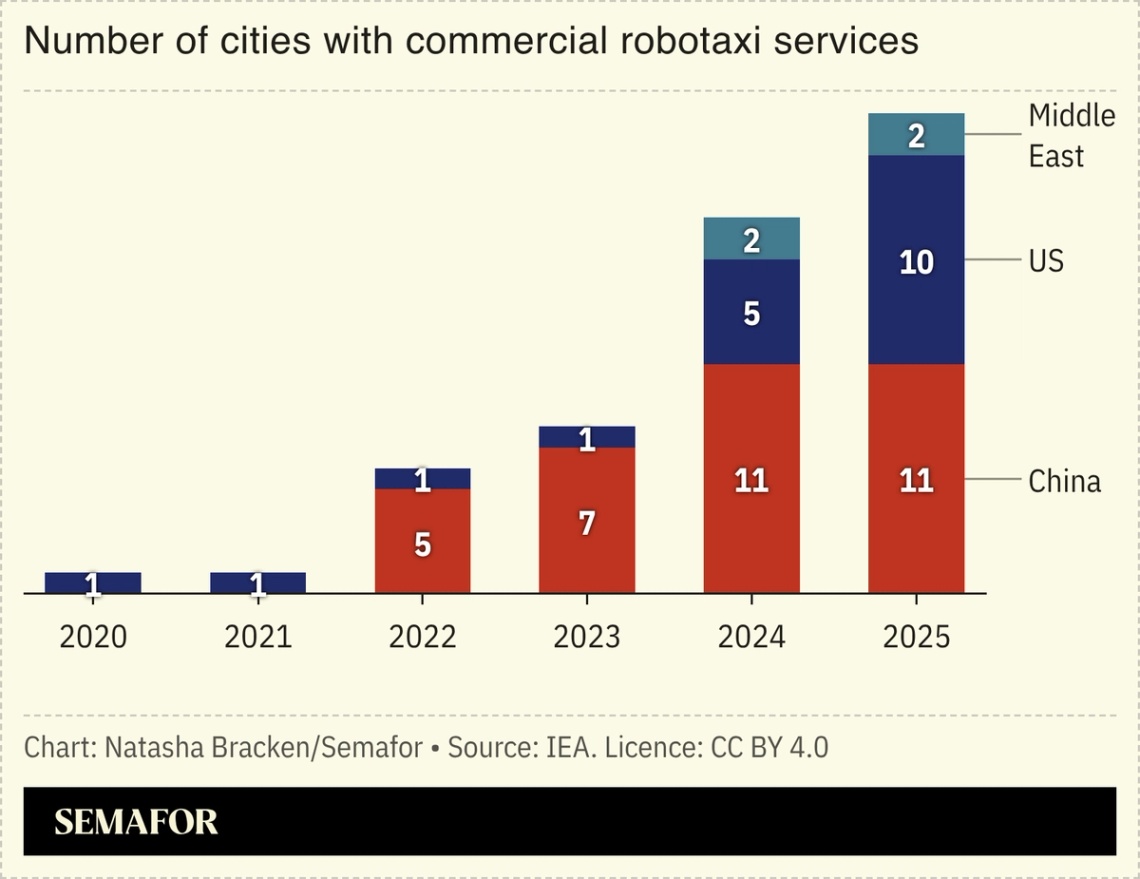
FinanceTechPolitics & PolicyEVs- Waymo suspended service in six US cities after its driverless cars drove on flooded roads during storms last week.
 - China’s EV exports surged 40% year-on-year in April, further cementing its global dominance of the industry.
|
|
|


