U.S. quantum grants, Spotify soars, Tesla’s SpaceX problem.
 ͏  ͏  ͏  ͏  ͏  ͏  ͏  ͏  ͏  ͏  ͏  ͏  ͏  ͏  ͏  ͏  ͏  ͏  ͏  ͏  ͏  ͏  ͏  ͏  ͏  ͏  ͏  ͏  ͏  ͏  ͏  ͏  ͏  ͏  ͏  ͏  ͏  ͏  ͏  ͏  ͏  ͏  ͏  ͏  ͏  ͏  ͏  ͏  ͏  ͏  ͏  ͏  ͏  ͏  ͏  ͏  ͏  ͏  ͏  ͏  ͏  ͏  ͏  ͏  ͏  ͏  ͏  ͏  ͏  ͏  ͏  ͏  ͏  ͏  ͏  ͏  ͏  ͏  ͏  ͏  ͏  ͏  ͏  ͏  ͏  ͏  ͏  ͏  ͏  ͏  ͏  ͏  ͏  ͏  ͏  ͏  ͏  ͏  ͏  ͏  ͏  ͏  ͏  ͏  ͏  ͏  ͏  ͏  ͏  ͏  ͏  ͏  ͏  ͏  ͏  ͏  ͏  ͏  ͏  ͏  ͏  ͏  ͏  ͏  ͏  ͏  ͏  ͏  ͏  ͏  ͏  ͏  ͏  ͏  ͏  ͏  ͏  ͏ ­ ­ ­ ­ ­ ­ ­ ­ ­ ­ ­ ­ ­ ­ ­ ­ ­ ­ ­ ­ ­ ­ ­ ­ ­ ­ ­ ­ ­ ­ ­ ­ ­ ­ ­ ­ ­ ­ ­ ­ ­ ­ ­ ­ ­ ­ ­ ­ ­ ­ ­ ­ ­ ­ ­ ­ ­ ­ ­ ­ ­ ­ ­ ­ ­ ­ ­ ­ ­ ­ ­ ­ ­ ­ ­ ­ ­ ­ ­ ­ ­ ­ ­ ­ ­ ­ ­ ­ ­ ­ ­ ­ ­ ­ ­ ­ ­ ­ ­ ­ ­ ­ ­ ­ ­ ­ ­ ­ ­ ­ ­ ­ ­ ­ ­ ­ ­ ­ ­ ­ ­ ­ ­ ­ ­ ­ ­ ­ ­ ­ ­ ­ ­ ­ ­ ­ ­ ­  
Friday, May 22, 2026
U.S. will award $2 billion in grants to nine quantum computing companies—and take equity stakes

Good morning. We’re off on Monday for the Memorial Day holiday in the U.S. We’ll be back in your inbox on Tuesday.

In honor of that, here’s a clip of Gen. Stanley McChrystal, who led Joint Special Operations Command (JSOC) in the aughts, speaking about patriotism and leadership at Fortune Brainstorm Tech 2017.

Today’s news follows. Have a wonderful weekend. —Andrew Nusca

Want to send thoughts or suggestions to Fortune Tech? Drop a line here.
U.S. will award $2 billion in grants to nine quantum computing companies
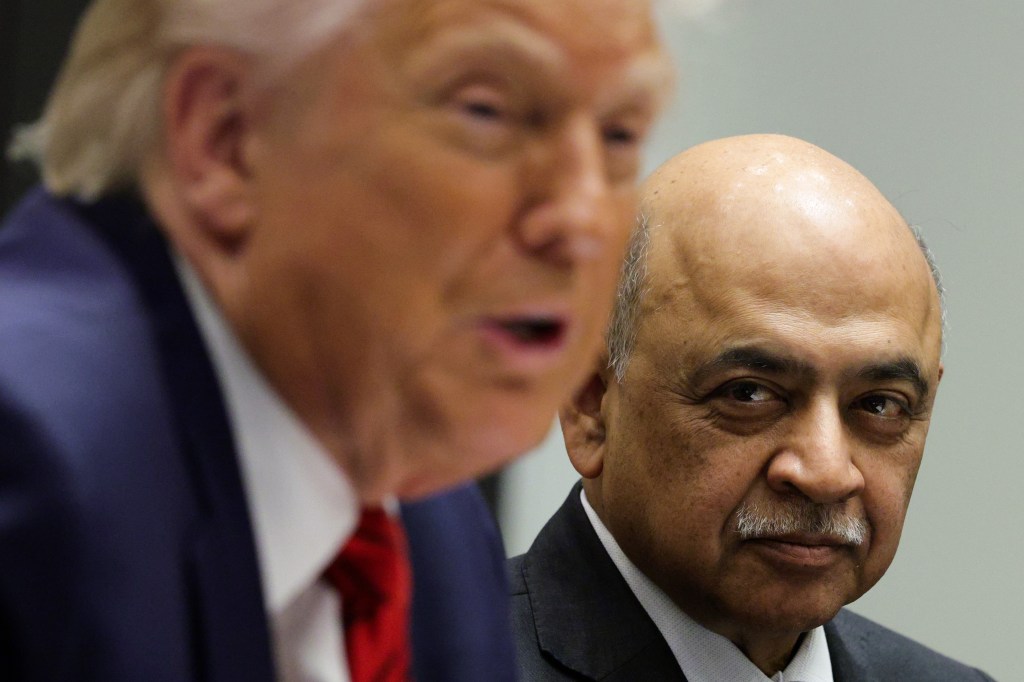
IBM CEO Arvind Krishna (right) and U.S. President Donald Trump in the White House on December 10, 2025 in Washington, D.C. (Photo: Alex Wong/Getty Images)IBM CEO Arvind Krishna (right) and U.S. President Donald Trump in the White House on December 10, 2025 in Washington, D.C. Alex Wong/Getty Images

The Trump administration said Thursday that it will award $2 billion in grants to nine quantum computing companies in an attempt to give the perpetually nascent category a boost.

The twist? The deals include minority equity stakes for the U.S. government.

The biggest share of the total—$1 billion—will go to IBM, which has been researching quantum computing since the 1980s and was among the first to commercialize it in 2016. (IBM says it will match the award with $1 billion of its own for use to establish Anderon, what it calls the first pure-play quantum chip foundry in the U.S. It did not disclose the federal government’s stake in the project.)

Other grant recipients include New York chipmaker GlobalFoundries ($375 million and a 1% government stake), Florida’s D-Wave Quantum ($100 million, all equity), California’s Rigetti Computing ($100 million), Colorado’s Infleqtion ($100 million), and the startups Atom Computing ($100 million), PsiQuantum ($100 million), Quantinuum ($100 million), and Diraq ($38 million).

Shares of the publicly traded companies on the list jumped on Thursday in the wake of the news. GlobalFoundries stock leapt 15% while D-Wave, Rigetti, and Infleqtion surged by twice that. (The deals have yet to be completed, notes the Wall Street Journal.)

Where’s all this money coming from, you ask? The 2022 CHIPS and Science Act signed into law by former President Biden—though the parameters for grants have changed dramatically under a Trump administration that has criticized and attempted to dismantle the law.

In the meantime, the overarching question: Is quantum mature enough for taxpayers to take equity? —AN
Spotify shares jump 13% on new features, strong guidance
It was a big day on Thursday for Spotify, and for once, a disco ball icon had nothing to do with it.

The world’s leading music streaming service saw its shares spike 13%, to $503, after it offered confident guidance for 2030 and announced an AI deal with Universal Music Group, the world’s largest record label. 

First, the forecast: Spotify said it expects revenue at a compounded annual growth rate in the mid-teens and gross margins of upwards of 40%. It aims to reach 1 billion subscribers and $100 billion in revenue; it currently has 293 million subscribers and almost $20 billion in annual revenue.

Second, the AI deal. Spotify will now let users create covers and remixes using the voices of UMG artists and songwriters who opt in. The tool, a paid add-on for premium users, will serve as a new revenue stream for willing artists.

(Who’s signed to Universal’s constellation of labels? Where to begin: Billie Eilish, BTS, Chappell Roan, Doechii, Drake and Kendrick Lamar, Lady Gaga, Olivia Rodrigo, Sabrina Carpenter, The Weeknd, and some artist named Taylor Swift.)

Spotify could use the momentum. The Swedish company’s shares are down by almost a quarter from a year ago. In its recent quarter Spotify failed to meet subscriber forecasts and offered weak operating income guidance, unsettling investors. It also hiked subscription prices at the potential expense of user acquisition. —AN
Why a SpaceX IPO could be bad news for Tesla
When SpaceX finally goes public, it will double the number of publicly traded companies in Elon Musk’s portfolio. But rather than seeing twice as much opportunity to cash in on a Musk-led enterprise, investors and analysts instead see red flags.

“This cannot be a positive for Tesla,” Joe Gilbert, portfolio manager at Integrity Asset Management, told Bloomberg, adding: “Musk has proved to be able to balance multiple initiatives simultaneously in the past, but it feels like SpaceX is his new baby at the expense of Tesla.”

Tesla has had a difficult year. It experienced its first full-year revenue decline in its history last year. Despite improved sales in the first three months of this year, deliveries have fallen below analysts’ expectations. Production has continued to outpace sales.

SpaceX tells a different story. The company’s IPO prospectus reveals full-year revenue of $18.7 billion in 2025, a 33% year-over-year increase from 2024—despite growing net losses.

SpaceX being the new belle of the ball will only mount pressure on Tesla, according to Dave Mazza, CEO of Roundhill Investments. Investors bought into Tesla in part because of its ambitions around AI and robotics. SpaceX’s success could undermine Tesla’s vision.

And what of Musk’s divided attention? Mazza said that risk is present for all of Musk’s projects.

“That concern is already priced in, as Musk’s divided attention has been a headline risk for years,” Mazza said. “The more relevant question is execution: Tesla needs to deliver on robotaxi and autonomy on its own timeline, and SpaceX going public doesn’t change that calculus one way or the other.” —Sasha Rogelberg
More tech
White House postpones executive order on AI and cybersecurity. “I didn't like certain aspects of it,” Trump says.

Zoom shares jump 8% after it beat Q1 estimates and offered a better-than-expected full-year outlook.

London’s mayor blocks a £50M Palantir deal with police, citing a “clear and serious breach” of procurement rules.

Take-Two offers a soft 2027 outlook but reconfirms Grand Theft Auto VI’s Nov. 19 launch date, sending shares up 6%.

The EU may temporarily lift sanctions on a Chinese chip supplier after automakers warned of shortages.

Grok is far behind ChatGPT, Gemini, and Claude if federal records are an indicator.

Anthropic may rent servers running on Microsoft’s custom silicon. Microsoft is rival OpenAI’s largest investor.