Were you forwarded this message? Subscribe to From the Think Tank to receive this newsletter in your inbox. |
|
|
|
Thank you for your interest in CFR’s publications. We’re pleased to continue this newsletter in a new form, one that will highlight the broader work of CFR’s think tank, the David Rockefeller Studies Program.
The Studies Program is the intellectual engine of the Council. Our more than eighty fellows cover all the world’s major regions and the big foreign policy issues. Drawing on their expertise, they seek to shape public debate and inform policymaking.
We’re excited to introduce our new initiative on the Future of American Strategy, an ambitious, multiyear effort to grapple with the fundamental questions underlying U.S. foreign policy. The initiative will leverage CFR’s expertise, convening power, and nonpartisan credibility to bring together leading thinkers and emerging voices to generate the ideas, frameworks, and understanding needed to shape an effective American strategy for the twenty-first century. We’ll be bringing you more from the initiative in the coming months.
Below, you’ll find a sampling of our fellows’ latest work, from Sebastian Mallaby’s biography of a top AI titan to several interactive trackers on Chinese investments, U.S. government investments, and central bank currency swaps. We also produced an absorbing immersive article on how food is being used as a weapon around the world. We hope you find the work of our fellows to be of interest, and we’re eager to hear your thoughts in the months ahead. Sincerely, Shannon |
| |
|
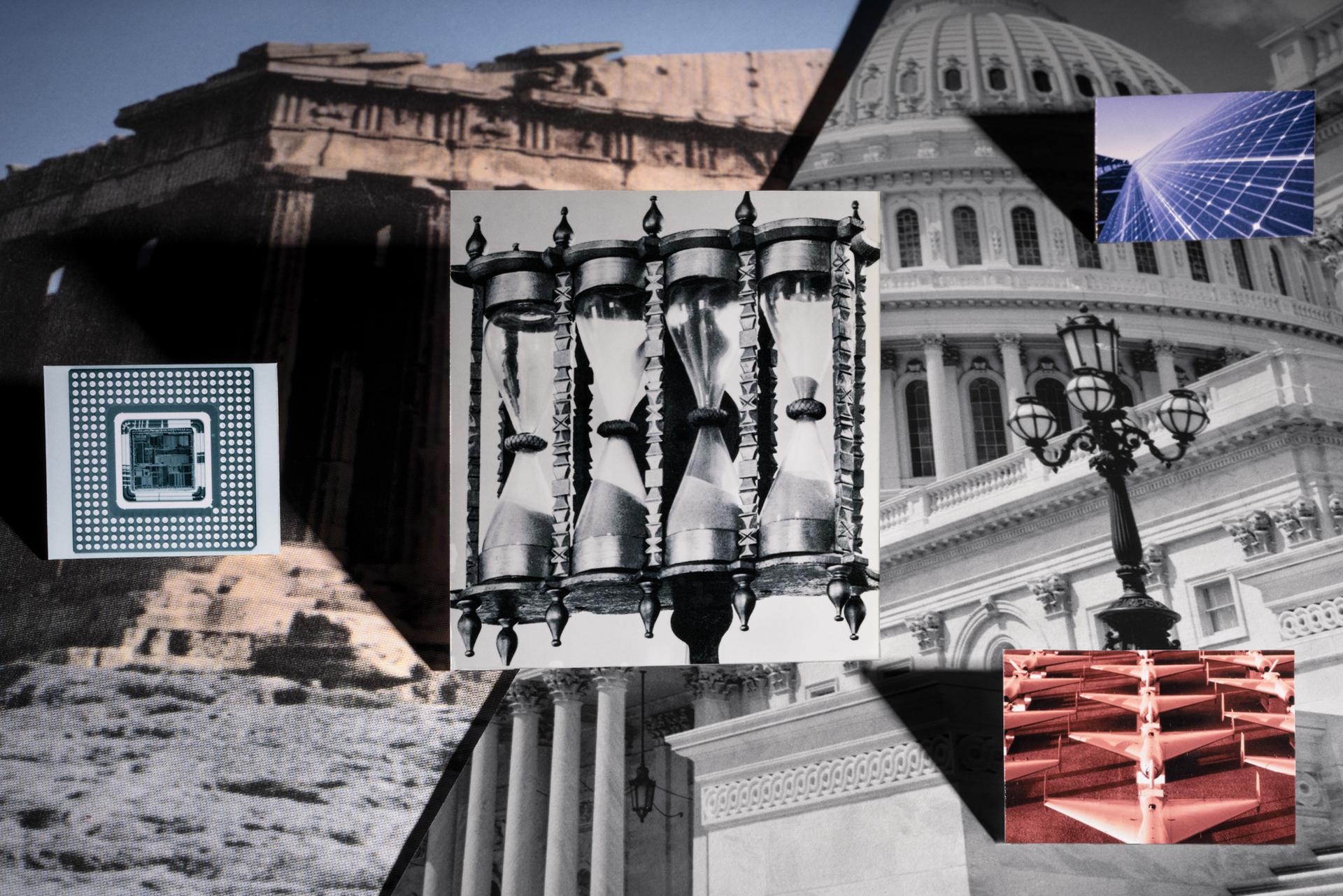
The United States’ role on the world stage is increasingly precarious amid the rise of multipolarity, reactionary politics, and American foreign aid retrenchment. In a new CFR-wide initiative led by Rebecca Lissner, experts identify current or imminent weaknesses in U.S. strategy in economics, development and health, climate and the environment, national security, and technology, and explore how to shore up those weaknesses for a more secure future. Explore the initiative
|
|
|
|
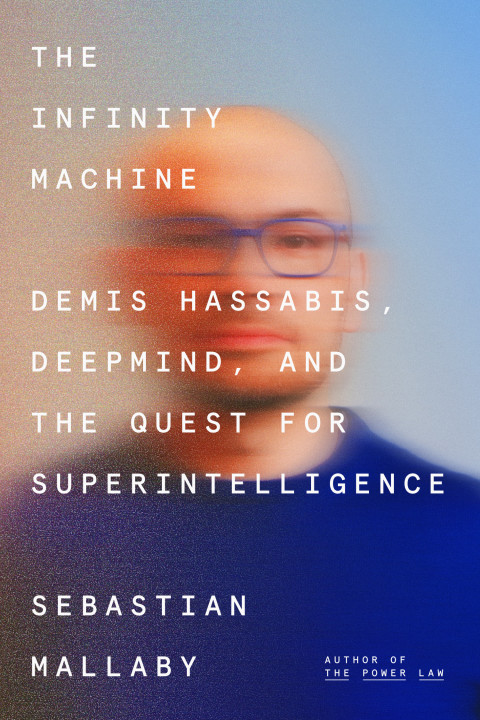
In a new CFR Book, Sebastian Mallaby delivers a portrait of Demis Hassabis, one of the world’s most driven tech visionaries, and of his game-changing artificial intelligence company, DeepMind. |
|
| |
|
For the first time in nine years, an American president traveled to Beijing for a U.S.-China summit. David Sacks, Zongyuan Zoe Liu, Heidi Crebo-Rediker, Chris McGuire, and Rush Doshi held a media briefing to break down what, if anything, was accomplished at the summit regarding critical minerals, economic deliverables, technology and AI, and Taiwan. Read the transcript
|
|
|
|
In a recent Council Special Report from CFR and the Silverado Policy Accelerator, Heidi Crebo-Rediker and Mahnaz Khan assert that, although the United States can’t out-mine or out-process China, it can neutralize the threat of China’s critical minerals dominance by scaling disruptive innovation, recovery, and recycling. Read the report
|
|
|
|
CFR fellows have created several new interactive trackers. In “Tracking Chinese Investment in Overseas Industrial Parks,” Zongyuan Zoe Liu tracks China’s investments in factories, warehouses, and overseas industrial parks and provides detailed information about the activities performed there, the Chinese investors involved, and the proximity to strategic ports and airports.
Benn Steil, Yuma Schuster, and Samuel Zucker plot out currency swaps between the Federal Reserve, the European Central Bank, and the People’s Bank of China, starting from the outbreak of the 2007 financial crises and continuing through COVID-19 pandemic and into the present in the “Central Bank Currency Swaps Tracker.”
And in “Washington’s Growing Portfolio: Tracking U.S. Government Investments,” Jonathan E. Hillman explores the financing structures the U.S. government is undertaking to protect and strengthen supply chains and expand American technological leadership.
|
|
|
|
The David Rockefeller Studies Program—CFR’s think tank—analyzes global challenges and offers steps to address them. More than eighty fellows cover the world’s major regions and significant foreign policy issues. CFR produces reports, articles, videos, podcasts, and more for the interested public, the academic community, business leaders, foreign policy experts, and policymakers.
|
|
|
|
|