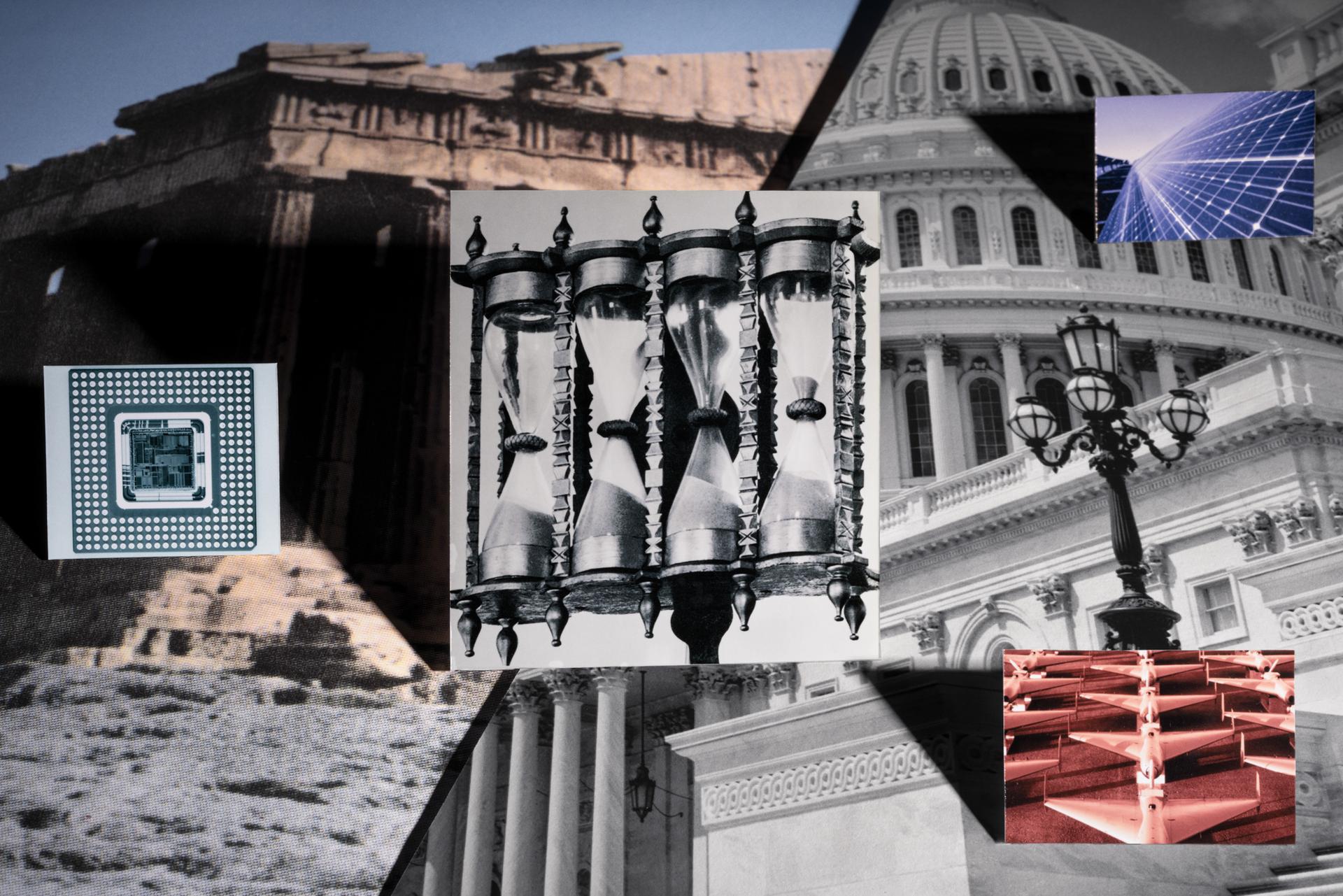
America’s global role is more contested and uncertain than at any time since World War II. Abroad, the diffusion of power, intensification of borderless challenges, and attendant decay of the liberal international order have created a daunting international landscape for the United States to navigate. At home, meanwhile, Americans have expressed dissatisfaction with their country’s role in the world for decades, and President Donald Trump has invited many to question whether traditional U.S. foreign policy has truly put “America first.” And everywhere, revolutionary technologies seem destined to upend daily life and generate new threats, even as they carry great potential for progress.
The time is ripe for a fundamental reevaluation of American strategy—one that accepts the reality that there will be no going back to a business-as-usual foreign policy after this administration and that urgently seeks creative ideas for the future. That is why the Council on Foreign Relations is launching the Future of American Strategy Initiative. With this ambitious, multiyear effort, we aim to answer the defining question: Where does America go from here?
To kickstart this conversation, we asked leading CFR scholars to explore the evolving strategic environment the United States will face over the next decade. Spanning American strategy, great power rivalry, global order, geoeconomics, and warfare, this collection traces the collapse of the postwar international order and the domestic consensus that once sustained Washington’s leadership over it.
The world our experts describe is increasingly contested and competitive, with the rise of new power centers, ongoing geopolitical realignments, and a fragmenting global economy. It is a world shaped by structural disruptors—whether artificial intelligence, climate change, or demographic shifts—alongside diminishing capacity for international cooperation. As these forces converge, their effects compound, accelerating the pace of change.
Washington meets this world from a position of considerable strength. American power remains formidable across every major dimension: economic, technological, and military. But competitors are gaining ground, and these capabilities exist alongside domestic constraints: partisan polarization, a fraying social compact, weakened state capacity, and difficulties translating military might into victory. Any successful strategy must seriously confront these limitations, understanding that strength abroad depends on strength at home.
The essays that follow are only the beginning. In the coming years, CFR will convene diverse thinkers to generate fresh, ambitious ideas that address the challenges and seize the opportunities of the world to come. Critically, this work will not be confined to Washington or New York. We will travel across the country to better understand what the American people want from their country’s global role and incorporate views from across the political spectrum—because a strategy that fails to account for the perspectives of the American people is neither prudent nor sustainable.
Reimagining American strategy for a rapidly changing world is not a quick or easy undertaking. It will require intellectual courage, honest debate, and contributions from many voices. We hope you’ll join us.