+ A closer look at the Purcell principle.

Follow the biggest developments in courts, law firms and legal practice with Reuters. Subscribe for $1/week. Subscribe now.


The Daily Docket

The Daily Docket

A newsletter by Reuters and Westlaw

By Caitlin Tremblay

Good morning. Today we have a closer look at the U.S. Supreme Court’s “Purcell principle,” and why the timing of rulings is raising eyebrows. Plus, the 9th Circuit will hear a Second Amendment case; the Trump administration is expected to announce criminal charges against former Cuban president Raul Castro; and the New York Court of Appeals will consider whether the state’s mandatory retirement age for judges violates its Equal Rights Amendment. This guy is saving on gas by cruising to the grocery store in a trash-picked Barbie camper with a power washer engine. We’ve made it to midweek, let’s hit the gas.

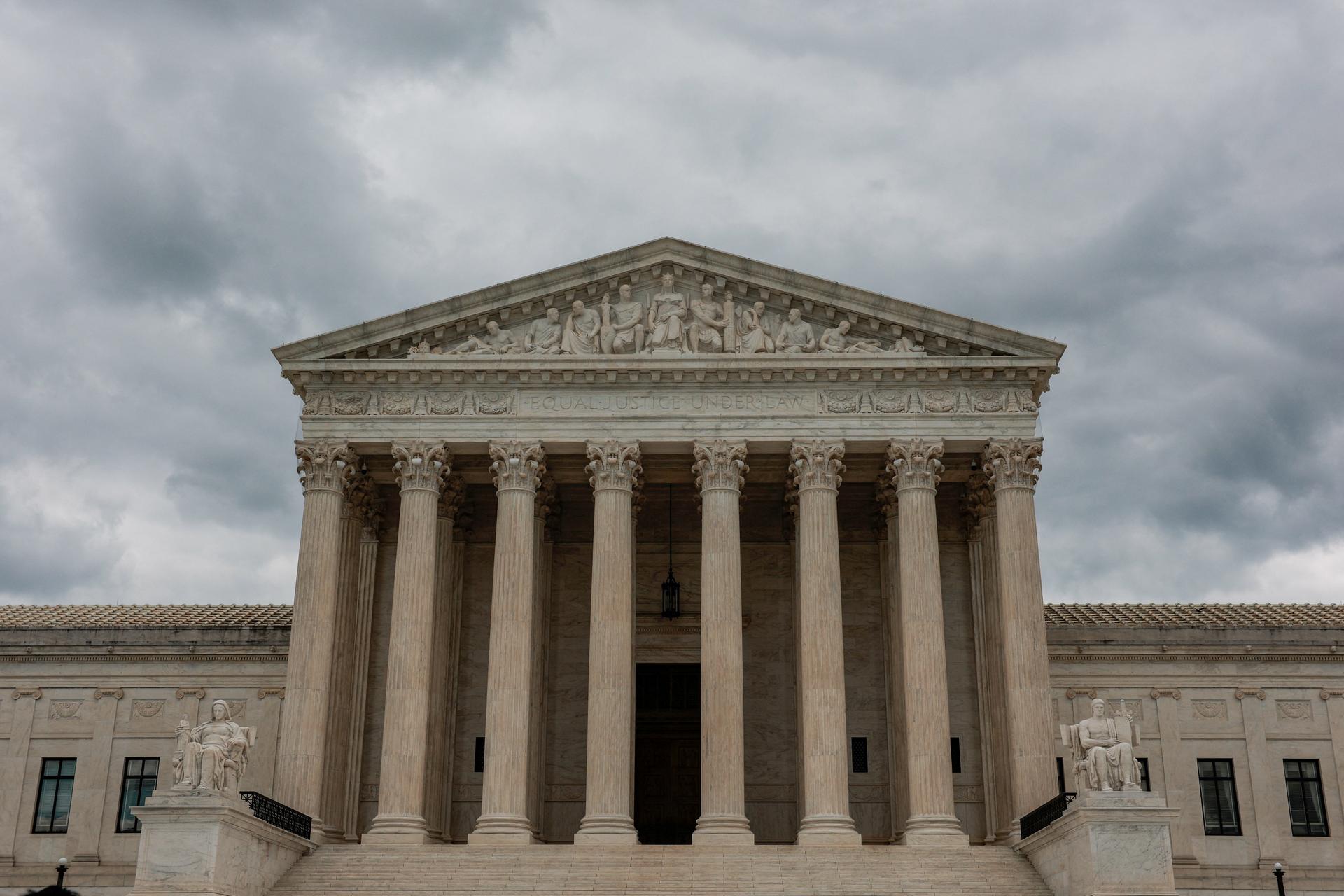
U.S. Supreme Court's uneven approach to election-map rulings boosts Republicans


REUTERS/Kylie Cooper

The U.S. Supreme Court’s “Purcell principle,” which warns against changing election rules close to when voting begins, is facing criticism after a series of last‑minute rulings. In recent cases, the court allowed Republican‑backed maps in Louisiana and Alabama just days before or even during voting, while earlier citing Purcell to block changes months ahead of elections in Texas. Some experts see inconsistency; others say the court is simply restoring maps passed by state legislatures after lower court rulings.

Why it matters
The timing of these decisions is fueling concerns about fairness and the court’s credibility. Critics say the principle is being applied unevenly, potentially benefiting Republicans in key redistricting fights that shape control of Congress.

The court’s use of emergency rulings without full explanations adds to uncertainty about how election law will be handled going forward.

What’s next
More challenges are likely as redistricting battles continue. Without clearer guidance from the Supreme Court, lower courts may struggle to predict when it will step in, leaving election rules in flux close to voting.

Joseph Ax and John Kruzel have more here.


Coming up today

  • Second Amendment: The 9th Circuit will hear a challenge to California’s concealed-carry licensing rules. The plaintiff argues the laws are unconstitutional under the standard set by the landmark 2022 U.S. Supreme Court ruling in New York State Rifle & Pistol Association v. Bruen, which struck down New York’s limits on carrying handguns outside the home.
  • Criminal: The 2nd Circuit will weigh whether the district court erred in striking down certain aggravating factors in the government’s pursuit of the death penalty in the federal case against Payton Gendron, the admitted gunman in the 2022 mass shooting at the Tops supermarket in Buffalo, New York. Gendron is currently serving multiple life sentences on state charges. The federal trial is expected to begin in August.
  • IP: The 9th Circuit will reconsider a ruling for Jack Daniel's in a long-running trademark dispute over whiskey-bottle-shaped dog toys that previously went to the U.S. Supreme Court. Dog toy maker VIP Products will ask the appeals court to overturn an Arizona judge's ruling that its dog toys unlawfully associated the liquor maker's brand with "canine excrement." The U.S. Supreme Court in 2023 overturned a win for VIP after finding the toy was not an expressive work that would be entitled to 1st Amendment protection from trademark lawsuits.
  • Criminal: The Trump administration is expected to announce criminal charges against former Cuban president Raul Castro. Sources told Reuters the indictment against Castro, 94, is based on a 1996 incident in which Cuban jets shot down planes operated by a group of Cuban exiles.
  • Judiciary: The New York Court of Appeals will consider whether the state’s mandatory retirement age for judges violates its Equal Rights Amendment, which was passed by voters in 2024, and added age and other new categories as protected from discrimination. Three judges claim the new law implicitly repealed the mandatory retirement age but lower courts disagreed.
  • Judiciary: The U.S. Senate Judiciary Committee will hear from two of President Trump's judicial nominees: Benjamin Flowers, a former Ohio solicitor general nominated to serve on the 6th Circuit, and Matthew Schwartz, a personal lawyer to Trump at Sullivan & Cromwell nominated to the 2nd Circuit.

Court calendars are subject to last-minute docket changes.


More top news

  • Trump-IRS settlement 'forever' bars audits into tax claims for Trump and his family
  • Blanche won't rule out Trump 'weaponization' payouts to January 6 rioters who assaulted police
  • Trump signs order aimed at preventing illicit financial activity, White House says
  • SEC proposes broad changes to share registration, company reporting rules


Industry insight

  • The 2nd Circuit upheld the dismissal of a $900 million racketeering lawsuit against Boies Schiller Flexner and Dentons stemming from claims that the law firms misled a client about the enforceability of a contract involving Senegal's state-owned electric power company. Read the decision.
  • Quinn Eman