Google’s AI rebuild, Anthropic’s big hire, SpaceX plans for Cursor.
 ͏  ͏  ͏  ͏  ͏  ͏  ͏  ͏  ͏  ͏  ͏  ͏  ͏  ͏  ͏  ͏  ͏  ͏  ͏  ͏  ͏  ͏  ͏  ͏  ͏  ͏  ͏  ͏  ͏  ͏  ͏  ͏  ͏  ͏  ͏  ͏  ͏  ͏  ͏  ͏  ͏  ͏  ͏  ͏  ͏  ͏  ͏  ͏  ͏  ͏  ͏  ͏  ͏  ͏  ͏  ͏  ͏  ͏  ͏  ͏  ͏  ͏  ͏  ͏  ͏  ͏  ͏  ͏  ͏  ͏  ͏  ͏  ͏  ͏  ͏  ͏  ͏  ͏  ͏  ͏  ͏  ͏  ͏  ͏  ͏  ͏  ͏  ͏  ͏  ͏  ͏  ͏  ͏  ͏  ͏  ͏  ͏  ͏  ͏  ͏  ͏  ͏  ͏  ͏  ͏  ͏  ͏  ͏  ͏  ͏  ͏  ͏  ͏  ͏  ͏  ͏  ͏  ͏  ͏  ͏  ͏  ͏  ͏  ͏  ͏  ͏  ͏  ͏  ͏  ͏  ͏  ͏  ͏  ͏  ͏  ͏  ͏  ͏ ­ ­ ­ ­ ­ ­ ­ ­ ­ ­ ­ ­ ­ ­ ­ ­ ­ ­ ­ ­ ­ ­ ­ ­ ­ ­ ­ ­ ­ ­ ­ ­ ­ ­ ­ ­ ­ ­ ­ ­ ­ ­ ­ ­ ­ ­ ­ ­ ­ ­ ­ ­ ­ ­ ­ ­ ­ ­ ­ ­ ­ ­ ­ ­ ­ ­ ­ ­ ­ ­ ­ ­ ­ ­ ­ ­ ­ ­ ­ ­ ­ ­ ­ ­ ­ ­ ­ ­ ­ ­ ­ ­ ­ ­ ­ ­ ­ ­ ­ ­ ­ ­ ­ ­ ­ ­ ­ ­ ­ ­ ­ ­ ­ ­ ­ ­ ­ ­ ­ ­ ­ ­ ­ ­ ­ ­ ­ ­ ­ ­ ­ ­ ­ ­ ­ ­ ­ ­  
Wednesday, May 20, 2026
At Google I/O 2026, it’s AI, AI, and more AI

Good morning. You’d think more commencement speakers would ask their AI chatbot of choice how today’s college graduates feel about artificial intelligence before declaring it the future while the ink is still drying on the grads’ degrees.

It’s been a rough couple of weeks. Real estate executive Gloria Caulfield was the first to prominently step into the muck at the University of Central Florida. Then came former Google CEO Eric Schmidt at the University of Arizona and Big Machine CEO Scott Borchetta at Middle Tennessee State. All endured waves of boos for their focus on AI.

If you read the transcripts, the speakers were (mostly) trying to give agency to their audience at a time of great transformation. But they didn’t read the room. Today’s grads don’t want to hear about technology; they want to hear about themselves.

The gold standard for this, of course, is Steve Jobs at Stanford in 2005. The late Apple co-founder only mentions the word “technology” once in 15 minutes, opting instead to share three personal stories. “Don’t be trapped by dogma, which is living with the results of other people’s thinking,” he advises at one point. Little did he know how much the Class of 2026 would take that to heart. —Andrew Nusca

Want to send thoughts or suggestions to Fortune Tech? Drop a line here.
Google is being completely rebuilt for AI
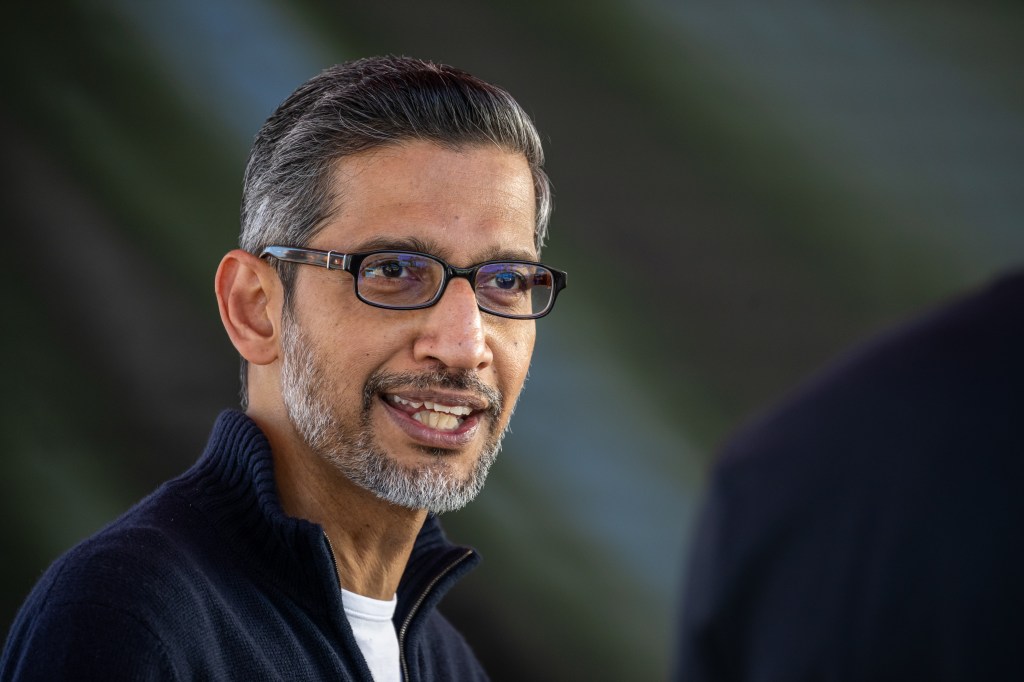
Alphabet CEO Sundar Pichai in Mountain View, California on May 19, 2026. (Photo: David Paul Morris/Bloomberg/Getty Images)Alphabet CEO Sundar Pichai in Mountain View, California on May 19, 2026.David Paul Morris/Bloomberg/Getty Images

AI was the overwhelming focus during two hours of keynote presentations delivered by executives at Google’s annual developer conference, Google I/O, in Silicon Valley on Tuesday.

In a very visible sign of how important AI has become to the $4.7 trillion company, Google said it was redesigning the iconic search box to be larger (to better accommodate natural language queries) and facilitate the use of AI agents for complex research projects.

Google unveiled new Gemini 3.5 AI models at the event, as well as a multimodal “Gemini Omni” system capable of generating video from mixed inputs like text, images, audio and video.

It also debuted “Gemini Spark,” a “persistent agent” embedded in Gmail, Docs, Chrome, etc. that keeps working and retaining context over time; “Docs Live,” a voice-driven document creation feature; and “Ask YouTube,” a conversational tool that can answer questions using specific moments from YouTube videos.

Elsewhere, a new line of AI-enabled, audio-equipped glasses will arrive in the fall, introducing a new product line called “intelligent eyewear.”

And, of course, there’s a new AI-powered “Universal Cart” to shop across merchants.

At the event, CEO Sundar Pichai touted the dizzying amounts of money the company is spending to build AI infrastructure. Its capital expenditures—a cause of concern among some Wall Street investors—were projected behind him on a giant screen as Pichai described plans to spend between $180 billion and $190 billion this year on AI. —Alexei Oreskovic and Sharon Goldman
The inventor of ‘vibe coding’ heads to Anthropic
After a string of blockbuster model releases, fundraising at a reported valuation approaching $1 trillion, and an annual run rate that’s nearly parabolic, Anthropic has now hired one of its rival OpenAI’s most famous alumni.

“Personal update: I’ve joined Anthropic,” Andrej Karpathy wrote on X on Tuesday, adding that the next few years at the frontier of LLMs would be “especially formative” and that he was eager to get back to research. He started this week.

It’s a major move for Karpathy, whose writing on AI is followed by nearly 2 million people on X. He was first a founding member of OpenAI in 2015, left to run AI at Tesla, came back in 2023, and left only a year later to start his own education company, Eureka Labs.

The thing—or phrase—that etched Karpathy into AI legend, though, was a viral social media post from last year describing a “new kind of coding” that he called “vibe coding.”

As an Anthropic employee, Karpathy will be building on the work from another popular post about a concept he called “autoresearch,” in which he found that tweaks applied to a small AI model running unsupervised could be applied to a larger model to successfully cut training time.

Teaching that method looks, more or less, like Karpathy’s new job. According to Anthropic, he will be starting a team focused on using Claude to accelerate pretraining research, the large-scale training runs that give Claude its core knowledge and capabilities. —Eva Roytburg
A month after IPO, SpaceX may buy Cursor
SpaceX, Elon Musk’s rockets ‘n’ AI company, is planning for what is widely expected to be a stratospheric tech IPO that could value the firm at upwards of $2 trillion.

It’s also planning to acquire the artificial intelligence coding startup Cursor 30 days after SpaceX begins trading publicly on June 12, according to a Bloomberg report.

It was only a month ago that SpaceX and Cursor announced a $10 billion collaboration that included a $60 billion option for the larger company (which in February acquired Musk’s xAI) to buy Cursor.

Now it’s looking like that option will be exercised in July. If the deal fails, SpaceX would pay a $10 billion cash breakup fee to Cursor, which is currently training its wares on xAI’s Colossus 2 supercomputer. 

As I previously wrote in this newsletter, Cursor’s ascendance has been swift, with a big splashy feature in Fortune magazine and an almost $30 billion valuation at the end of last year. The San Francisco company had reportedly been in talks to fundraise at a valuation of $50 billion before SpaceX swooped in. —AN
More tech
The sectors most exposed to AI are seeing a big growth in job demand, Indeed’s chief economist says.

—Apple, you had me at “on-device generated subtitles.”

Microsoft rolls out new business laptops priced from about $1,300 to $2,000. All contain Intel Core Ultra Series 3 chips and tout on-device AI processing.

Minnesota bans prediction markets, only to be sued by the CFTC.

Polymarket partners with Nasdaq to launch markets tied to private company milestones.