| | US President Donald Trump left China after a summit which emphasized stability, though he failed to ͏ ͏ ͏ ͏ ͏ ͏ |
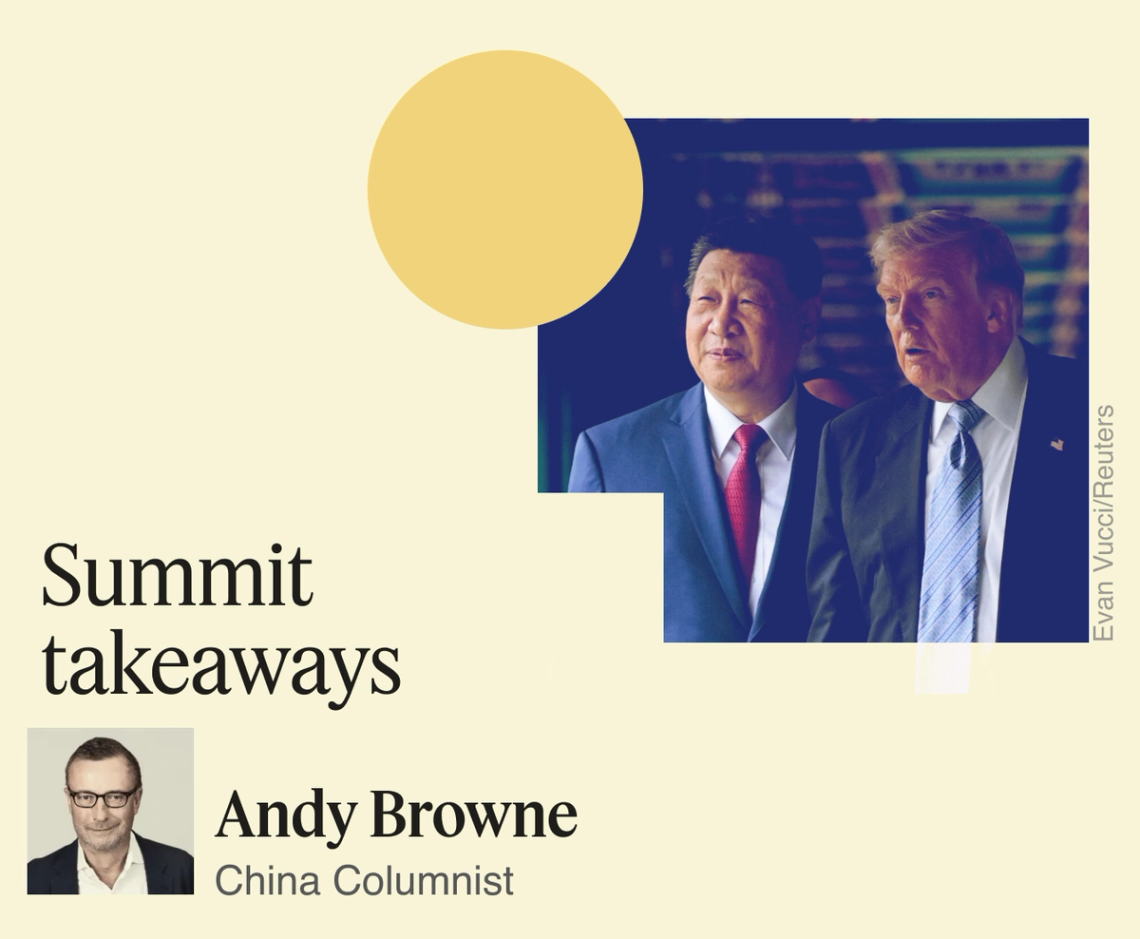 Disillusion with China was building within the US before President Donald Trump first arrived in the White House in 2017, but he defined the darkening mood with Cold War-style language. Then during his recent summit with Chinese leader Xi Jinping, two countries that had a year ago been raising tariffs on each other to well north of 100% — effectively barring trade between one another — were suddenly behaving like long-lost pals. I wrote this week of how the meeting in Beijing harkened back to a prior, simpler era, but my Semafor colleagues and I also reached out to a bevy of experts and politicians for their assessment of how this long-awaited summit went from a US perspective, and what their takeaways were, and have put them together in this special edition of Flagship. For more analysis and reporting like this on the world’s second-biggest economy and how it’s changing the world, sign up to our weekly China briefing. |
|
  Brendan Smialowski/Reuters. Banner credit: Andrew Caballero-Reynolds/AFP via Getty Images Brendan Smialowski/Reuters. Banner credit: Andrew Caballero-Reynolds/AFP via Getty ImagesOur coverage brought together reporting and analysis on how the summit will shape energy markets, business, policy, and the broader US-China relationship. With Donald Trump and Xi Jinping having met at this week’s summit, Semafor’s newsroom broke down what was at stake — from the durability of Trump’s China deals, to Washington’s rare earths Achilles’ heel, to Beijing’s wider geopolitical calculus. |
|
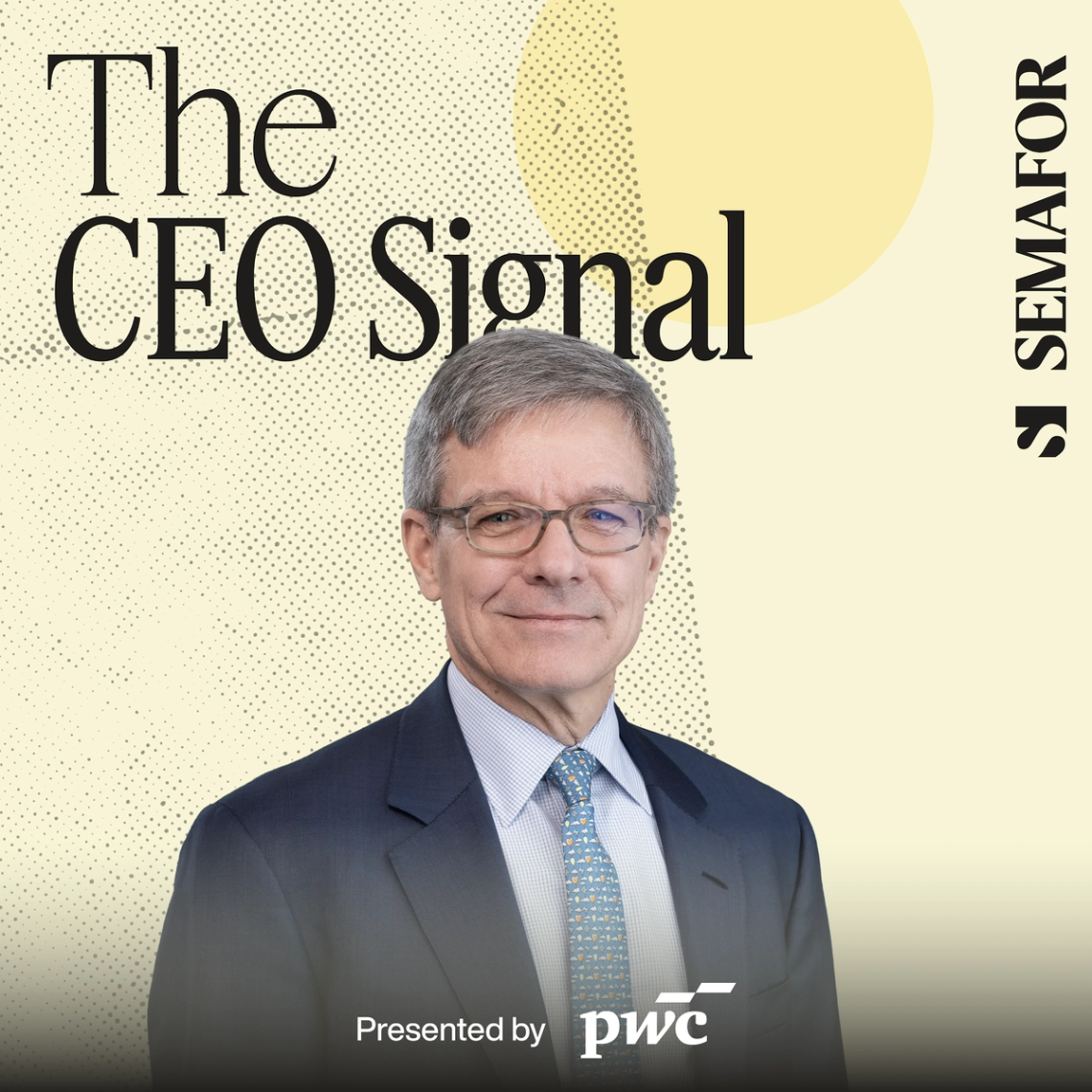 Tom Wilson runs an insurance company in a low-trust America. That makes trust a core business issue for Allstate. “We sell trust,” he says. On this week’s episode of The CEO Signal, presented by PwC, Penny Pritzker and Andrew Edgecliffe-Johnson ask Wilson how that premise shapes the way he leads one of America’s biggest insurers. Wilson, who has led Allstate for nearly two decades, is disappointed that more CEOs are not speaking up on societal issues — but he is not calling for corporate commentary on everything. He explains the framework Allstate uses to decide when it has standing to engage, how the company connects corporate purpose to employees’ personal purpose, and why AI should force leaders to ask a harder question than how much cost they can cut: what kinds of good jobs can they create? |
|
| |