| | Trump ends his China visit on a positive note, the CIA director meets Cuban leaders, rivals prepare ͏ ͏ ͏ ͏ ͏ ͏ |
| |  | Flagship |  |
| |
|
The World Today | 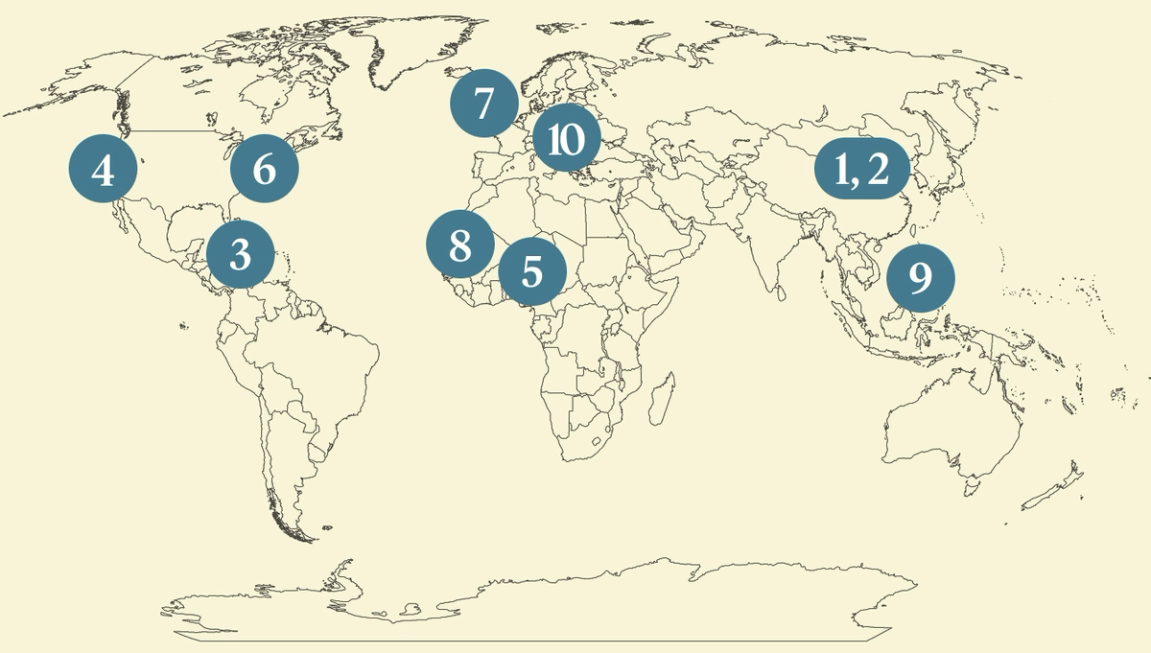 - Xi-Trump: Good vibes…
- …but few concrete deals
- US makes Cuba overtures
- OpenAI faces challenges
- Job market’s AI resilience
- AI slop in science papers
- Knives out for Starmer
- Africa’s mineral ambitions
- Manila Senate shootout
- Geopolitics of Eurovision
 A book on how economic growth slows is ‘an essential warning’ for our times. |
|
Xi stays quiet over Iran war |
  Majid Asgaripour/WANA via Reuters. Banner credit: Andrew Caballero-Reynolds/AFP via Getty Images Majid Asgaripour/WANA via Reuters. Banner credit: Andrew Caballero-Reynolds/AFP via Getty ImagesUS President Donald Trump said that he and Chinese leader Xi Jinping “feel very similar about Iran,” but Xi was less forthcoming. Trump said both China and the US want the Strait of Hormuz opened and Iran’s nuclear weapons program ended, but Xi did not comment; Beijing has always formally backed nonproliferation, but has been less keen to back enforcement mechanisms and shown little willingness to be drawn into the Middle East conflict more broadly. Beijing is Tehran’s biggest economic lifeline: It buys 90% of Iran’s oil exports, and has considerable leverage. It may be willing to use that leverage, but not without compensation, which would likely involve limiting US arms sales to Taiwan, one analyst wrote. |
|
  Brendan Smialowski/Reuters. Banner credit: Andrew Caballero-Reynolds/AFP via Getty Images Brendan Smialowski/Reuters. Banner credit: Andrew Caballero-Reynolds/AFP via Getty ImagesOur coverage brings together reporting and analysis on how the summit will shape energy markets, business, policy, and the broader US-China relationship. With US and Chinese leaders meeting at this week’s summit, Semafor’s newsroom breaks down what’s at stake — from the durability of Trump’s China deals, to Washington’s rare earths Achilles’ heel, to Beijing’s wider geopolitical calculus. Our coverage brings together reporting and analysis on how the summit will shape energy markets, business, policy, and the broader US–China relationship. |
|
CIA director’s Havana offer |
|
OpenAI’s legal and business struggles |
 Manuel Orbegozo/Reuters Manuel Orbegozo/ReutersOpenAI, for a long time the leader in generative AI, is facing challenges on several fronts. The company’s relationship with Apple is strained and the two are bracing for potential lawsuits after the integration of ChatGPT into Apple devices has gone slowly. OpenAI is already in a legal battle with its estranged cofounder Elon Musk, in which CEO Sam Altman was accused of lying about his plans for the company; the judge heard closing arguments yesterday. Meanwhile rival Anthropic has overtaken OpenAI on several key fronts: It now has higher revenue and enterprise market share, and has finalized a $30 billion investment round at a $900 billion valuation, making it bigger than OpenAI. |
|
Labor market resilient to AI, so far |
 Afolabi Sotunde/Reuters Afolabi Sotunde/ReutersAI has disrupted the upper and lower ends of the employment ladder, though experts warned that fears of mass job cuts may be overblown. McKinsey said it would slash partner cash compensation as it looks to adjust to the impact of AI on the consulting industry. Meanwhile, Nigerian delivery firm Jumia, one of Africa’s biggest startups, cut 10% of its workforce, part of the company’s goal of becoming “extremely efficient, cheap, and lean,” its CEO told Bloomberg. But experts say signs of AI upending the labor market remain scant, with a recent survey by the New York Fed showing “firms intend to incorporate AI mainly via retraining, with limited effects on hiring.” |
|
AI slop fills scientific publishing |
 Shannon Stapleton/Reuters Shannon Stapleton/ReutersarXiv, the largest host of pre-peer-reviewed scientific papers, will now ban scientists for a year if their research contains hallucinated references or other obviously AI-generated content. The research repository’s chairman said authors have “full responsibility” for the content of works published in their name. AI is boosting scientific research, but also facilitating fraud: Submissions to one journal have risen 42% since ChatGPT’s launch, and the writing has become worse, Forbes reported, with many papers detectably AI-generated. Computer science, the most AI-exposed field, is worst affected. arXiv has already banned all comp-sci review papers over an “unmanageable influx” of fakes, and one researcher warned that it took just 54 seconds to create a fake paper about an experiment he never performed. |
|
Rivals get ready to challenge Starmer |
 Peter Nicholls/Pool via Reuters Peter Nicholls/Pool via ReutersThree potential candidates cleared their path to challenging UK Prime Minister Keir Starmer’s leadership. Starmer is embattled after devastating local election results last week. Wes Streeting, Andy Burnham, and Angela Rayner are all expected to stand in any leadership election, but all face challenges: Health Secretary Streeting may not have the party support, Burnham must first win a special election against a surging populist party to enter parliament, and Rayner was until recently under investigation for tax irregularities. The political turmoil has already sent government borrowing costs to multi-decade highs, and UK business leaders complained that the Labour Party infighting would further damage investment. “Nero fiddles,” one FTSE 100 boss told the Financial Times, leaving while Rome burns unspoken. |
|
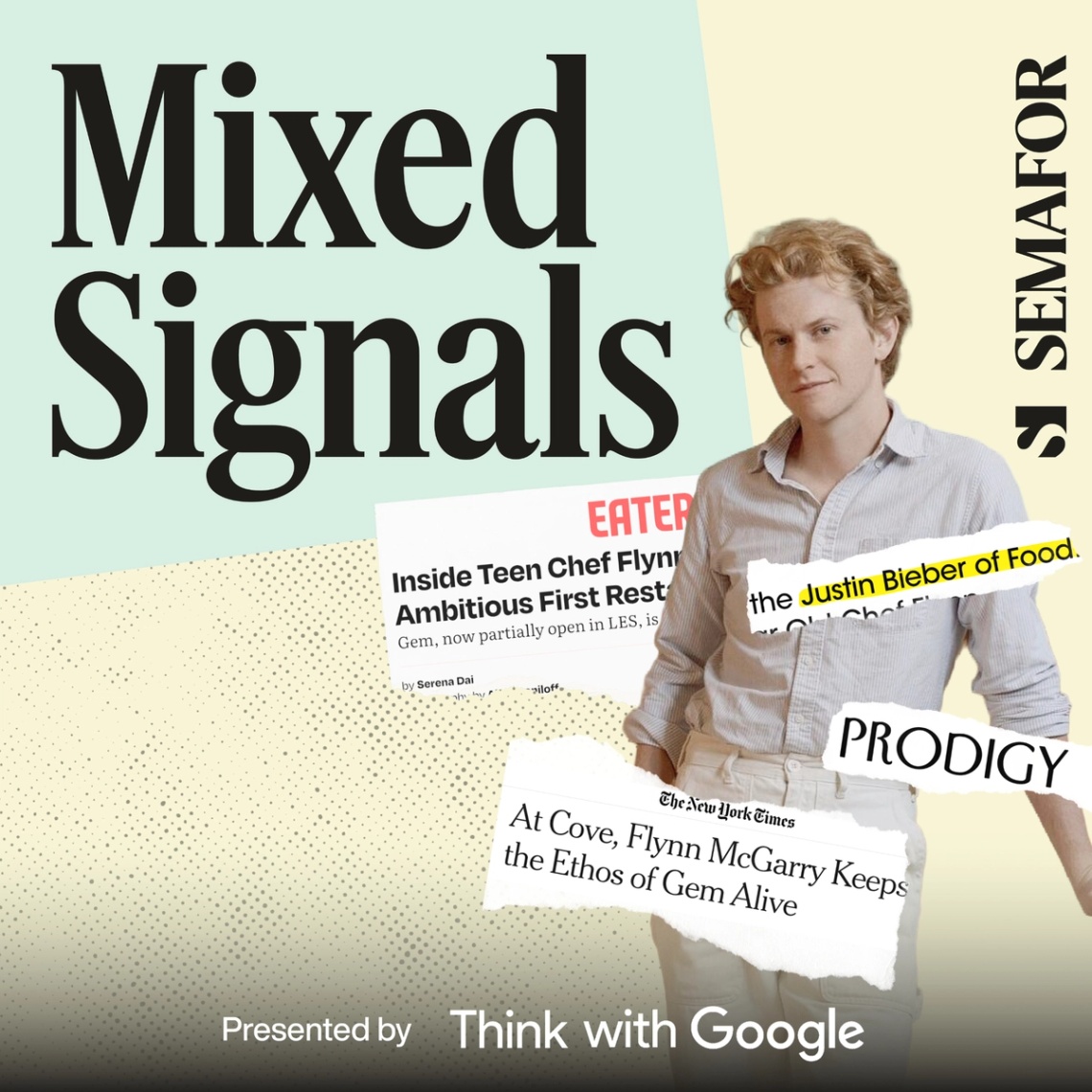 He was first labeled a teenage chef prodigy. Fast forward to today, Flynn McGarry is trying to answer the question: What actually gets people to show up to a restaurant? On this week’s episode of Mixed Signals, Max and Ben ask the Chef and Cove owner how early media attention shaped his identity and what he’s learned about the social media content that actually drives traffic to his restaurants. Plus, how he missed years of TV development deals — including one with White Lotus creator Mike White. Listen to the latest Mixed Signals now. |
|
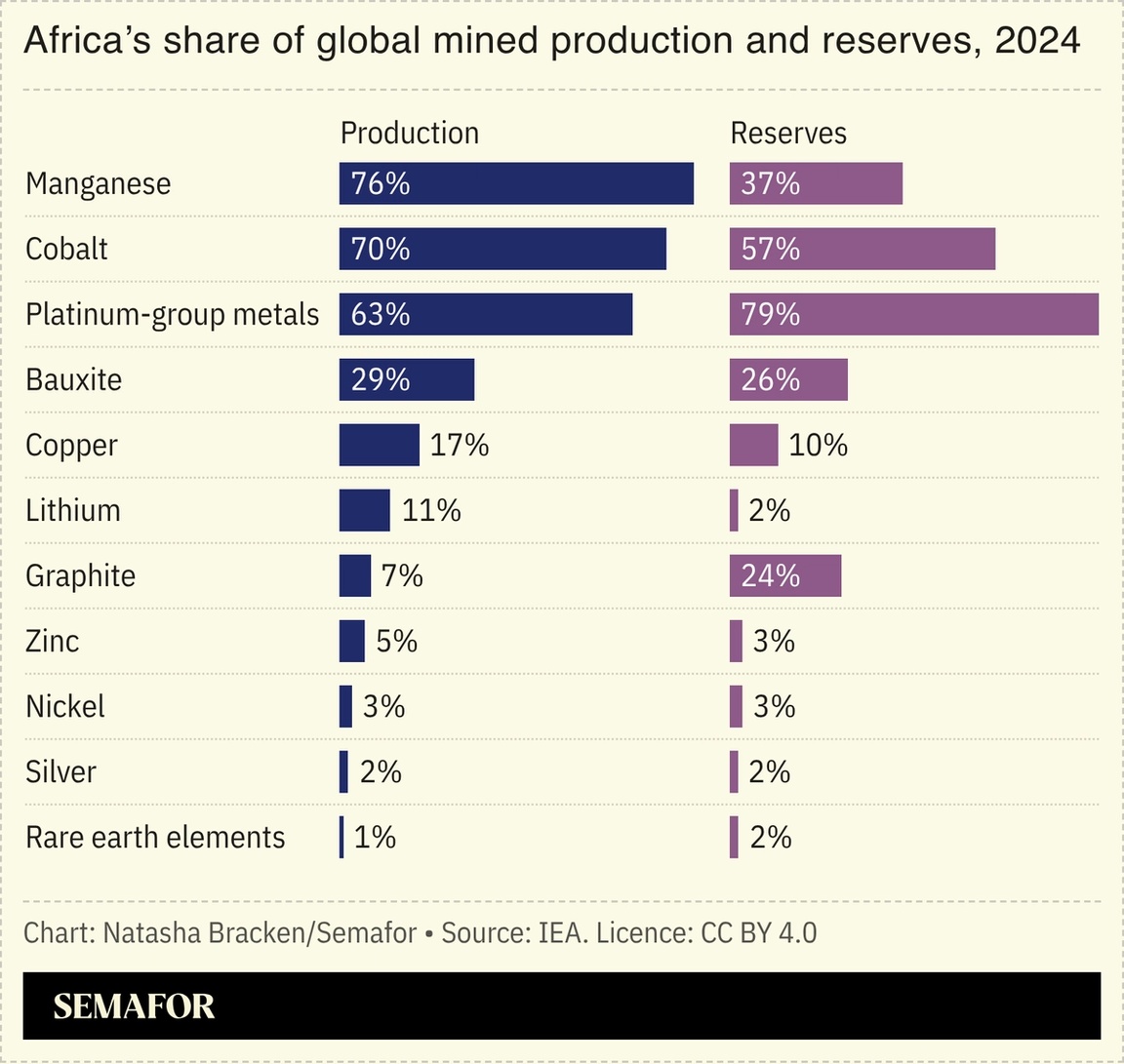
Africa’s mineral ambitions |
 < < |
|
|





