| | Donald Trump announces a Boeing deal in China, UAE denies a ‘secret’ visit by Israel’s leader, and a͏ ͏ ͏ ͏ ͏ ͏ |
| |  | Flagship |  |
| |
|
The World Today | 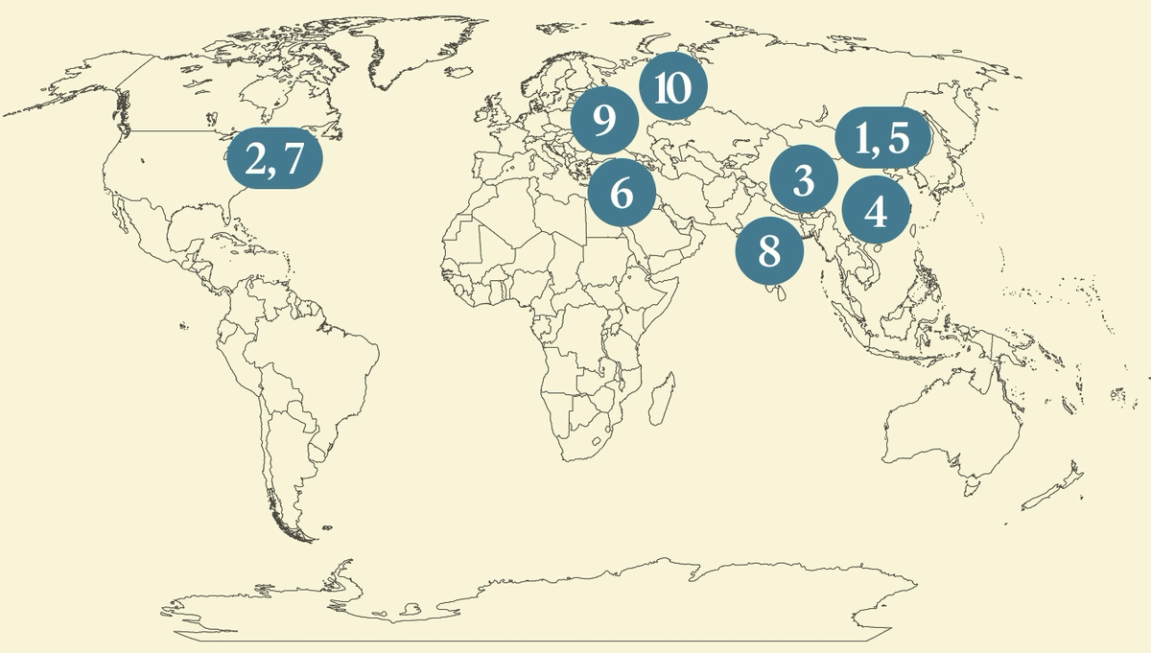 - US-China readouts diverge
- ‘Non-sensitive’ investments
- US’ rare earths Achilles
- Xi plays the long game
- Beijing’s soft power win
- Bibi visited UAE, or did he?
- US to drop Adani charges
- Dark skies for Air India
- Drones replacing snipers
- Ancient dental work
 A “profoundly moral record” from Ice-T. |
|
US-China readouts tell two stories |
  Story photo: Evan Vucci/Reuters. Header photo: Andrew Caballero-Reynolds/AFP via Getty Images Story photo: Evan Vucci/Reuters. Header photo: Andrew Caballero-Reynolds/AFP via Getty ImagesParallel statements from the US and China after their leaders’ met Thursday exposed sharp divides in their foreign policy postures. It’s a “tale of two readouts,” Politico’s China correspondent wrote: The White House recap mentioned Chinese investment in the US, the Strait of Hormuz, and Iran’s nuclear program — topics that were absent from the Chinese readout. Experts also noted that Beijing’s briefing included a stark warning over Taiwan, which Washington’s didn’t mention. The divergence in priorities underscored how the summit is “unlikely to alter the character and course of the US-China relationship long-term,” the Council on Foreign Relations president said. “It is about managing for stability.” |
|
Trump announces Boeing deal in China |
 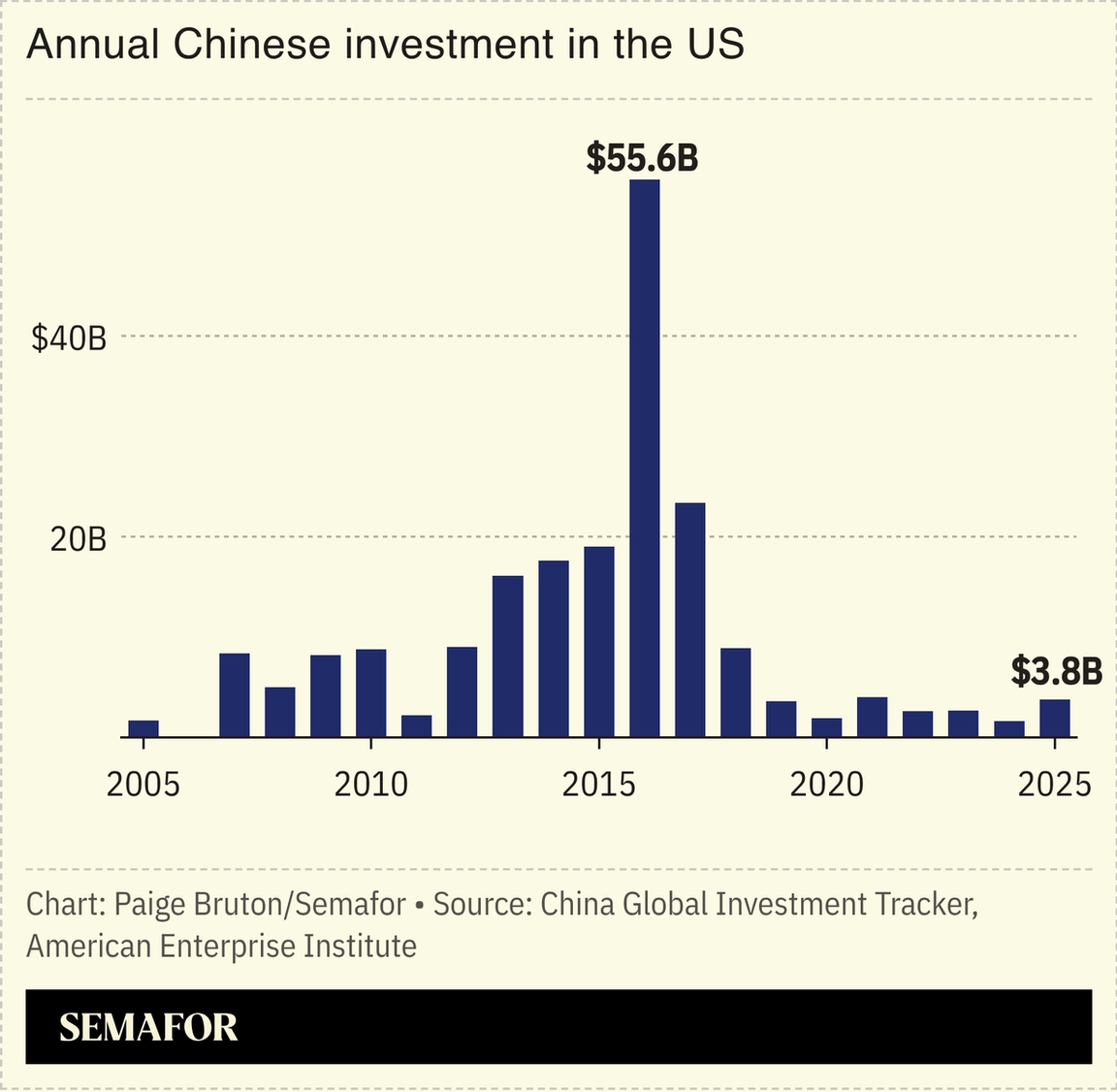 Header photo: Andrew Caballero-Reynolds/AFP via Getty Images Header photo: Andrew Caballero-Reynolds/AFP via Getty ImagesChina agreed to buy 200 Boeing jets, US President Donald Trump said Thursday, one of the first major deals to come out of the Beijing summit. While the Boeing order was expected, analysts are also watching for a possible breakthrough to unlock sales of high-powered Nvidia chips to 10 Chinese firms, and officials are reportedly working on a way to fast-track regulatory approval for Chinese investments into “non-sensitive” US companies. While both countries may be keen to boost declining Chinese investments in the US, the world should “be very skeptical about how much got tangibly agreed to this week,” Semafor’s Morgan Chalfant wrote: Neither has a great track record of following up on trade commitments. “The main product of this China trip is… pomp and circumstance. |
|
China’s rare earths leverage on display |
 Header photo: Andrew Caballero-Reynolds/AFP via Getty Images Header photo: Andrew Caballero-Reynolds/AFP via Getty ImagesThis week’s summit illustrates that Washington needs a deal on rare earths more than Beijing needs a deal on fossil fuels, Semafor’s energy editor wrote. China’s threats last year to ban US-bound shipments of the critical minerals in response to US tariffs sent a shudder across American defense and tech sectors. Aware of its rare earths’ Achilles heel, the Trump administration has propped up US mining companies and forged trade deals to sidestep China. But Washington still relies on Beijing, and can no longer use oil and gas as a trade cudgel. Instead, analysts argued, the US should work with allies like Brazil, which has the world’s second-largest rare earths reserves, and Mexico, which is believed to have unexplored riches. |
|
Xi sees value in patience |
 Story photo: Maxim Shemetov/Reuters. Header photo: Andrew Caballero-Reynolds/AFP via Getty Images Story photo: Maxim Shemetov/Reuters. Header photo: Andrew Caballero-Reynolds/AFP via Getty ImagesChina is playing a long game on both Taiwan and Iran, analysts said. Beijing believes the global balance of power is slowly tilting in its favor and sees “patience as a winning strategy,” two experts wrote in Foreign Affairs. China’s leaders view “reunification” with Taiwan — its eventual goal for the self-governed island — as less costly the longer they wait, as opposed to a near-term invasion. On Iran, Beijing is similarly “willing to be patient,” giving its close partner “more time to entangle the US in drawn-out conflict,” a commodities analyst wrote in Semafor Gulf: “As long as [China] can protect its energy security and avoid direct confrontation,” the stalemate over Hormuz becomes a geopolitical advantage. |
|
Summit a soft-power win for China |
 Header photo: Andrew Caballero-Reynolds/AFP via Getty Images Header photo: Andrew Caballero-Reynolds/AFP via Getty ImagesUS President Donald Trump’s visit to China marks a soft-power win for Beijing in its quest to present as a gleaming, high-tech powerhouse. The summit has cast the world’s attention on China’s pandemic recovery and tech innovations of the last decade, including in EVs, robotics, and clean energy: American reporters who interacted with humanoid workers or rode in futuristic cars “were struck by the tremendous changes taking place in China,” a state media outlet boasted. While they aren’t novel to locals, “these images are the real deliverable for Beijing,” an expert told The Washington Post. China has looked to redefine its global brand in an effort to boost tourism and combat negative narratives. |
|
UAE denies ‘secret’ Netanyahu visit |
 Ronen Zvulun/Reuters Ronen Zvulun/ReutersNo photo, no visit. That’s the conclusion among Abu Dhabi watchers after conflicting claims over whether Israeli Prime Minister Benjamin Netanyahu secretly met UAE President Sheikh Mohamed bin Zayed during the Iran war. Netanyahu’s office said the meeting happened; the UAE denied it. The Wall Street Journal reported, citing people familiar with the matter, that the visit did take place. What matters more is that beyond the optics, the direction of the relationship is clear, Semafor Gulf Editor Mohammed Sergie notes: Abu Dhabi has deepened cooperation with the US and Israel during the conflict, including receiving Israeli air defense systems used in the Iron Dome. The ties are institutional and designed to endure regardless of who controls the Knesset. |
|
US set to drop Adani bribery case |
 Amit Dave/Reuters Amit Dave/ReutersUS prosecutors are on track to drop bribery charges against Asia’s richest person, The New York Times reported, after the Indian billionaire offered to invest $10 billion in the US. Gautam Adani was indicted — just before President Donald Trump returned to office — on charges that he bribed Indian officials to secure lucrative contracts, and lied to American investors about it. Prosecutors said the investment proposal, which Adani first announced shortly after Trump’s election, wouldn’t factor into the case’s resolution, though the offer underscored the “highly transactional approach to justice” in Trump’s second term, The Times wrote. It also reflects his administration’s pullback from white-collar criminal cases, including foreign bribery, and a “reluctance to act as a global corporate police force.” |
|
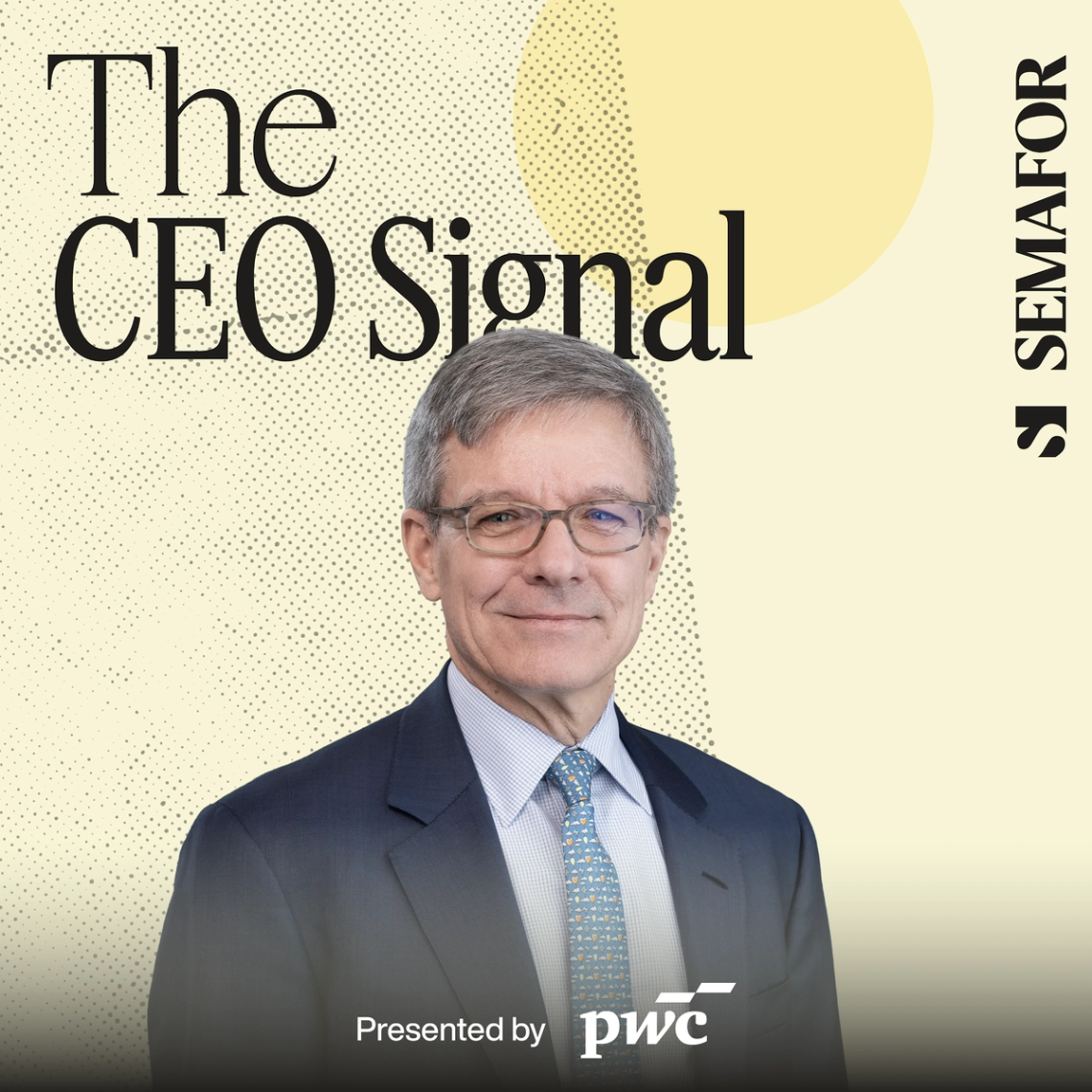 Tom Wilson runs an insurance company in a low-trust America. That makes trust a core business issue for Allstate. “We sell trust,” he says. On this week’s episode of The CEO Signal, presented by PwC, Penny Pritzker and Andrew Edgecliffe-Johnson ask Wilson how that premise shapes the way he leads one of America’s biggest insurers. Wilson, who has led Allstate for nearly two decades, he’s disappointed that more CEOs are not speaking up on societal issues — but he is not calling for corporate commentary on everything. He explains the framework Allstate uses to decide when it has standing to engage, how the company connects corporate purpose to employees’ personal purpose, and why AI should force leaders to ask a harder question than how much cost they can cut: what kinds of good jobs can they create? |
|
Air India cutting international flights |
 B Mathur/Reuters B Mathur/ReutersFuel shortages stemming from the Iran war are forcing India’s second-largest airline to cut more than a quarter of its international flights for the summer, in the latest setback for global aviation. The cuts deepen the turmoil at Air India, following a devastating crash last year and the departure of its CEO last month. “The war has attacked every leg of Air India’s transformation plan,” an industry consultant said. But the flight reductions are a boon to the company’s international rivals: Lufthansa and Cathay Pacific are among those adding trips in the fast-growing aviation market. Every airline, though, is feeling the pain from the war, with increases in airfares “inevitable” this summer, the former British Airways CEO said. |
|
|


