The class of 2026 is graduating into one of the toughest labor markets in decades.
Entry-level job postings made up just 38.6% of all postings in March, down from 44% in 2023, according to ZipRecruiter. Goldman Sachs economists estimate
AI is now cutting roughly 16,000 U.S. jobs a month, and Gen Z is getting hit the hardest because they’re concentrated in the entry-level white-collar roles the tech automates first. Meanwhile, the share of unemployed Americans who are
new workforce entrants hit a 37-year high last year.
It’s no wonder more than 60% of the class of 2026 are pessimistic about their career prospects, according to a recent Handshake
report. Which means the advice powerful women—from Queen Latifah to Nancy Pelosi—have been giving graduates during commencement speeches this year has looked a little different, too.
They’ve let Gen Z know the straight-line career path is dead, the power of “no” is underrated, and you’d better believe in yourself harder than the market believes in you.
Or, as
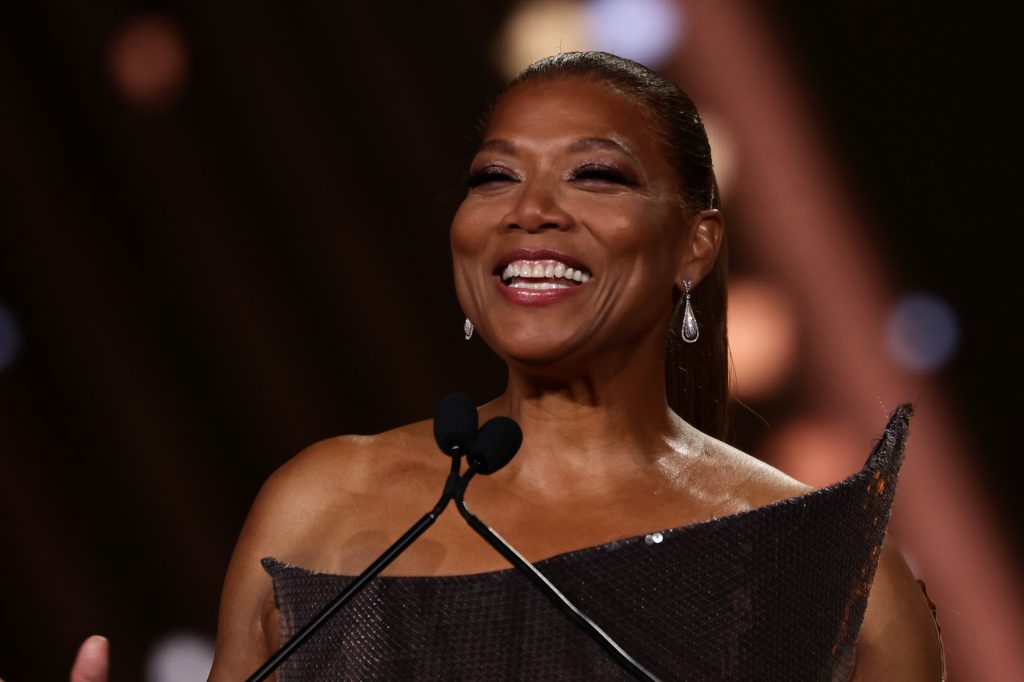
Queen Latifah put it to graduates at North Carolina A&T State University, you have to be a little out of your mind.
“You have to have delusional amounts of belief and faith to dream beyond your wildest dreams,” she said.
The career ladder is no longer linearMicrosoft CFO
Amy Hood told Duke graduates her path to the C-suite looked more like a roller coaster than a ladder.
After leaving corporate banking with no plan, she explained during her
commencement speech, she took a National Park Service internship hoping for Yosemite and got assigned to Alcatraz, which she called “a prison on a rock.” She quit after a day. Months later, she accepted a job at Microsoft without asking about the salary and missed her first day after underestimating the drive from California to Seattle.
“As you start out, many successful careers are rarely—if ever—a straight line,” Hood said. Her advice to a generation under enormous pressure to precisely calculate every move: “Maybe lower your bar a little.”
Actor and pop star Hilary Duff, who delivered the
commencement address at Northeastern University, made a similar case. She told graduates that for years she said yes to almost everything because she thought that’s the right thing to do when opportunities arrived. Then she realized she was “reacting instead of asking myself what I really wanted,” and stepped back from music to rebuild.
“Saying no wasn’t rejection, it was redirection,” Duff said. “What you do might change, but who you are never has to.” And now she’s made her big comeback after years of growing her family and working on herself.
The power of “no”Queen Latifah had a similar outlook on the choice to say no.
Early in her career, she said, her father told her “a no is as strong as a yes,” even though it didn’t always come naturally to her. Years later, when everyone around her was pushing her to take a lucrative project her gut was telling her to turn down, she said no with no other job lined up.
Choosing to say no to that project ultimately led her to a “little movie called
Chicago,” which led to her Academy Award nomination.
Showing up is the planToday’s brutal job market can feel defeating for Gen Z, but speakers encouraged graduates to keep proving themselves.
TIAA CEO Thasunda Brown Duckett, one of only four Black women to ever lead a Fortune 500 company, told Florida A&M’s graduates she’d often walked into rooms where no one looked like her, and had to decide every time whether to take up space or shrink to fit it.
“I could spend my energy trying to make myself smaller, less visible, less different, or I could decide that my presence itself was a form of progress, and then go to work to make that true,” Duckett said. “I chose the latter.” Her three rules for Gen Z entering an AI-disrupted workforce are to adapt, lean in, and build a bigger table rather than protecting your seat.
Nancy Pelosi, the former Speaker of the House, who said she never planned to run for Congress and only did so after her teenage daughter told her to “get a life,”
told Notre Dame de Namur University’s graduates hope is doing the work.
“Hope demands a plan,” Pelosi said. “It is the courage to believe that we can make things better and to do the work to make it so.”
It was, in its way, the same message Queen Latifah offered: Claim the thing before the world is ready to give it to you.
“Be delusional enough to call yourself something that the world hasn’t called you yet,” Latifah told the A&T graduates. “Get your own crown and rock that damn thing.”
Sydney Lakesydney.lake@fortune.comThe Most Powerful Women Daily newsletter is Fortune’
s daily briefing for and about the women leading the business world. Subscribe here.