| | In today’s edition: Saudi and the UAE hit back against Iran, M42 launches a renal care chatbot, and ͏ ͏ ͏ ͏ ͏ ͏ |
| |  Damascus Damascus |  Riyadh Riyadh | Washington DC |
 | Gulf |  |
| |
|
 - Saudi, UAE in the fight
- Kuwait foils Iran infiltration
- UAE’s US pledge…
- …and new Syria deals
- M42’s global push
- Overlooked Saudi KPI
 Ronaldo is still trophy-less in the Saudi league. |
|
Reports reveal Gulf strikes on Iran |
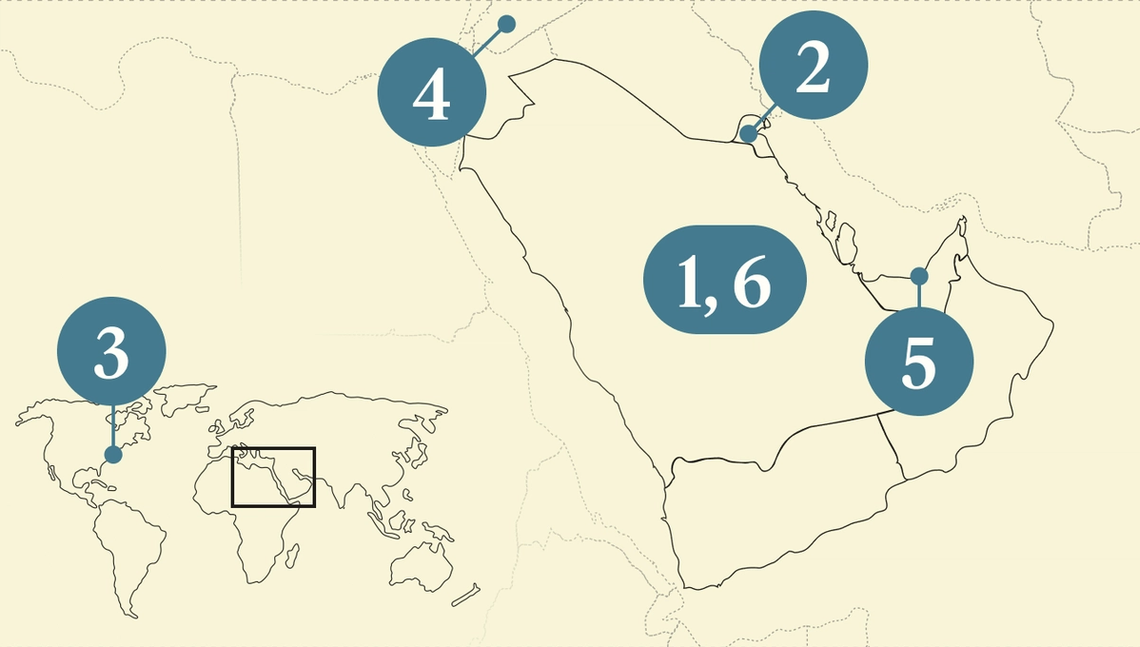
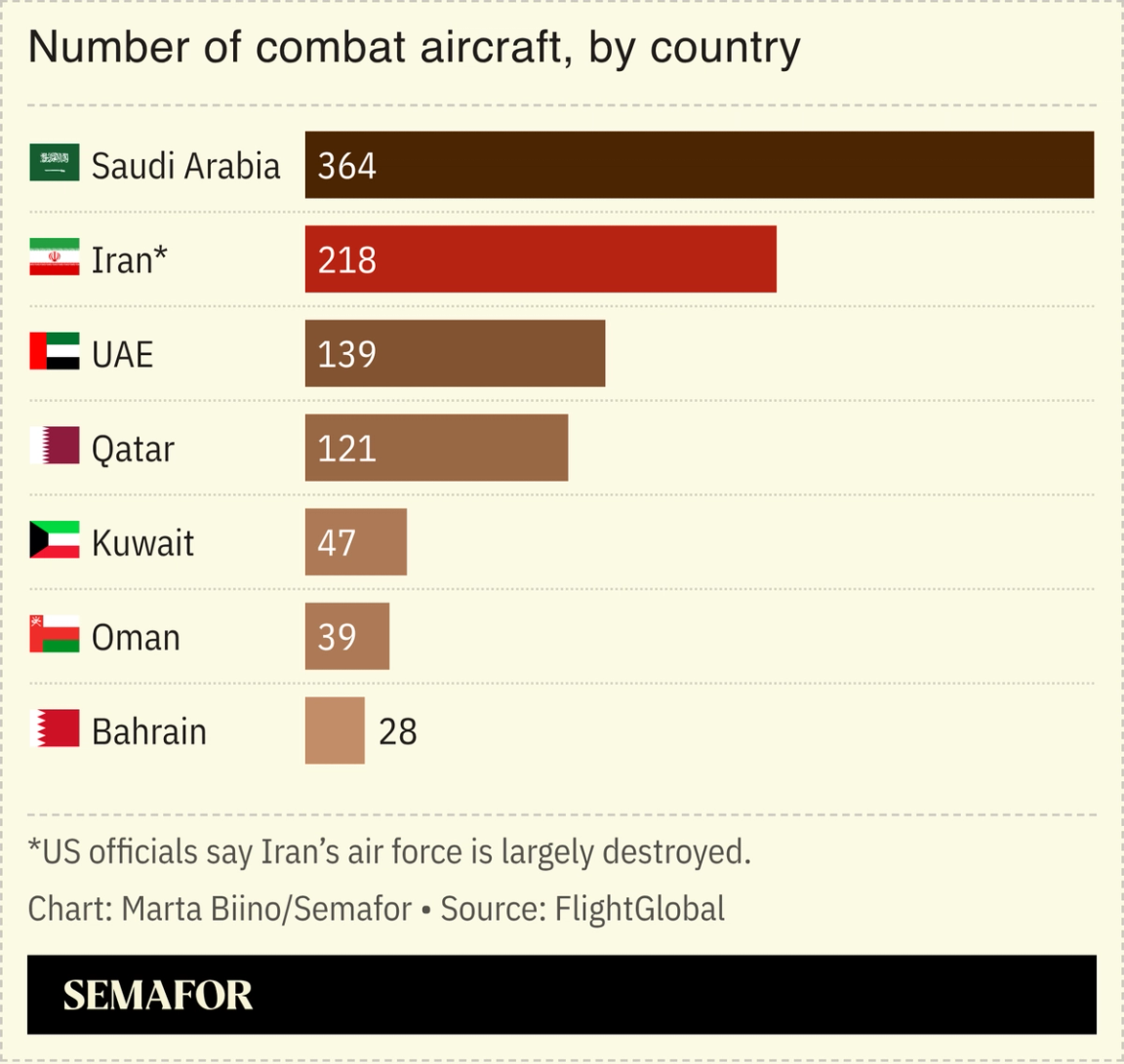 Saudi Arabia and the UAE have reportedly conducted retaliatory attacks on Iran, with Abu Dhabi’s sorties in May allegedly conducted in coordination with Israel. The two Gulf states did not confirm the news — in The Wall Street Journal, Bloomberg, and Reuters — but neither did they explicitly deny them. Iran has attacked all of its Arab neighbors since the war began in February, with almost 3,000 drones and missiles lobbed at the UAE alone. Citizens across the Gulf have voiced support for their governments retaliating. Following the WSJ report, prominent Emirati political scientist Abdulkhaleq Abdulla posted that the news filled him with “pride and a sense of honor.” Rumors of Gulf involvement in direct attacks on Iran have swirled for months and were all but confirmed by US President Donald Trump on March 24, when he said of Saudi Crown Prince Mohammed bin Salman: “He’s fighting with us, by the way. Saudi Arabia has been excellent, and UAE, excellent. And I will tell you, Qatar, incredible.” The retaliatory actions by Saudi Arabia and the UAE appear to have had different aims, and Tehran has interpreted them as such. Saudi strikes were a measured response to Iranian attacks and intended to reassert deterrence, according to Reuters. However, the UAE’s attacks, carried out in coordination with Israel, did not calm tensions with Iran. Tehran has repeatedly accused Abu Dhabi of cooperating with its enemies and said the UAE had violated the “principles of good neighborliness.” — Mohammed Sergie |
|
Kuwait thwarts Iran attack plan |
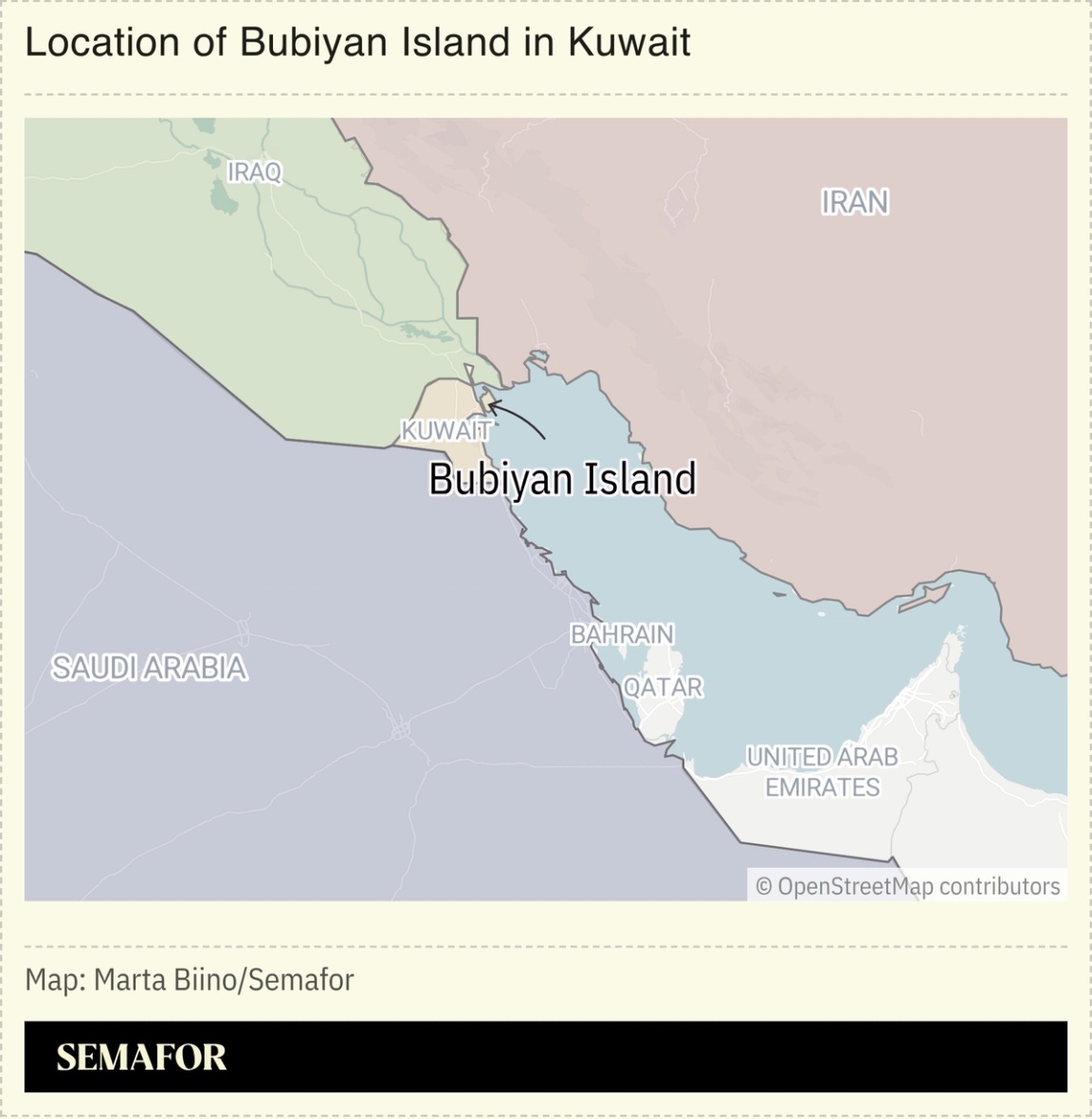 Four men arrested in Kuwait have confessed during interrogation to being affiliated with Iran’s Islamic Revolutionary Guards Corp. in a case which is likely to raise concerns about the Gulf’s vulnerability to Iranian ground attacks. Kuwait’s defense ministry had said in early May it had arrested four suspects trying to enter the country illegally but offered few other details at the time. The interior ministry has now fleshed out that report, saying the four had used a fishing boat to reach Bubiyan Island and, during interrogation, confessed to planning hostile acts against Kuwait. Iran said the men had been on a routine patrol mission and strayed into Kuwaiti waters due to a “navigation system malfunction.” Gulf countries are on alert for any sign of Iran-backed activities. Yesterday, the UAE placed 16 Lebanese individuals on its Local Terrorist List over their links to Iran-backed Hezbollah. On the same day, two people were sentenced to life imprisonment in Bahrain after being convicted of collaborating with the IRGC; a further 22 were given shorter prison terms or fines for supporting Iranian attacks. |
|
UAE delivers on US investment pledge |
 The value of trade and investment deals between the US and the UAE that have been announced since US President Donald Trump’s visit to the Middle East a year ago, according to the US-UAE Business Council. The figures show the UAE was “executing on its pledges” despite the impact of the Iran war, according to a report issued by the council. The UAE announced a $1.4 trillion, 10-year framework for investments and procurement in the US during Trump’s May 2025 visit to the country, a plan reaffirmed by the country’s ambassador to the US, Yousef Al Otaiba, last month. The UAE has poured money into artificial intelligence, energy, finance, healthcare, life sciences, manufacturing, and technology deals with US firms over the past year, as it looks to double down on its relationship with the world’s biggest economy and becomes more critical of some neighbors and regional institutions. The UAE’s recent decision to quit OPEC means it can reinvest the proceeds of higher oil output into projects around the world, including in the US. |
|
 The Umayyad mosque in Damascus. Yosri Aljamal/Reuters. The Umayyad mosque in Damascus. Yosri Aljamal/Reuters.A UAE delegation made major investment pledges in Damascus this week, signaling Abu Dhabi’s growing comfort with Syria’s new leadership after a long period of trailing Saudi Arabia and Qatar in rebuilding ties. The UAE had been wary of President Ahmed al-Sharaa’s Islamist roots, but officials now increasingly see Syria as a strategic Arab ally after Tehran’s attacks on Gulf states and Damascus’ public alignment with the Gulf. While much of the focus of the recent UAE visit was on economic development — with Emaar founder Mohamed Alabbar detailing almost $18 billion in tourism and real estate projects — there were also religious and cultural exchanges aimed at fostering deeper ties. Emirati-Syrian businessman Abdulkader Al Sankari said Sheikha Fatima bint Mubarak, the mother of UAE President Sheikh Mohamed bin Zayed, had committed to renovating the Umayyad Mosque in Damascus and the ancient districts surrounding it. The area contains artifacts connected to the three Abrahamic religions, and Alabbar quipped that if it were in Dubai it would attract tens of millions of tourists a year. — Mohammed Sergie
|
|
M42 pitches genomics data platform |
 Al Lucca/Semafor Al Lucca/SemaforAbu Dhabi healthcare firm M42 has begun pitching its genomic sequencing platform to governments and pharmaceutical companies around the world, and is rolling out AI chatbots tailored to patients with chronic diseases, its CEO told Semafor. It is part of a data-led push that will see M42 launch a research center next month marketed to pharmaceutical companies, using the genetic information gathered in the UAE for drug development. The firm is also launching an AI chatbot for kidney patients in the UAE and parts of Europe this week. “Countries, for years, were focusing on building the hospital, the next patient clinic. Now they understand that the future of health goes through the availability of data,” chief executive Dimitris Moulavasilis said. — Kelsey Warner |
|
View: Saudi gains from graft clampdown |
  Zuhair Al-Traifi/Reuters Zuhair Al-Traifi/ReutersThe latest review of Vision 2030 shows that the Saudi government’s economic diversification strategy is working, but the most important achievement is not something you easily plot on a graph: the way it broke the old culture of corruption, writes independent commentator and Saudi economy specialist Wael Mahdi in a column for Semafor. Deals that once depended on personal connections and informal payments now go through digital platforms and are governed by clearer rules. This is part of a sustained enforcement apparatus embedded across government and a reason why investors now believe contracts will be honored and decisions made on merit. “Without the anti‑corruption drive, new startups would represent licenses on paper, not real investment,” writes Mahdi. “Less corruption is leading to a more vibrant private sector.” |
|
 Checking In- PIF-owned Riyadh Air is launching a cabin crew training program aimed at recruiting thousands of Saudi nationals, as the new airline pushes toward its target of connecting the kingdom to more than 100 destinations by 2030. — Arab News
- Gulf airlines may be ramping up their operations, but their major international rivals including British Airways, Lufthansa, and Singapore Airlines are taking a more cautious approach, with suspensions on key Gulf routes stretching out to October. — The National
- Restaurants and hotels in the Gulf that rely on tourists for much of their revenue are entering “survival mode” as demand declines and costs rise. While some hotels shut down for carefully timed renovations and to conserve costs, restaurants have tighter margins and are having to pivot to an increasingly saturated delivery market. — Enterprise News
Finance- Investment bank revenues in the Gulf were down 14% in the first quarter as the Iran war led to M&A and IPO deals slowing or being put on hold, undermining hopes that fees out of the region could top top $1 billion for the first time in almost two decades. — Financial Times
- Aramco may sell and lease back its property portfolio, including its sprawling headquarters in the Eastern Province, in a deal that could raise $10 billion. — Bloomberg
- UAE-based Trukker, which operates a business akin to Uber for trucks, has closed a $300 million financing round as it sees business surge because of the closure of the Strait of Hormuz.
Media- Saudi media company Thmanyah founder and CEO Abdulrahman Abumalih, known as the “king of Saudi podcasts”, has resigned alongside COO Faisal Al-Ghamdi, with flagship show Fnjan reportedly set to shut down, in a major shake-up for one of the kingdom’s most influential media companies.
Real Estate- Saudi property sales halved in the first quarter and fell 62% year-on-year in March, as the war stalled the kingdom’s much-anticipated opening to foreign buyers. — AGBI
|
|
 Hamad Mohammed/Reuters Hamad Mohammed/Reuters |
|
|


